Let's be honest. When you think of traditional Indian party food, your mind probably jumps straight to samosas and chicken tikka. They're classics for a reason, but if that's all you serve, you're missing out on a universe of flavor, texture, and pure celebration. I've been to (and hosted) more Indian gatherings than I can count—from intimate Diwali dinners to sprawling wedding receptions. The food is the heartbeat of the party. It's not just about feeding people; it's about creating an experience, a conversation starter, a memory. And doing it right involves a bit of strategy most blogs don't talk about.
What's Inside This Guide?
The Can't-Miss Starters & Finger Foods
This is where the party begins. The goal here is high impact, easy to eat, and a mix of textures. You want things that can be passed around or grazed on.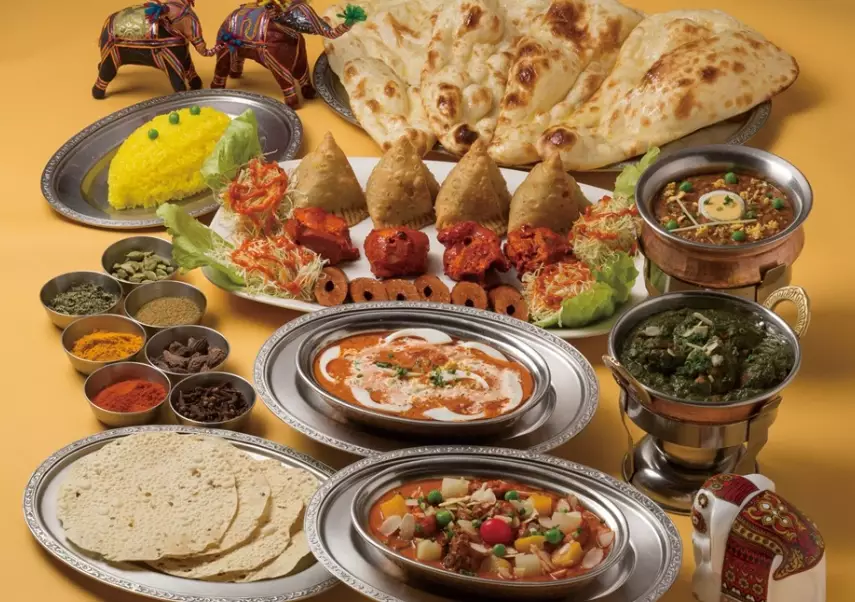
The Fried Classics (But Better)
Samosas are non-negotiable. But the filling matters. Beyond the standard spiced potato and peas, try a keema (minced meat) version or a fusion-style paneer and corn. The pastry must be flaky, not greasy. A trick? The oil temperature has to be just right—too low and they soak up oil, too high and they brown before cooking through.
Pakoras are your versatile best friend. Onion, spinach, paneer, even cauliflower florets dipped in a spiced chickpea flour batter and fried. The batter's consistency is everything. It should coat the back of a spoon, not drip off. A thin batter makes for a sad, limp pakora.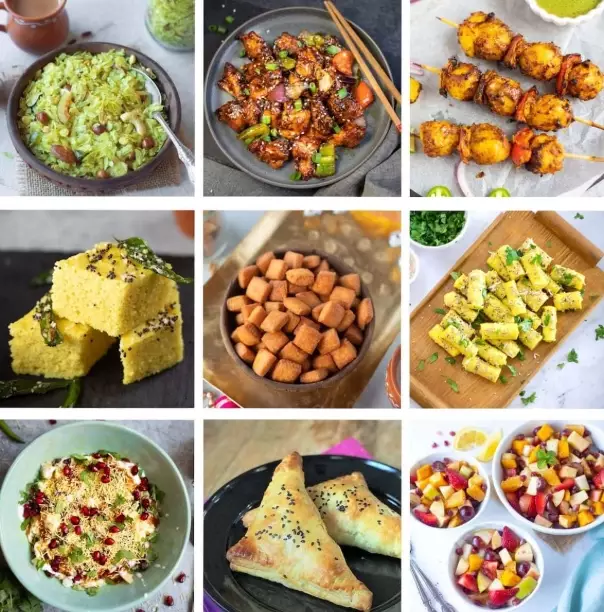
The Chaat Corner
This is interactive, vibrant food. Dahi Puri or Papdi Chaat are showstoppers. Crisp puris or fried dough wafers, filled or topped with potatoes, chickpeas, yogurt, tamarind chutney, mint chutney, and sev (fine gram flour noodles). The magic is in the assembly line. Prep all components separately and let guests build their own, or assemble small batches just before serving. Soggy chaat is a tragedy.
Skewered & Grilled Perfection
Seekh Kebabs (spiced minced meat) and Paneer Tikka (marinated cottage cheese) are crowd-pleasers. The marinade needs time—overnight if possible. For paneer tikka, a common error is using paneer that's too soft; it'll fall apart on the grill. Use firm or medium-firm paneer. A quick brush of butter or oil while grilling adds that authentic dhaba-style char.
The Main Event: Curries, Breads & Rice
This is the comforting, hearty core. For a party, you need dishes that hold well, taste even better the next day, and cater to diverse palates.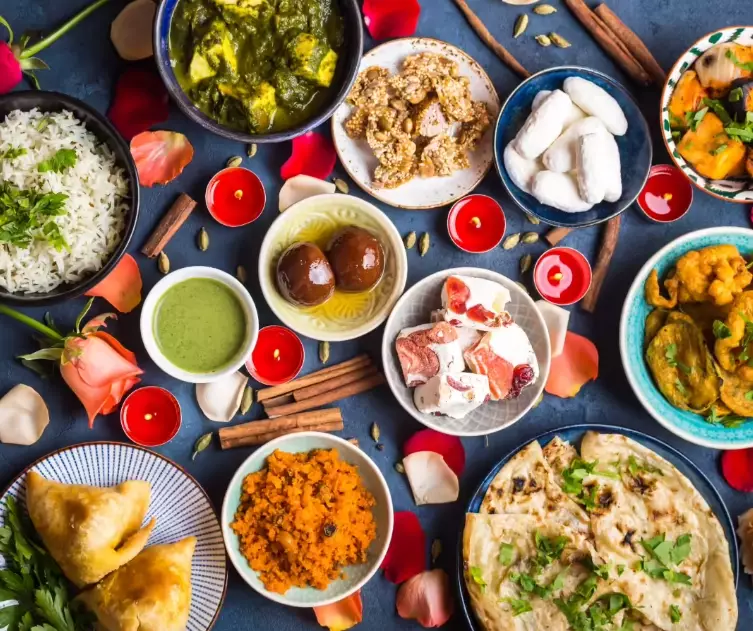
| Dish | Key Characteristics | Party-Friendly Tip |
|---|---|---|
| Butter Chicken (Murgh Makhani) | Rich, creamy tomato-based gravy with tender chicken. Universally loved. | Make the gravy base a day ahead. Add cooked chicken and cream just before serving to prevent splitting. |
| Palak Paneer | Creamed spinach with cubes of paneer. Vibrant green, vegetarian staple. | Blanch the spinach quickly to retain color. Puree while still warm for a smoother texture. |
| Rogan Josh | Aromatic Kashmiri lamb curry. Deep red, flavorful but not overly hot. | This is a slow-cooked dish. The longer it simmers, the better. Perfect for making ahead. |
| Dal Makhani | Black lentils and kidney beans simmered with butter and cream. Ultimate comfort food. | Use a pressure cooker to save time, but finish with a long, slow simmer for depth. |
The Supporting Cast: You can't have curry without Basmati Rice (fluffy and fragrant) and bread. Naan is a must—soft, pillowy, and perfect for scooping. For a party, consider getting a mix: plain naan, garlic naan, maybe some butter rotis. If you're feeling ambitious, Biryani is a complete meal in itself—layered rice with meat or vegetables, infused with spices. It's a commitment, but it screams celebration.
The Sweet Endings
Indian desserts are intensely sweet, rich, and often milk-based. They're served in small portions, and they leave a lasting impression.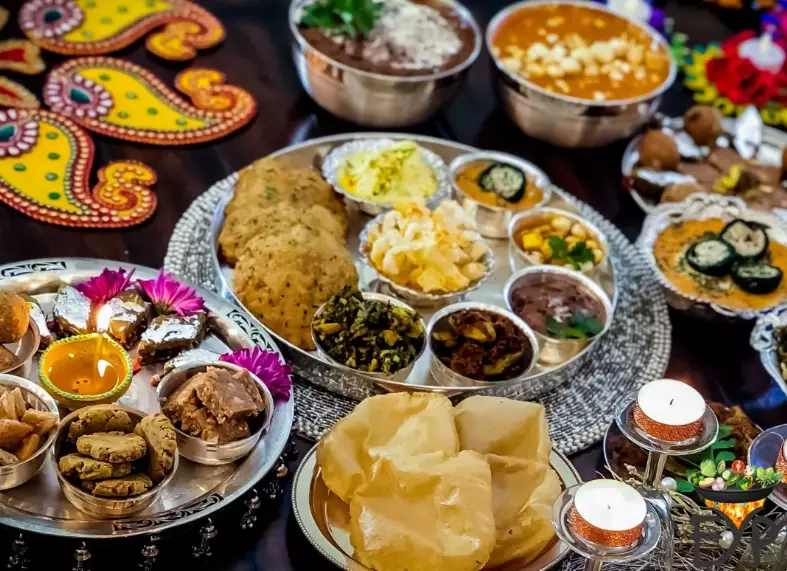
- Gulab Jamun: Deep-fried milk-solid dumplings soaked in rose-scented sugar syrup. The syrup must be warm when you add hot fried jamuns—this helps them soak it up properly. Store-bought mixes are decent, but homemade has a different texture entirely.
- Kheer (or Payasam): A rice pudding made with slow-cooked milk, rice, sugar, and cardamom. The constant stirring is therapeutic, almost. It should thicken to a creamy consistency, not become gluey. Garnish with slivered almonds and saffron.
- Jalebi: Bright orange, pretzel-shaped swirls of fermented batter, deep-fried and dunked in syrup. Crisp on the outside, syrupy within. This is one I usually buy from a trusted sweet shop—getting the batter right is an art form.
Don't forget fresh fruit platters. After a rich meal, slices of mango (in season), papaya, or watermelon are incredibly refreshing and provide a clean finish.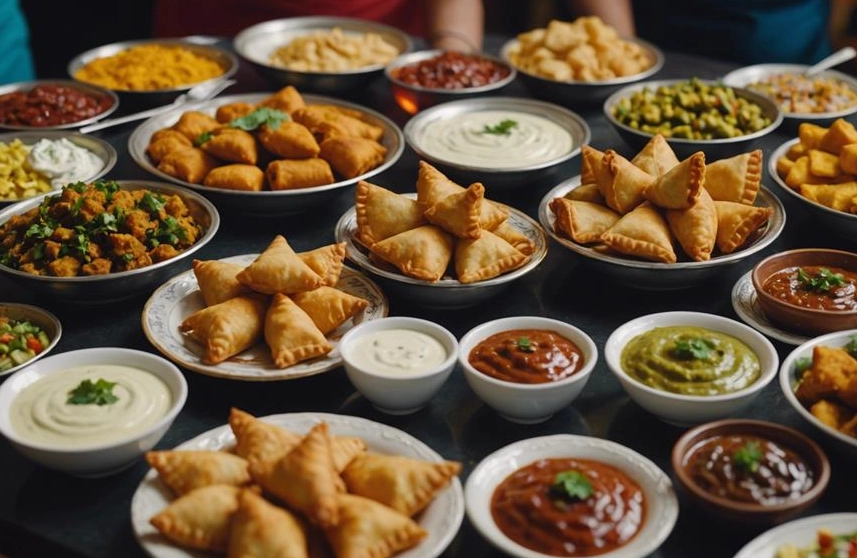
How to Build a Balanced Indian Party Food Menu?
Throwing 15 dishes at your guests is overwhelming and impractical. Think in categories. For a party of 10-15, I'd aim for:
3-4 Starters: One fried (samosas), one chaat (dahi puri), one grilled (paneer tikka), and maybe a dry snack like spiced nuts.
2-3 Main Curries: At least one vegetarian (like palak paneer or dal makhani) and one non-vegetarian (like butter chicken or rogan josh).
1 Rice Dish & 1 Bread: Plain basmati rice or a mild pulao. A basket of assorted naan.
2 Desserts: One rich (gulab jamun) and one lighter option (kheer or fresh fruit).
Accompaniments: Raita (yogurt dip), a simple salad (onion, cucumber, lemon), and both green and tamarind chutneys. These are not optional—they cut through the richness and balance flavors.
Expert Tips & Common Mistakes to Skip
Here's the stuff you learn from aunties in the kitchen, not from recipe books.
Mistake #1: Ignoring the Timeline. Indian food rewards prep. Chop all your onions, ginger, garlic the day before. Make your chutneys. Marinate your proteins. The day of the party should be about cooking and assembling, not prepping.
Mistake #2: Serving Everything at Once. Fried food gets soggy, chaat gets mushy. Stagger the service. Start with room-temperature or cold starters. Bring out hot fried items in batches. Serve mains hot from the stove or in chafing dishes.
Mistake #3: Forgetting the Drinks. Sweet Mango Lassi is a perfect pairing—it cools the palate. For something non-dairy, Jaljeera (a cumin and mint flavored drink) is tangy and digestive. Have plenty of water and maybe some Indian beer (like Kingfisher) on hand.
My personal rule: Always make one thing you know will be a guaranteed hit (like butter chicken) and one thing that's a bit unusual or a family recipe. It starts conversations.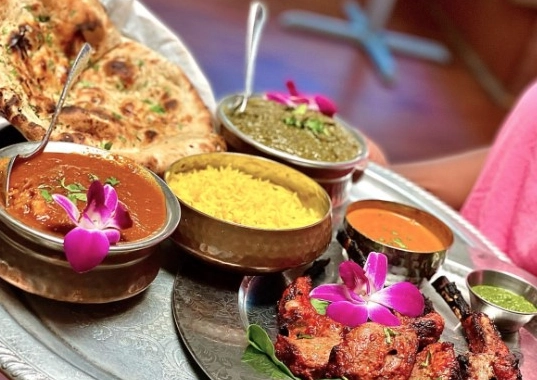
Discussion