Let's be honest. The thought of making samosas from scratch can be intimidating. That perfect cone shape, the flaky layers, the spiced potato filling that doesn't fall out – it feels like a professional chef's territory. I used to think that too, until I burned through two batches of oily, cracked dough and one sad, soggy filling. It was a mess. But that failure taught me what most recipe gloss over: the simple samosa recipe isn't about complex techniques; it's about understanding a few non-negotiable principles. Once you get those, you can make better samosas than most takeout joints. This guide is that lesson learned the hard way, simplified for your kitchen.
What's Inside This Samosa Guide?
The One Dough Secret Most Blogs Get Wrong
Everyone talks about the filling, but the dough is the unsung hero. A bad dough means a samosa that's either tough as leather or falls apart in the oil. The biggest mistake? Not adding enough fat, or adding it wrong.
The goal is shortcrust pastry, not bread. You need to coat the flour proteins with fat to prevent too much gluten formation. Here's the ratio I swear by after years of tweaking:
Simple Samosa Dough (Makes 12-14)
- All-purpose flour: 2 cups (250g) – don't use bread flour.
- Ghee or neutral oil: 1/4 cup (55g) – ghee adds flavor, oil is easier. Must be solid or at room temp.
- Carom seeds (ajwain): 1 teaspoon. This is the magic. It adds a distinct, slightly thyme-like flavor that screams "authentic samosa." If you don't have it, use 1/2 tsp dried thyme or fennel seeds as a distant substitute.
- Salt: 1/2 teaspoon.
- Water: Roughly 1/2 cup (120ml), ice cold. This is critical.
Method: Rub the ghee/oil into the flour with your fingertips until it looks like coarse breadcrumbs. Mix in carom seeds and salt. Now, add the ice-cold water a tablespoon at a time, mixing with a fork. Stop when the dough just comes together. It will look shaggy and dry – that's perfect. Knead for just 30 seconds to form a ball. Over-kneading is the enemy of flakiness. Cover with a damp cloth and rest for at least 30 minutes. This relaxes the gluten, making it easier to roll out without springing back.
Building a Flavor-Packed Filling (Beyond Just Potatoes)
A bland filling is a crime. We're not just boiling potatoes and mashing them. We're building layers of texture and taste. The base is potatoes, but the soul is in the tempering and additions.
The Ultimate Spiced Potato & Pea Filling
- Potatoes: 3 medium (about 500g), boiled, peeled, and roughly mashed. Keep some chunks.
- Green peas: 1/2 cup, fresh or frozen.
- Oil: 2 tablespoons.
- Cumin seeds: 1 teaspoon.
- Ginger: 1 tablespoon, finely grated.
- Green chili: 1-2, finely chopped (adjust to heat).
- Spices: 1 tsp coriander powder, 1/2 tsp garam masala, 1/4 tsp amchur (dry mango powder) or 1 tsp lemon juice, 1/4 tsp red chili powder.
- Fresh coriander: A big handful, chopped.
- Salt: To taste.
Heat oil. Crackle cumin seeds. Add ginger and green chili, fry for 30 seconds. Throw in all the dry spices and stir for 10 seconds – this "blooms" them in the oil, unlocking their full aroma. Add peas, cook for 2 minutes. Finally, add the mashed potatoes and salt. Mix thoroughly, cook for another 2-3 minutes. Fold in fresh coriander. Let this cool completely before filling. A warm filling will steam the dough from inside and make it soggy.
Think outside the box. You can add 2 tbsp of soaked, chopped cashews for crunch, or swap half the potatoes with boiled, mashed sweet potatoes for a subtle sweetness.
Folding Mastery: Conquering the Cone Without Stress
This is where people panic. Relax. It's just origami with food. Divide your rested dough into 6 equal balls. Roll one ball into a circle about 7 inches in diameter. Don't worry about perfect circles. Cut it in half. You now have two semi-circles.
Take one semi-circle. With the straight cut side facing you, fold it into a cone shape, overlapping the edges. Use a dab of water to seal the straight seam. Hold the cone in your hand, fill it 3/4 full with cooled filling. Now, seal the top by pressing the open edges together, again using a little water to help it stick. Crimp the edges with a fork for a professional look, or just press firmly.
That's it. The first one might look wonky. The second will be better. By the third, you'll have the muscle memory. Place the finished samosas on a tray, covered with a cloth to prevent drying.
Common Folding Problems & Fixes
Dough too elastic? It wasn't rested enough. Let it sit longer.
Seal won't stick? Use more water as "glue."
Filling leaking during frying? You overfilled, or the top seal wasn't tight enough.
The Final Act: Frying vs. Baking for Perfect Crispness
Traditional deep-frying gives the iconic texture. For baking, you need to adjust the dough slightly.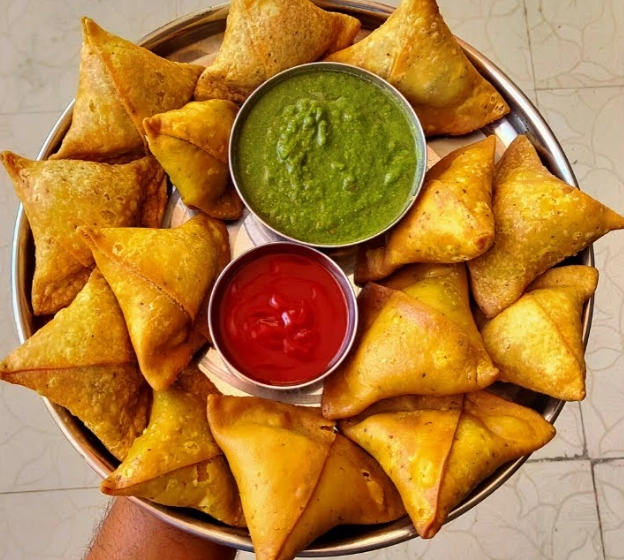
Deep Frying (The Classic Way)
Use a neutral, high-smoke-point oil like sunflower or peanut. Heat the oil to 160°C (320°F) on medium heat. This is lower than you think. A medium-hot oil cooks the dough through without burning it. Gently slide in 3-4 samosas. Do not crowd the pan. Fry for 6-8 minutes, turning occasionally, until they are a consistent pale golden brown. Remove and drain on a wire rack, not paper towels (this keeps them crisp). Let the oil come back to temperature between batches.
Baking (The Healthier Twist)
To get a flaky baked samosa, you need to add more fat to the dough. Increase the ghee/oil from 1/4 cup to 1/3 cup. After shaping, brush the samosas generously with oil or melted ghee. Preheat your oven to 200°C (400°F). Bake on a parchment-lined tray for 25-30 minutes, flipping halfway, until golden and crisp. They won't be as uniformly brown as fried ones, but they'll be delicious and lighter.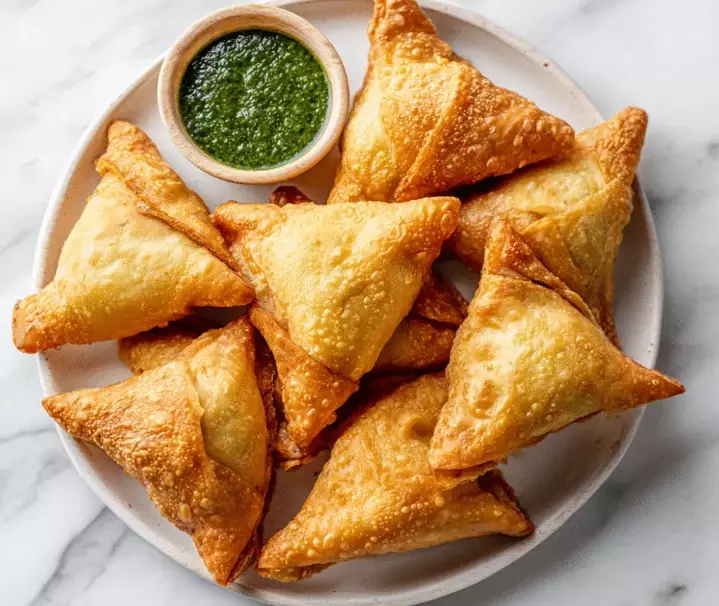
Your Samosa Problems, Solved (Expert FAQ)
Making samosas at home changes your relationship with this snack. You control the spice, the crispness, the ingredients. That first bite of a hot, homemade samosa, with its shattering crust and steaming, fragrant filling, is a small victory. It's proof that simple recipes, when understood deeply, yield extraordinary results. So grab that flour and ghee. Your kitchen is about to smell amazing.
Discussion