That first crunch of a Pani Puri, the steam rising from a fluffy Bhature, the buttery aroma of Pav Bhaji – Indian street food isn't just eating; it's an event. For years, I thought replicating this magic at home was a fool's errand. My early attempts were tragic: soggy puris, bland chole, a pav bhaji that tasted like spiced mush. Then I spent a month in Delhi, not just eating, but watching, asking, and frankly, bothering every street vendor who would tolerate me. The secrets aren't in fancy ingredients, but in technique and a bit of stubbornness. Let's bring the chaos and joy of the street right to your counter.
Your Quick Guide to Indian Street Food Magic
The Holy Trinity of Indian Street Food
You could spend a lifetime exploring Indian street food. But if you want to start with the icons, the ones that spark instant recognition and craving, these three are non-negotiable. They represent different regions, textures, and experiences. Mastering these gives you the foundational skills for dozens of other dishes.
Think of them as your core curriculum.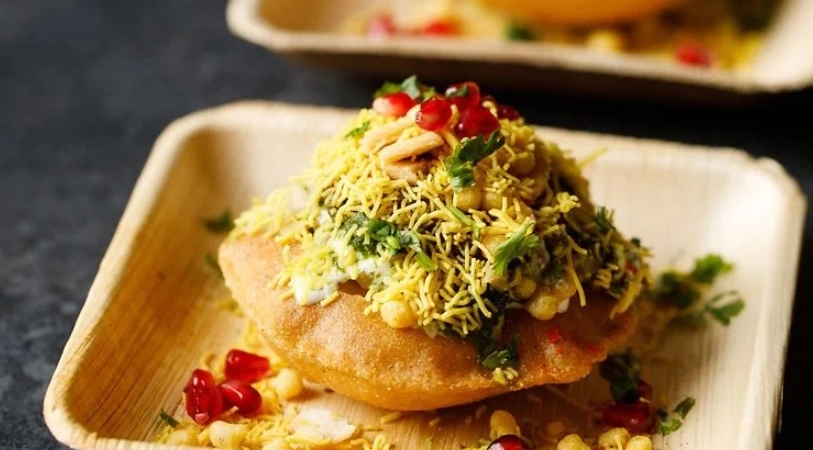
1. Pani Puri: The Interactive Explosion
This is performance art you eat. Crisp, hollow puris (fried bread balls) are cracked open, stuffed with spiced potato and chickpeas, then drowned in a tangy, spicy, herby water (pani) and eaten in one bite. The challenge is texture contrast and flavor balance.
The History Bit: Originating in the state of Maharashtra, it's believed to have been a creative way to serve refreshing, hydrating spiced water during hot summers. Its popularity exploded across the subcontinent, with each region adding its twist.
What You'll Need:
| For the Puris | For the Pani (Water) | For the Filling |
|---|---|---|
| Semolina (sooji) - 1 cup | Fresh mint - 1 large bunch | Boiled potatoes - 2 medium |
| All-purpose flour - 2 tbsp | Fresh coriander - 1 large bunch | Boiled chickpeas - 1/2 cup |
| Salt & Water | Green chilies - 3-4 | Chaat masala, red chili powder |
| Oil for frying | Tamarind paste - 1 tbsp | Finely chopped onion |
| Roasted cumin powder - 1 tsp | Sweet tamarind chutney | |
| Black salt - 1 tsp |
The Make-It-Happen Steps:
- The Puri Dough: Mix semolina, flour, salt. Add water slowly to form a stiff, tight dough. This is crucial. Soft dough = flat puris. Knead for 5 minutes, cover, rest 30 min.
- Roll & Fry: Roll into small, thin circles (2-inch diameter). The thinner, the crispier. Heat oil to medium-hot (not smoking). Fry one at a time, pressing gently with a slotted spoon. They should puff up instantly. Drain on paper towels.
- The Magic Pani: Blend mint, coriander, chilies, tamarind, cumin, black salt with 2 cups water until smooth. Strain. Add another 1-2 cups water. Chill for at least 2 hours. The flavors need to marry.
- Assembly Line: Mix mashed potatoes, chickpeas, chaat masala. Make a small hole in each puri. Stuff with filling, add a drop of sweet chutney, fill with pani, and eat immediately. No waiting.
2. Chole Bhature: The Weekend Indulgence
A hearty, spicy chickpea curry (chole) paired with deep-fried, leavened bread (bhature). It's rich, satisfying, and the ultimate comfort food duo from North India.
Most home cooks get the chickpeas right but the bhature wrong. They end up dense and oily, not the airy, blistered pillows you get on the street.
What You'll Need:
| For the Chole (Chickpea Curry) | For the Bhature (Fried Bread) |
|---|---|
| Dried chickpeas - 1 cup (soaked overnight) | All-purpose flour - 2 cups |
| Black tea bag - 1 | Semolina - 2 tbsp |
| Onion, tomatoes, ginger-garlic paste | Yogurt - 1/4 cup |
| Bay leaf, cinnamon, cardamom | Baking powder - 1/2 tsp |
| Dry spices (coriander, cumin, turmeric, amchur) | Salt, sugar - a pinch |
| Oil for frying & kneading |
The Make-It-Happen Steps:
- Dark & Flavorful Chole: Pressure cook soaked chickpeas with the tea bag, salt, and a pinch of baking soda (for softness) until very tender. Discard the tea bag.
- The 'Bhuno' (Fry-Sauté): This is key. Fry whole spices, then onions until golden. Add ginger-garlic, then tomato puree. Now add all dry spice powders. Cook this masala on medium-low heat, stirring, for a good 10-15 minutes until oil separates. This deep frying of the spices is non-negotiable.
- Combine & Simmer: Add boiled chickpeas with some water. Simmer for 20 minutes. Mash a few chickpeas to thicken the gravy. Finish with a pinch of garam masala and amchur (dry mango powder) for that signature tang.
- Fluffy Bhature Dough: Mix flour, semolina, baking powder, salt, sugar. Add yogurt and a tablespoon of oil. Knead into a soft, slightly sticky dough using water. Add another tablespoon of oil and knead until smooth. Cover and let it ferment in a warm place for at least 3-4 hours, or overnight in the fridge.
- Roll & Fry Hot & Fast: Roll a ball of dough into an oval, about 1/8 inch thick. Fry in hot oil (190°C/375°F). It should puff up within seconds. Flip once, drain on a rack, not paper towels (to avoid steam making it soggy).
3. Pav Bhaji: Mumbai's Buttered-Up Mash
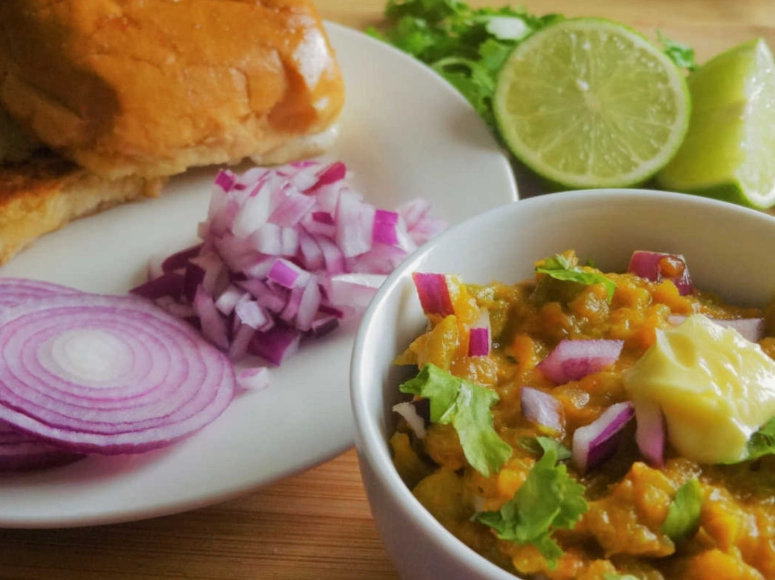
Born as a quick meal for textile mill workers, Pav Bhaji is a spiced vegetable mash (bhaji) served with buttery, toasted buns (pav). It's a lesson in how to make humble vegetables taste extraordinary.
The common fail? A watery, bland bhaji. The street version is thick, almost paste-like, and packed with umami.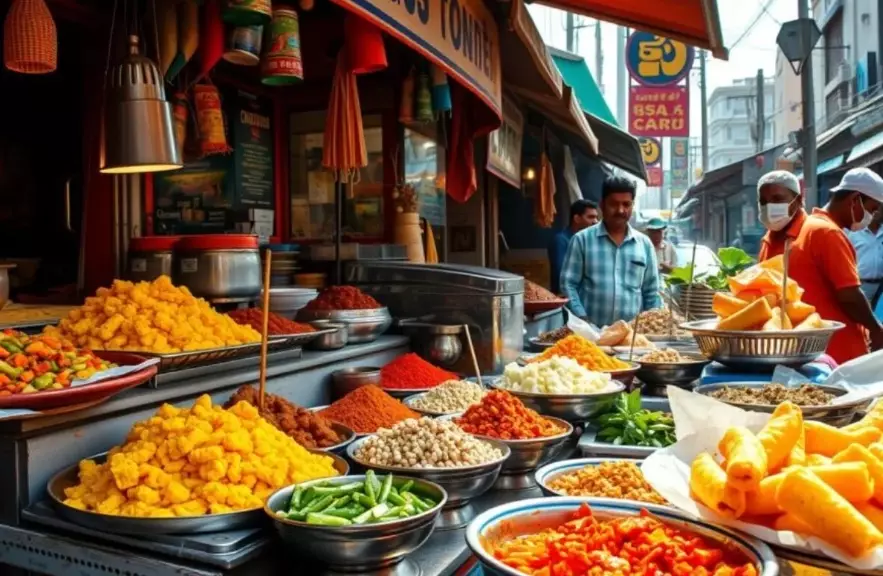
What You'll Need:
| For the Bhaji (Vegetable Mash) | For Serving |
|---|---|
| Potatoes, cauliflower, peas, carrots, capsicum - 3 cups total | Pav (dinner rolls) or burger buns - 8 |
| Butter - a generous 4 tbsp | Butter - for toasting |
| Onions - 2 large, finely chopped | Fresh coriander, lemon wedges |
| Ginger-garlic paste - 1 tbsp | Finely chopped raw onion |
| Pav Bhaji Masala - 2 tbsp (I recommend Everest or Badshah brand) | |
| Tomatoes - 3, pureed |
The Make-It-Happen Steps:
- Boil & Mash: Pressure cook or boil all the vegetables until mushy. Drain well. Mash coarsely with a potato masher. Don't use a food processor; you want texture.
- Butter is the Hero: In a large, heavy pan, melt 3 tbsp butter. Fry onions until translucent, then add ginger-garlic. Add the capsicum and cook until soft.
- The Flavor Base: Add tomato puree and cook until the butter starts to separate. Now add pav bhaji masala, red chili powder, turmeric. Cook this masala for 5 minutes on low heat.
- Mash & Merge: Add the mashed vegetables. Mix well. Now, using the back of a large spoon or a flat masher, continuously mash and stir the mixture against the hot pan for 10-15 minutes. This "roasts" it, deepens the flavor, and evaporates excess water. Add a little water only if too thick. Finish with a tablespoon of butter.
- Toast the Pav: Slice pav buns horizontally. On a griddle, melt butter, sprinkle some pav bhaji masala on it, and toast the buns until golden and crisp.
Your Street Food Roadblocks, Solved
I've been there. You follow a recipe, but something feels off. It's close, but not quite "there." These are the nuanced questions that pop up when you're elbow-deep in dough or spice blends.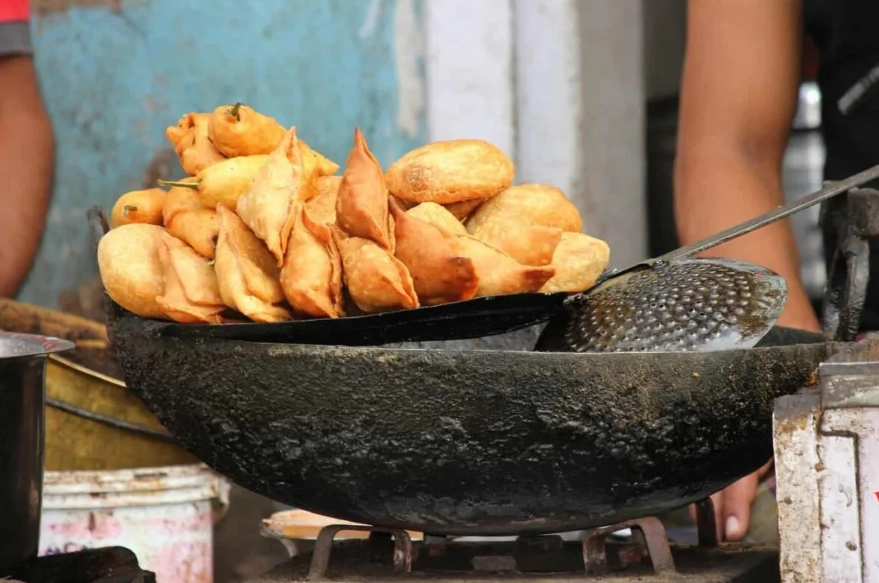
 The beauty of these dishes is their flexibility. Once you grasp the core techniques—the tight dough, the long bhuno, the aggressive mashing—you own them. You can adjust the chili level, swap vegetables in the pav bhaji, add pomegranate to the pani puri filling.
It stops being about following a recipe and starts being about cooking. That's when your kitchen truly becomes that bustling, irresistible street stall.
Discussion