In This Guide: Your Spice Journey
- The Soul of Traditional Indian Cooking: More Than Just Heat
- The Spice Box: Your Gateway to Flavor (Not Confusion)
- Mastering the Techniques: The "How" Behind the Flavor
- A Culinary Map of India: It's Not One Cuisine
- Bringing Tradition to Your Kitchen: A Practical Roadmap
- The Modern Table: Tradition Meets Today's Kitchen
- Your Questions Answered: Clearing the Fog
Let's be honest. Most of us first experience Indian food at a restaurant. It's a whirlwind of aromas, a symphony of spices, and sometimes, a confusing array of dishes with names we can't pronounce. You love the butter chicken, you're intrigued by the dal, but the idea of recreating those deep, complex flavors at home feels... daunting. I get it. I felt the same way. My first attempt at a "simple" curry involved throwing every spice in my cupboard into a pot. The result was, to put it kindly, inedible. A muddy, bitter mess that taught me a hard lesson: traditional Indian cooking isn't about chaos; it's about harmony.
That failed pot was my turning point. It pushed me to learn, to ask questions, and to understand the why behind the what. And that's what this guide is about. We're not just listing recipes. We're unpacking the philosophy, the techniques, and the soul of one of the world's most vibrant culinary traditions. Forget the myth that you need a hundred ingredients. At its core, traditional Indian cooking is logical, seasonal, and deeply connected to the land and home.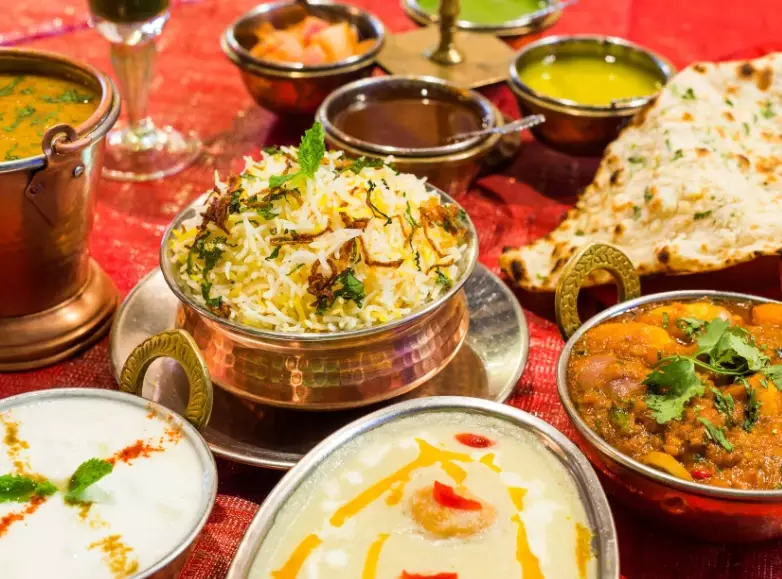
Think of it less as a rigid cuisine and more as a language. Once you learn the basic alphabet of spices and the grammar of techniques, you can start having your own delicious conversations in the kitchen.
The Soul of Traditional Indian Cooking: More Than Just Heat
If you think Indian food is just about being spicy, you're missing the point entirely. The heat from chilies is just one note in a much larger scale. The real goal is balance—a concept known as rasa in Sanskrit, which translates to essence or flavor. A well-made dish balances six core tastes: sweet, sour, salty, bitter, pungent, and astringent. This philosophy is deeply intertwined with Ayurveda, the ancient Indian system of medicine, which believes food is medicine. Turmeric isn't just for color; it's a powerful anti-inflammatory. Ginger aids digestion. Fenugreek can help regulate blood sugar.
This holistic approach means traditional Indian cooking is inherently adaptable and mindful. It's why you'll see regional variations that are staggering—from the coconut-rich, seafood-heavy dishes of Kerala to the robust, wheat-based breads and meats of Punjab. Climate, geography, and local crops dictate the menu. A coastal family's daily cooking will look utterly different from a mountain community's, yet they're both practicing authentic traditional Indian cooking.
And then there's the role of food in life itself. It's central to every celebration, every festival, every gesture of welcome. Food is love, literally. The time spent grinding fresh masalas, slow-cooking a stew, or carefully shaping breads is an act of care. This might sound romantic, but it's a tangible reality. The industrial, one-size-fits-all curry powder you find on supermarket shelves? That's the exact opposite of this ethos. True flavor comes from toasting and blending whole spices, often in small batches for specific dishes. It's this hands-on, intentional process that defines the craft.
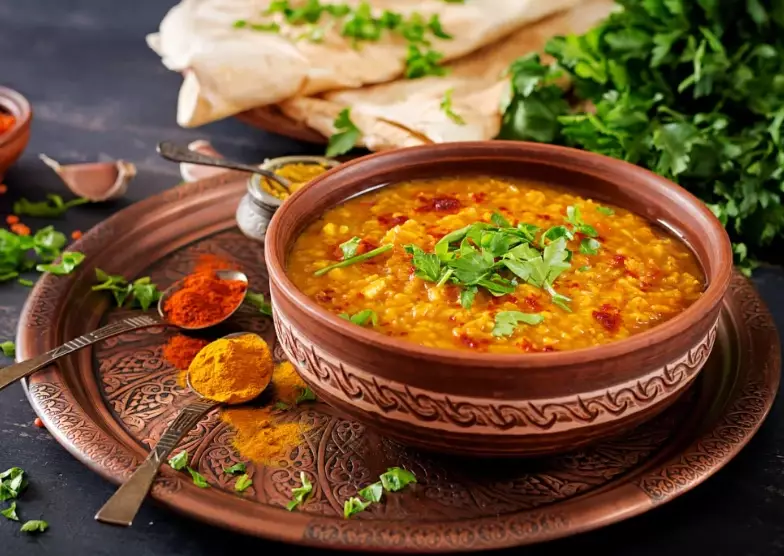 So, ready to move beyond the takeout menu and into the kitchen?
The Spice Box: Your Gateway to Flavor (Not Confusion)
This is where most beginners freeze. The spice aisle is overwhelming. But you don't need to buy everything. A well-stocked Indian kitchen revolves around a masala dabba—a round stainless steel box with seven smaller cups. It's the command center. Let's build yours with the absolute essentials. These are the workhorses, the non-negotiables.
The Holy Trinity & Other Essential Players
Cumin Seeds (Jeera): Earthy, nutty, and warm. You'll often see them crackled in hot oil or ghee at the very start of cooking to infuse the fat with their aroma. This technique, called tadka or chaunk, is foundational. Don't confuse them with caraway seeds—they look similar but taste very different.
Coriander Seeds (Dhania): The gentle giant. When dried and ground, coriander seed powder has a citrusy, floral, slightly sweet flavor that forms the backbone of countless curry powders and masalas. It's a fantastic flavor bridge, mellowing out sharper notes. I always buy whole seeds and dry-roast them before grinding for a minute or two. The difference in fragrance is night and day compared to pre-ground powder that's been sitting on a shelf for months.
Turmeric (Haldi): The golden goddess. It provides that iconic warm yellow hue and an earthy, slightly bitter, peppery flavor. A pinch is often added early in the cooking process. Pro tip: always add a crack of black pepper when using turmeric. Piperine in black pepper boosts the bioavailability of curcumin (turmeric's active compound) by a whopping 2000%. It's a classic Ayurvedic pairing for a reason.
Now, beyond the trinity, here are a few more you'll use constantly:
- Mustard Seeds (Rai/Sarson): Tiny black or yellow seeds that pop like popcorn when heated in oil, releasing a pungent, nutty aroma. Essential for South Indian and Bengali cooking.
- Garam Masala: This is a blend, not a single spice. "Garam" means warm/hot, referring to the warming nature of the spices in Ayurveda. It typically contains black pepper, cloves, green & black cardamom, cinnamon, mace, and cumin. It's usually added at the end of cooking or sprinkled on top to preserve its delicate aroma. Don't confuse it with generic "curry powder."
- Red Chili Powder: This is where the heat comes from. Kashmiri red chili powder is a fantastic beginner choice—it provides a vibrant red color and mild heat, perfect for controlling spice levels. The super-hot stuff is usually labeled differently (like *Guntur* or *Byadgi* for specific, hotter varieties).
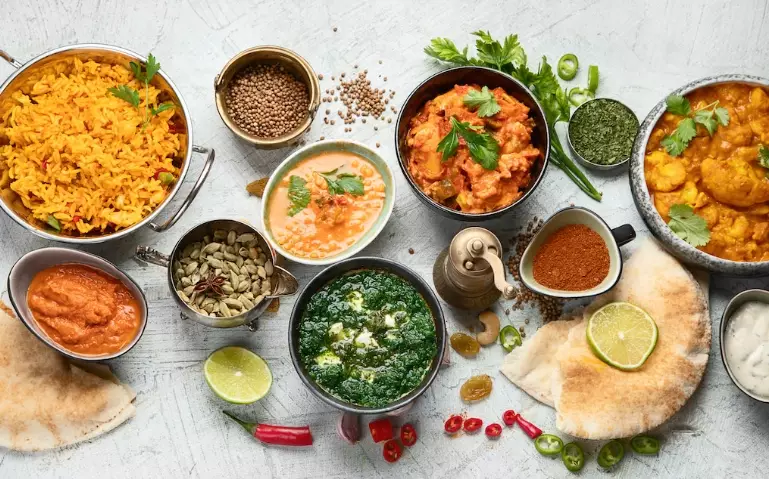
Quick Spice Reality Check:
You don't need 50 jars. Start with these 7: Cumin Seeds, Coriander Seeds, Turmeric Powder, Black Mustard Seeds, Garam Masala, Red Chili Powder (Kashmiri), and whole Black Peppercorns. With these, you can make a stunning array of dals, simple vegetable dishes, and basic curries. Build from there based on the recipes you want to try next.
Storing spices is crucial. Heat, light, and air are the enemies of flavor. Keep your whole spices in airtight jars in a cool, dark cupboard. Ground spices lose their potency much faster—ideally, use them within 3-6 months. This is why grinding your own, even with a cheap coffee grinder dedicated to spices, is a game-changer for authentic traditional Indian cooking.
Mastering the Techniques: The "How" Behind the Flavor
Okay, you've got your spices. Now what? Throwing them all into a pot with some tomatoes won't cut it. The techniques are what transform raw ingredients into layered, deep flavors. Let's break down the big ones.
Tadka (Tempering)
This is arguably the most important technique. It's the process of heating whole spices in hot oil or ghee to release their essential oils and aromas. This flavored fat then becomes the base of the dish. There are two main ways: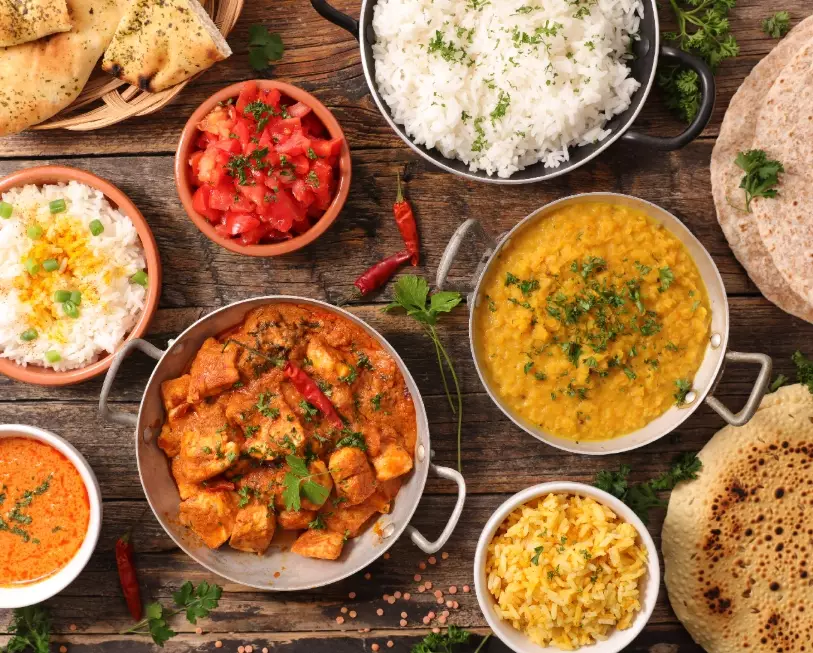
- Beginning Tadka: You heat oil, add cumin/mustard seeds until they sizzle and pop, then add onions, ginger, garlic. This builds the flavor foundation for the entire dish.
- Finishing Tadka: You prepare a separate small pan with hot oil/ghee, fry spices like dried red chilies, cumin, and asafoetida, and then pour this sizzling, fragrant mixture over a finished dish like dal or yogurt. It's a flavor bomb added at the last second. The first time I did this over a simple lentil soup, I couldn't believe the transformation. It went from "nice" to "wow."
Bhuno (Sautéing & Reducing)
This is the slow, patient cooking of onions, ginger-garlic paste, and spices. You're not just softening onions; you're cooking them down until most of the moisture evaporates and the mixture (the *masala*) starts to release oil back into the pan. This can take 15-20 minutes over medium-low heat. Rushing this step is the number one reason homemade curries taste watery or raw. You want a deep, caramelized, paste-like consistency. This is where the deep, rich color and flavor develop. It requires attention, but it's meditative.
Dum (Slow Steaming)
*Dum* means "breath." It's a slow-cooking method where the pot is sealed with a lid (sometimes with dough) and cooked over very low heat. The food essentially steams in its own juices and aromas. This is the technique behind legendary dishes like biryani and *pukht* (slow-cooked meat). The flavors marry and intensify in a way rapid boiling can never achieve. You can mimic this at home by using a heavy-bottomed pot like a Dutch oven, keeping the heat very low, and placing a clean kitchen towel under the lid to trap condensation.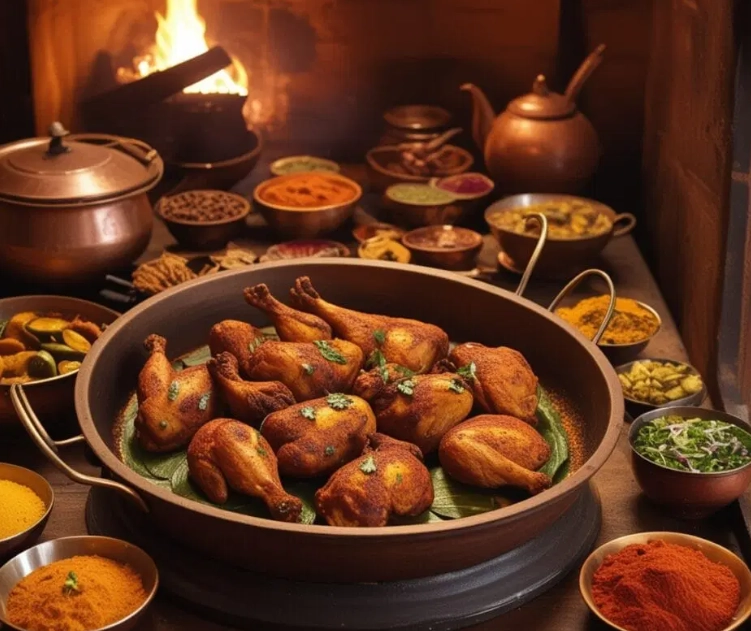
My Personal Blunder: I used to crank the heat to high to "cook things faster." All I did was burn my spices, creating a bitter, acrid taste that ruined the whole pot. Low and slow is almost always the rule when building your masala base. Patience is the most important ingredient you won't find in any store.
A Culinary Map of India: It's Not One Cuisine
This is a critical point. Asking for "traditional Indian cooking" is like asking for "traditional European food." It doesn't exist as a monolith. The diversity is breathtaking. To truly appreciate it, you need a quick regional tour. The Indian government's Incredible India tourism site has great cultural insights, but let's focus on the food maps.
| Region | Staple Foods | Signature Flavors & Ingredients | Must-Try Dish for Beginners |
|---|---|---|---|
| North (Punjab, Kashmir) | Wheat (Roti, Naan), Rice, Dairy (Yogurt, Paneer, Ghee) | Rich, creamy, tomato-onion based gravies, tandoori cooking, nuts like almonds & cashews, saffron. | Butter Chicken (Murgh Makhani) – yes, it's a classic for a reason. |
| South (Tamil Nadu, Kerala, Karnataka) | Rice, Lentils, Coconut | Coconut (oil, milk, grated), curry leaves, tamarind, black pepper, mustard seeds, rice-based pancakes & crepes (Dosa). | Vegetable Sambar (a tangy lentil & vegetable stew) with Coconut Chutney. |
| East (West Bengal, Odisha) | Rice, Fish, Mustard | Mustard oil & seeds, poppy seeds, panch phoron (a 5-seed blend), subtle sweetness, focus on freshwater fish. | Maachher Jhol (a light, flavorful Bengali fish curry). |
| West (Gujarat, Maharashtra, Rajasthan) | Varied: Millet, Wheat, Legumes | Peanuts, sesame, jaggery (unrefined cane sugar), kokum (a souring fruit), dhokla (steamed snacks). Gujarat is predominantly vegetarian & often sweet-sour. | Dal Dhokli (a Gujarati one-pot of spiced lentils with wheat dumplings). |
See what I mean? The ingredients and flavor profiles shift dramatically. A Bengali cook would rarely use coconut milk, while a Keralite might use it daily. A Punjabi dish is unthinkable without ghee, while in Bengal, mustard oil reigns supreme. This regionality is what keeps traditional Indian cooking endlessly fascinating. You could spend a lifetime exploring just one region's repertoire.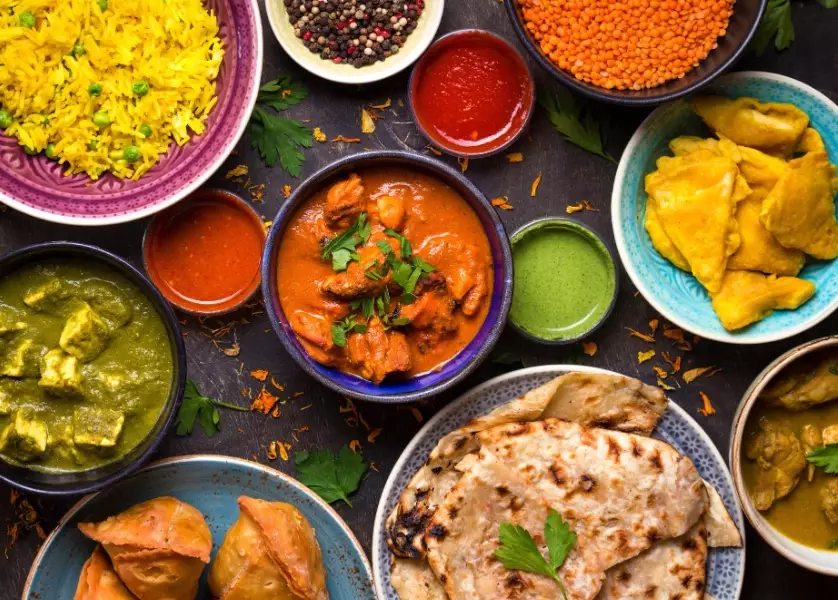
When you cook a South Indian dish, you're not just following a recipe; you're tasting the coconut groves and backwaters. When you make a Kashmiri rogan josh, you're feeling the cool mountain air. That's the magic.
Bringing Tradition to Your Kitchen: A Practical Roadmap
Enough theory. Let's get practical. How do you actually start cooking this stuff at home without having a panic attack? Follow this ladder. Don't try to make a biryani on day one.
Your First Week: Master the Dal
Dal (lentil stew) is the ultimate beginner-friendly, forgiving, and soul-satisfying dish. It's the staple of daily Indian meals. Pick a simple yellow dal (like *masoor dal* or *toor dal*). The process is a perfect microcosm of the techniques: make a tadka, cook the lentils, combine, maybe do a finishing tadka. It teaches you about spice timing, consistency, and balance. Serve it with rice or a simple roti. The BBC's Food recipe collection often has reliable, well-tested dal recipes from noted chefs.
Your First Month: Conquer a Dry Vegetable Dish
Move on to a "sabzi"—a dry-ish spiced vegetable dish. Aloo Gobi (potatoes and cauliflower) or Bhindi Masala (okra) are classics. These dishes focus on the bhuno technique—cooking down the spices and vegetables without a lot of sauce. They're quicker than curries and help you understand how to cook vegetables while keeping their texture.
Common Pitfalls (And How to Avoid Them)
- Raw Spice Taste: Your curry tastes dusty or harsh. Solution: You didn't cook the spice powder enough in the masala. After adding ground spices like coriander and turmeric to your onion mixture, cook for at least 2-3 minutes, stirring constantly, until the raw smell disappears and it becomes fragrant.
- Watery Curry: The sauce is thin and separates from the oil. Solution: You didn't bhuno long enough, or you added too much water. Let it simmer uncovered to reduce, or next time, cook your onion-tomato paste until it truly becomes a thick paste and releases oil.
- Burnt Spices: Bitter, acrid taste. Solution: Your heat was too high during tadka or bhuno. Medium-low is your friend. Also, if adding spice powders to a dry pan, toast them for mere seconds—just until fragrant.
I still mess up sometimes. Just last week, I got distracted and burned my cumin seeds. I had to start the tadka over. It happens. The key is to taste as you go and don't be afraid to adjust.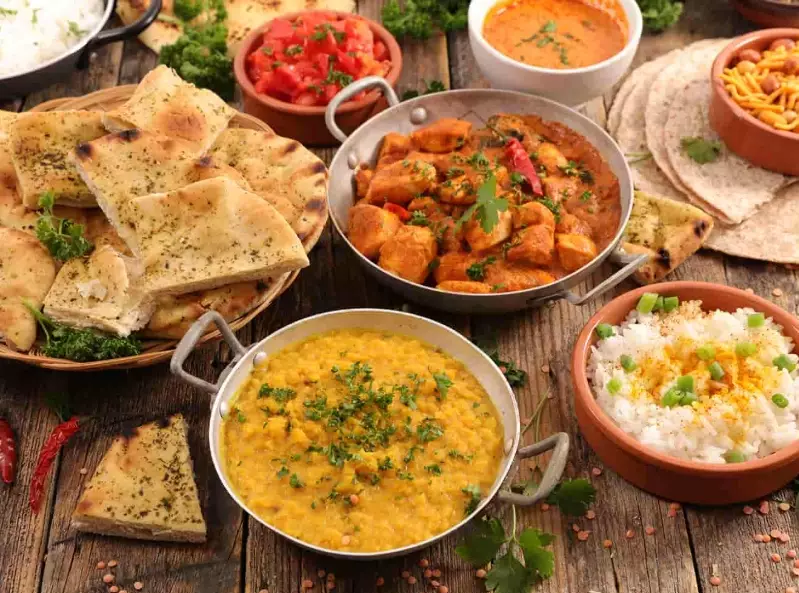
The Modern Table: Tradition Meets Today's Kitchen
Traditional Indian cooking is not a museum piece. It's alive and adapts. Yes, the classic methods are timeless, but modern cooks have found smart adaptations.
The Instant Pot/ Pressure Cooker: A godsend for lentils, beans, and tough cuts of meat. A dish like rajma (kidney bean curry) that used to take hours of soaking and simmering can be done in under an hour. The key is to use the sauté function to do your tadka and bhuno first, *then* pressure cook. Don't just dump everything in raw.
Meal Prepping the Smart Way: Instead of making full dishes, prep your building blocks. On weekends, I often make a big batch of ginger-garlic paste (fresh, not store-bought!), chop and freeze curry leaves, and even prepare and freeze base gravies (onion-tomato masala) in portions. This cuts weekday cooking time in half while keeping flavors authentic.
The Vegetarian & Vegan Edge: Indian cuisine has a powerhouse vegetarian tradition rooted in millennia, not trends. Dishes are naturally built around lentils, legumes, vegetables, and grains. For vegan adaptations, coconut milk or cashew cream are brilliant substitutes for dairy cream, and oil can replace ghee (though the flavor will differ).
Your Questions Answered: Clearing the Fog
Let's tackle some of the most common questions I get, the ones that pop up in forums and search bars all the time.
Look, diving into traditional Indian cooking is a journey. You won't master it in a day. You might burn a tadka, oversalt a dal, or undercook your bhuno. I've done all that. But each "mistake" teaches you something. You start to recognize the sound of cumin seeds perfectly popped, the smell of ginger-garlic paste when it's lost its raw edge, the look of oil separating from a perfectly cooked masala.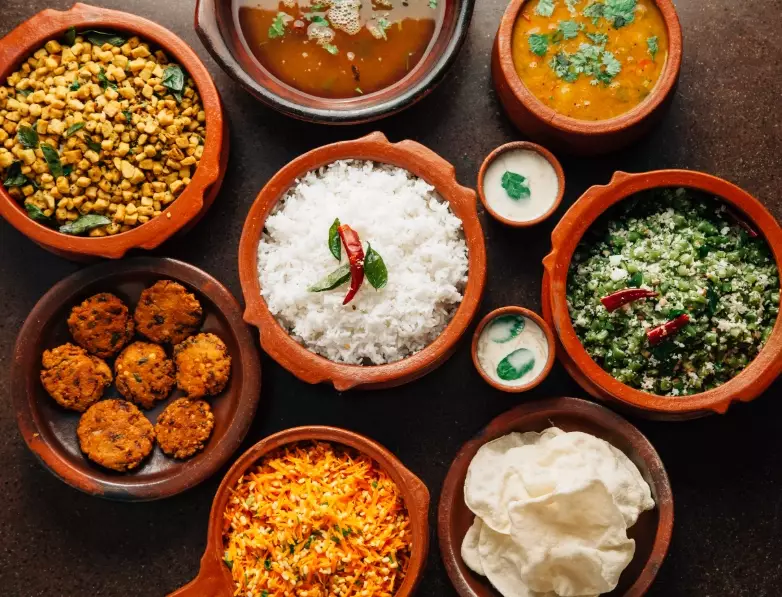
It starts to feel less like following a foreign script and more like speaking a new, delicious language. You begin to improvise—adding a handful of spinach to your dal, using sweet potato instead of regular potato. That's when you know you're not just replicating; you're participating in a living tradition. And the best part? The reward is a pot of something incredibly flavorful, nourishing, and made entirely by you. So grab your masala dabba, take a deep breath, and start with one pot of dal. Your kitchen is about to smell amazing.
Discussion