Let's be honest. Most Indian snack recipes look amazing in pictures but feel impossible to recreate. The instructions skip over the tiny details that make or break the dish. I remember my first attempt at samosas—the filling was delicious, but the pastry was a sad, greasy mess. It took me years of trial, error, and chatting with home cooks to figure out the real secrets.
This isn't just another list of recipes. It's a breakdown of three iconic vegetarian Indian snacks, focusing on the technique most blogs gloss over. We're going deep on the 'why' behind each step.
Your Quick Guide to Indian Veg Snacks
How to Make Perfect Veg Samosas (That Stay Crispy)
The samosa is the king of Indian snacks. A crispy, golden pyramid hiding a spiced potato and pea filling. The challenge is the pastry—getting it flaky, not tough, and crisp, not soggy.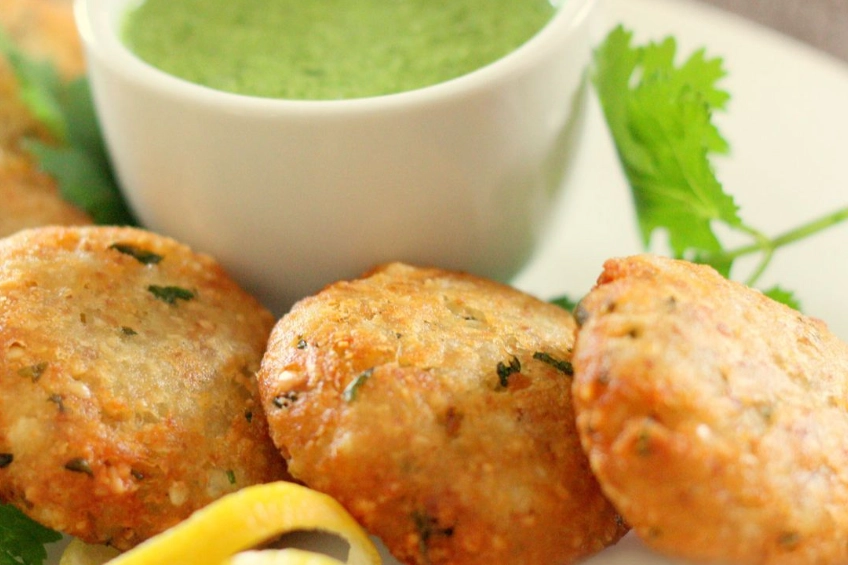
The Spiced Potato Filling
This part is forgiving. Boil and mash 3 large potatoes. Heat 2 tbsp oil, add 1 tsp cumin seeds, 2 chopped green chilies, and a pinch of asafoetida (hing). Fry for 30 seconds, then add 1 cup frozen peas, 1 tsp coriander powder, 1/2 tsp garam masala, 1/4 tsp amchur (dry mango powder) for tang, and salt. Cook for 2 minutes, mix in the potatoes, and let it cool completely. Cool filling is non-negotiable—warm filling steams the pastry from inside.
Now, the real test: the dough.
| Ingredient | Quantity | Role & Why It Matters |
|---|---|---|
| All-purpose flour (maida) | 2 cups | Provides structure. Some use part whole wheat, but for classic flakiness, stick to maida. |
| Ghee or neutral oil | 1/4 cup | The key to flakiness. Rubbing fat into flour creates layers. Ghee adds flavor, oil is easier. |
| Carom seeds (ajwain) | 1 tsp | Adds a subtle thymol flavor that cuts through the richness and aids digestion. |
| Salt | 1 tsp | Seasoning for the pastry itself. |
| Water | ~1/2 cup (cold) | Binds the dough. Use ice-cold water to keep the fat from melting. |
Mix flour, carom seeds, and salt. Add the ghee/oil. Use your fingertips to rub it in until the mixture resembles coarse breadcrumbs. This takes 3-4 minutes. Drizzle in cold water, a little at a time, until the dough just comes together. It will look shaggy, not smooth. Knead lightly for a minute, then cover with a damp cloth and let it rest for 30 minutes minimum. This rest relaxes the gluten, making the dough pliable and preventing shrinkage when you roll it.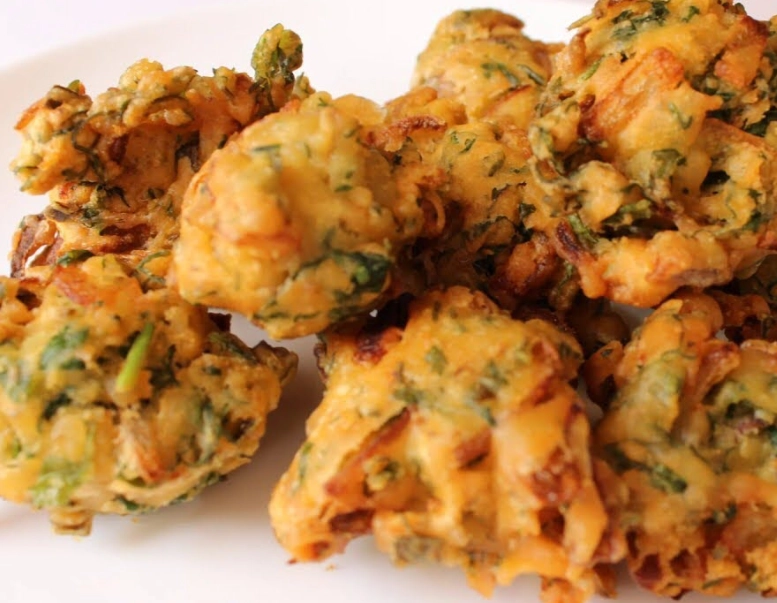
Folding and Frying: The Final Hurdle
Divide the dough into 6 balls. Roll each into a thin oval, about 6-7 inches long. Cut it in half vertically. Take one half, run a wet finger along the straight cut edge, and form it into a cone. Seal the seam. Fill the cone with 1.5 tbsp of cooled filling, leaving a 1/4-inch gap at the top. Wet the open edges, press to seal, and crimp with a fork. Repeat.
Now, the fry. Use a neutral oil with a high smoke point (like sunflower or peanut). The temperature is everything. If you drop a small piece of dough in, it should sizzle and rise to the surface slowly, not immediately. That's around 160-170°C (320-340°F). Fry 4-5 samosas at a time, turning occasionally, for 6-8 minutes until pale golden. Remove and drain.
Here's the secret most miss: double fry. Just before serving, heat the oil to 190°C (375°F). Refry the samosas for 45-60 seconds until deep golden and blistered. This makes them impossibly crisp and keeps them that way longer.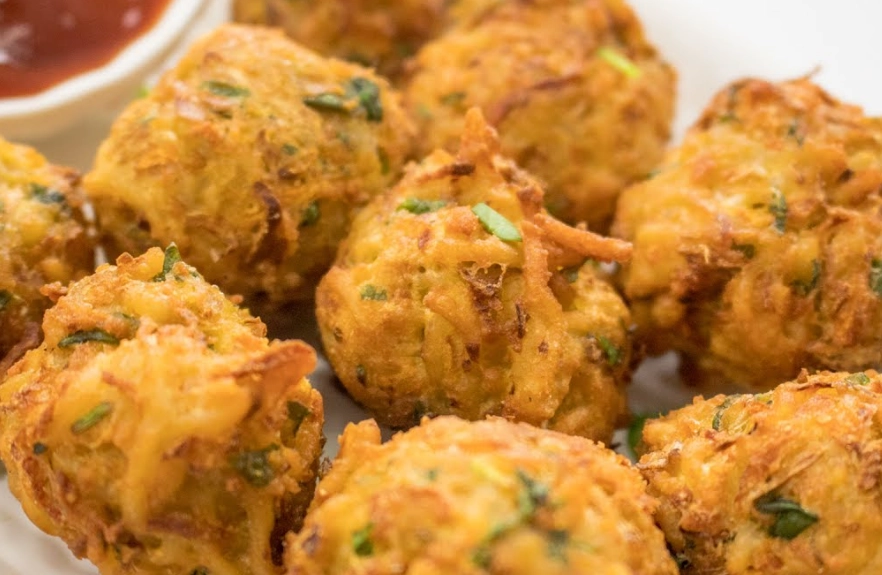
Mastering Homemade Pani Puri (Gol Gappa)
Pani Puri is an explosion of flavor—a crisp hollow puri filled with spiced potato, chickpeas, and tangy tamarind water. It's a street food icon that seems complex but is just an assembly of parts.
Let's tackle the hardest part first: the puri shells. Honestly, making them from semolina dough is a project. For your first few attempts, I strongly recommend buying good-quality ready-made puris. Look for them in Indian grocery stores; they're usually labeled "Gol Gappa Puris" or "Pani Puri Shells." This lets you focus on the flavors.
The magic is in the two waters: the spicy mint-coriander pani and the sweet-sour tamarind chutney.
Spicy Mint-Coriander Water (Hari Pani)
Blend: 1 cup tightly packed coriander leaves, 1/2 cup mint leaves, 2 green chilies, 1-inch ginger, 1 tbsp roasted cumin powder, 1 tbsp boondi (for texture), 1 tsp black salt, 1/2 tsp regular salt, 1 tbsp tamarind paste, and a pinch of asafoetida. Add 1.5 cups water and blend. Strain through a fine sieve. Add another 1.5-2 cups water to dilute. Chill for at least 2 hours. The flavor deepens over time.
The filling is simple: mashed boiled potato mixed with boiled chickpeas, a pinch of red chili powder, chaat masala, and salt.
Assembly is the fun part. Gently tap the top of a puri to make a hole. Fill with a teaspoon of the potato mix, a few boondi, a drizzle of tamarind chutney, and then top it off with the chilled spicy water. Pop the whole thing in your mouth immediately. The contrast of crisp, cool, spicy, and sweet is unreal.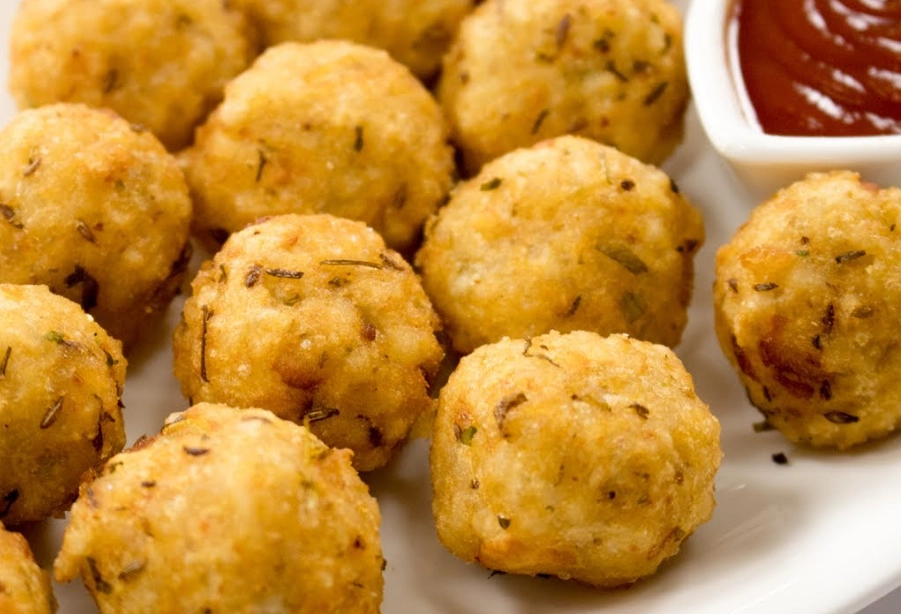
The Crispy Rice Flour Snack Everyone Forgets: Masala Murmura (Spicy Puffed Rice)
When you want something light, crunchy, and ready in 5 minutes, this is it. Puffed rice (murmura or kurmura) is a fantastic blank canvas. The trick is to use fresh, crisp murmura. If yours is stale, spread it on a baking tray and warm it in a low oven (120°C/250°F) for 5-7 minutes. Let it cool completely—it will crisp up.
Heat 2 tbsp oil in a large pan. Add 1 tsp mustard seeds, 1 tsp cumin seeds, 10-12 curry leaves, 2 dried red chilies, and a handful of raw peanuts. Fry until peanuts are lightly golden. Add 1/2 tsp turmeric powder and a pinch of asafoetida. Immediately throw in 4 cups of crisp puffed rice. Toss quickly on low heat for 2 minutes. Turn off the heat. Add 1 tsp red chili powder (or to taste), 1 tsp chaat masala, and salt. Toss again. Mix in finely chopped coriander and a squeeze of lemon.
That's it. It's the ultimate tea-time snack or a crunchy salad topper. Store in an airtight container, but it's best eaten the same day.
Common Mistakes & How to Fix Them Before You Start
Looking back at my own disasters, here are the pitfalls:
Soggy Fried Snacks: Oil temperature is wrong. Get a kitchen thermometer. If you don't have one, test with a small piece of dough. It should bubble actively but not burn instantly. Crowding the pan also drops the temperature—fry in batches.
Bland Flavors: Underseasoning and under-toasting spices. Dry roast whole spices like cumin and coriander seeds for 30 seconds before grinding. Don't be shy with salt, lemon, or chaat masala—they're meant to be bold.
Dough Troubles: If your samosa dough is cracking, it's too dry. Knead in a teaspoon of water or oil. If it's too sticky, dust with flour while rolling, but remember, a softer dough yields a more tender result after frying.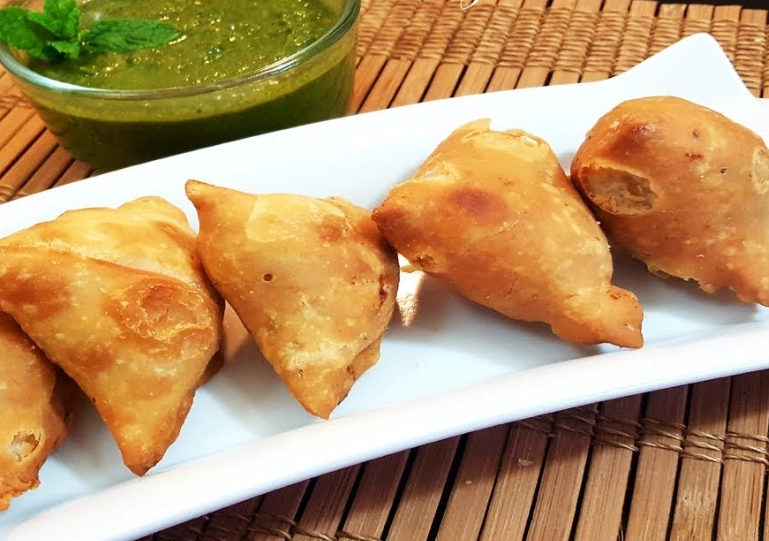
Discussion