You get home late, you're tired, and the thought of another boring bowl of grains and steamed veggies is just... depressing. You want something warm, flavorful, and actually filling. That's where Indian cooking comes in. It's not all heavy restaurant curries. Authentic home-style Indian food is a vegan's secret weapon, built on lentils, vegetables, and a symphony of spices that create depth without any animal products.
I learned this the hard way. My first attempt at veganizing a classic butter chicken sauce with just coconut milk was a watery, sweet disaster. It took me years of talking to home cooks and trial and error to figure out the swaps that work. The good news? You can skip my mistakes.
What's Inside This Guide
- The Foundation: What Makes Indian Food Naturally Vegan-Friendly
- Your 10-Minute Vegan Indian Pantry Makeover
- Recipe 1: 20-Minute Red Lentil & Spinach Dal (The Weeknight Hero)
- Recipe 2: Crispy Tofu Tikka Masala (The Crowd-Pleaser)
- Recipe 3: One-Pot Potato & Pea Curry (Aloo Matar)
- Pro Tips You Won't Find in Most Recipes
- Your Vegan Indian Cooking Questions, Answered
The Foundation: What Makes Indian Food Naturally Vegan-Friendly
Let's clear something up. A huge portion of traditional Indian cuisine, especially from regions like Gujarat and South India, is already lacto-vegetarian or can be easily adapted. Ghee (clarified butter) and yogurt (dahi) are common, but they're accents, not the main structure. The core is built on plants.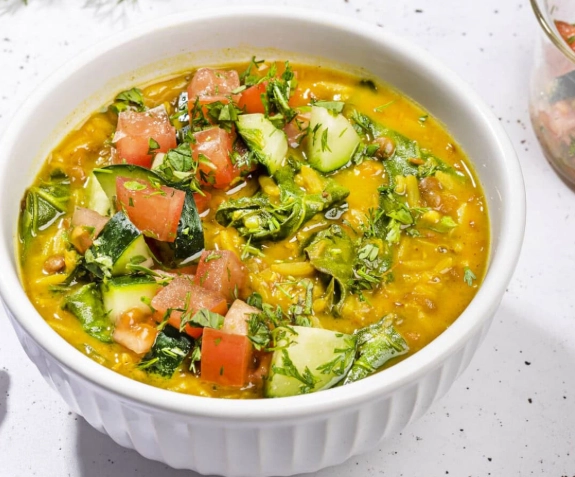
Think about it: dal (lentil stew) is a national staple. Chana masala is chickpeas. Aloo gobi is potatoes and cauliflower. The richness often comes from slowly cooked onions, tomatoes, and nuts—not cream. The trick isn't reinventing the wheel; it's knowing which wheels to use.
Your 10-Minute Vegan Indian Pantry Makeover
You don't need 50 spices. Start with these five core ones, which you can find in any supermarket's international aisle or online:
Cumin Seeds (Jeera): Earthy, nutty, the first thing that hits the oil in most recipes.
Coriander Powder (Dhania): Citrusy and sweet, the backbone of most curry powders.
Turmeric Powder (Haldi): Earthy, slightly bitter, gives that golden color.
Garam Masala: A warming blend (cinnamon, cardamom, cloves). Add at the END of cooking.
Red Chili Powder or Flakes: For heat. Kashmiri chili powder gives color without brutal heat.
For dairy substitutes, have a can of full-fat coconut milk for curries, and raw cashews (to soak and blend for creaminess). Vegan butter or a neutral oil like avocado oil works fine instead of ghee.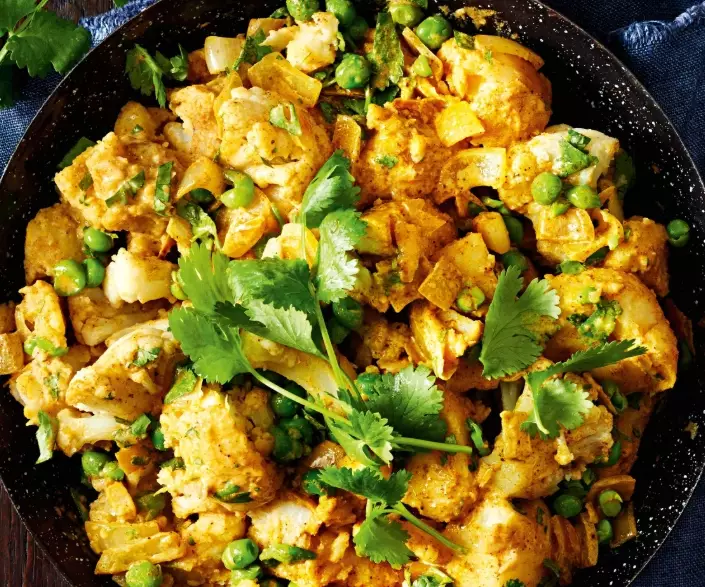
Recipe 1: 20-Minute Red Lentil & Spinach Dal (The Weeknight Hero)
Masoor Dal with Saag
Why it works: Red lentils (masoor dal) dissolve into a creamy texture on their own, no blending needed. It's forgiving, packed with protein, and cooks fast.
Ingredients:
1 cup red lentils, rinsed
3 cups water
1 tbsp coconut oil
1 tsp cumin seeds
1 onion, finely chopped
3 cloves garlic, minced
1 tbsp ginger, grated
1 large tomato, chopped
1 tsp turmeric
1.5 tsp coriander powder
1/2 tsp red chili powder (adjust)
3 big handfuls fresh spinach
Salt, lemon juice to finish
Method:
1. Cook the rinsed lentils in 3 cups of water for 15-18 minutes, skimming off any foam. They should be mushy.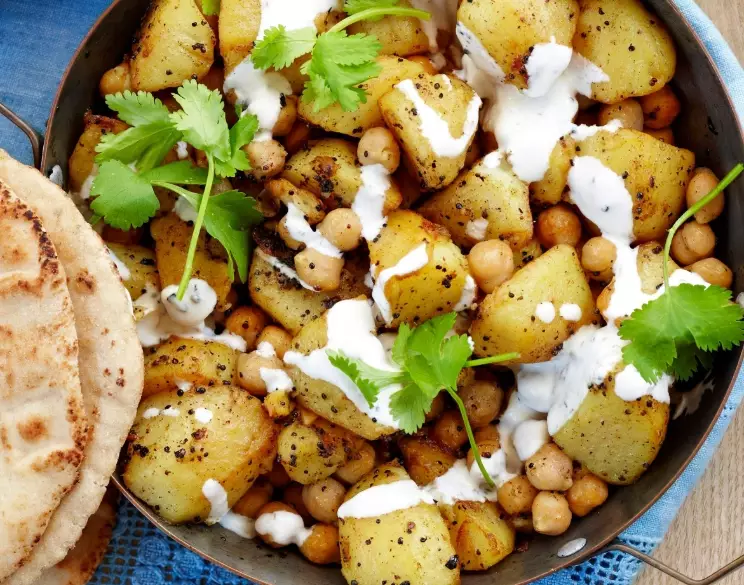
2. While they cook, heat the oil. Add cumin seeds—wait for them to sizzle. Add onion and cook until soft.
3. Add garlic, ginger, stir for 30 seconds. Add tomato and spices. Cook until the tomato breaks down, about 5 minutes.
4. Scrape this entire spice mixture (the "tadka") into the pot of cooked lentils. Stir well.
5. Add spinach, let it wilt. Season with salt. Finish with a big squeeze of lemon juice.
Serve with rice or a roti. That's it. The lemon at the end is not optional; it cuts through the earthiness.
Recipe 2: Crispy Tofu Tikka Masala (The Crowd-Pleaser)
Everyone knows chicken tikka masala. The vegan version often fails because the tofu is soggy. Here's the fix.
The Key: Treat Tofu Like Meat
You need extra-firm tofu, pressed for 20 minutes (wrap in towels, put a heavy pan on top). Tear it into chunks, don't cube it—ragged edges get crispier. Toss with 1 tbsp cornstarch, 1 tsp garam masala, and 1/2 tsp salt. Pan-fry in a non-stick skillet with a little oil until golden and crisp on all sides. Set aside. This step alone transforms the dish.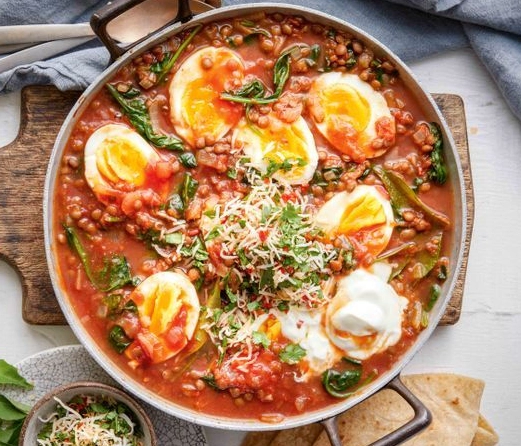
For the Sauce:
1 tbsp oil
1 onion, pureed or very finely chopped
1 tbsp ginger-garlic paste
1.5 tsp paprika (for color)
1.5 tsp ground cumin
1.5 tsp ground coriander
1 cup tomato puree (passata)
1/2 cup raw cashews, soaked in hot water for 20 mins
1 cup water
1 tsp dried fenugreek leaves (kasoori methi)—this is the magic
Method:
1. Cook the onion puree in oil until it turns a light golden color. This takes time (8-10 mins) but builds sweetness.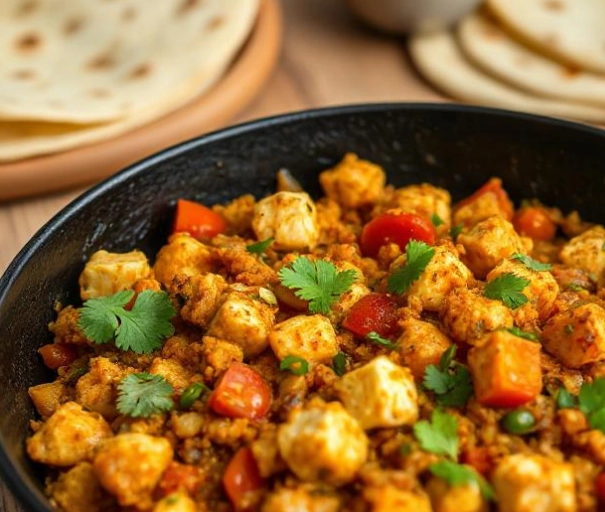
2. Add ginger-garlic paste, cook for 1 minute. Add the dry spices (paprika, cumin, coriander) and stir for 30 seconds.
3. Add tomato puree, simmer for 5 minutes.
4. Drain the cashews. Blend them with 1 cup of water until completely smooth.
5. Add this cashew cream to the tomato sauce. Simmer for 5-7 minutes until thickened.
6. Crumble in the dried fenugreek leaves. Stir in the crispy tofu. Heat through.
The cashew cream is neutral and rich. The fenugreek leaves add that distinct, slightly bitter restaurant-style flavor. Trust me.
Recipe 3: One-Pot Potato & Pea Curry (Aloo Matar)
This is comfort food. No fancy techniques, just humble ingredients that sing.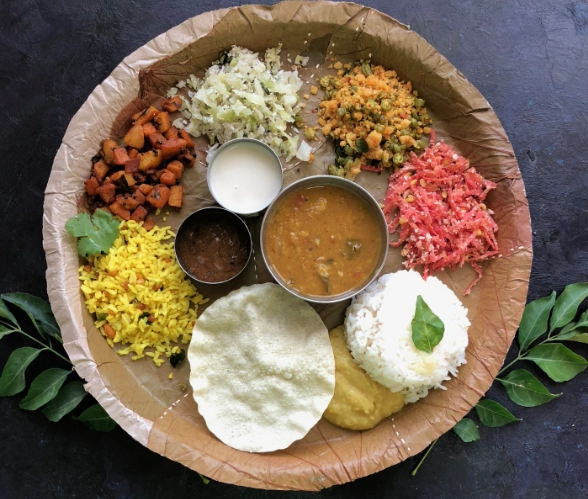
Simple & Satisfying Aloo Matar
Ingredients:
2 tbsp oil
1 tsp cumin seeds
1 bay leaf
1 onion, chopped
2 medium potatoes, cubed
1 cup green peas (frozen is fine)
1 tsp ginger, grated
1 green chili, slit (optional)
1/2 tsp turmeric
1 tsp coriander powder
1/2 tsp amchur (dried mango powder) OR juice of 1/2 lemon
Fresh cilantro
Method:
1. Heat oil. Add cumin and bay leaf until they sizzle.
2. Add onion, cook until translucent. Add potatoes, stir to coat. Cook for 5 minutes.
3. Add ginger, green chili, turmeric, coriander. Stir for a minute.
4. Add 1/2 cup water, cover, and simmer until potatoes are tender (15-20 mins). Add peas in the last 5 minutes.
5. Once cooked, sprinkle amchur or lemon juice. Garnish with cilantro.
This is a dry curry. Eat it with rotis you warm on a skillet. The amchur gives a tangy punch that's different from lemon—if you get into this, buy a small bag.
Pro Tips You Won't Find in Most Recipes
These are the little things that separate okay food from great food.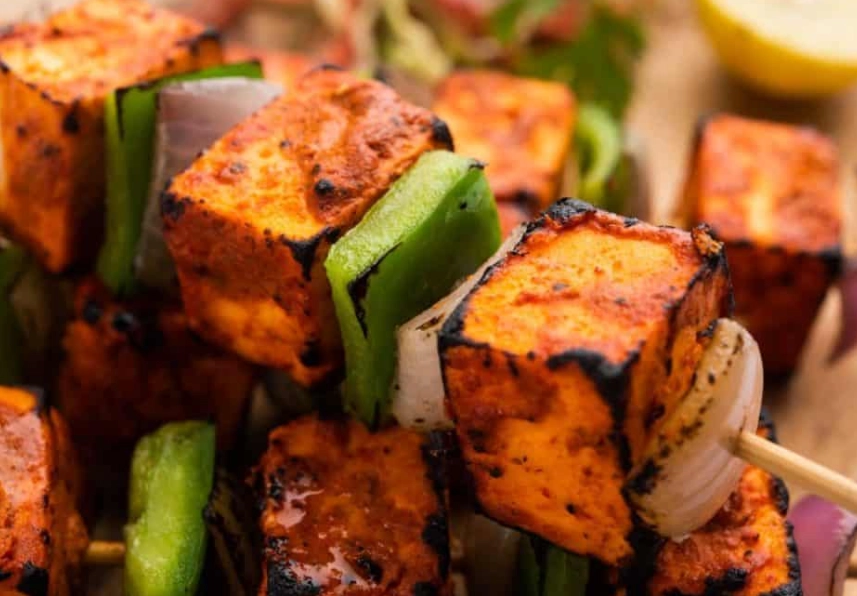
The Onion Rule: The longer you cook your onions at the start (until they're deeply golden, not just soft), the sweeter and more complex your base gravy will be. This is where flavor is built. Don't rush it.
Spice Order Matters. Whole seeds (cumin, mustard) go into hot oil first. Then you add pastes (ginger-garlic). Then ground spices (coriander, turmeric) go in for a quick toast BEFORE adding any wet ingredients like tomatoes. This wakes up their oils.
Garam Masala is a Finisher. Sprinkle it on at the very end, just before serving. Its volatile oils are delicate and cook off quickly. Adding it early makes it taste dusty.
Acid is Your Friend. A dish tastes flat? Add a squeeze of lemon or a pinch of amchur. It lifts everything.
Your Vegan Indian Cooking Questions, Answered
How do I make Indian vegan recipes creamy without dairy?
The secret is in using soaked and blended cashews or raw almonds. For a quarter cup of cashews, soak them in hot water for 20 minutes, then blend with a bit of fresh water until completely smooth. This creates a rich, neutral base that mimics cream. Full-fat coconut milk is another fantastic option, especially in curries like chana masala, but it will impart a slight coconut flavor. For a lighter touch, try unsweetened plant-based yogurts, but avoid flavored varieties.
What's the best protein source for a vegan Indian dinner?
Lentils (dal) are the undisputed champion. Red lentils cook in under 20 minutes, making them perfect for weeknights. Chickpeas (chana) are incredibly versatile for curries and salads. For a meatier texture, crumbled firm tofu or tempeh absorbs spices beautifully when pan-fried before adding to sauces. A common mistake is boiling tofu directly in the curry, which makes it spongy. Always pan-fry or bake it first to get a better texture.
Can I make a satisfying Indian vegan dinner in under 30 minutes?
Absolutely. Focus on one-pot dishes or pair a quick-cooking protein with a pre-made element. A Tadka Dal using red lentils is a 25-minute meal. Pair a can of chickpeas with a jar of good-quality curry paste (check for dairy) and simmer for 10 minutes. Keep frozen parathas or rotis on hand—they heat in minutes. The key is prep: have your ginger-garlic paste ready in the fridge and your spices within easy reach. Don't try to make three elaborate dishes; one stellar curry with rice or flatbread is enough.
My vegan Indian curry tastes flat. What am I missing?
You're likely under-toasting your spices or skimping on acid. Whole spices like cumin seeds or mustard seeds need to sizzle in hot oil until fragrant—this is called 'tadka' and it's non-negotiable for flavor depth. Ground spices like coriander and cumin benefit from a quick 30-second toast in the pan before adding liquids. Finally, finish the dish. A squeeze of fresh lemon juice or a teaspoon of amchur (dried mango powder) right before serving brightens all the other flavors dramatically. It's the difference between good and great.
The beauty of this approach is that once you get the basic framework—toast spices, build a base, add protein/veg, simmer, finish with acid—you can improvise endlessly. That bag of carrots in your fridge? Turn it into a carrot and pea curry. Those leftover boiled potatoes? Turn them into a quick potato masala for wraps.
It moves vegan dinner from being a restriction to being an exploration. And on a busy Tuesday night, that's a pretty good place to be.
Discussion