Let's be honest. Most advice on creating a street food menu list is painfully generic. "Offer variety!" "Keep it simple!" It's not wrong, but it's like telling a chef to "make it taste good." After a decade of obsessing over food carts from Bangkok to Brooklyn, I've seen brilliant menus fail and simple ones become legends. The difference isn't magic. It's a brutal, practical blueprint that most vendors ignore until they're stuck with unsold stock and a line that never forms.
Your menu is your first and most important salesperson. It works while you sleep. In the chaos of a busy market, it needs to communicate value, craveability, and speed in under 10 seconds. This isn't about listing dishes. It's about engineering a system for profit and flow.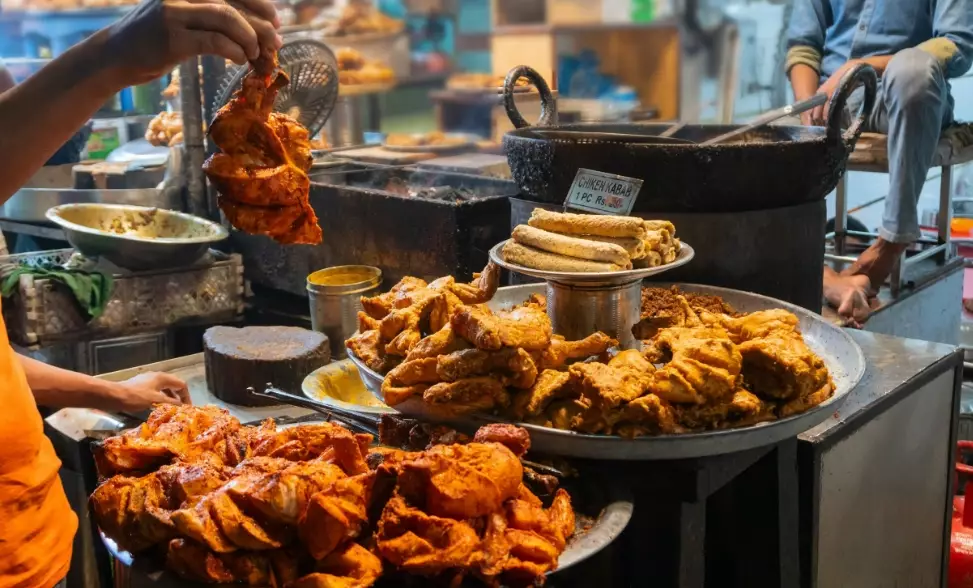
Your Menu Blueprint: Navigate This Guide
The Core Philosophy: Constraints Breed Creativity
The biggest mistake new vendors make? Treating their street food menu like a restaurant menu. Space is your enemy. Refrigeration is limited. You have maybe one or two burners. A menu with 15 items isn't ambitious; it's a recipe for mediocre food and slow service.
The best street food menus I've seen operate on a principle of radical focus. They do one thing, or one cuisine style, exceptionally well. Think of the famous Jay Fai in Bangkok—her crab omelet is the star, supported by a handful of other wok-fired classics. Her "menu" is essentially her reputation.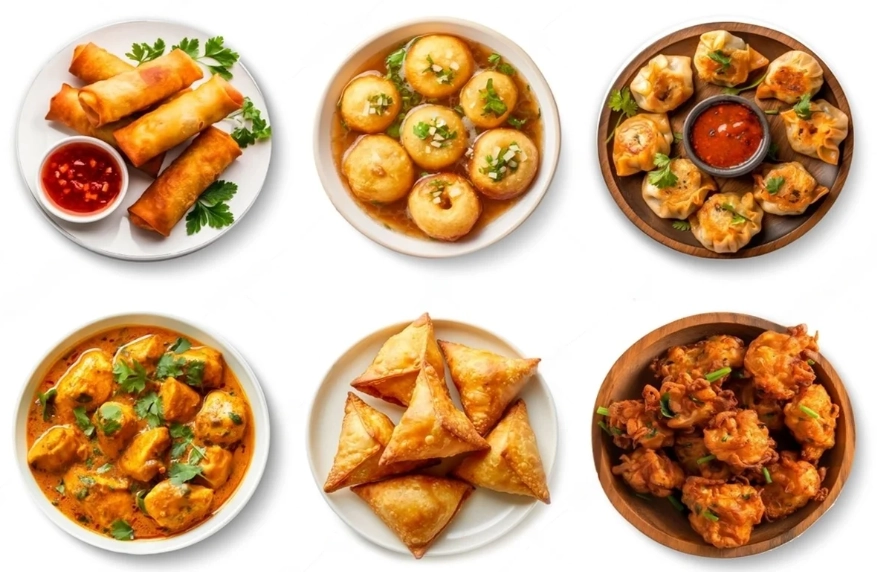
I watched a taco truck in Austin add a burger to their menu because "people might want it." Their taco quality dipped as focus split, prep got messy, and wait times increased. They removed the burger two months later, but not before losing regulars.
Anatomy of a Winning Street Food Menu List
So what actually goes on the board? It's a strategic assembly, not a random collection. A balanced street food menu list typically has these four pillars:
1. The Signature Hero
This is the one item you're known for. The must-try. It should be photogenic, deeply flavorful, and tell a story. Example: A perfectly charred, juice-dripping Al Pastor taco with pineapple, from a vertical spit. This is your headline act.
2. The Reliable Sidekick
Something simple, shareable, and often crunchy/fried that complements the hero. It's for people who want a snack or to build a meal. Example: A cone of perfectly seasoned curly fries or elote (Mexican street corn). This item often has a high-profit margin.
3. The Silent Savior (The Veggie Option)
Even if you're a meat-centric stall, you need one solid vegetarian item. It's not just for vegetarians; it's for groups where one person doesn't eat meat. It dramatically widens your customer base. Example: A spicy falafel wrap or a grilled halloumi sandwich. Make it good enough to stand on its own.
4. The Thirst Quencher
A simple, non-alcoholic drink that pairs perfectly with your food. It should be easy to assemble and have a high markup. Think beyond soda. Example: Fresh limeade, hibiscus iced tea (agua de jamaica), or a ginger beer.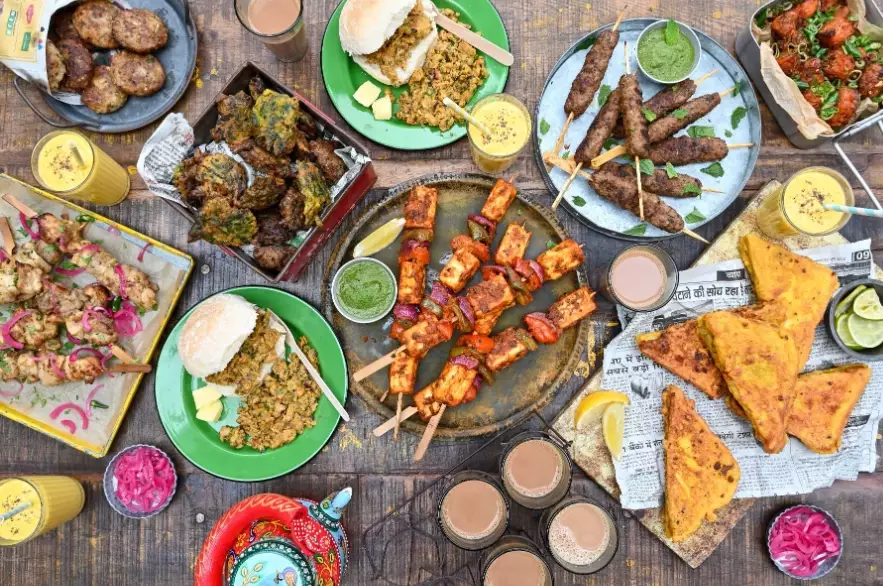
Here’s how this anatomy might translate for two different concepts:
| Menu Pillar | Thai Street Food Stall Concept | NYC Halal Cart Concept |
|---|---|---|
| Signature Hero | Pad Thai (with choice of protein) | Chicken & Rice Platter (with white sauce) |
| Reliable Sidekick | Spring Rolls (2 pcs) | Falafel (4 pcs) |
| Silent Savior | Tofu & Veggie Stir-fry | Falafel Platter (over rice) |
| Thirst Quencher | Thai Iced Tea | Can of Soda / Water |
The Real Math: Pricing for Profit, Not Just Popularity
Pricing street food is a psychological game as much as an accounting one. You're not just covering costs; you're signaling value.
First, know your numbers cold. Cost out every ingredient in your signature dish to the penny. Don't guess. If your hero taco costs $1.80 to make, you cannot sell it for $3.00 and expect to survive after factoring in labor, fuel, cart fees, and waste. A common target food cost percentage for successful operations is between 25-35%. So that $1.80 taco should be priced at a minimum of $5.00-$7.00.
The Combo is King. This is the most powerful tool on your street food menu list. Bundle your hero with a sidekick and a drink for a price that feels like a deal. Example: Taco ($6) + Fries ($4) + Drink ($3) = $13 if bought separately. Offer a "Combo Deal" for $10.95. The customer feels smart, you increase your average order value, and you move more of your high-margin drinks and sides.
Display is everything. Use a clean, readable menu board. Highlight your hero item. Use the combo deal as a visual anchor. According to a QSRI magazine report on quick-service trends, clear menu signage directly influences purchase decisions and speed of service.
I once asked a vendor in Singapore why his satay combo was so successful. He said, "People see one price for everything. No thinking. In the heat, thinking is the enemy."
Beyond the Basics: Pro Moves to Elevate Your Menu
Once the core is solid, these touches can set you apart.
- Seasonal Specials: One extra item that changes weekly or monthly. "Mango Sticky Rice" in summer, "Spiced Hot Chocolate" in winter. It gives regulars a reason to come back and creates buzz.
- The "Secret" Item: Not on the main board, but regulars know to ask for it. Maybe it's a spicier version of your sauce or a special topping. It builds community and makes customers feel like insiders.
- Source with a Story: If you use a local farm's cheese or a specific regional chili, say so briefly on the menu. "Featuring peppers from Hatch, NM" or "Local Greens from Smith Farm." It justifies a slightly higher price and appeals to food-conscious customers.
- Hygiene as a Selling Point: This is a major user pain point. Subtly signal cleanliness. Phrases like "Gloves Changed Frequently" or visuals of a tidy prep area on your social media build immense trust. The World Health Organization emphasizes clean street food as critical for public health, and customers are aware of this.
Street Food Menu FAQs (The Questions Vendors Actually Have)
 Your street food menu list isn't a static document. It's a living, breathing part of your operation. It starts with ruthless focus, is built on solid financial math, and is polished with touches that create fans, not just customers. Watch how people read it. Listen to their questions. The menu is talking to them. Make sure it's saying the right things.
Discussion