Ask "what are the ingredients in kebabs?" and you're opening a door to a world of flavor. It's like asking what's in a sandwich—the answer depends entirely on where you are and who's making it. A kebab isn't one single dish; it's a global family of grilled meats and vegetables, each with its own personality. The core idea is simple: stuff on a stick, cooked over fire. But the magic is in the details—the cut of meat, the overnight marinade, the specific blend of spices, the bread it's served in. I've spent years grilling, eating, and frankly, messing up enough kebabs to learn what truly matters. Let's move past the basic list and dig into what makes each component essential, how they work together, and how you can use this knowledge to make incredible kebabs at home.
What You'll Find in This Guide
The Heart of the Matter: Meat & Marinade
This is where the journey begins. The meat defines the kebab. A common mistake is thinking any cubed meat will do. The cut, fat content, and preparation are everything.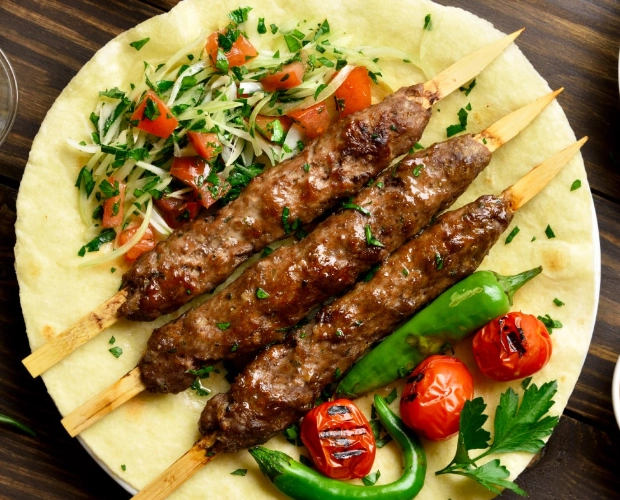
Choosing Your Meat: It's More Than Just Protein
Lamb is the classic, especially for dishes like shish kebab. Shoulder or leg cuts are ideal because they have a good amount of intramuscular fat (marbling) that keeps the meat juicy during the high heat of grilling. Lean leg meat alone can get dry. Chicken is hugely popular for its mild flavor and quicker cooking time. Thighs are almost always better than breast—they're more forgiving and stay moist. For beef, sirloin or tenderloin works well, but again, a little fat is your friend. Doner kebab meat is a league of its own—typically a seasoned mix of ground lamb and/or beef, pressed into a large cone and roasted vertically.
The Marinade: Where Science Meets Flavor
The marinade has three jobs: tenderize, flavor, and moisturize. A basic formula has an acid (like lemon juice, yogurt, vinegar), oil, and aromatics (herbs, spices, garlic, onion).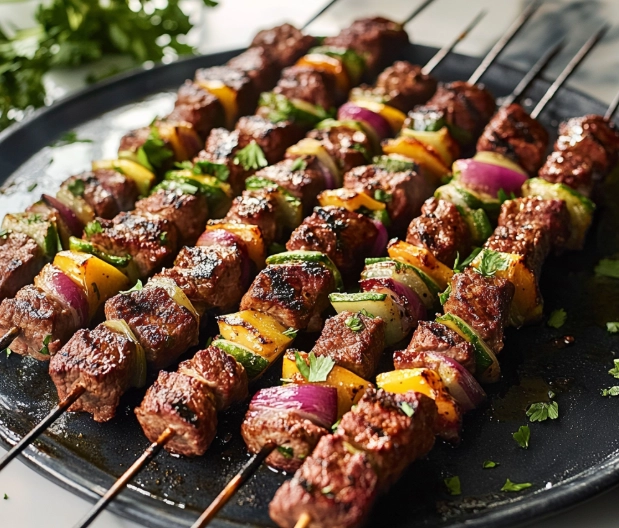
- Yogurt-based marinades (common in Turkish and Persian cuisines) are brilliant. The lactic acid tenderizes gently without "cooking" the surface like strong citrus can, and the yogurt forms a delicious crust. A simple one: full-fat yogurt, grated onion, a squeeze of lemon, olive oil, salt, pepper, and a tablespoon of paprika.
- Oil-and-herb marinades (more common in Mediterranean styles) focus on flavor penetration. Think olive oil, lemon zest (not just juice for less acidity), loads of chopped rosemary or oregano, garlic, salt, and pepper.
- The spice blend is your signature. Cumin and coriander provide earthy warmth. Smoked or sweet paprika adds color and depth. A pinch of cinnamon or allspice can be amazing in lamb marinades. For a kick, add chili flakes or a touch of harissa paste.
Time matters. Chicken and beef benefit from 2-4 hours. Lamb can handle and truly absorb flavors overnight. Don't just mix and throw on the grill in 30 minutes—the difference is night and day.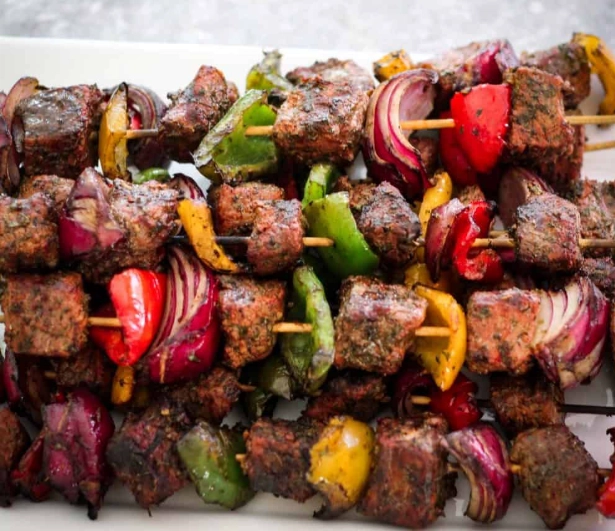
Beyond the Meat: Veggies & Accompaniments
Kebabs are rarely just meat. Vegetables add color, texture, sweetness, and make the meal feel complete. They also solve the practical problem of what to put between meat pieces on a skewer.
Onions (red or white) are non-negotiable. They caramelize and sweeten over the fire. Bell peppers in various colors are classic for their crunch and sweetness. Cherry tomatoes burst with juicy acidity. Mushrooms soak up marinade and meat juices. Zucchini or eggplant slices work well, especially if given a light salting beforehand to draw out moisture.
The trick is cutting them to the right size so they cook evenly with the meat. Peppers and onions should be in chunks roughly the same width as your meat cubes. Soak wooden skewers for at least 30 minutes to prevent burning. And when threading, don't pack the ingredients too tightly; allow a little space for heat to circulate, ensuring everything cooks properly.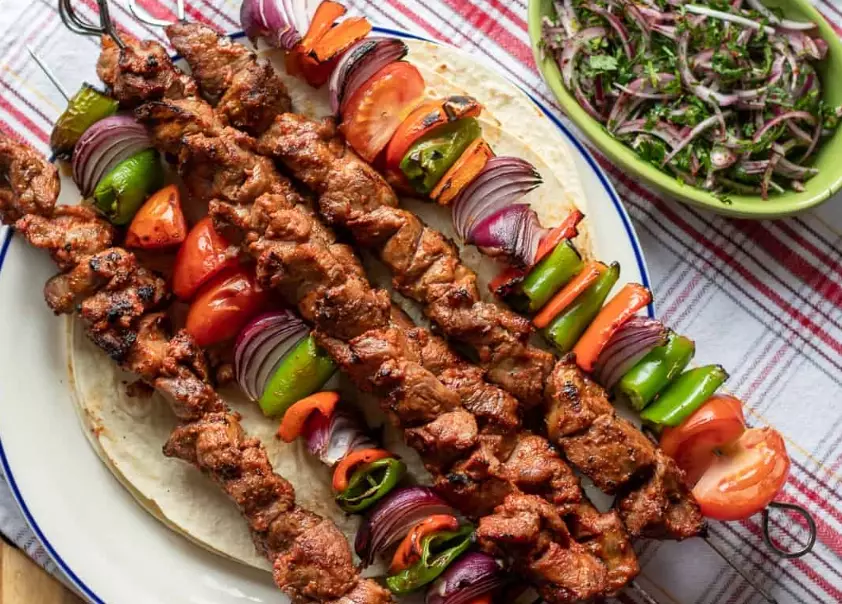
The Final Act: Bread, Sauces & Wraps
This is what turns grilled items on a stick into a meal. The vehicle matters.
Bread: In Turkey, you'll often find shish kebabs served with fluffy pide (a slightly chewy flatbread) or simple rice. In the Middle East, lavash or pita is used to wrap the meat and veggies. A proper Greek gyro is served in a thicker, softer pita. In many European takeaway spots, the doner kebab lands in a doughy, sometimes toasted, flatbread.
Sauces & Condiments: This is where personality shines. Tzatziki (yogurt, cucumber, garlic, dill) is the cool, creamy counterpart to smoky grilled meat. Tahini sauce (sesame paste, lemon, garlic, water) is nutty and rich. A simple chili sauce or garlic mayo is common in fast-food kebab shops. In Persian cuisine, you'll often have a plate of fresh herbs (sabzi), raw onions, and grilled tomatoes on the side. Don't underestimate the power of a squeeze of fresh lemon juice right before eating—it brightens every flavor.
A World of Kebabs: Key Regional Variations
To really understand kebab ingredients, you need to see how they combine in different cultures. Here's a quick tour.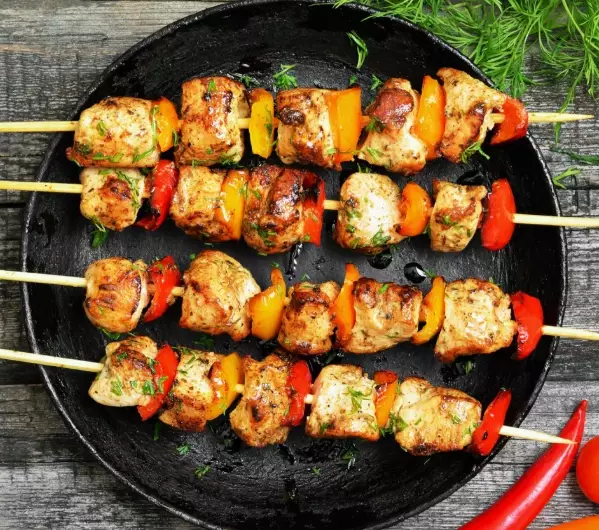
| Kebab Name | Region | Core Meat & Ingredients | Key Marinade/Seasoning | Served With |
|---|---|---|---|---|
| Shish Kebab | Turkey, Middle East | Cubed lamb, beef, or chicken with onions, peppers. | Olive oil, onion, paprika, black pepper. | Rice, grilled tomatoes, pide bread. |
| Koobideh | Iran (Persia) | Ground lamb or beef, grated onion, formed on wide skewers. | Salt, pepper, turmeric, sometimes sumac. | Persian rice (chelo), grilled tomato, raw onion, sumac. |
| Souvlaki | Greece | Pork, chicken, or lamb cubes. | Olive oil, lemon juice, oregano, garlic. | Pita, tzatziki, tomato, onion, sometimes fries inside! |
| Shashlik | Russia, Caucasus, Central Asia | Often pork or lamb, with onions. | A sharp vinegar-onion marinade, often for tenderizing. | Lavash bread, adjika (spicy sauce), fresh herbs. |
| Doner Kebab | Turkey (origin), global fast food | Layers of seasoned, spiced ground meat (lamb/beef/chicken mix) cooked on a vertical rotisserie. | Spice mix can include cumin, coriander, paprika, garlic powder, onion powder. | Shaved into flatbread or pita with salad, onions, and sauces (chili & garlic). |
| Seekh Kebab | South Asia (India, Pakistan) | Finely minced lamb or chicken, ginger, garlic, herbs. | Garam masala, chili, cilantro, mint. | Mint chutney, onion rings, naan or paratha. |
Notice the patterns? Onion appears almost universally, either in the marinade or on the skewer. The fat content is crucial. The spices change the geography. The bread and sauce define the eating experience.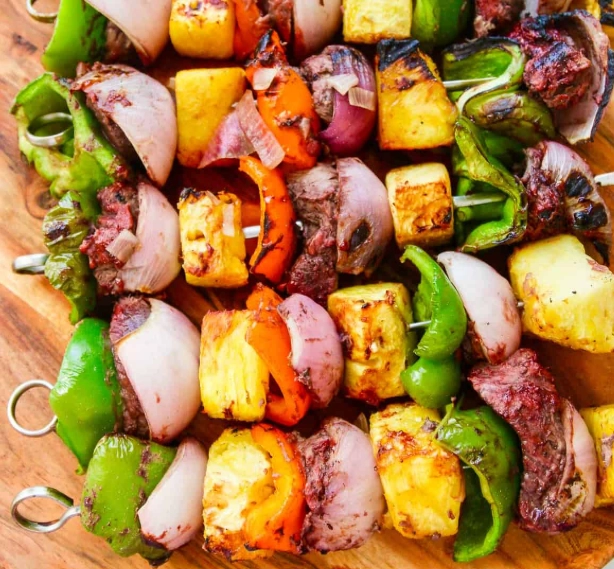
Your Kebab Questions, Answered
Can I use lean meat like chicken breast or filet mignon for kebabs?
You can, but you're working without a safety net. These cuts have very little fat, so they go from juicy to dry in a matter of seconds on the grill. If you insist on using them, your marinade must contain oil and an element like yogurt to coat and protect. Cut them slightly larger than you would fattier meat, and cook them to just-done, not a moment longer. Honestly, I'd recommend saving the filet for another dish and using chicken thighs or a well-marbled piece of sirloin for kebabs.
What's the single biggest mistake people make when preparing kebab ingredients at home?
Rushing the marinating process. Throwing meat in a marinade for 20 minutes while you heat the grill is practically useless. The flavors don't penetrate. For real results, you need at least 2 hours, and 4-12 hours is ideal. Plan ahead. Mix your marinade in the morning for dinner, or even the night before. The other mistake is cutting vegetables too small—they fall through the grill grates or burn before the meat is done.
What's the best wood or charcoal for an authentic kebab flavor?
For that classic smoky flavor, lump charcoal is superior to briquettes. It burns hotter and cleaner. If you can find it, adding a few chunks of hardwood like oak, grapevine, or even apricot wood (common in parts of the Middle East) imparts a fantastic, subtle aroma. Avoid resinous woods like pine. The key is getting a good bed of hot coals, not flaming fire. Let the charcoal burn until it's covered in white-gray ash for even, controllable heat.
How do I prevent vegetables like peppers and onions from burning before the meat is cooked?
Two strategies. First, cut them larger than the meat cubes. A bigger chunk takes longer to char through. Second, consider using separate skewers for meat and vegetables. This gives you total control. You can pull the veggie skewers off a minute or two early. It's less traditional for a mixed shish kebab, but it guarantees everything is cooked perfectly. If you're set on one skewer, keep the veggies in the center, with meat at both ends, and use a medium-high heat zone, not inferno-level direct flame.
Are there authentic vegetarian kebab options?
Absolutely. "Kebab" refers more to the cooking method than the ingredient. Halloumi cheese is fantastic grilled—it holds its shape and gets delicious grill marks. Marinated large mushrooms (like portobello), thick slices of cauliflower steaks, or firm tofu pressed and cubed work well. For a ground "kofta" style, you can make incredible kebabs from a mix of mashed chickpeas or lentils, grated vegetables, breadcrumbs, and Middle Eastern spices. The same principles apply: a good marinade or spice mix, careful threading, and attentive grilling.
Discussion