Let's get straight to the point. That impossibly soft, slightly charred, and pillowy naan you get at a good Indian restaurant? You can make it at home. Forget the dense, dry versions that haunt many first attempts. The key isn't just a recipe; it's understanding the role of yeast in creating that signature airy texture. This isn't about blindly following steps. It's about learning why each step matters, so you can troubleshoot on the fly and own the process. I've burned my share of flatbreads and wrestled with stubborn dough to figure this out. Here's everything I wish I'd known.
What You'll Find in This Guide
Why Yeast is the Secret Weapon for Homemade Naan
Many traditional naan recipes use baking powder or baking soda as leavening agents. They work, but they create a different kind of lift—quicker, more chemical. Yeast, on the other hand, is alive. It feeds on the sugars in the flour, producing carbon dioxide bubbles and developing flavor compounds during fermentation. This dual action is non-negotiable for that classic tandoori naan character.
The fermentation gives naan its subtle tang and complex aroma, something leavening powders can't replicate. It also relaxes the gluten, making the dough incredibly easy to stretch thin without snapping back. The result? A flatbread with distinct air pockets (the "leopard spotting"), a tender chew, and a flavor that keeps you reaching for another piece.
I see a lot of home cooks shy away from yeast, fearing it's fussy. It's really not. Active dry yeast is forgiving, and the process here is mostly hands-off waiting. The payoff is worth every minute.
The Ingredients: Choosing the Right Stuff
Great naan starts with understanding your ingredients. Substitutions can work, but they change the final product. Here’s what you need and why.
The Core Cast (Makes 6-8 large naan)
All-Purpose Flour (3 cups): Bread flour works for a chewier bite, but all-purpose gives the perfect balance of softness and structure. Avoid cake flour.
Active Dry Yeast (2 ¼ tsp / 1 packet): The star. Ensure it's not expired. You'll activate it in warm water (around 110°F/43°C)—think baby bottle warm, not hot. Hot water kills it.
Warm Water (1 cup): For activating the yeast.
Plain Yogurt (½ cup): Full-fat yogurt is non-negotiable. It adds tenderness, a slight tang, and helps with browning. Low-fat yogurt can make the dough a bit stiff.
Ghee or Neutral Oil (2 tbsp): Ghee adds authentic flavor, but vegetable or avocado oil works fine. This enriches the dough.
Salt (1 tsp): For flavor. Don't skip it.
Sugar (1 tsp): Just a pinch to feed the yeast. It won't make the naan sweet.
A quick note on yogurt: If your yogurt is very thick (like Greek yogurt), thin it with a tablespoon of milk or water to a pourable consistency before adding. This ensures even distribution in the dough.
The Step-by-Step Process: No Tandoor Needed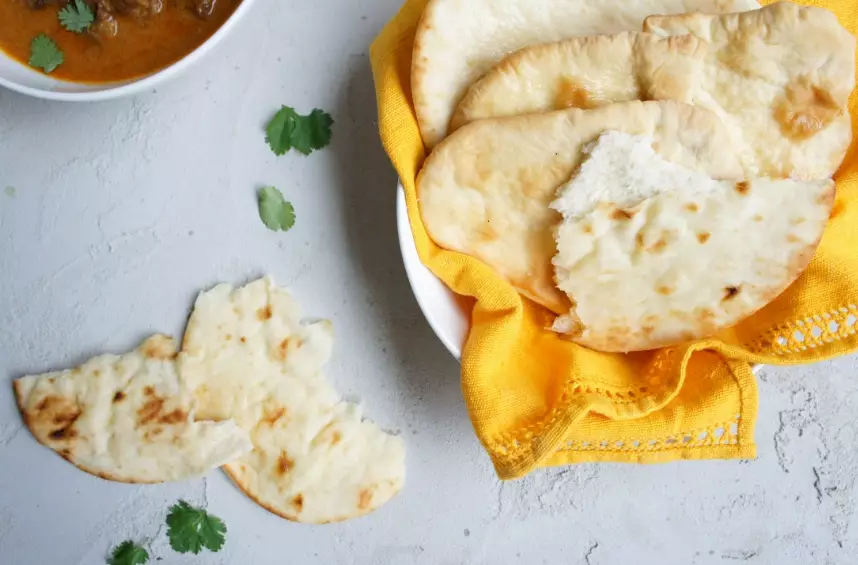
How to Activate Your Yeast for Maximum Rise
Start by dissolving the sugar in the warm water. Sprinkle the yeast on top, give it a gentle stir, and let it sit for 5-10 minutes. You're looking for a creamy, frothy layer on top—this is called "proofing" and it tells you the yeast is alive and ready. If nothing happens, your yeast is dead. Start over with a new packet.
Mixing and Kneading: Building the Gluten Network
In a large bowl, combine the flour and salt. Make a well in the center and pour in the frothy yeast mixture, yogurt, and ghee/oil. Mix with a spoon or your hands until a shaggy dough forms. Turn it out onto a lightly floured surface.
Knead for 8-10 minutes. You want a smooth, slightly tacky but not sticky dough. The windowpane test is your friend: take a small piece of dough and gently stretch it. If you can stretch it thin enough to see light through it without it tearing, you're done. This gluten development is crucial for trapping the gas from the yeast, creating those big bubbles.
The First Rise: Letting Flavor Develop
Place the dough in a lightly oiled bowl, turn it to coat, and cover with a damp cloth or plastic wrap. Let it rise in a warm, draft-free spot for 1-1.5 hours, or until doubled in size. Don't rush this. The longer, slower rise in a slightly cooler spot (like a turned-off oven) can develop even more flavor, but 1 hour at room temp is fine.
Shaping and Cooking: Creating the Signature Char
Once risen, punch the dough down gently to release air. Divide it into 6-8 equal balls. Cover them and let them rest for 15 minutes—this relaxes the gluten, making them easy to shape.
Heat a heavy-bottomed skillet, cast-iron pan, or griddle over medium-high heat. You want it seriously hot. While it heats, roll or stretch a dough ball into an oval or teardrop shape, about ¼-inch thick. Don't roll it paper-thin; you need some thickness for the bubbles to form.
Optionally, brush one side with water. This helps it stick to the pan for the traditional method. Place the naan (wet-side down if using) onto the hot skillet. Cook for 2-3 minutes until you see large bubbles forming and the bottom has dark brown spots.
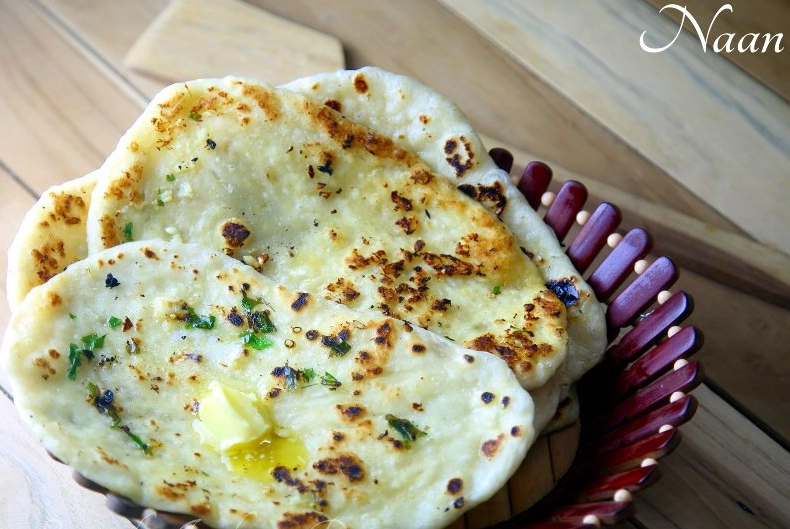
Flip. If you have a gas stove, this is the fun part: using tongs, carefully hold the naan directly over a medium gas flame for 15-30 seconds to char and puff it up further. No gas stove? Just cook the second side in the pan for another 1-2 minutes. Immediately brush the hot naan with melted ghee or butter and sprinkle with nigella seeds or cilantro if desired.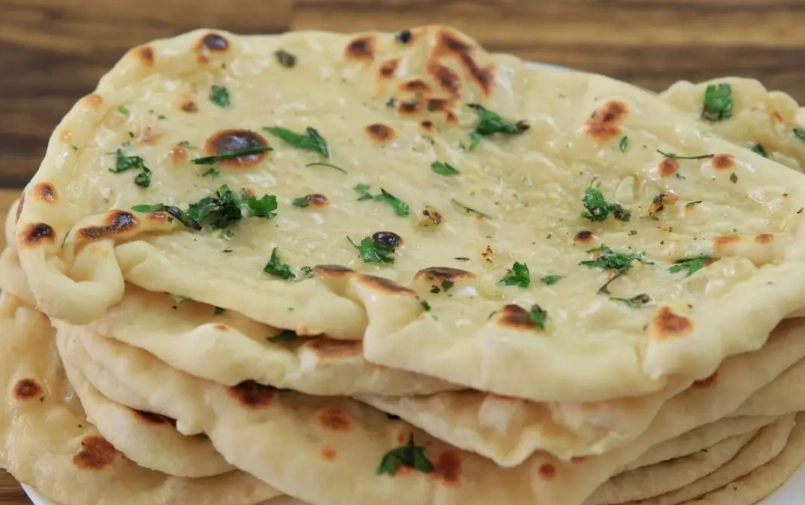
The 3 Most Common Mistakes (And How to Fix Them)
After teaching this recipe for years, I see the same issues pop up. Here’s how to avoid them.
| Mistake | What Happens | The Fix |
|---|---|---|
| Kneading too little or too much | Too little: Dough tears, flat naan. Too much: Tough, dense naan. | Aim for 8-10 mins of kneading. Do the windowpane test. Stop when the dough is smooth and elastic. |
| Skillet not hot enough | The naan steams instead of sears. It becomes dry and leathery, not soft and charred. | Let your pan preheat for a full 5-7 minutes on medium-high. A drop of water should skitter and evaporate instantly. |
| Rolling the dough too thin | No air pockets form. You get a cracker, not a fluffy bread. | Leave it about ¼-inch thick. The heat needs material to push up and create bubbles. |
Your Naan Questions, Answered
 My dough is too sticky to handle. Should I add more flour?
Discussion