You're craving that creamy, tomato-based, mildly spiced curry you had in Delhi or London. You walk into an Indian restaurant in New York or Chicago and scan the menu. You see "Butter Chicken" right there. Great! You order it. But when it arrives, something's off. It's sweeter, maybe more orange, less complex. So what gives? Is it even the same dish? Let's clear this up right away: in America, the dish is almost universally called "Butter Chicken." The names "Chicken Makhani" or "Murgh Makhani" are used too, but less frequently on mainstream menus. The real story isn't about the name—it's about what happens to the dish after it crosses the Atlantic.
What's Inside This Guide?
What Exactly is Butter Chicken Called in America?
Walk into any Indian or Indian-inspired restaurant from Seattle to Miami, and you'll find it listed as "Butter Chicken." It's the default, user-friendly translation. "Chicken Makhani" ("makhani" meaning "with butter" in Hindi/Urdu) is the second most common listing, often seen at restaurants aiming for a more traditional or authentic vibe. You'll almost never see "Murgh Makhani" on a casual dining menu here; that's reserved for chef-driven spots or places with a predominantly South Asian clientele.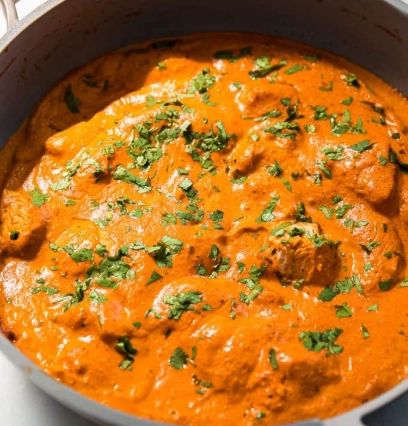
The name stuck because it's descriptive and appealing. "Butter" signals richness and comfort to the American palate. It worked. Butter chicken, along with chicken tikka masala (its cousin often confused with it), became the gateway dish for Americans exploring Indian cuisine. According to menu trend data, it's consistently one of the top three ordered Indian dishes in the country.
Here's the twist most blogs don't tell you: The name "Butter Chicken" is technically a correct translation, but it sets a misleading expectation. It makes people think the primary flavor is butter, like a French beurre blanc. In reality, the genius of the original lies in the tandoori marinade, the char from the clay oven, and the slow-cooked tomato-and-cream gravy enriched with butter and ground cashews. The butter is a finisher, not the star. Calling it just "Butter Chicken" in America often leads to versions where cooks skip the marinating and charring, and just dump chicken into a butter, cream, and tomato soup. That's the root of the disappointment.
How American Butter Chicken Differs from the Original
This is where the magic gets lost in translation. American restaurant versions, especially at mid-range or buffet-style places, adapt to local tastes and cost pressures. Having tried both the legendary version at Moti Mahal in Delhi (which claims to have invented the dish) and dozens across the U.S., the differences are systematic.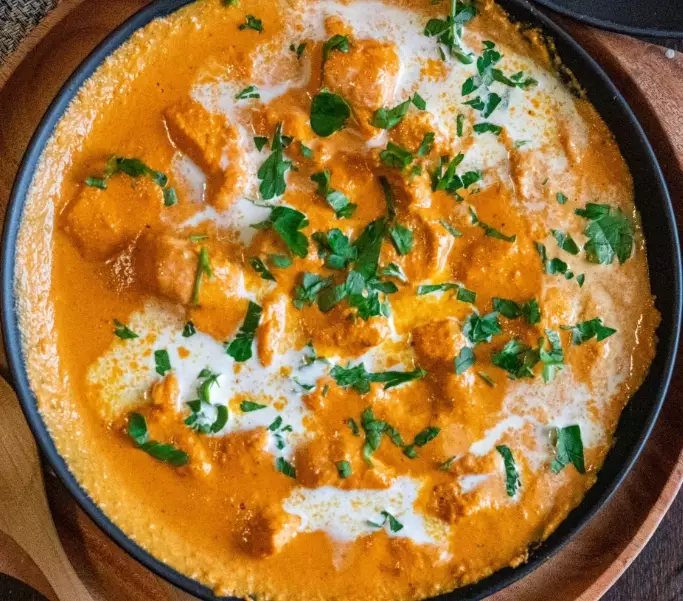
The Big Three Changes:
- Sweetness Level: American palates often prefer sweeter sauces. Many restaurants add sugar, honey, or extra sweet tomato paste. Authentic versions get their subtle sweetness from caramelized onions, tomatoes, and a touch of honey or dried fenugreek leaves (kasuri methi).
- Color and Texture: That bright, almost neon orange color you sometimes see? Food coloring or an overload of tomato puree. Real butter chicken gravy is a deeper, reddish-brown from spices like Kashmiri red chili (for color, not heat) and long cooking. The texture is also often thinner in the U.S.; it should coat the back of a spoon.
- The Chicken: This is the biggest shortcut. Authentic butter chicken uses tandoori chicken—yogurt-marinated chicken cooked in a searingly hot clay oven, giving it smoky, charred edges. In America, it's often just boiled or pan-fried chicken breast tossed in the sauce. You lose that essential smoky depth.
I once asked a chef at a popular franchise why they didn't use tandoori chicken. His answer was pure logistics: "The tandoor is for naan. We'd need another one just for chicken, and it slows down service." That's the reality of scaling an ancient technique in a fast-paced American dining scene.
Where to Find More Authentic Butter Chicken in the U.S.
Don't lose hope. You can find excellent, closer-to-traditional versions if you know where to look. Focus on restaurants that have a tandoor oven and mention "tandoori chicken" in the butter chicken description. Here are a few standout spots across the country known for taking the dish seriously.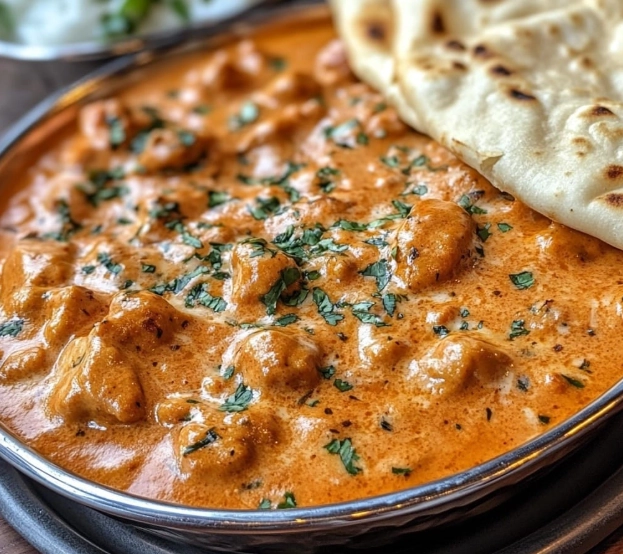
| Restaurant & Location | Why It's Notable | Key Details (Price, Style) |
|---|---|---|
| Dhaba (New York, NY) | Their "Murgh Makhani" is a star. They use tandoor-cooked chicken and a gravy that balances creaminess with spice complexity, not just sweetness. It has a loyal following among NYC's South Asian community. | $$ | Expect to pay ~$22. Open daily 12 PM - 10:30 PM. 108 Lexington Ave. |
| Tandoor Char House (Chicago, IL) | They nail the smokiness. The chicken clearly has that tandoor char, and the sauce is rich without being cloying. They also offer a "home-style" spice level option. | $$ | Around $19 for the entree. Lunch buffet available. 3136 N Broadway St. Open 11:30 AM - 10 PM (Fri/Sat till 11 PM). |
| Amber India (Multiple locations, CA) | A more upscale take. Their butter chicken is consistently rated as one of the best in the Bay Area. They use organic chicken and a recipe that highlights the fenugreek and garam masala. | $$$ | Entrees ~$26-$28. White-tablecloth setting. Check site for hours at locations in Mountain View, Santana Row, etc. |
A good rule of thumb: If the restaurant's menu features a wide variety of regional Indian dishes beyond the usual Punjabi staples, and if they describe their butter chicken as containing "tandoori chicken," you're on the right track. Online reviews that mention "not too sweet" or "smoky flavor" are also green flags.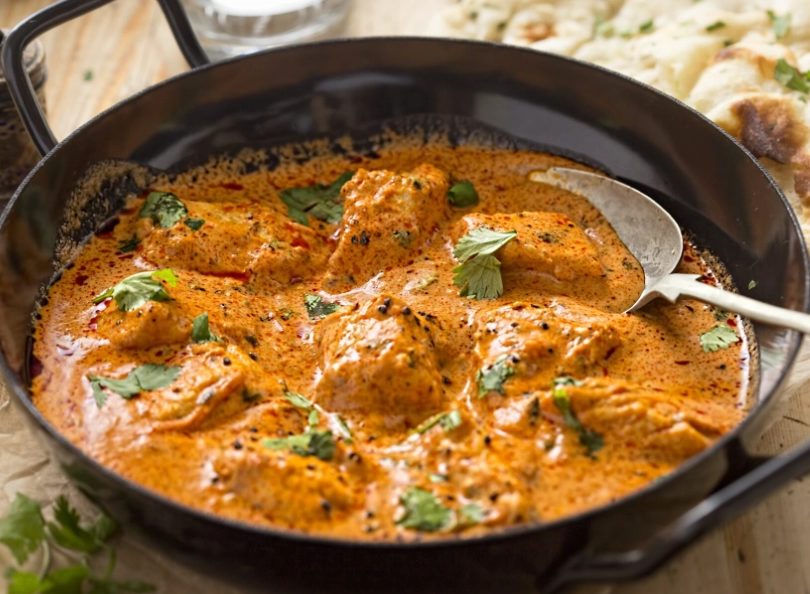
How to Make Real-deal Butter Chicken at Home
The absolute best way to guarantee an authentic experience is to make it yourself. It's not a 20-minute weeknight meal, I'll be honest. But the process is therapeutic and the result is miles ahead of most takeout. Here's the core philosophy, stripped of fluff.
The Non-Negotiable Steps Most Recipes Skip:
1. Marinate and Char the Chicken
Don't just cube raw chicken. Make a tandoori marinade with yogurt, ginger-garlic paste, lemon juice, Kashmiri chili powder, turmeric, and garam masala. Let it sit for at least 2 hours, overnight is gold. Then, cook it under a broiler or on a very hot grill until you get blackened spots. This char is non-negotiable flavor. Let it rest, then cube it.
2. Build a Real Gravy, Not a Sauce
Sauté whole spices (cardamom, cloves, cinnamon), then add a paste of onions, ginger, and garlic. Cook it down until golden. Add tomato puree (passata is best) and cook, stirring often, until the oil separates—this can take 15-20 minutes. This step develops the deep tomato flavor.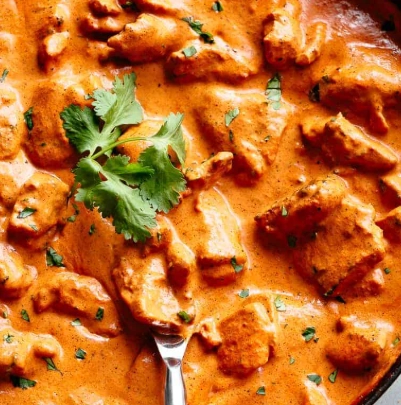
3. The Finish: Butter, Cream, and Kasuri Methi
Blend the gravy smooth. Return it to the pan, add the charred chicken, and simmer. Now add your richness: a few tablespoons of butter, some heavy cream or cashew paste. The final magic? Crush a tablespoon of dried fenugreek leaves (kasuri methi) between your palms and stir it in. It gives that distinct, savory aroma. Season with salt, a pinch of sugar (only if needed), and garam masala.
Serve with basmati rice and garlic naan. The first bite, with that hint of smoke from the chicken and the complex gravy, will show you what the fuss is really about.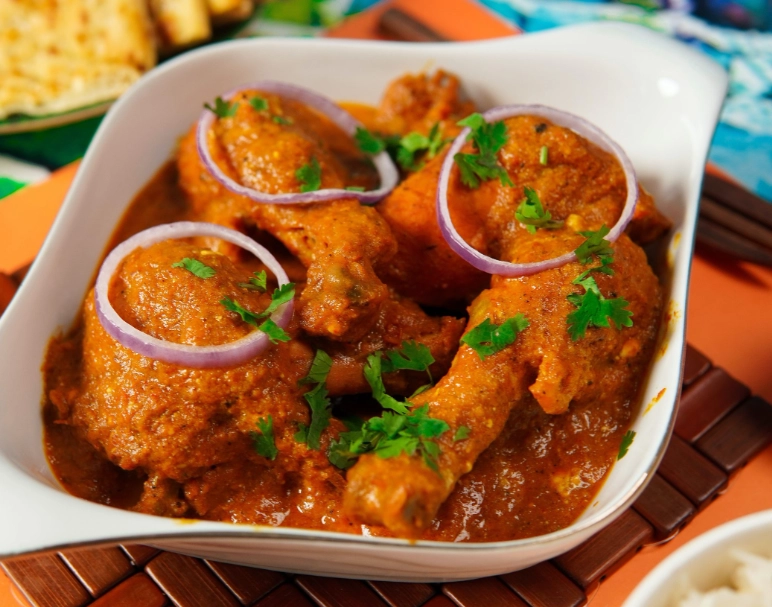
Your Butter Chicken Questions, Answered
Is Chicken Tikka Masala the same as Butter Chicken in America?
No, and confusing them is a major pet peeve for Indian food enthusiasts. While both have creamy tomato sauces, they start differently. Chicken Tikka Masala uses chunks of boneless chicken (tikka) marinated in spices and yogurt, then grilled. The sauce is usually tangier, often from tomatoes and sometimes a bit of lemon or yogurt, and can be spicier. Butter Chicken, as we've covered, specifically uses tandoori chicken (on the bone originally, now often boneless) and a richer, smoother, milder gravy. In many American restaurants, however, the sauces can taste suspiciously similar due to simplified recipes.
Why does my takeout butter chicken taste so sweet and orange?
You've identified the two most common Americanizations. The sweetness comes from added sugar or sweet tomato paste to cater to a generalized preference. The bright orange color is typically from tomato paste or, in lower-quality places, food coloring. An authentic gravy gets its color from Kashmiri red chili powder (which is mild) and long cooking, resulting in a deeper rust-red hue. If you're faced with a sweet, orange dish, try adding a squeeze of lemon and a sprinkle of garam masala to balance it.
What's the one ingredient I can add to store-bought butter chicken sauce to make it better?
Two things, actually. First, kasuri methi (dried fenugreek leaves). Crush a teaspoon and stir it in. It adds an irreplaceable savory, slightly bitter note that cuts through the cream. Second, char your own chicken. Don't use boiled chicken. Toss cubed chicken in oil, salt, and paprika, and broil it for 5-7 minutes until slightly blackened at the edges before adding it to the sauce. This single step adds 80% of the missing depth.
Is "Murgh Makhani" on a menu a sign of a more authentic restaurant?
It can be a positive indicator, but it's not a guarantee. It shows the restaurant is aware of the traditional name and is likely marketing to customers who know it. However, always check the description. If it says "tandoori chicken in a rich tomato and cream sauce," you're likely in good hands. If the description is just "chicken in a creamy tomato sauce," even "Murgh Makhani" might be just a fancy name for the standard Americanized version. The description is more telling than the title.
Discussion