Quick Navigation
Let's be honest. The first time you try to make a proper South Indian sambar or a crispy dosa at home, it can feel like you're trying to crack a secret code. I remember my first attempt at rasam – it looked like murky water and tasted, well, just sour. Nothing like the fragrant, comforting broth I had in Chennai. That's when I realized there's a world of difference between following a recipe and understanding the why behind it.
Good South Indian cooking tips aren't just about lists of ingredients. They're about the little things – the sound of mustard seeds popping in hot oil, the smell of curry leaves hitting that oil, and the patience to let a dal cook slowly. It's not complicated magic; it's a series of simple, logical steps that build flavor. This guide is the result of years of trial, error, and learning from friends' grandmothers. We're going to skip the fluff and get straight to the practical advice that will change your cooking from a hesitant imitation to something confidently delicious.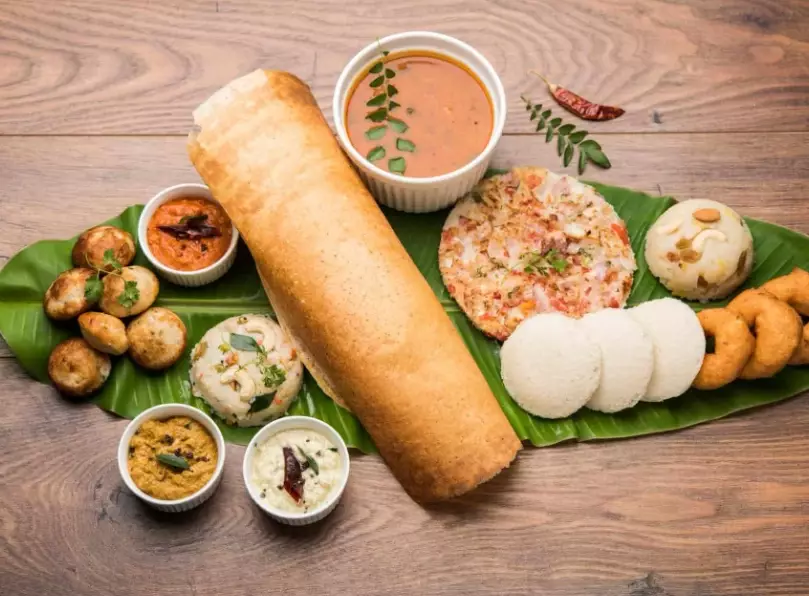
The Foundation: Your South Indian Pantry Starter Kit
You can't build a house without bricks, and you can't build South Indian flavors without the right ingredients. But here's a common mistake: buying every single spice listed on a random blog. You don't need fifty jars gathering dust. You need a focused, functional pantry.
I made the error of buying "curry powder" early on. Big mistake. South Indian cooking doesn't really use a generic curry powder. The flavor comes from combining whole and ground spices fresh for each dish. So let's start with the absolute essentials.
The Non-Negotiable Spices & Lentils
These are your workhorses. If you have these, you can make a staggering variety of dishes.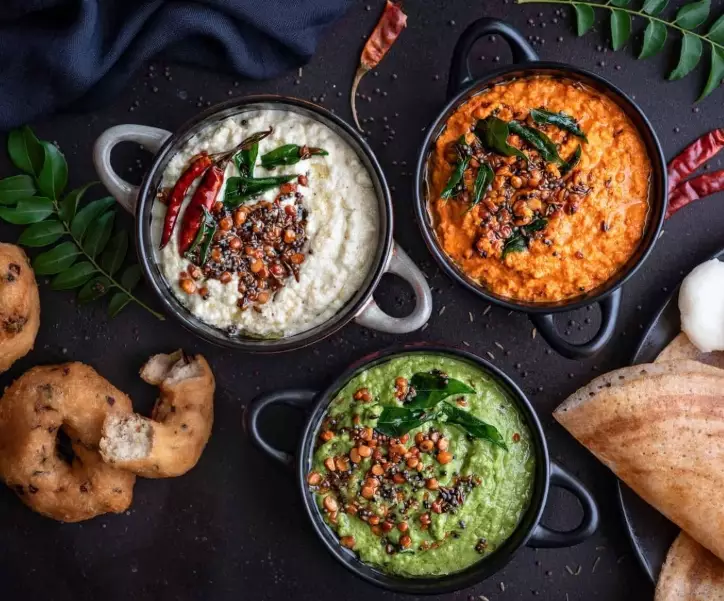
| Ingredient | Why It's Essential | Quick Storage Tip |
|---|---|---|
| Toor Dal (Pigeon Pea) | The heart of sambar. It creates the creamy, hearty base. Chana dal is sometimes used too, but toor is king. | Buy split. Store in an airtight container in a cool, dark cupboard. It lasts ages. |
| Urad Dal (Black Gram) | Whole urad dal goes into curries. Split and skinned (white urad dal) is CRUCIAL for dosa/idli batter. It's what creates fermentation and fluffiness. | For battery, always get the split, skinned, white variety. Don't confuse it with whole black gram. |
| Mustard Seeds (Black/Brown) | This is the sound of South Indian cooking. The first thing that hits the hot oil for a "tadka" or tempering. Provides a nutty, pungent pop. | Keep them dry. If they don't sizzle and pop when hot, they're stale. |
| Cumin Seeds | Used alongside mustard or on its own. A warmer, earthier aroma. Ground cumin is also used in powders. | Same as mustard seeds. Whole seeds last longer than ground. |
| Fenugreek Seeds (Methi) | Used sparingly. A bitter, maple-syrup like flavor that, in tiny amounts, adds incredible depth. Also key in pickles and some podis (powders). | A little goes a VERY long way. Overdo it and your dish will be unpleasantly bitter. |
| Dried Red Chillies | Heat and color. Different varieties (like Byadgi for color, Guntur for heat) are used. For beginners, a generic Indian variety is fine. | Store airtight. They can lose potency and become dusty if exposed to air for too long. |
| Turmeric Powder | For color, earthiness, and its famed health properties. Used in almost every savory dish. | Buy in small quantities. It loses its vibrant color and potency over time. |
| Curry Leaves (Kadi Patta) | THIS IS THE SECRET WEAPON. That unmistakable, citrusy, aromatic scent? That's curry leaves. Fresh is non-negotiable. Dried is a sad, pale shadow. | Buy fresh bunches, wrap in paper towel, put in a zip-lock bag, and refrigerate. They last weeks. You can also freeze them. |
| Asafoetida (Hing) | A pinch of this resinous powder, fried in oil, adds a savory, umami, almost garlicky-oniony depth. It's also great for digestion. | Always buy compounded hing (mixed with flour). Pure resin is too strong. Keep the jar tightly sealed – the smell is potent! |
See? Not so overwhelming. With just these, you're already 80% there.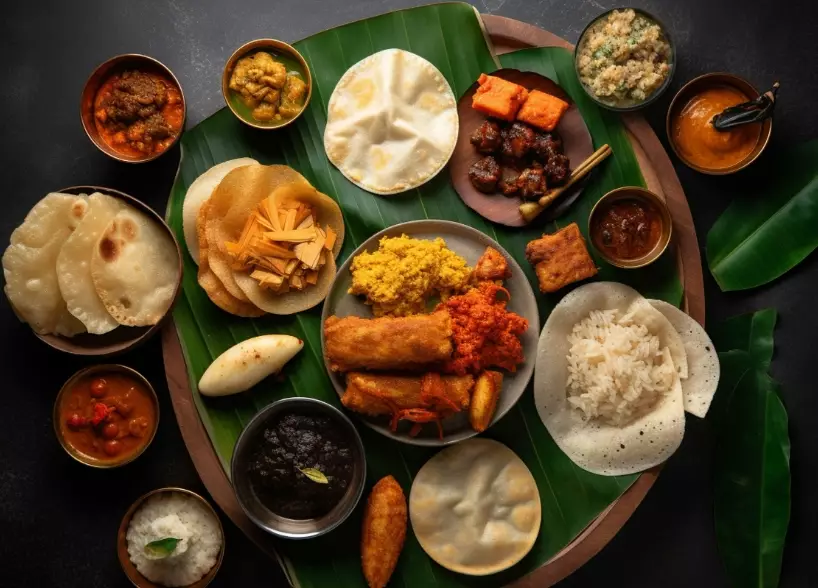
The Fresh Stuff You Can't Compromise On
Okay, spices are sorted. But the fresh ingredients are where the vibrancy comes from. And there's one hero here.
Tamarind. This is what gives South Indian food its characteristic tang. Not vinegar, not lemon juice (though they have their place). Tamarind pulp has a complex sourness that's fruity and deep. You can buy it as a block of pulp (with seeds and fibers), as concentrate (which I find too strong and sometimes metallic), or as ready-made paste. For authenticity, the block is best. Soak a golf-ball sized piece in hot water for 20 minutes, mush it with your hands, strain the thick juice, and discard the fibers. That's your "tamarind extract." It freezes beautifully in ice cube trays.
Other fresh staples: ginger, garlic, green chillies, fresh coriander (cilantro), and coconut. Yes, coconut. Grated fresh is amazing, but frozen grated coconut or good-quality desiccated coconut soaked in warm milk is a fine substitute for many dishes.
Core Techniques: The Real South Indian Cooking Tips
Now for the fun part – the actual doing. This is where most recipes assume you know what you're doing. Let's break down those assumptions.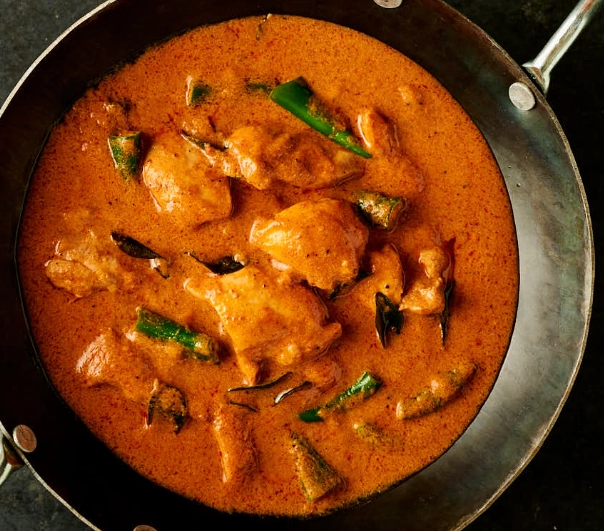
Tempering (Tadka/Thalimpu) – It's Not Just Frying Spices
This is the first technique to master. Tempering is the art of frying whole spices in hot oil or ghee to release their essential oils, then adding this flavored oil to a dish. It's the flavor foundation.
The classic South Indian tempering often starts with mustard seeds. Here's the detailed, no-shortcuts process:
- Heat the fat. Use a neutral oil (sunflower, peanut) or ghee. Medium heat is key. Too hot and the spices burn in a second; too low and they get soggy and oily.
- Test the heat. Drop in one mustard seed. If it sizzles and dances immediately, you're good.
- Add the spices in order. This is critical.
- First: Mustard seeds. Let them splutter and pop. Cover the pan for a second if you're scared of flying seeds (we all are).
- Then: Cumin seeds, urad dal, chana dal. These take a few seconds to turn golden brown. The dals add a lovely nutty crunch.
- Next: Dried red chillies (whole or broken), a pinch of asafoetida.
- Finally, off heat: Fresh curry leaves. They should crackle violently. Adding them last prevents burning.
- Use it immediately. Pour this entire contents—the hot oil AND the spices—directly into your waiting dish (like dal or rasam) and stir. The sizzle it makes is the sound of success.
Why do this separately? Control. You perfectly toast the spices without overcooking the main dish. This is arguably the most important of all South Indian cooking tips.
Balancing the Holy Trinity: Sour, Salt, Spice
South Indian food isn't just about heat. It's about a beautiful, clear balance. Think of it like a three-legged stool.
- Sour (Pulippu): Usually from tamarind, but also tomatoes, yogurt, or kokum.
- Salt (Uppu): Not just table salt. Salty flavors come from salt, salted fish, or even certain vegetables.
- Spice (Kaaram): From chillies (heat) and black pepper, but also the warmth of other spices.
The trick is to add them incrementally. Always add tamarind (sour) early, so it cooks and mellows. Add salt in the middle stages, so it seasons the dish throughout. Adjust fresh chilli or chilli powder at the end, because you can always add more heat but you can't take it away.
Mastering the Dosa & Idli Batter
This deserves its own section because it causes so much anxiety. Your batter failed to ferment? Your dosas were thick and doughy? Let's troubleshoot.
The ratio is gospel: For every 2 parts of rice (use Idli rice or parboiled rice, not Basmati), use 1 part split urad dal (skinned). And a handful of fenugreek seeds (like a teaspoon per cup of dal). The fenugreek is a natural fermentation aid.
Soak rice and dal (with fenugreek) separately for at least 6 hours. Why separately? They have different soaking times. Grind the dal first with just enough water to get a smooth, fluffy, airy paste. This can take 20-25 minutes in a wet grinder (traditional) or a powerful blender. You know it's ready when you drop a bit in water and it floats. Then grind the rice to a slightly grainy consistency. Mix them together with salt.
Now, fermentation.
This is where weather matters. In cold climates, it's a struggle. My kitchen in winter is a fermentation dead zone. Here are practical South Indian cooking tips for this:
- Use the oven light. Place the batter bowl in the oven with only the interior light on. It creates a perfect warm environment.
- Add a pinch of sugar. It gives the yeast a quick start.
- Don't overfill the container. The battery will almost double. Use a large, wide vessel, not a narrow one.
- Ferment until the surface is bubbly and the volume has increased. In summer, 8-10 hours. In winter, maybe 14-18.
If it doesn't ferment much, your dosas will be flat and chewy, not crisp and light. It's science, not magic. For more detailed, science-backed information on food fermentation safety—which is important when dealing with batters—reputable sources like the USDA Food Safety guidelines offer good principles, though they are not specific to Indian cuisine.
Dish-Specific Wisdom: Beyond the Recipe Card
Let's apply these general South Indian cooking tips to specific dishes you probably want to nail.
Sambar That Tastes Like Grandma's
The problem with most sambar is it's either too watery, too sour, or tastes like a generic lentil soup. Here's the fix.
Cook your toor dal until it's mushy and creamy. Mash it well. In a separate pot, cook your vegetables (like drumsticks, pumpkin, okra) in the tamarind extract with turmeric and sambar powder. Use a good sambar powder. I've tried making my own, but for consistency, a trusted brand like MTR or Eastern works great. Let this boil until the raw tamarind smell is gone and the veggies are cooked. Now, add the mashed dal. This is key – adding dal to the sour base, not the other way around. It combines better. Bring to a gentle simmer. Now do your tempering (mustard, cumin, dried chilli, asafoetida, curry leaves) in ghee or oil and pour it over. Finish with fresh coriander. The layering of flavors is what makes it complex.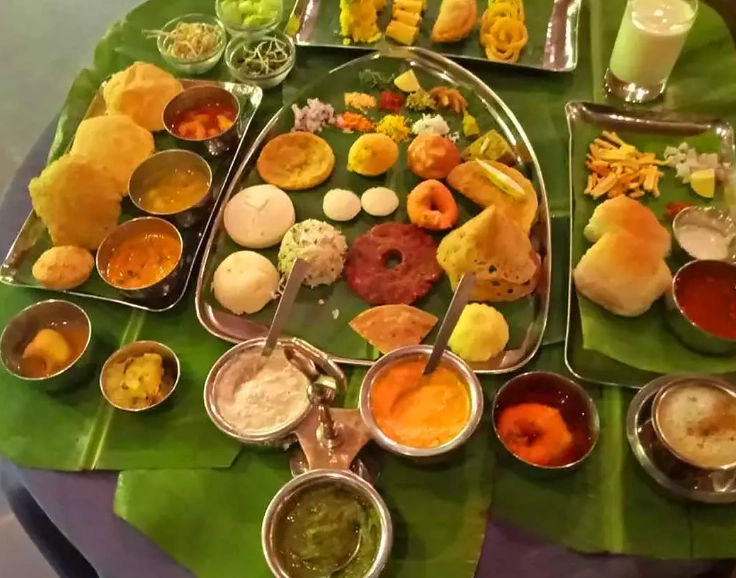
Crispy, Lacy Dosa Every Time
Your battery is fermented and happy. Now for the cooking. Non-stick pan is fine, but a well-seasoned cast iron or carbon steel tawa is the dream.
- Heat the tawa on medium-high. It needs to be properly hot. Sprinkle water – it should sizzle and evaporate in seconds.
- Reduce heat to medium. Pour a ladle of batter in the center and quickly spread outwards in a thin, spiral motion. Don't press down hard; let the ladle glide.
- Drizzle a teaspoon of oil or ghee around the edges and a few drops on top. Crank the heat back up a bit.
- Wait. Don't poke it. You'll see the top go from shiny to matte, and the edges lift. That's your cue. Use a flat spatula to loosen the edges and flip if you want (though many eat it one-sided).
- The first dosa is often a sacrificial one that soaks up excess heat and any residue. Don't be discouraged if it's not perfect.
Rasam That Clears Sinuses & Soothes Souls
Rasam is not a soup, and it's not a sambar. It's a light, peppery, tangy broth. The biggest mistake is boiling it to death after adding the tempering. You kill the fresh aroma.
- Cook dal with turmeric (just a tablespoon of dal is enough), mash, and set aside.
- In a pot, combine tamarind water, tomatoes, rasam powder, turmeric, salt, and a lot of crushed black pepper. Boil until tomatoes are soft and raw tamarind smell is gone.
- Add the mashed dal water. Bring to a gentle simmer. It should just tremble, not roll boil. Turn off the heat.
- Do the tempering (mustard, cumin, pepper corns, curry leaves) in ghee. Pour it over the hot rasam. Cover immediately to trap the aromas. This last step is 50% of the flavor.
The consistency should be lighter than sambar, almost like a consommé. It's a beverage, a soup, a digestive all in one.
Your South Indian Cooking Questions, Answered
My food tastes one-dimensional and flat. What's missing?
Nine times out of ten, you're missing one of two things: Asafoetida (hing) or a proper tempering at the end. That final pour of hot, spiced oil is not garnish; it's essential flavor architecture. Also, taste and adjust at the end. Does it need a pinch more salt? A squeeze of lime to brighten it? A tiny bit of jaggery to round off a particularly sour tomato? Balancing is an active process.
Can I make South Indian food without coconut?
Absolutely. While coconut is prevalent, many daily dishes don't use it. Sambar, rasam, many vegetable stir-fries (poriyal), and lentil-based dishes are coconut-free. For chutneys, you can substitute with roasted peanuts, roasted chana dal, or even yogurt.
How do I get that "restaurant-style" rich flavor?
Restaurants often use more fat (ghee/oil) and sometimes add a tiny pinch of sugar or MSG (ajinomoto) to enhance savoriness. At home, you can achieve depth by:
- Using homemade ghee for tempering.
- Roasting your spices (like coriander seeds, cumin) before grinding them into powder. The flavor is incomparable to store-bought pre-ground powder that's been sitting for months. Research published on platforms like PubMed often explores the volatile oil composition of spices and how processing affects them, though the studies can be quite technical.
- Taking the time to cook onions slowly until deeply caramelized for certain curries.
It's about building layers, not just adding more chili powder.
My chutneys turn dark and lose their fresh color.
Don't over-grind. Heat from the blender blade oxidizes the ingredients. Use the pulse function. Add a little water while grinding to keep things cool. For coriander chutney, a tiny squeeze of lemon at the end helps preserve the green color. And always store chutneys in the fridge, preferably with the seed of a green chilli or a layer of oil on top to act as a seal.
Wrapping It Up: Keep It Simple, Trust the Process
The best South Indian cooking tips always circle back to simplicity and attention to detail. It's not about having a hundred ingredients. It's about treating ten ingredients with respect.
Start with one dish. Maybe it's a simple lemon rice (which is just tempered rice with lemon juice and peanuts). Get comfortable with the tempering process. Then try a sambar. Then tackle dosa battery. Each success builds confidence.
Don't be afraid to fail. My first ten dosas were a tragedy. My first sambar was so salty it was inedible. It happens. The key is to understand why it happened. Too much salt? Add a peeled potato to draw some out, or double the recipe without salt. Battery didn't ferment? Use it to make thick, pancake-like uttapams – they're forgiving and still delicious.
Finally, cook with your senses, not just the timer. Listen for the mustard seed pop. Smell the curry leaves hitting the oil. Look for the change in color and texture. Taste constantly (with a clean spoon!). That's how you move from following instructions to actually cooking.
South Indian food is vibrant, diverse, and deeply satisfying to make. With these foundational South Indian cooking tips, you're not just copying a recipe – you're learning a language. And soon, you'll be able to speak it fluently in your own kitchen.
Discussion