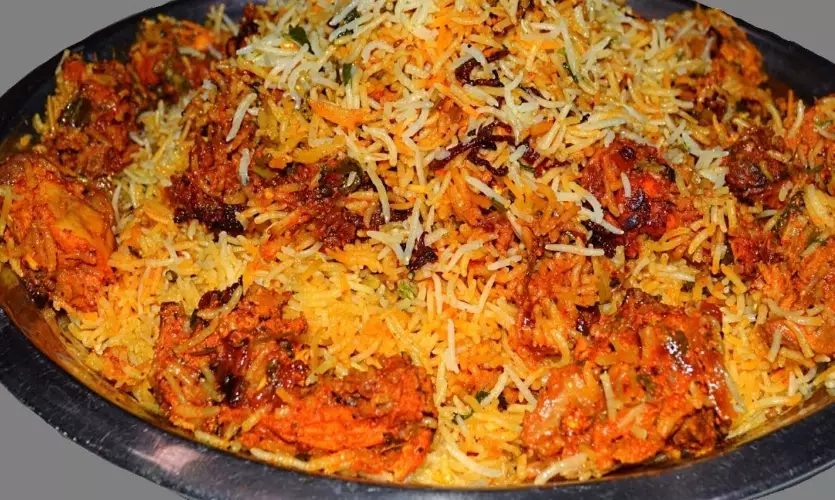
Indian biryani is a layered rice dish that combines fragrant basmati rice, aromatic spices, and tender meat or vegetables. At its core, it's made of three things: rice, protein, and a blend of spices. But dig deeper, and you'll find regional twists, cooking techniques, and ingredient choices that make each biryani unique. I've spent years cooking and eating biryani across India, and here's what I've learned about what goes into it.
Quick Guide: What You'll Discover
The Key Ingredients in Biryani: More Than Just Rice and Spices
Let's break it down. Biryani isn't a random mix; every ingredient has a role. Start with basmati rice—long-grained, aromatic, and non-sticky. I prefer aged basmati for its firm texture. Then come the spices: whole ones like cardamom, cloves, and cinnamon for fragrance, and ground ones like turmeric and coriander for color and depth. Don't forget saffron or Kewra water for that floral hint.
Ghee or oil is crucial for frying and layering. Onions, fried until crispy, add sweetness and crunch. Yogurt or cream tenderizes the meat. Herbs like mint and cilantro bring freshness. It's a balance; too much of one spice can overpower the dish.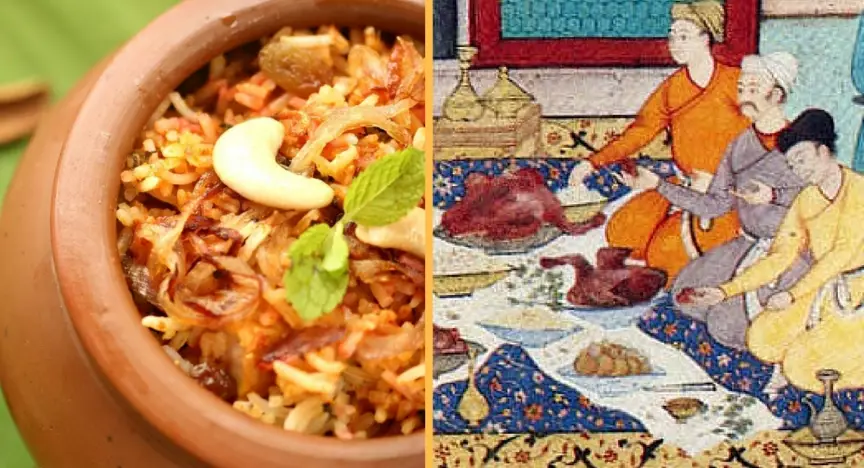
Pro tip: Many home cooks skimp on frying onions properly. They turn soggy and ruin the texture. Fry them slowly on low heat until golden brown—it takes patience, but it's worth it.
Essential Spice Blend Table
| Spice | Purpose | Common Quantity (for 4 servings) |
|---|---|---|
| Cardamom | Adds sweet, floral aroma | 4-5 pods |
| Cinnamon | Provides warmth and sweetness | 1-inch stick |
| Cloves | Offers pungent, spicy notes | 3-4 cloves |
| Bay leaves | Imparts earthy flavor | 1-2 leaves |
| Turmeric | Gives yellow color and mild bitterness | 1/2 teaspoon |
Meat and Vegetable Choices: The Heart of the Dish
Biryani can be made with chicken, lamb, goat, or even seafood. For vegetables, potatoes, carrots, and peas are popular. The meat is marinated for hours in yogurt and spices to absorb flavors. I've seen people rush this step, and the result is tough, bland meat. Marinate overnight if possible.
In Hyderabad, goat biryani is king—tender pieces with bone-in for extra flavor. In Kolkata, they add potatoes, a colonial influence. For vegetarians, paneer or mixed veggies work well. The key is to cook the protein partially before layering, so it finishes cooking with the rice.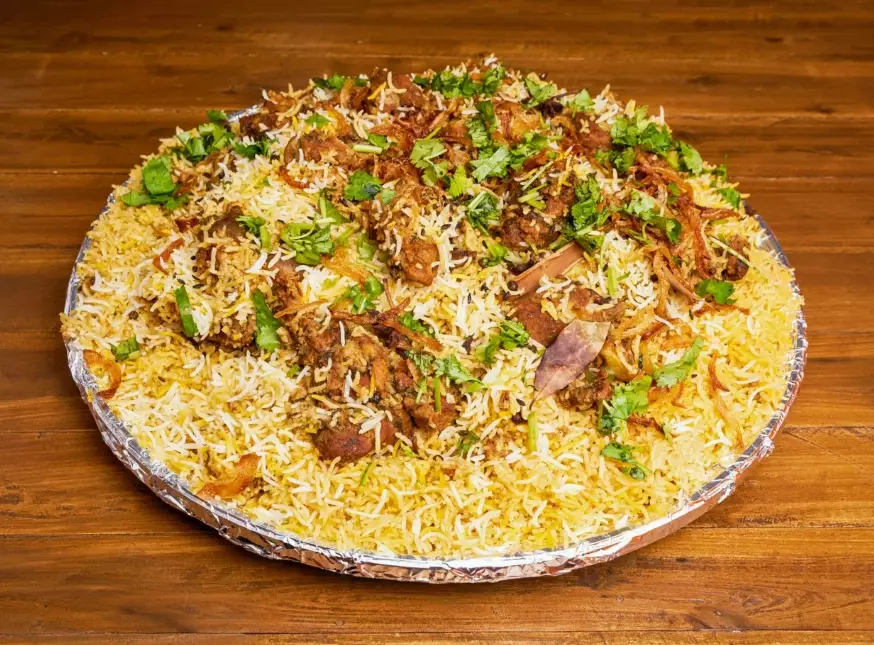
How Ingredients Vary by Region Across India
India's diversity shows in biryani. In Lucknow, they use a delicate spice mix and slow-cook it in a sealed pot (dum style). The rice is lighter, almost white. In South India, like Chennai, they add more chili and coconut milk for a richer taste. Mumbai's street-style biryani might include boiled eggs and extra oil.
Here's a quick rundown:
- Hyderabadi Biryani: Spicier, with lots of fried onions and saffron. Often uses goat meat.
- Kolkata Biryani: Milder, with potatoes and fewer spices. Sometimes includes eggs.
- Malabar Biryani: From Kerala, uses short-grain rice and more coconut.
These variations aren't just about taste; they reflect local agriculture and history. For instance, saffron is expensive, so it's used sparingly in most homes, but restaurants might add more for luxury.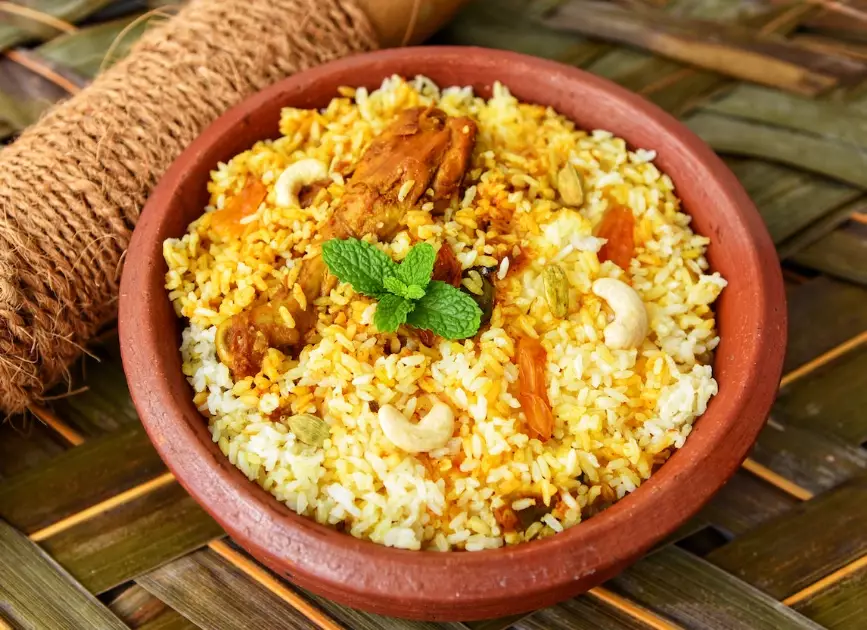
Step-by-Step Biryani Assembly: From Layering to Serving
Making biryani is an art. First, parboil the rice—cook it 70% done. Then, in a heavy-bottomed pot, layer marinated meat at the bottom, followed by rice. Sprinkle fried onions, herbs, and saffron milk. Repeat layers. Seal the pot with dough or a tight lid and cook on low heat (dum) for 20-30 minutes. This lets the steam infuse flavors.
I remember my first attempt: I opened the lid too early, and the steam escaped, leaving the rice undercooked. Now, I set a timer and resist peeking. Serve it with raita (yogurt sauce) or salan (gravy). The layering ensures each bite has rice, meat, and spices.
Common Layering Mistakes
Too many layers can make the dish mushy. Stick to 2-3 layers max. Also, don't pack the rice tightly; leave space for steam to circulate. Use ghee between layers for richness, but don't drown it—I've seen biryani turn oily from excess fat.
Top Biryani Restaurants to Try for Authentic Flavors
If you're not cooking, here are some spots I've visited. These places nail the ingredients.
- Paradise Biryani, Hyderabad: Address: Multiple outlets, main at Secunderabad. Their Hyderabadi dum biryani uses aged basmati and tender goat meat. Price: Around 500 INR per plate. Open 11 AM to 11 PM. It's crowded, so go early.
- Arsalan, Kolkata: Address: Park Circus area. Known for Kolkata biryani with potatoes and eggs. Mildly spiced, perfect for beginners. Price: 400 INR upwards. Hours: 12 PM to 11 PM.
- Bombay Canteen, Mumbai: Address: Lower Parel. They do a fusion biryani with local twists, but the ingredients are top-notch. Price: 600 INR. Open for lunch and dinner.
These restaurants source fresh spices and meat, which makes a difference. I've had biryani at cheaper joints where the rice was stale—always check reviews.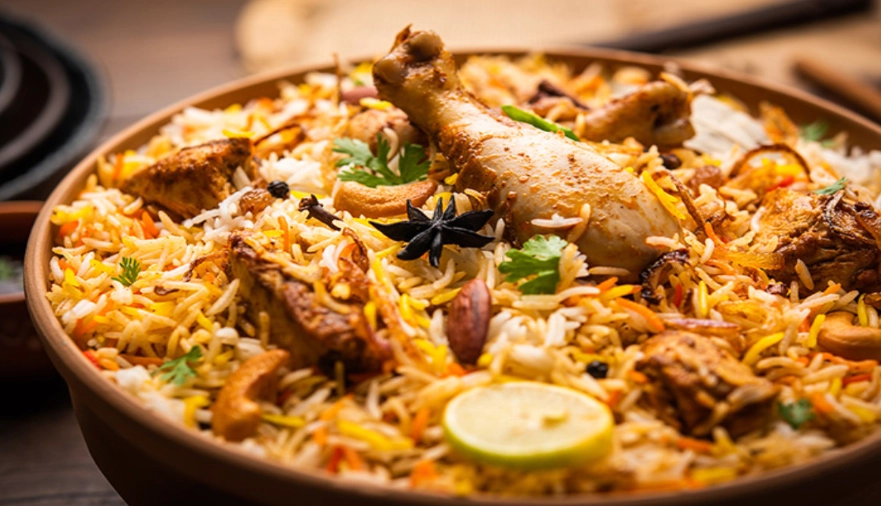
Common Mistakes and How to Avoid Them: Expert Insights
After years of trial and error, here's what most people get wrong. Using the wrong rice—like jasmine or regular long-grain—results in a sticky mess. Basmati is non-negotiable. Overcooking the spices burns them, making the biryani bitter. Toast them lightly in ghee first.
Another pitfall: skipping the dum process. Biryani needs that sealed, slow cook to blend flavors. I've tried shortcuts like baking it, but it's not the same. Also, balance the salt—season both rice and meat separately, or one layer will be bland.
From my experience, the biggest mistake is not tasting as you go. Adjust spices based on your preference, not just the recipe.
Your Biryani Questions Answered: FAQ
 Can I make vegetarian biryani that tastes as good as meat-based ones?
Biryani is more than a dish; it's a celebration of ingredients. From the rice to the spices, each element matters. Whether you cook it at home or try it at a restaurant, pay attention to the details. Start with quality components, layer with care, and enjoy the process. It might take practice, but the result—a fragrant, flavorful pot of biryani—is worth every minute.
Discussion