What You'll Learn in This Guide
Let's cut to the chase: making butter naan at home isn't just possible, it's downright easy if you skip the fancy jargon and focus on a few key things. I've burned more naan than I care to admit over the years, but that's how I learned the tricks that most recipes gloss over. This guide will walk you through everything—ingredients, techniques, and those little details that turn good naan into great naan. You'll end up with soft, fluffy bread slathered in butter, better than most restaurants.
What Makes Butter Naan Special
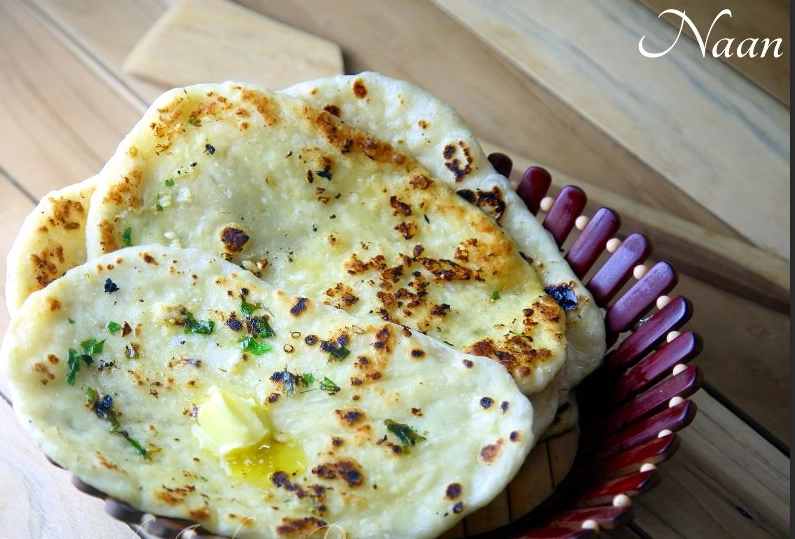
Butter naan is a leavened Indian flatbread cooked in a tandoor (clay oven), but we're doing it at home without one. The magic lies in the texture: soft and pillowy inside, with slight charred spots outside, all brushed with melted butter. It's a staple in Indian cuisine, often paired with curries or eaten on its own. Why bother making it yourself? For starters, store-bought versions can be dry or overly greasy. Homemade lets you control the quality—fresh ingredients, no preservatives, and that unbeatable aroma filling your kitchen.
I remember my first attempt years ago. I used all-purpose flour without any adjustments, and the naan came out tough as leather. That's when I realized the type of flour matters, but so does how you handle the dough. Most recipes online just list steps without explaining why, which leaves room for error.
The Must-Have Ingredients
You don't need exotic items, but getting the basics right is crucial. Here's a breakdown of what you'll need, with alternatives for common substitutions.
Key Point: Don't skimp on the yogurt or butter—they're what give naan its richness and softness. Low-fat versions can make the bread dry.
| Ingredient | Purpose | Best Substitutes |
|---|---|---|
| All-purpose flour | Provides structure; use unbleached for better texture | Bread flour (adds chewiness) or whole wheat flour (for a denser naan) |
| Yogurt | Adds tenderness and slight tang; full-fat is ideal | Buttermilk or sour cream (adjust liquid slightly) |
| Active dry yeast | Leavening agent for that fluffy rise | Instant yeast (use same amount, no proofing needed) |
| Melted butter | For brushing; use unsalted to control saltiness | Ghee (clarified butter) for authentic flavor |
| Warm water | Activates yeast and hydrates dough | Milk (for richer dough) |
Some recipes call for baking powder or baking soda, but I find yeast alone gives a better texture if you give it time to rise. The Indian Culinary Institute highlights that traditional naan relies on natural fermentation, which we're mimicking with yeast here.
Step-by-Step Cooking Process
This isn't just mixing and cooking—there are nuances in each stage that affect the final outcome. Follow along closely.
Preparing the Dough
Start by activating the yeast. Mix 1 teaspoon of active dry yeast with 1/4 cup of warm water (around 110°F, not hot) and a pinch of sugar. Let it sit for 5-10 minutes until frothy. If it doesn't bubble, your yeast might be dead; start over. In a large bowl, combine 2 cups of all-purpose flour, 1/2 teaspoon salt, and 1/4 cup yogurt. Add the yeast mixture and gradually mix in about 1/2 cup more warm water until a shaggy dough forms.
Here's where many go wrong: adding too much flour. The dough should be slightly sticky, not dry. I often use my hands to feel it—if it sticks to your fingers but pulls away cleanly, it's right.
Kneading and Resting
Knead on a floured surface for 8-10 minutes. You're looking for a smooth, elastic dough that springs back when poked. Place it in an oiled bowl, cover with a damp cloth, and let it rise in a warm spot for 1-2 hours, until doubled in size. In colder climates, this can take longer; I sometimes use the oven with the light on for a steady warmth.
Don't rush this step. The resting allows gluten to develop, which is key for that soft chewiness. One time I only let it rise for 30 minutes, and the naan turned out dense and flat.
Shaping and Cooking
Punch down the dough and divide it into 6-8 equal balls. Roll each ball into an oval or round shape, about 1/4 inch thick. Don't roll too thin, or it'll become crispy like a cracker.
For cooking, you have options:
- Stovetop method: Heat a cast-iron skillet or non-stick pan over medium-high heat. Place the rolled dough on the hot surface. Cook for 1-2 minutes until bubbles form and the bottom has brown spots. Flip and cook the other side for another minute.
- Oven method: Preheat your oven to its highest setting (500°F or more) with a pizza stone or inverted baking sheet inside. Slide the naan onto the hot surface and bake for 2-3 minutes until puffed and charred.
I prefer the stovetop—it's faster and gives more control over the char. But if you want that tandoor-like effect, the oven works well.
Brushing with Butter
As soon as the naan comes off the heat, brush generously with melted butter. Use a pastry brush or even a spoon. The heat helps the butter soak in, adding flavor and keeping it soft. Some people add garlic or herbs to the butter for variation.
Common Mistakes to Avoid
Based on my mishaps and feedback from cooking forums, here are pitfalls to watch for:
- Over-flouring the dough: This makes naan tough. Keep it slightly sticky.
- Not letting the dough rise enough: Patience is crucial; under-risen dough leads to dense bread.
- Cooking on low heat: Naan needs high heat to puff up quickly. If your pan isn't hot enough, it'll dry out.
- Skipping the butter brush: This step isn't optional—it adds moisture and richness.
A friend once used cold water for the yeast, and the dough never rose. Yeast is sensitive to temperature, so always use warm (not hot) liquid.
Pro Tips for Perfect Naan
Here are insights you won't find in every recipe, gathered from trial and error:
- Use a bit of oil in the dough: Adding 1 tablespoon of oil (like vegetable or olive oil) to the dough makes it more pliable and easier to roll.
- Experiment with toppings: Before cooking, sprinkle nigella seeds or sesame seeds on the rolled dough for extra crunch.
- Store leftovers properly: Wrap cooled naan in foil and keep in the fridge for up to 3 days. Reheat in a toaster or skillet to revive the texture.
- Adjust for altitude: If you're at high altitude, reduce yeast slightly to prevent over-rising.
I learned the oil trick from a chef in Delhi—it prevents the dough from drying out during rolling, which is especially helpful for beginners.
Serving and Pairing Ideas
Butter naan is versatile. Serve it warm with:
- Curries: Like butter chicken, palak paneer, or chana masala. The bread soaks up the sauces perfectly.
- Dips: Try raita (yogurt dip) or mint chutney for a fresh contrast.
- On its own: Sometimes, I just eat it plain with a cup of chai—the butter flavor shines through.
For a full meal, pair with basmati rice and a salad. If you're hosting, make extra; naan disappears fast!
Frequently Asked Questions
 Making butter naan is more about feel than strict measurements. Once you get the dough consistency right, the rest falls into place. Give it a try—even if your first batch isn't perfect, you'll learn something for next time. And that warm, buttery bread straight from the skillet? Totally worth the effort.
Discussion