Quick Guide
So you've decided to host a dinner and serve Indian food. Good choice. Honestly, it's one of the best cuisines for entertaining—vibrant, shareable, and endlessly customizable. But then the panic might set in. Where do you even begin? Which dishes go together? How do you handle the spice? I've been there, staring into the abyss of my pantry, wondering if a jar of curry powder and some chicken breasts would cut it. (Spoiler: they don't).
Let's cut through the noise. This isn't about becoming a master chef overnight. It's about creating a memorable, delicious, and surprisingly manageable spread that makes your guests feel special. We're talking about practical Indian meal ideas for guests that balance flavor, effort, and wow factor.
I've had my share of triumphs and disasters. The time my biryani was more "burnt" than "fragrant." The glorious success of a slow-cooked butter chicken that had everyone asking for seconds. From those experiences, I've pieced together a framework that works.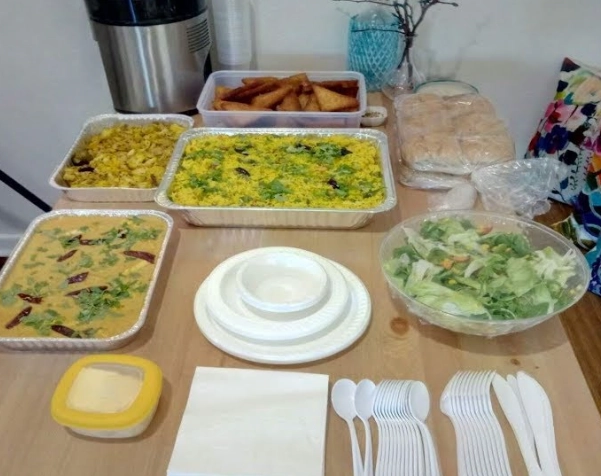
Why Indian Food is Perfect for Entertaining
Think about it. Most Indian meals are designed to be communal. You don't get one plate with neatly partitioned meat, starch, and veg. You get a symphony of dishes meant to be mixed, matched, and shared. This takes the pressure off you as the host. No more fretting about perfect individual plating. You create a beautiful, abundant centerpiece—a thali-style spread—and let your guests build their own perfect bite.
It's also incredibly forgiving. Many dishes taste better the next day, as the flavors deepen. You can prep a huge amount in advance. And let's be real, the aroma of spices toasting and onions caramelizing is a welcome scent no guest can resist. It sets the mood before a single bite is taken.
Crafting Your Indian Feast: A Step-by-Step Framework
Forget random recipes. A great meal has rhythm. Here’s a structure you can adapt, whether you're serving four or fourteen. This is the core of your Indian meal ideas for guests planning.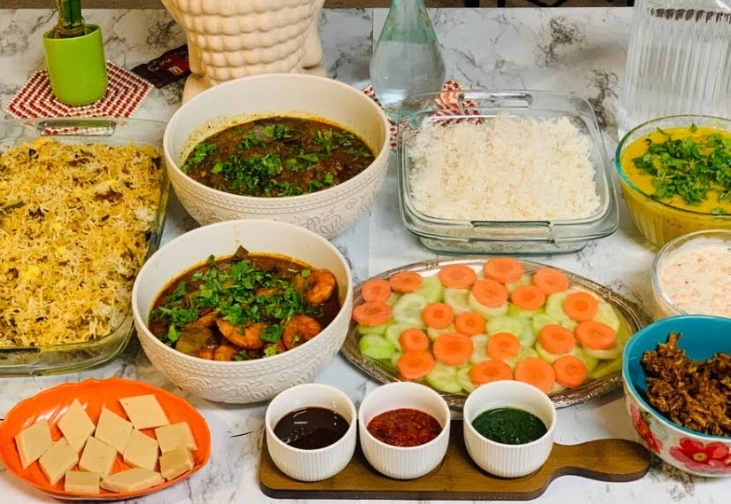
The Ultimate Make-Ahead Indian Feast Menu
This menu is designed for maximum flavor with manageable day-of work. It's balanced, crowd-pleasing, and covers all bases.
| Course / Category | Dish Options (Choose 1-2) | Why It Works & Make-Ahead Tip | Effort Level |
|---|---|---|---|
| Welcome / Starter | Vegetable Samosas, Paneer Tikka, Spiced Roasted Cashews | Gives guests something to nibble while you finish. Samosas freeze beautifully before frying. Paneer tikka marinade can sit overnight. | Medium |
| Main Event: The Gravy Dish | Butter Chicken, Chana Masala, Palak Paneer | The heart of the meal. All taste better made a day ahead. Reheat gently. | Medium-High (mostly passive cooking) |
| Main Event: The Dry / BBQ Dish | Tandoori Chicken, Malai Kofta, Bhindi Masala (okra) | Provides textural contrast. Tandoori chicken can be marinated for 48 hours. Kofta balls can be pre-fried. | Medium |
| The Essential Carb | Basmati Rice, Garlic Naan, Jeera Rice | Rice can be kept warm. Naan is best bought fresh and warmed. Consider a rice cooker for foolproof rice. | Low |
| The Fresh Counterpoint | Raita (yogurt with cucumber/mint), Kachumber Salad (onion, tomato, cucumber), Simple Green Salad | Cools the palate. Can be assembled in 10 minutes. Do not make raita too far ahead or it gets watery. | Low |
| The Grand Finale | Gulab Jamun (from a mix or store-bought), Mango Kulfi (ice cream), Fresh Fruit with Cardamom | Gulab jamun syrup can be made ahead. Kulfi freezes perfectly. Never stress about dessert. | Low |
See? It's not a single massive dish, but a collection of components. You can mix and match based on your skills and your guests' preferences.
The Crowd-Pleasing Classics (And How to Nail Them)
Let's dig into some specific dishes that are almost guaranteed wins. These are the pillars of reliable Indian meal ideas for guests.
Butter Chicken (Murgh Makhani): The universal favorite for a reason. Creamy, tangy, mildly spiced. The key is the tomato base—cook it down until the oil separates. A good recipe from a trusted source like BBC Good Food's butter chicken is a solid starting point. My tweak? A tiny pinch of kasuri methi (dried fenugreek leaves) crushed at the end. Game changer.
Chana Masala: The champion of vegetarian Indian food. Chickpeas in a robust, spicy gravy. It's cheap, hearty, and packed with protein. You can use canned chickpeas to save time (I do). The flavor comes from "chana masala" spice blend and a good squeeze of lemon at the end.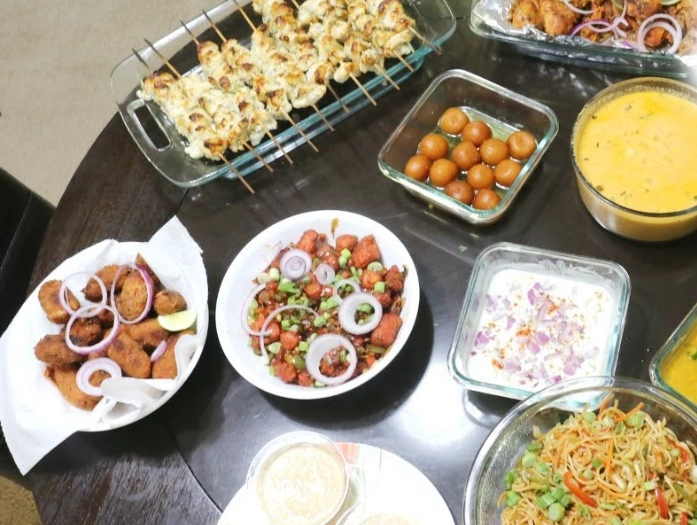
Dal Tadka: Comfort in a bowl. Lentils, simmered until tender, then topped with a sizzling "tadka" of ghee, cumin, garlic, and dried red chilies. It seems simple, but the tadka transforms it. Use split red lentils (masoor dal) for a quick-cooking version.
Vegetable Biryani: This is a project, I won't lie. But for a special occasion, the payoff is immense. Fragrant rice layered with spiced vegetables and herbs, then steamed together. The trick is partially cooking the rice before layering. It's a showstopper. If you're new to biryani, a "pulao" (where rice and veggies are cooked together) is a less stressful, still delicious alternative.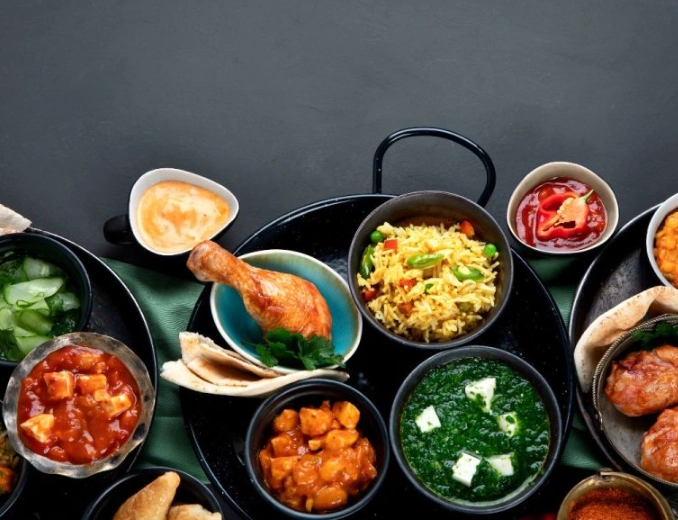
Managing Spice Levels: The Host's Secret Weapon
This is the biggest anxiety, right? You don't want a guest sweating and chugging water.
The solution is layered heat. Don't make every dish spicy. Design your menu with a range.
- Mild: Butter chicken, Malai Kofta, Korma, Raita, most dals (you control the green chilies).
- Medium: Most standard restaurant-style curries like a basic chicken curry, Chana Masala, Palak Paneer.
- Potentially Hot: Vindaloo, Phaal, some South Indian dishes. Just label these clearly if you make them.
I always have a bowl of plain yogurt (raita is perfect) on the table. It's the instant coolant. Also, remind guests that rice and bread are their friends for tempering heat.
What About Dietary Restrictions?
Indian cuisine is a godsend here. With a few mindful choices, you can cover almost everyone.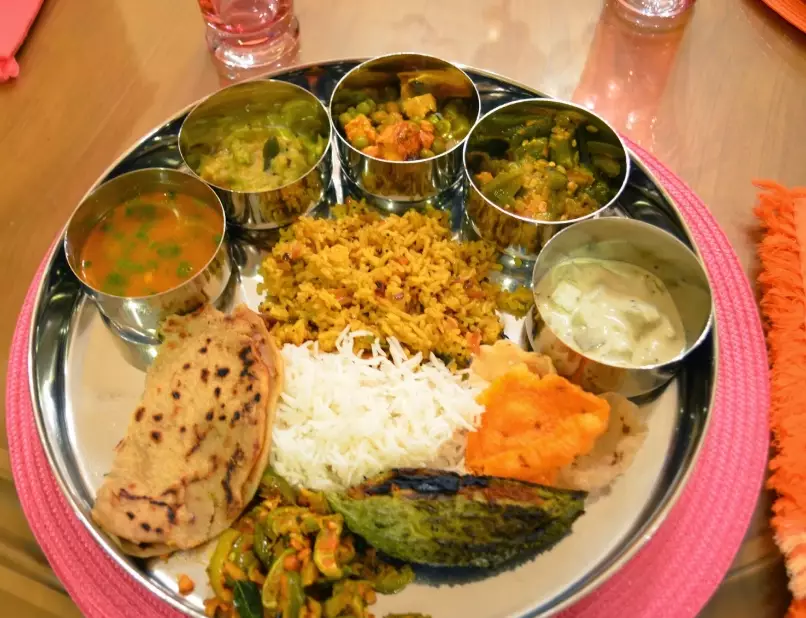
The Flexible Menu for Mixed Diets
For Vegetarians: Make Chana Masala or Palak Paneer your main "gravy" dish. Dal Tadka is always a win. Ensure your rice and bread are cooked without meat stock.
For Vegans: Focus on dishes like Chana Masala, Aloo Gobi (potato & cauliflower), Bhindi Masala, and Dal (made with oil instead of ghee). Coconut milk can substitute for cream in some curries.
For Gluten-Free: Rice, rice-based dishes, and most whole food curries are naturally gluten-free. Avoid obvious wheat like naan (offer papadums instead) and check that sauces aren't thickened with flour (most authentic ones aren't).
The strategy? Have one stellar vegetarian main that can serve as the primary dish for non-meat eaters, and that everyone else will enjoy as a side. Then add your meat dish. Everyone feels catered to.
The Practical Timeline: From Panic to Peace
This is where the rubber meets the road. A plan without a timeline is just a wish list.
3-4 Days Before: Grocery shop. Get all your spices, proteins, vegetables, rice, etc. Don't forget the garnishes—fresh cilantro, a lemon, ginger. Soak any dried legumes if using.
2 Days Before: Make any base pastes (onion-ginger-garlic). Marinate meats for dishes like Tandoori Chicken or Butter Chicken (the chicken can sit in the yogurt marinade for up to 48 hours, getting more tender). Make gulab jamun syrup if using.
1 Day Before (This is the Big One):
Cook your main gravy dishes (Butter Chicken, Chana Masala). Let them cool and refrigerate. Flavors will meld beautifully.
Prep vegetables for sides or salads (chop onions, tomatoes for kachumber, but don't mix with lemon yet).
Make dessert (kulfi needs to freeze).
Set the table, get out your serving bowls. One less thing to do on the day.
Day Of, 3-4 Hours Before Guests Arrive:
Take chilled curries out to come to room temp.
Start your rice (or get rice cooker ready).
If making samosas or another starter, fry/assemble now.
Make raita (but keep the cucumber separate until the last hour if you want it super crisp).
1 Hour Before:
Gently reheat your main curries on low heat, stirring occasionally. Add a splash of water if needed.
Cook/grill your dry dish (Tandoori chicken, paneer tikka).
Warm your bread (naan, roti).
Put out starters, drinks, and music.
Now you're not cooking, you're just reheating and assembling. You can actually talk to your guests.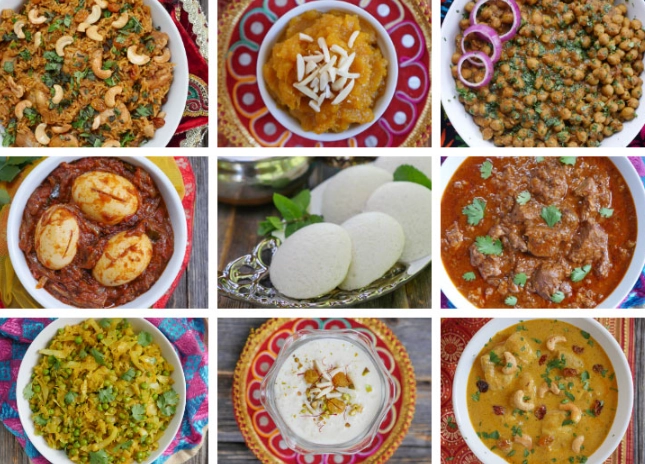
Drinks, Setting, and the Final Touches
The food is half the experience.
Drinks: Indian beer (Kingfisher, Taj Mahal) is a classic pairing. A crisp, off-dry white wine like Riesling or Gewürztraminer works wonders with spice. For non-alcoholic options, think beyond water: Mango Lassi (a yogurt smoothie), Jaljeera (a spicy cumin-mint drink), or even just sparkling water with a squeeze of lime and a pinch of salt.
Setting: You don't need saris and elephant statues. Keep it simple. Use lots of small bowls for each dish—the visual abundance is part of the fun. Tea lights, simple flowers. Have big spoons for serving.
The Rice & Bread Question: I usually do both. A pot of steamed basmati rice (maybe with a few whole spices like cardamom and clove thrown in) and a stack of warm naan or roti. Some guests are rice people, some are bread people. Cover both.
And finally, don't apologize for your food. Even if you think the chicken is a bit dry or the dal is a touch salty. Serve it with confidence. The spirit of sharing and the effort you've made is what people will remember.
Your Indian Meal Ideas for Guests: FAQ
It's about the joy of sharing.
At the end of the day, the best Indian meal ideas for guests aren't about perfection. They're about warmth, generosity, and flavor. They're about seeing your friends mix a bit of dal with some rice, scoop it up with a piece of naan, and close their eyes with a smile. That's the real goal.
Start with one or two dishes you're comfortable with. Maybe it's a simple dal and some jeera rice. Next time, add a raita. Then try a curry. Build your confidence and your spice cupboard slowly. Before you know it, you'll have your own signature spread, your own little repertoire of go-to Indian meal ideas for guests that you can whip up almost without thinking.
Now go on. Pick a menu, make a timeline, and get cooking. Your guests are in for a treat.
Discussion