Quick Navigation
- What Actually *Is* a Curry? Busting the Biggest Myth
- The Spice Rack Reality Check: What You Really Need
- The Two Main Roads: Understanding Curry Base Styles
- Three Foolproof Indian Curry Recipes to Build Your Confidence
- Your Indian Curry Recipe Toolkit: A Quick Reference
- Answers to the Questions You're Probably Googling
- Taking It Further: Resources and Next Steps
Let's be honest. The idea of cooking Indian curry recipes can feel a bit overwhelming, right? You see a list of 15 spices and think, "Do I really need all that?" I remember my first attempt. I threw everything in at once, and let's just say the result was... memorable. Not good memorable. More like "fire alarm" memorable. But here's the thing I learned the hard way so you don't have to: making a great Indian curry isn't about magic or secret ingredients. It's about understanding a few simple principles.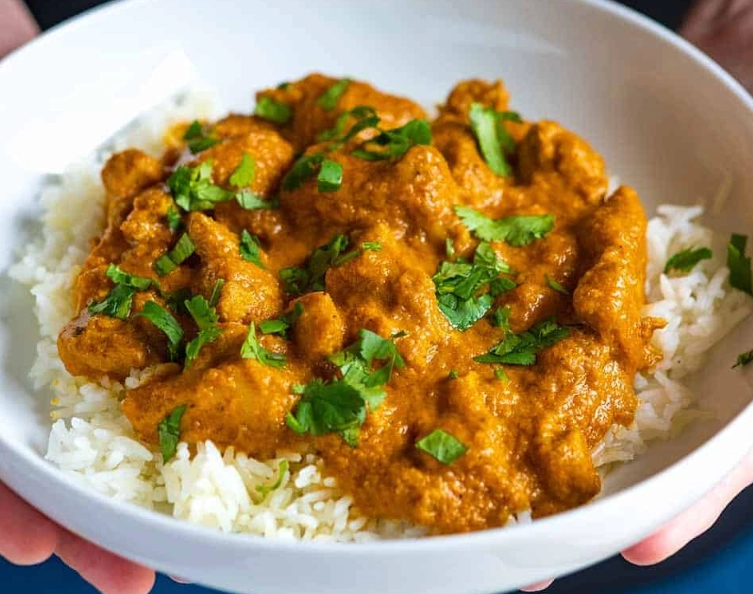
This guide is for anyone who's ever stared at a jar of garam masala with confusion or wondered why their homemade curry tastes nothing like the one from their favorite restaurant. We're going to strip it all back to basics, then build it up again. No fluff, no impossible-to-find ingredients. Just clear, actionable steps for creating incredible Indian curry recipes in your own kitchen.
What Actually *Is* a Curry? Busting the Biggest Myth
First off, let's clear something up. In the West, "curry" has become a catch-all term for any saucy, spiced Indian dish. But in India, the word is used more loosely, often derived from the Tamil word "kari" meaning sauce or gravy. What we're really talking about here are a vast array of regional dishes—sabzis, masalas, kormas, and more—that involve cooking ingredients in a spiced sauce.
The heart of any good Indian curry recipe lies in its layers of flavor. It's not a single-note experience. Think of it like building a house. You need a solid foundation (onions, ginger, garlic), a strong framework (core spices), and then you decorate it (finishing spices, herbs, cream). Skip a step, and the whole thing feels off.
The Spice Rack Reality Check: What You Really Need
You don't need a cupboard that looks like a spice bazaar. You need a handful of reliable players. Buying whole spices and toasting/grinding them yourself makes a world of difference, but I won't lie—it's a commitment. Pre-ground is absolutely fine to start with. Just try to buy from a store with high turnover to ensure freshness.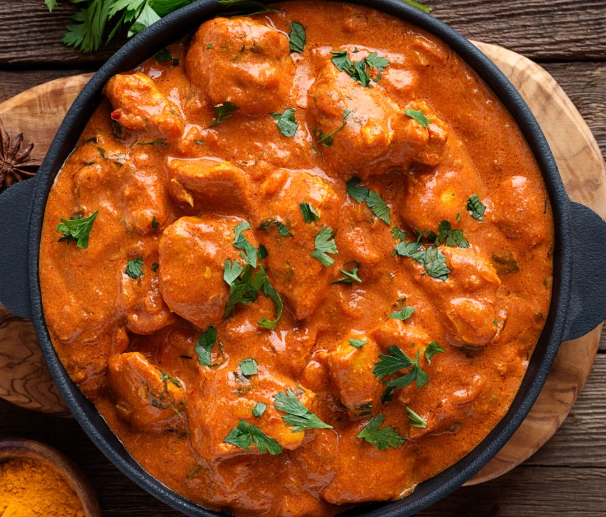
The Non-Negotiable Core Five
- Cumin Seeds (Jeera): Earthy, nutty, the absolute bedrock. Use whole for tempering, ground in the masala.
- Coriander Seeds (Dhania): Mild, lemony, and floral. It's the quiet background singer that holds the whole spice choir together. Almost always used ground.
- Turmeric (Haldi): For that golden color and its warm, slightly bitter earthiness. It's not there for heat.
- Garam Masala: This is your finishing spice blend. It's not a curry powder. It's a warm blend (often with cinnamon, cardamom, cloves) added at the end to perfume the dish. Don't fry it for too long!
- Red Chili Powder or Kashmiri Chili Powder: For heat and color. Kashmiri chili gives vibrant red color with moderate heat—a fantastic cheat code.
From there, you can expand. Mustard seeds for South Indian tempering, fenugreek leaves (kasoori methi) for that distinct restaurant-style flavor in butter chicken, asafoetida (hing) for a savory, umami punch in lentil dishes. But start with the core five. Master them.
The Two Main Roads: Understanding Curry Base Styles
Most North Indian curry recipes you'll encounter follow one of two main base structures. Knowing this is like having the map before the journey.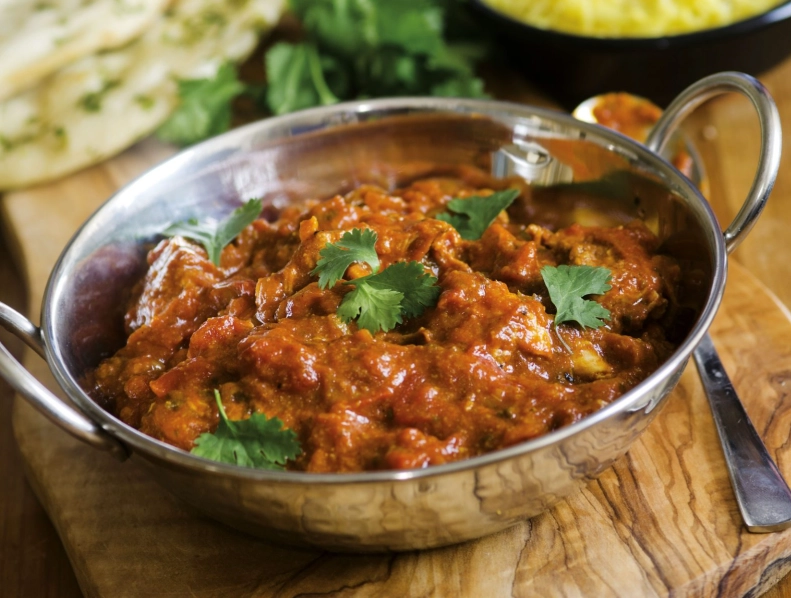
The Onion-Tomato Base (The Workhorse)
This is the foundation for probably 70% of the popular dishes—Butter Chicken, Chicken Tikka Masala, Paneer Makhani. You slowly cook down onions until deeply golden (this is key—pale onions mean bland curry), then add ginger-garlic paste, then tomatoes, and cook until the oil separates. This creates a rich, sweet-savory gravy. The "oil separating" part is crucial. It means the moisture from the onions and tomatoes has cooked off, and the fried spices are now suspended in the oil, meaning maximum flavor.
The Yogurt or Cream-Based Curry
Think Korma or Pasanda. Here, the base is often a nut paste (cashews, almonds) or a yogurt marinade that's carefully incorporated to form a rich, creamy, and mild sauce. The trick is to add yogurt off the heat and whisk it in slowly to prevent curdling. It's a more delicate technique, but results in something luxurious.
South Indian curries often take a different path, using coconut, tamarind, and a distinct set of spices like curry leaves and black mustard seeds. That's a whole other delicious world.
Three Foolproof Indian Curry Recipes to Build Your Confidence
Here are three classics, ranging from dead simple to slightly more involved. Each teaches you a different skill.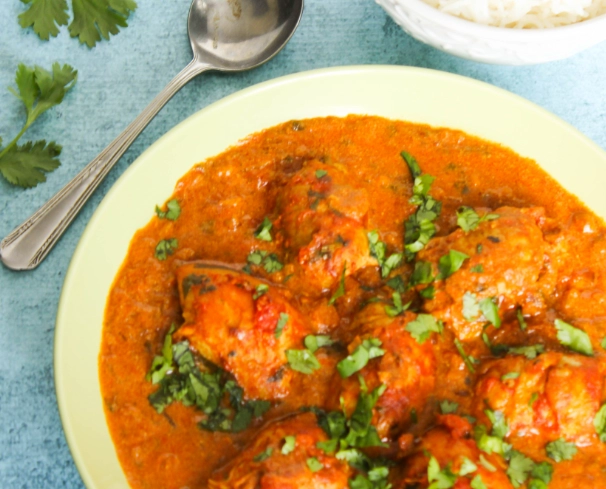
1. The Weeknight Hero: Simple Chana Masala (Chickpea Curry)
This is vegetarian comfort food at its best. No marinating, no fuss. It's all about the spices.
What you'll learn: The dry spice technique, using canned goods effectively.
Key Flavor: Tangy, hearty, deeply spiced.
My rough-and-ready method: Heat oil, crackle some cumin seeds. Add a big pinch of asafoetida if you have it (it's a game-changer for beans). Throw in a finely chopped onion and cook it down. Add ginger, garlic, green chili. Now the spices: a tablespoon of coriander powder, a teaspoon of cumin powder, half a teaspoon of turmeric, and chili powder to taste. Fry for just 30 seconds—don't let them burn! Add two cans of drained chickpeas and a can of crushed tomatoes. Add a good teaspoon of dry mango powder (amchur) for that essential sour note, or a squeeze of lemon at the end. Add water, simmer for 20 minutes. Finish with garam masala and fresh coriander. Serve with rice or roti. It's incredibly forgiving and gets better the next day.
2. The Crowd-Pleaser: Classic Butter Chicken (Murgh Makhani)
Yes, you can make this at home. No, it doesn't need a gallon of cream. The secret is in the marinade and the slow-cooked base.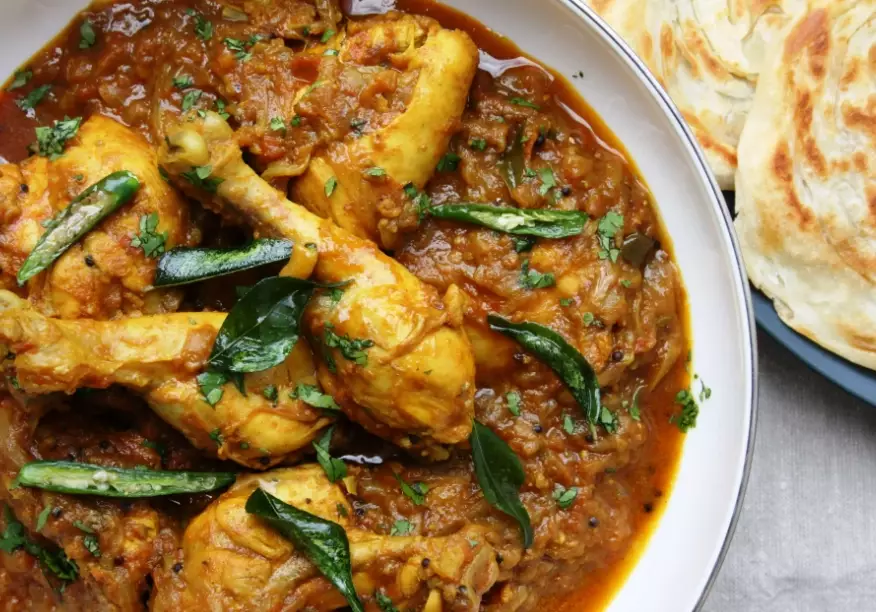
What you'll learn: Marinating with yogurt, building a silky onion-tomato base, finishing a sauce.
Key Flavor: Rich, smoky, tangy, and creamy.
Marinate chicken thighs in yogurt, lemon juice, ginger-garlic paste, red chili powder, and a bit of oil for at least an hour (overnight is gold). You can grill, bake, or pan-fry them until just cooked. For the gravy, cook down onions until caramelized. Add ginger, garlic, then tomatoes. Cook until it's a thick paste and the oil separates. Blend this until smooth—this is vital for that restaurant texture. Return it to the pan, add butter, kasoori methi (crush it between your palms—this is non-optional for that authentic aroma), garam masala, and a touch of sugar. Add the chicken, let it simmer gently. Finally, stir in a few tablespoons of cream or soaked cashew paste just before serving. Don't boil it after adding the cream.
3. The Flavor Bomb: Goan Fish Curry
A departure from the North Indian style, this is a quick, vibrant curry from the coast. It uses coconut and kokum or tamarind for souring.
What you'll learn: Working with coconut, using a different souring agent.
Key Flavor: Hot, sour, coconutty, and fresh.
Make a paste of grated coconut, dried red chilies, turmeric, coriander seeds, and a little water. Sauté some mustard seeds and curry leaves in oil (that sizzle is the sound of flavor). Add the paste and cook for a few minutes. Add water to get your desired consistency, then drop in kokum petals or a bit of tamarind pulp. Bring to a simmer, add firm white fish pieces, and cook gently for 5-7 minutes until the fish is done. That's it. It's fast, healthy, and exploding with bright, bold flavors.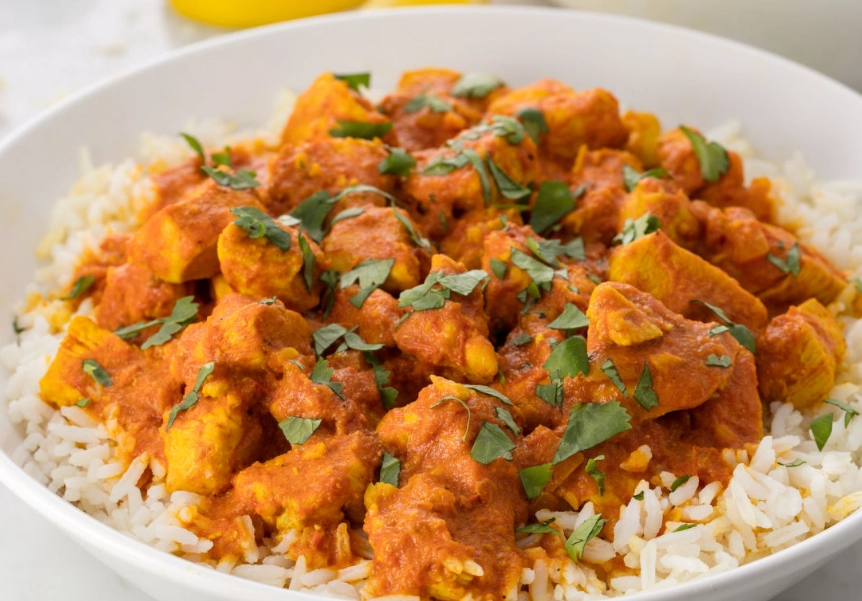
Your Indian Curry Recipe Toolkit: A Quick Reference
Sometimes you just need to see it all in one place. Here's a breakdown of common elements across many Indian curry recipes.
| Component | What It Is | Common Examples & Purpose | My Honest Take |
|---|---|---|---|
| The Foundation (Tadka/Base) | Onions, ginger, garlic cooked in fat. | Onions (golden = sweet depth), Ginger-Garlic Paste (pungent base), Green Chilies (fresh heat). | Don't rush the onions. This step can make or break your dish. Low and slow wins the race. |
| The Spice Layer | Core ground spices added to the base. | Coriander, Cumin, Turmeric, Red Chili Powder. Fried briefly in oil. | If your spices smell burnt or bitter, you've cooked them too long. Add a splash of water to cool the pan if needed. |
| The Body | Liquid and main ingredients. | Tomatoes (acidity, body), Yogurt (tang, tenderness), Coconut Milk (richness), Water/Stock. | Canned tomatoes are more consistent than fresh for a gravy. For a smoother sauce, blend the cooked base. |
| The Main Event | The protein or vegetables. | Chicken (thighs > breasts), Lamb, Paneer, Chickpeas, Lentils, Potatoes, Spinach. | Pre-cook dense veggies or tough meats before adding to the sauce to ensure everything finishes together. |
| The Finish | Final aromatics and enrichments. | Garam Masala (perfume), Kasoori Methi (distinct aroma), Cream/Butter (richness), Fresh Cilantro (brightness). | Adding garam masala at the end preserves its delicate aroma. Crushing dried fenugreek leaves releases their magic. |
Answers to the Questions You're Probably Googling
Let's tackle some of those nagging doubts head-on. I've asked myself all of these.
Why does my homemade curry taste bland compared to restaurants?
Nine times out of ten, it's one of three things: 1) Not enough salt. Salt is a flavor amplifier. Undersalted food tastes flat. 2) Undercooked onion-tomato base. You haven't cooked it down until the oil separates, so the flavors haven't concentrated. 3) Old, stale spices. Ground spices lose their potency in about 6 months. If your garam masala doesn't smell of anything, it won't taste of anything.
Can I make a good curry without a ton of oil or cream?
Absolutely. The oil is a medium for frying spices and carrying flavor, but you don't need a swimming pool of it. Use a good non-stick pan and measure your oil (start with 2-3 tbsp for a recipe serving 4). For creaminess, try blending soaked cashews or raw almonds into a paste. It adds body and richness without dairy. Yogurt is another great, lighter option.
What's the deal with "curry leaves"? Are they the same as curry powder?
No relation! Curry leaves (kadi patta) are a fresh herb used primarily in South Indian cooking, with a unique, citrusy, aromatic scent. They're used in a tempering (tadka) with mustard seeds. Curry powder is a British invention—a pre-mixed blend meant to approximate Indian flavors. It's fine in a pinch, but for authentic Indian curry recipes, you'll get far better results building flavors with individual spices.
How do I fix a curry that's too spicy, too salty, or too acidic?
Too spicy: Add something dairy-based (yogurt, cream, coconut milk) or something starchy (more potatoes, chickpeas). A little sugar or honey can also help round out the heat.
Too salty: Add more of the unsalted main ingredients (potatoes, more vegetables, cooked lentils) or a bit of liquid (water, coconut milk). A squeeze of lemon can sometimes distract the palate.
Too acidic/tangy: A pinch of sugar is the easiest fix. You can also add a bit of dairy to mellow it out.
Taking It Further: Resources and Next Steps
Once you've got the basics down, the world of Indian cooking opens up. To dive deeper into techniques and authenticity, I find it helpful to look at resources from established culinary institutions or experts. For example, the BBC Good Food curry collection is a reliable starting point for tested, approachable recipes. For a deeper dive into the science and history of spices, the McCormick Science Institute offers fascinating, research-backed information on individual spices.
Remember, the best Indian curry recipes are the ones you enjoy making and eating. Start simple, taste fearlessly, and don't be afraid to mess up. My first butter chicken was a pale, watery shadow of what it is today. But each attempt taught me something. Your kitchen, your rules. Now go warm up some spices.
Discussion