Let's cut through the noise. An authentic Indian kebab isn't just a piece of grilled meat. It's a story of marination, spice layering, and technique passed down through generations, from the royal kitchens of Lucknow to the bustling street carts of Old Delhi. Most recipes online get one thing fundamentally wrong: they treat the marinade as a simple sauce. In reality, it's a biochemical tenderizer and flavor infusion system. I learned this the hard way after years of dry, bland results, until a chef in Hyderabad showed me the difference yogurt and raw papaya (or a bit of baking soda) make. Forget the dry, chewy imitations. Here’s how to capture that smoky, tender, explosively flavorful magic in your own kitchen.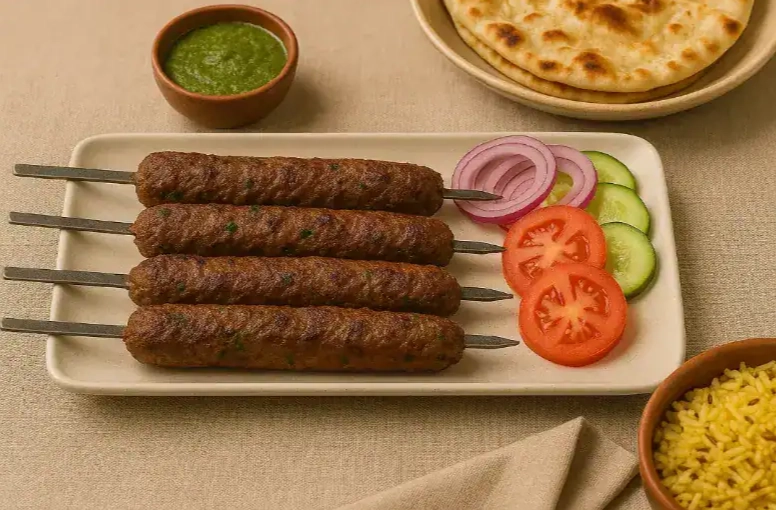
What's Inside This Guide?
What Makes an Indian Kebab Authentic?
It's not just the spices. It's the process. Authenticity hinges on three pillars you can't skip.
The Meat & Its Prep: For seekh kebab, you need fatty meat—80/20 lamb or beef mince is ideal. Lean meat equals tough kebabs. For chicken tikka, always use boneless, skinless thighs. Breasts dry out too fast, no matter what you do. The cut matters as much as the marinade.
The Marinade is a Multi-Tasker: It's not just for flavor. The acids (yogurt, lemon) and enzymes (ginger, papaya) break down proteins, ensuring tenderness. The oil (mustard oil is classic for many) carries fat-soluble flavors deep into the meat. Rushing this step is the number one home cook mistake. Four hours is a minimum; overnight is transformational.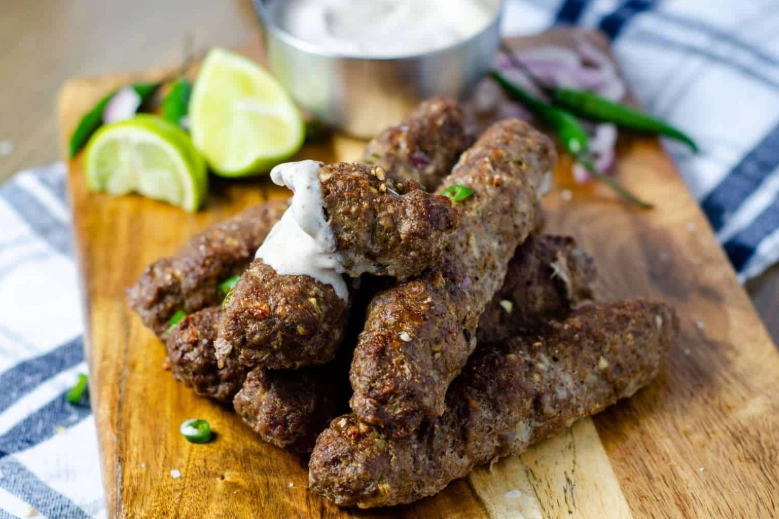
Spice Balance Over Heat: Authentic kebabs aren't necessarily fiery hot. The warmth from black pepper or dried red chili is balanced by aromatic garam masala, the tang from dried mango powder (amchur), and the earthy depth of roasted coriander and cumin seeds. Toasting whole spices and grinding them fresh? That's the game-changer most skip.
How to Make Seekh Kebab at Home (The Street Food King)
This is the iconic, cylindrical kebab you see sizzling on vertical skewers over coal. The secret is in the binding and the slow, smoky cook.
Ingredients You'll Need:
- 500g lamb or beef mince (20% fat content)
- 1 large onion, finely chopped or grated
- 2 tbsp chickpea flour (besan), dry-roasted until fragrant
- 1.5 tbsp ginger-garlic paste
- 1.5 tsp Kashmiri red chili powder (for color, not extreme heat)
- 1 tsp roasted cumin powder
- 1 tsp coriander powder
- 1 tsp garam masala
- 1/2 tsp black pepper, crushed
- 2 tbsp fresh cilantro, chopped
- 1 tbsp mint, chopped (optional)
- 1.5 tsp salt, or to taste
- 1 tbsp mustard oil or neutral oil
- 1 egg white or 2 tbsp thick yogurt (binding agent)
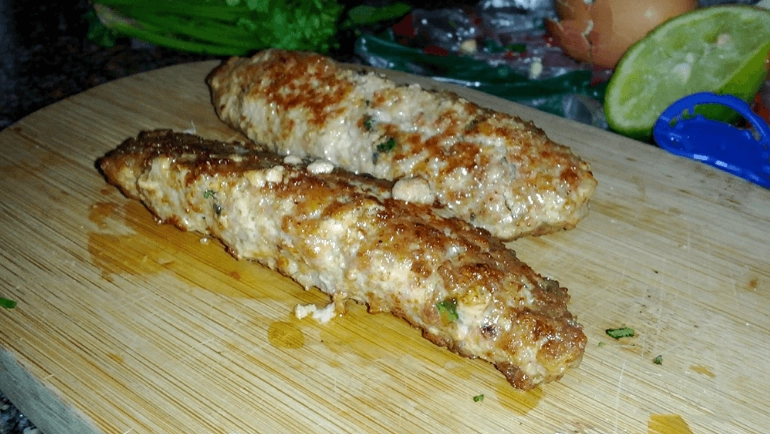
The Step-by-Step Process:
1. Prep and Squeeze: If you grated the onion, squeeze out ALL the excess water using a muslin cloth or your hands. Watery onion will make the mixture soggy and cause breakage.
2. Mix and Knead: Combine all ingredients in a large bowl. Now, get your hands in there. Knead, squeeze, and pound the mixture for a good 5-7 minutes until it becomes a sticky, pasty mass that holds together. This is non-negotiable.
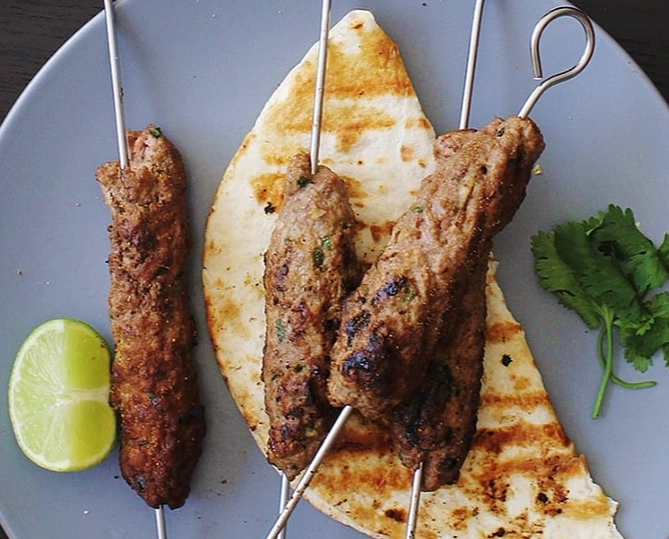
3. The Skewer Test: Wet your hands, take a handful of mixture, and mold it firmly around a metal or soaked wooden skewer. Shape it into a smooth, even cylinder. It should adhere well. If it slides or feels loose, knead for another minute.
4. Cook Slow and Smoky: Grill over medium-hot charcoal for the best flavor. If using an oven, use the broil/grill setting on high, with the skewers placed close to the element, turning every 3-4 minutes until charred in spots. A cast-iron grill pan on the stove works too. Aim for an internal temp of 71°C (160°F).
The Ultimate Chicken Tikka (Restaurant-Style)
That vibrant red, impossibly tender chicken tikka from your favorite spot? It's all about the marinade chemistry and high heat.
| Ingredient | Quantity | Purpose |
|---|---|---|
| Boneless chicken thighs | 800g, cubed | Stays juicy during high-heat cooking |
| Thick, full-fat Greek yogurt | 1 cup | Tenderizer & base |
| Ginger-garlic paste | 1.5 tbsp | Pungent, aromatic base |
| Kashmiri red chili powder | 1.5 tbsp | Color & mild heat |
| Garam masala | 1 tsp | Warming spice blend |
| Kasuri methi (dried fenugreek leaves) | 1 tbsp, crushed | Distinctive aroma |
| Mustard oil | 2 tbsp | Authentic pungent flavor carrier |
| Lemon juice | 2 tbsp | Acid for tenderizing |
| Salt | 1.5 tsp | To taste |
| Optional: red food color (natural) | A pinch | For classic restaurant hue |
Marination Method: Whisk everything except chicken into a smooth paste. Prick chicken cubes with a fork, add to marinade, coat thoroughly. Cover and refrigerate for at least 6 hours, ideally 24. The yogurt works slowly.
Cooking: Thread onto skewers, leaving small gaps. Grill over very high heat (or under a broiler) for 8-10 minutes, turning once, until slightly charred at edges and cooked through. The high heat seals in the marinade.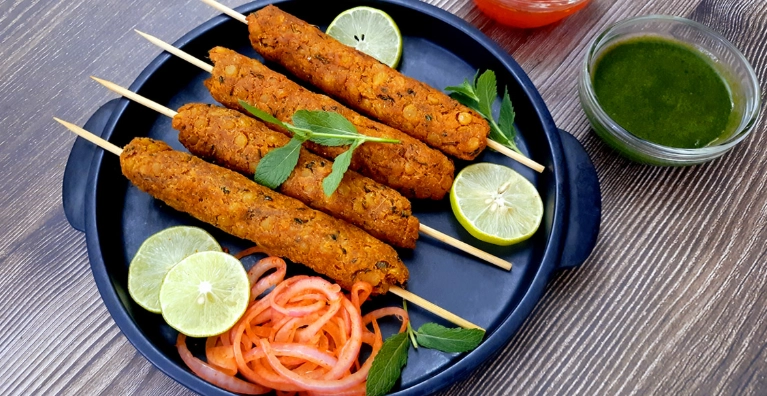
Must-Try Vegetarian & Other Kebab Stars
Indian kebabs aren't just about meat. The vegetarian repertoire is vast and incredible.
Paneer Tikka: Use the same marinade as chicken tikka, but marinate firm paneer cubes, bell peppers, and onions for just 1-2 hours (longer and the paneer can break down). Grill quickly.
Hara Bhara Kebab: Literally "green kebabs." A mix of spinach, peas, potatoes, and spices, pan-fried until crisp. A fantastic freezer-friendly option.
Galouti Kebab: The "melt-in-your-mouth" kebab from Lucknow. Made with finely pounded meat and a secret blend of over 100 spices, it's traditionally cooked on a griddle. The home cook hack? Use very finely minced meat and add a paste of soaked poppy seeds and fried onions for that tender texture.
Grilling, Frying, Baking: Navigating Cooking Methods
No tandoor? No problem. Here’s how to adapt.
Charcoal/Gas Grill: The gold standard for seekh kebab and tikka. Provides smokiness. Use medium-high indirect heat for seekh, direct high heat for tikka.
Oven Broiler/Grill: A great substitute. Place the skewers on the top rack, as close to the heating element as possible. Turn halfway. It won't be as smoky, but you'll get great char.
Stovetop Grill Pan: Excellent for all kebabs. Get it screaming hot before adding the kebabs. Don't overcrowd.
Pan-Frying (Shallow Fry): Ideal for patty-shaped kebabs like shami or hara bhara. Use a neutral oil with a high smoke point. Don't flip repeatedly.
Air Fryer: It works surprisingly well for reheating and can cook kebabs from raw. Spray with oil and cook at 200°C (390°F) for 10-12 minutes, shaking halfway. The texture is different—more like baked—but it's a healthy, convenient option. A study by the Journal of Food Science notes air frying can reduce fat content by up to 70-80% compared to deep frying, which is great for healthier versions.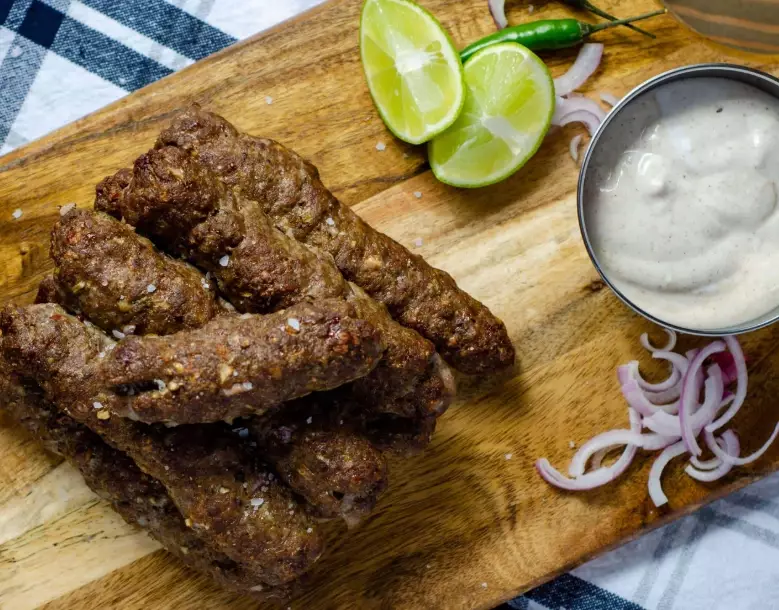
Your Kebab Questions, Answered
My seekh kebab mixture is too wet and falls apart. How do I fix it?
This almost always comes from not squeezing the moisture out of onions or using watery yogurt. Add a tablespoon of dry-roasted chickpea flour (besan) or breadcrumbs to the mixture and knead it in. Let it rest in the fridge for 30 minutes to allow the binder to absorb excess moisture before shaping.
Can I make kebabs without a skewer or grill?
Absolutely. For seekh kebab, shape the mixture into small patties or logs and pan-fry them in a little oil over medium heat until cooked through. They'll be more like shami kebabs but just as delicious. For chicken tikka, spread the marinated cubes on a parchment-lined baking sheet and broil them, turning once.
What's the best way to get that smoky tandoori flavor at home?
The "dhungar" method is a classic cheat. After marinating but before cooking, place a small piece of burning charcoal in a heatproof bowl (like a small steel katori). Place this bowl in the center of your marinating dish. Drizzle a teaspoon of oil or ghee over the charcoal. It will immediately start smoking. Quickly cover the entire dish with a tight lid. Let it sit sealed for 5-10 minutes. The smoke infuses the meat beautifully.
 How long can I store uncooked marinated kebab meat?
In the refrigerator, chicken or meat in a yogurt-based marinade is safe for up to 2 days. For fish, marinate for no more than 30 minutes to an hour before cooking. You can also freeze the shaped, uncooked kebabs (place them on a tray until solid, then transfer to a bag). Cook from frozen, adding a few extra minutes to the cooking time. According to USDA guidelines, raw marinated poultry should be cooked within 1-2 days for optimal safety and quality.
My chicken tikka always turns out dry. What am I doing wrong?
You're likely overcooking it or using chicken breast. Switch to thighs—they're forgiving. Also, ensure your cooking heat is maximized. The goal is a fast, searing cook that locks in juices. If broiling, don't walk away. Check at the 6-minute mark. Finally, let the cooked tikka rest for 3-4 minutes before serving; the juices will redistribute.
Discussion