Quick Guide
You see it everywhere, right? The bright yellow powder in a jar labeled "curry." That's what most people think Indian food is all about. I used to think that too. My first attempt at a chicken curry was a disaster—a bland, gritty mess that tasted like dust with a kick. I threw in a heaping spoonful of that pre-mixed powder, followed a generic recipe, and ended up deeply confused. Why didn't it taste like the food from my favorite restaurant? Or like the incredible meals my friend's Punjabi grandmother makes? What was I missing? What is the secret to Indian cooking that everyone else seemed to know?
Turns out, that jar is the first and biggest lie. The real secret isn't a single ingredient you can buy. It's a philosophy. A way of building flavor, layer by patient layer. It's about understanding the role of each component, from the oil you start with to the final sprinkle of fresh herbs. It's less about rigid recipes and more about a set of core principles. Once you get these, you can cook Indian food intuitively. You stop following and start creating.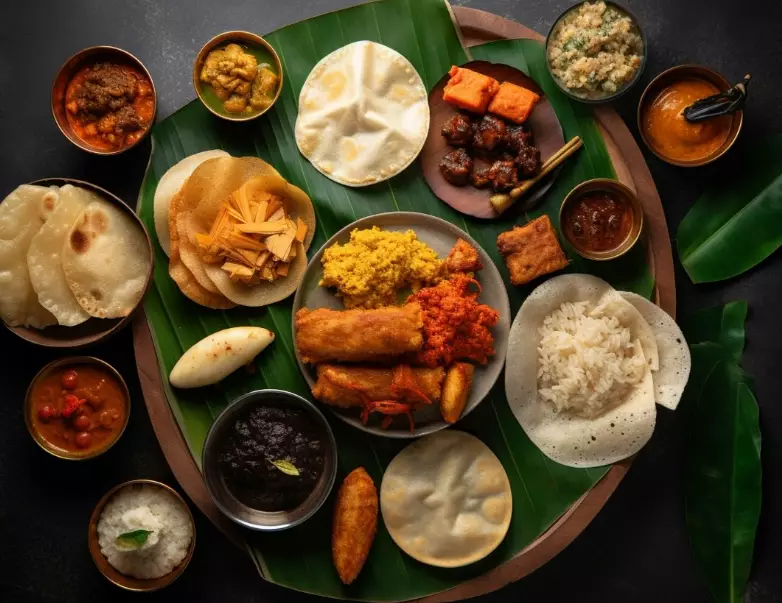
The Real Foundations: It's Not What You Think
Forget fancy techniques for a second. The bedrock of most savory Indian dishes, especially across the North, rests on a few humble but non-negotiable elements. Get these right, and you're 60% there.
The Holy Trinity: Onions, Tomatoes, Ginger & Garlic
This is your canvas. But it's not just chopping and throwing them in. The transformation of these ingredients is crucial.
Onions need to be cooked slowly, often for 15-20 minutes, until they turn deeply golden, almost caramelized. This isn't sautéing; this is bhunoing—a process of frying and stirring until the moisture evaporates and the onions melt into a sweet, golden paste. Rushing this step is the number one reason homemade curries taste sharp and raw. I've impatiently rushed this step more times than I care to admit, always regretting the thin, acidic sauce that resulted.
Tomatoes, if used, are then added and cooked down until they lose their raw tang and the oil starts to separate from the mixture. You'll see little droplets of oil glistening around the edges of the masala paste. That separation is a key visual cue—it tells you the tomatoes are cooked through and the flavors have concentrated.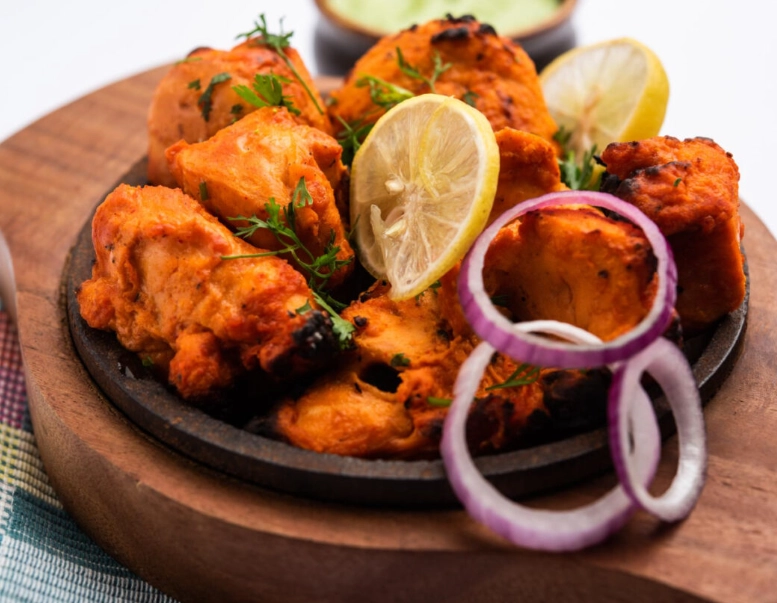
And ginger-garlic paste? Freshly made is a game-changer. The jarred stuff works in a pinch, but it often has a metallic, preservative aftertaste. Grinding equal parts peeled ginger and garlic with a splash of water into a smooth paste takes five minutes and adds a vibrant, pungent aroma that pre-packaged paste just can't match.
The Spice Matrix: Whole vs. Ground, and When to Use Them
This is where people get overwhelmed. You don't need 50 jars. Start with a core pantry. The secret lies in when you add them.
| Spice | Form (Whole/Ground) | When to Add | Purpose & Flavor |
|---|---|---|---|
| Cumin (Jeera) | Both | Whole: Start in hot oil. Ground: Later with other powders. |
Earthy, nutty base note. Whole seeds crackle in oil to infuse it. |
| Coriander (Dhania) | Mostly Ground | Mid-cooking, after onions/tomatoes soften. | Citrusy, sweet backbone. Provides body and thickness to gravy. |
| Turmeric (Haldi) | Ground | Early, with ginger-garlic or other powders. | Earthy, pungent. Adds color and anti-inflammatory properties. Use sparingly—it can be bitter. |
| Garam Masala | Ground (blend) | VERY END of cooking or as garnish. | Warming spice blend (cardamom, clove, cinnamon). Adding it early kills its delicate aroma. This is a common mistake! |
See the pattern? Whole spices often go in first to flavor the oil. Ground spices (like coriander, turmeric, red chili powder) are added after the onions/tomatoes to cook out their raw edge and blend into the gravy. Finishing spices (like garam masala, dried fenugreek leaves) are stirred in at the last minute. This layering is non-negotiable.
The Unspoken Techniques That Make All the Difference
Okay, you have your ingredients. Now, how you handle them is the second half of the secret to authentic Indian cooking.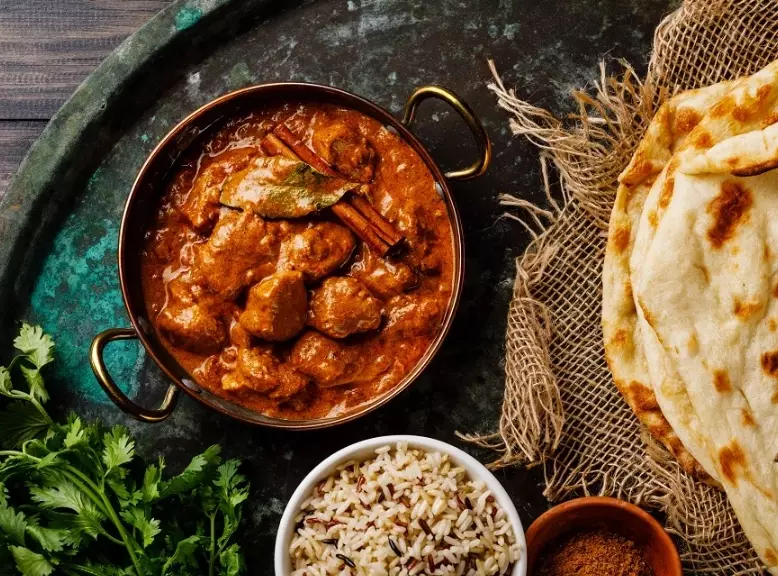
Tempering (Tadka/Chaunk)
This is the ultimate flavor booster. It’s the technique of frying whole spices in hot oil or ghee and then pouring this sizzling, fragrant mixture over a finished dish. You hear the crackle—that’s how it gets its name. A simple dal (lentil soup) is transformed by a tadka of cumin seeds, dried red chilies, and asafoetida sizzled in ghee. It adds a burst of aroma and a layer of complexity that cooking the spices within the dish doesn't achieve. It’s like the final tuning of an instrument.
Slow Cooking & Patience
Indian food, especially meat curries and some legume dishes, benefits immensely from slow, patient cooking. It’s not always fast. A good goat curry or a robust rajma (kidney bean curry) needs time on a low simmer for the spices to penetrate and the meat or beans to become meltingly tender. This isn't about convenience; it's about developing depth. A pressure cooker speeds up the physical softening, but sometimes letting something bubble away on the stove for an hour makes the flavors marry in a way that can't be rushed.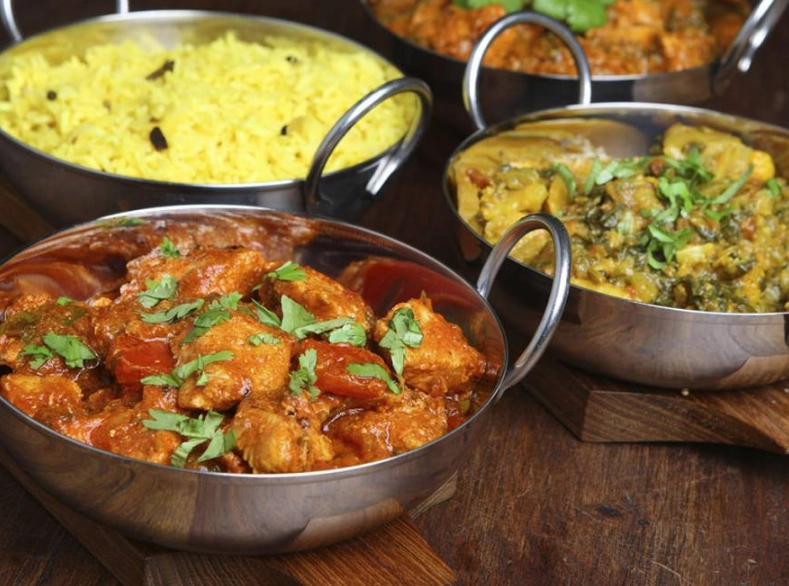
The Role of Dairy: Yogurt, Cream, and Ghee
Dairy isn't just for richness; it's a tool. Yogurt is often used as a marinade to tenderize meat (the acids break down proteins). But when adding it to a hot curry, you must whisk it thoroughly and add it on low heat, stirring constantly, or it will split and curdle. I've made that mistake—it looks grainy and unappetizing. Cream or cashew paste adds body and a velvety texture, balancing heat and acidity. And ghee (clarified butter)? It’s not just any fat. It has a high smoke point and a rich, nutty flavor that carries spice aromas beautifully. Using a tablespoon of ghee for a tadka makes a world of difference compared to neutral oil.
Regional Secrets: India is Not a Monolith
This is critical. Asking "what is the secret to Indian cooking" is like asking the secret to European cooking. The answer changes every few hundred miles.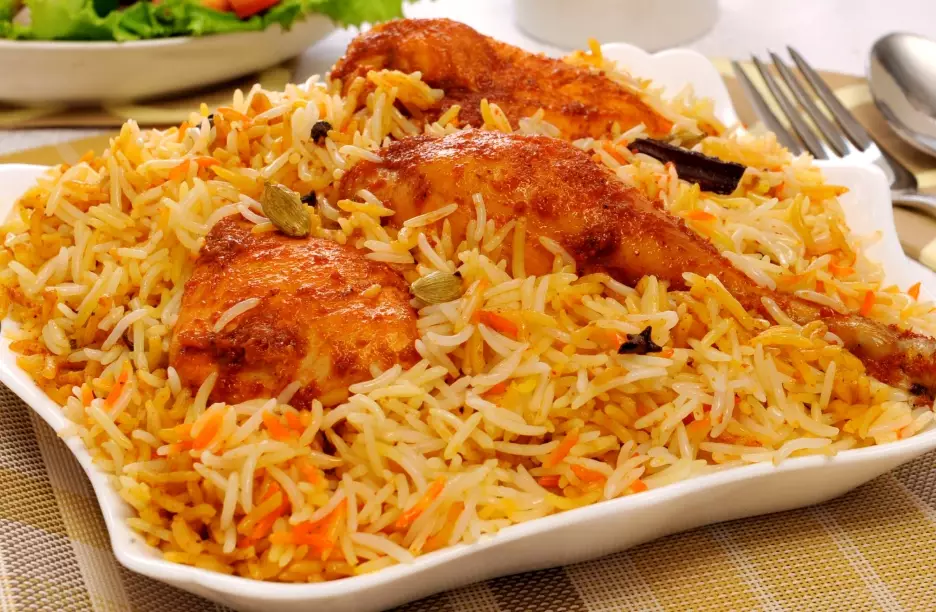
- South India: Relies heavily on rice, lentils, coconut, and tamarind. The tempering often starts with mustard seeds and curry leaves. Dishes are frequently soupy (sambar, rasam) or dry-roasted. The word "curry" itself has complex origins, largely tied to British interaction with South Indian cuisine.
- North India: Wheat-based breads (roti, naan), richer gravies using onions, tomatoes, nuts, and dairy. Tandoori cooking (clay oven) is prominent. This is the style most familiar globally.
- West India (Gujarat/Maharashtra): Often has a sweet-and-sour balance (jaggery and tamarind). Peanuts and coconut are common. Dhokla, a steamed savory cake, is a staple.
- East India (Bengal, Odisha): Mastery of fish, mustard oil, and poppy seeds. Fermentation is key. Sweets are a huge part of the culture.
So, part of the secret is to specify *which* Indian cooking you're talking about. The Incredible India tourism portal offers a great high-level glimpse into this regional diversity, which is officially celebrated as part of the country's cultural heritage.
Your Home Kitchen Toolkit: No Fancy Gear Needed
You don't need a tandoor. A few basics will get you far.
A heavy-bottomed pot or kadai: This is essential for even heat distribution to prevent burning during that long onion-cooking process. Thin pots will scorch your masala.
A spice grinder or mortar & pestle: For fresh powders and pastes. A cheap coffee grinder dedicated to spices is perfect.
A blender/immersion blender: For smoothing out onion-tomato masalas into restaurant-style creamy gravies. Not always necessary, but helpful.
The most important tool: Your senses. Look for the oil separating. Smell the aroma of toasted cumin. Listen for the crackle of the tadka. Taste constantly and adjust.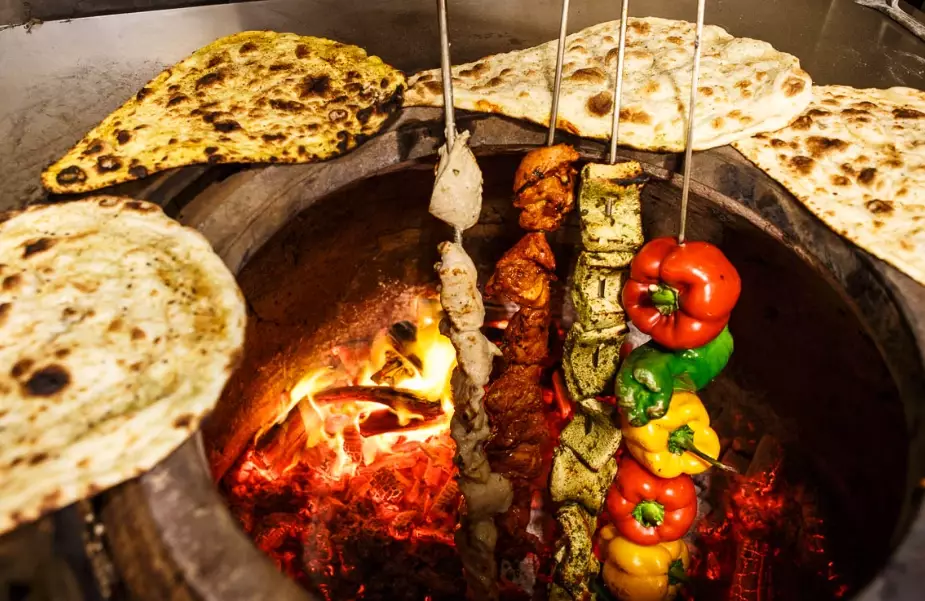
Answering Your Burning Questions
How do I make my curry creamy without cream?
Soak a handful of raw cashews or almonds in hot water for 30 minutes, then blend into a smooth paste. Add this to your gravy. It adds incredible richness, body, and a slight sweetness. Onion paste (slow-cooked onions blended smooth) also works wonders.
Why is my curry always too watery / too thick?
Control is in the evaporation. If it's too watery, simmer uncovered until it reduces to your liking. If it's too thick, add hot water in small increments. Remember, many dishes thicken slightly as they cool. For a quick thickener, a paste of crushed cashews, poppy seeds, or even a tablespoon of besan (gram flour) roasted in a bit of oil and then stirred in can help.
How can I reduce the heat but keep the flavor?
Easily! Use Kashmiri red chili powder. It gives a vibrant red color and flavor with only a fraction of the heat of regular chili powder. Also, de-seed your green chilies. The heat is in the seeds and white pith. The flesh adds flavor without as much burn.
Is ghee really necessary? Can I use oil?
For authenticity in many dishes, yes, ghee's flavor is part of the profile. But you can absolutely use a neutral oil like avocado or grapeseed. Mustard oil (pungent, used in the East) is an acquired taste. For a vegan alternative, coconut oil works well in South Indian dishes. A good resource for understanding these traditional fats is Bon Appétit's exploration of ghee, which breaks down its culinary properties.
And let's be real—sometimes you just want a quick, tasty meal. A well-made, complex spice blend from a reputable brand can be a great shortcut on a busy weeknight. The secret to Indian cooking at home, ultimately, is making it work for *your* life. Start with the classics to understand the principles, then adapt.
So, What *Is* The Secret to Indian Cooking? Let's Wrap It Up.
It's not one thing. It's a symphony. It's the layering of spices—whole first, ground later, finishing touches last. It's the patience to cook onions down to a golden jam. It's understanding the role of fat (ghee, oil) as a flavor carrier. It's the technique of the tadka, that final aromatic punch. It's respecting regional differences. And perhaps most importantly, it's moving beyond the idea of a single "curry powder" and embracing the individual characters of cumin, coriander, cardamom, and more.
The secret to Indian cooking is building, not just mixing. You build a flavor base, you build layers of aroma, you build complexity through technique and time. It might seem daunting, but start with one dish. Master a simple dal with a tadka. Get comfortable with the onion-tomato-ginger-garlic process. Taste, adjust, and don't be afraid to mess up. My first few attempts were far from perfect, but each mistake taught me what to listen for, what to look for.
Forget the jar. Grab some whole cumin seeds, a fresh onion, and a little patience. That's where the real journey—and the real secret—begins.
Discussion