Quick Navigation
Let's be honest. The idea of making Indian food from scratch can feel pretty intimidating. All those spices, the long ingredient lists, the fear of ending up with a bland curry or, worse, something inedibly spicy. I remember my first attempt years ago. I threw every spice I had into a pot, and let's just say the result was... memorable, but not in a good way. It tasted like dirt and perfume had a fight. But here's the thing I learned: making authentic Indian food at home isn't about magic or secret chef skills. It's about understanding a few core principles. Once you get those down, the whole world of dals, curries, biryanis, and breads opens up. This guide is the one I wish I had when I started. We're going to break it down, step by step, no fancy jargon, just clear, actionable advice on how to make Indian food from scratch that actually tastes like it came from a proper kitchen, not a jar.
Your Foundation: The Non-Negotiable Spice Cabinet
You can't talk about how to make Indian food from scratch without talking about spices. This is the soul of the cuisine. But you don't need fifty jars. You need a solid foundation. Think of it like building a wardrobe—start with the classics. I'm going to split these into two groups: the whole spices and the ground powders. The whole spices are for tempering and building base flavors, while the ground ones are for the main body of the curry.
The Whole Spice Starter Kit
Buy these whole. Trust me, the flavor difference is night and day compared to pre-ground. You'll toast and grind them yourself, or fry them whole in oil to release their oils. This technique, called "tadka" or "chaunk," is a game-changer.
| Spice | Flavor Profile | Core Use & Pro Tip |
|---|---|---|
| Cumin Seeds (Jeera) | Earthy, warm, slightly nutty and citrusy. | The workhorse. Used in almost every tadka. Fry in hot oil until they sizzle and darken a shade. Don't burn them! Burnt cumin tastes bitter. |
| Brown Mustard Seeds (Rai) | Pungent, nutty, pops like popcorn when fried. | Essential for South Indian and Gujarati cooking. Heat oil, add seeds, and cover the pan immediately until the popping slows. It's fun and smells amazing. |
| Coriander Seeds (Dhania) | Lemony, floral, subtly sweet. | Often dry-roasted and ground for curry powders. It's a background player that adds incredible depth. Don't skip it. |
| Cardamom Pods (Elaichi) | Intensely aromatic, sweet, floral (Green) / smoky, camphorous (Black). | Green: for sweets and rich curries (like butter chicken). Black: for robust biryanis and meat dishes. Crush the pod lightly before adding to release flavor. |
| Cinnamon Sticks (Dalchini) | Sweet, woody warmth. | Use a small 1-inch piece for curries. It's not just for desserts. It adds a subtle sweetness that balances tomatoes and chili. |
| Cloves (Laung) | Strong, pungent, sweetly medicinal. | Use sparingly! One or two go a long way. They can overpower a dish. Great in rice dishes and meat braises. |
Now, for ground spices. Yes, you can buy these pre-ground to start, but try to get them from a store with high turnover (Indian grocery stores are perfect) so they're fresh. Stale ground spices have no soul.
The Ground Spice Trio You'll Use Constantly
- Turmeric Powder (Haldi): Earthy, slightly bitter, and gives that iconic yellow color. It's anti-inflammatory too, which is a nice bonus. Add it early when frying onions to cook out the raw taste.
- Coriander Powder (Dhania): This is your main curry powder base. It's mild, lemony, and adds body. You'll use tablespoons of this, not teaspoons.
- Red Chili Powder (Lal Mirch): This is where the heat comes from. Not all chili powder is created equal. Kashmiri red chili powder gives vibrant color with moderate heat, which is perfect for beginners. If you see "Deggi Mirch," grab it—it's my favorite for color.
Core Techniques: This Is Where the Magic Happens
Indian cooking has a rhythm. It's not about dumping everything in a pot. The sequence matters. Mastering these three techniques will make more difference than any single recipe.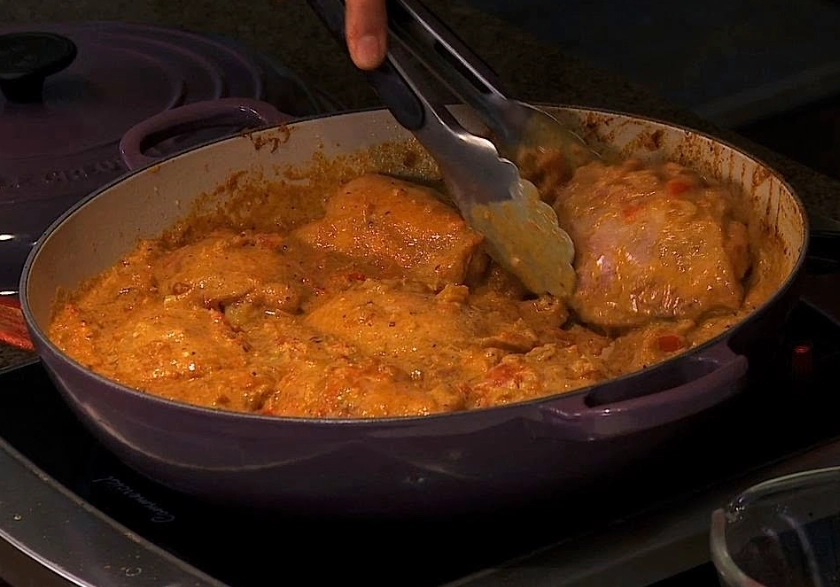
The Onion Base (Bhuna)
This is the first major step for most curries. You're not just softening onions. You're patiently cooking them down until they melt into a golden, sweet, jammy paste. This can take 15-20 minutes over medium-low heat. Stir frequently. If they stick, add a splash of water. You want them deeply golden, not just translucent. This base is what gives North Indian curries their rich, sweet depth. Rushing this step is the number one reason home curries taste thin or lack complexity.
The Spice Toast (Tadka)
This is the flavor bomb. Heating whole spices in hot oil or ghee unlocks their essential oils and transforms their flavor. There are two main types:
- Beginning Tadka: You do this first. Heat oil, add whole spices (cumin, mustard seeds, etc.), let them sizzle, then add your onions or other vegetables. The spices perfume the oil, which then coats every ingredient.
- Finishing Tadka (Chhonk): This is done at the end. You heat ghee or oil, fry spices like cumin, mustard seeds, dried red chilies, and asafoetida, and then pour this sizzling, fragrant oil over a finished dal or curry. It's a revelation. It adds a burst of aroma and a layer of texture.
The Simmer (Dum)
After you've added your main ingredients and water/stock, you bring it to a boil and then reduce to the gentlest possible simmer. You cover it and let it cook slowly. This "dum" (meaning "breath") allows flavors to marry, meats to become tender, and legumes to break down into creaminess. Don't boil a curry vigorously—it toughens meat and makes the sauce separate. A lazy bubble is what you want.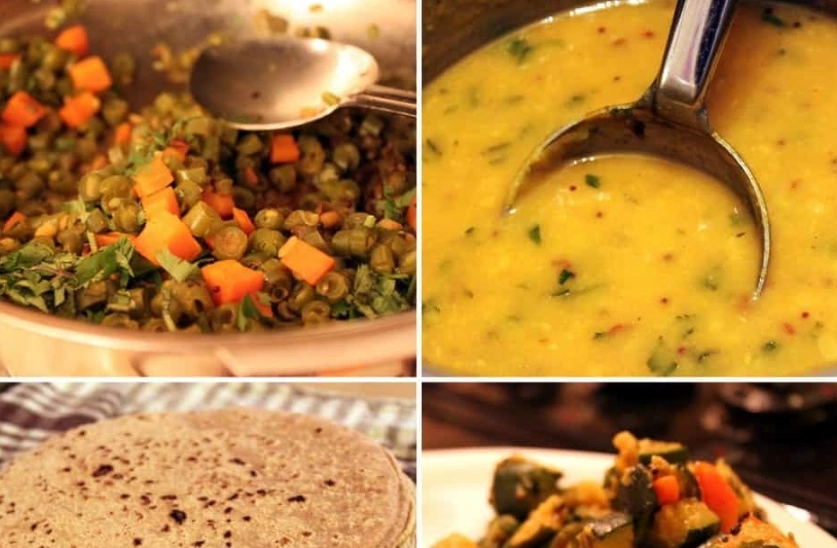
Your First Three "From Scratch" Recipes
Let's apply the theory. Here are three foundational dishes that teach you the core techniques of how to make Indian food from scratch. Start with the dal. It's forgiving and teaches you about tadka and simmering.
1. The Ultimate Comfort Food: Tadka Dal (Tempered Lentils)
This is the Indian equivalent of chicken soup. Creamy, spiced lentils topped with sizzling oil infused with garlic and spices. It's simple, nutritious, and incredibly satisfying.
Ingredients:
- 1 cup red lentils (masoor dal), rinsed well
- 3 cups water
- 1 tsp turmeric powder
- Salt to taste
- For the Tadka: 2 tbsp ghee or oil, 1 tsp cumin seeds, 2 dried red chilies, 3-4 garlic cloves (thinly sliced), 1 pinch asafoetida (hing - optional but amazing), 1/2 tsp red chili powder.
Method:
- Cook the lentils: In a pot, combine rinsed lentils, water, turmeric, and salt. Bring to a boil, skim off any foam, then reduce heat to low. Cover and simmer for 20-25 mins until lentils are mushy. Mash some with the back of a spoon to thicken. Set aside.
- Make the magic tadka: In a small pan, heat the ghee/oil over medium heat. Add cumin seeds and dried red chilies. Let them sizzle for 20 seconds.
- Add the sliced garlic. Fry until it just starts turning golden at the edges. Be careful not to burn it.
- Turn off the heat. Quickly add the pinch of asafoetida and the red chili powder. It will sizzle in the residual heat.
- Immediately pour this entire sizzling contents of the pan over the pot of cooked dal. It will make a glorious sound.
- Stir once gently and serve with rice or roti.
See? You made a tadka. You simmered lentils. You just made authentic Indian food from scratch. The whole process demystifies that “how to make Indian food from scratch” question.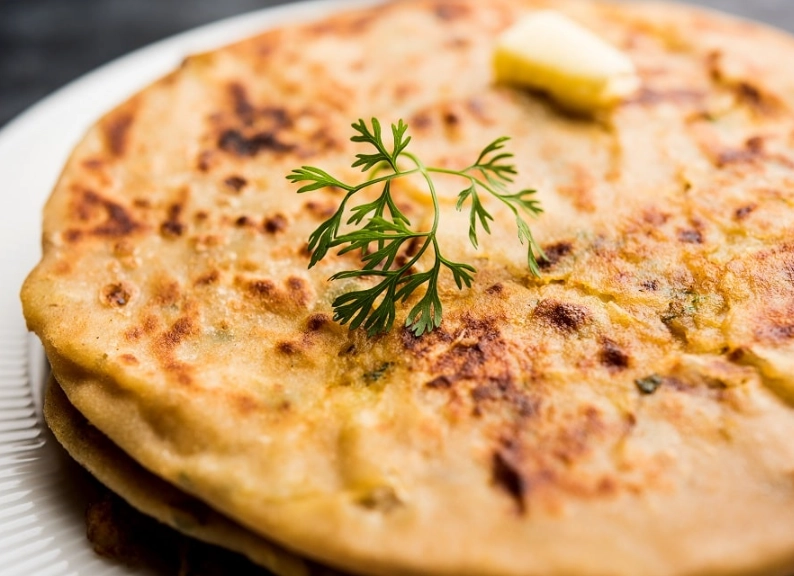
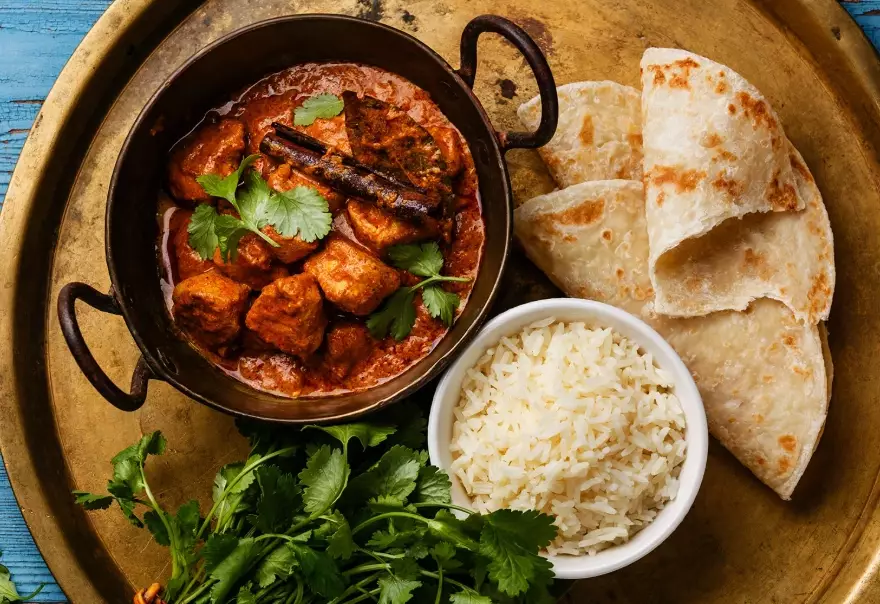
2. The Crowd-Pleaser: Basic Chicken Curry
This is the template for a million curries. Master this, and you can swap the protein or vegetables.
The Process (The important part):
- Tadka: Heat 3 tbsp oil in a heavy pot. Add 1 bay leaf, 2 green cardamom pods, 1-inch cinnamon, 2 cloves. Let them sizzle for 30 secs.
- Onion Base: Add 2 large finely chopped onions. Cook on medium-low, stirring, for 15-20 mins until deep golden brown. This is your bhuna.
- Ginger-Garlic: Add 1 tbsp grated ginger and 1 tbsp crushed garlic. Cook for 2 mins until raw smell disappears.
- Ground Spices: Add 2 tsp coriander powder, 1 tsp cumin powder, 1/2 tsp turmeric, 1 tsp red chili powder. Cook for 1 minute, adding a splash of water if it sticks.
- Tomatoes: Add 2 chopped tomatoes. Cook until they break down and oil starts to separate from the masala paste. This is key—you'll see little droplets of oil around the edges.
- Protein & Simmer: Add 1 lb chicken pieces, salt, and stir to coat. Add 1 cup water. Bring to a boil, then cover and simmer on low (dum) for 20-25 mins until chicken is cooked.
- Finish: Stir in 2 tbsp yogurt or 1/4 cup cream (optional). Garnish with coriander leaves.
3. The Essential Bread: Simple Chapati/Roti
No meal is complete without bread to scoop up the curry. Chapati is unleavened whole wheat bread. It seems simple, but getting it soft and puffy is an art. The trick is in the kneading and the rolling.
- Mix 2 cups whole wheat flour (atta) with a pinch of salt. Gradually add about 3/4 cup warm water, kneading for a good 8-10 minutes until the dough is very soft and pliable, not sticky. This long kneading develops gluten for soft rotis. Let it rest, covered, for 30 mins.
- Heat a flat griddle (tawa) over medium-high heat. Take a golf-ball sized piece of dough, roll it in dry flour, and roll it out into a thin, even circle. This takes practice—don't worry if your first ones are shaped like continents.
- Place the rolled chapati on the hot griddle. Cook for 30-40 seconds until bubbles form on the top and the bottom has light brown spots.
- Flip. Cook the other side for 30 seconds.
- Now, using tongs, hold the chapati directly over a medium gas flame (or press it with a cloth on the hot griddle if using electric). It should puff up like a balloon! This means it's cooked through and will stay soft.
It's a tactile, rewarding process. And nothing beats a hot, puffy roti straight from the flame.
Equipment: You Don't Need Much
You can start with what you have. But a few tools make life infinitely easier.
| Tool | Why It's Helpful | Good-to-Have Alternative |
|---|---|---|
| Heavy-Bottomed Pot/Dutch Oven | Distributes heat evenly, preventing burning during long bhuna (onion cooking) and simmering. | Any thick pot you have. Thin pots will scorch the masala. |
| Flat Griddle (Tawa) | Perfect for cooking chapatis, dosas, parathas. The even surface is key. | A good non-stick or cast-iron skillet. |
| Spice Grinder/Coffee Grinder | For grinding whole toasted spices into fresh powder. The aroma is unbelievable. | A mortar and pestle (more work, but effective). |
| Slotted Spoon | For fishing out tempering spices if you don't want to bite into a whole clove, or for frying. | A regular spoon works too. |
Answering Your Burning Questions (FAQs)
When you're learning how to make Indian food from scratch, a bunch of questions pop up. Here are the ones I get asked the most.
Taking It Further: Next Steps in Your Scratch Cooking Journey
Once you're comfortable with a basic curry and dal, the world is your oyster. Here's where to explore next:
- Explore Regional Cuisines: Indian food isn't one thing. Try a coconut-based South Indian curry (like a Kerala fish curry), a mustard-oil flavored Bengali dish, or a dry Rajasthani stir-fry (sabzi).
- Make Your Own Blends: Toast and grind your own garam masala. Every family has a recipe. Mine uses more cardamom and less clove. Experiment.
- Ferment Something: Try making your own dosa batter or pickle (achar). It's a longer process, but deeply satisfying.
- Dive into the Health Aspects: Indian cooking, with its use of turmeric, ginger, and various legumes, is deeply connected to wellness traditions. For those interested, exploring resources from institutions like the Ministry of Ayush can provide context on the traditional medicinal perspective of these ingredients.
So, there you have it. A complete roadmap on how to make Indian food from scratch. It's not about being perfect from day one. My early rotis could have been used as frisbees. The key is to start simple, be patient with the techniques (especially that onion cooking), and taste as you go. Build your spice collection slowly. Cook the dal. Then try the chicken curry. Before you know it, you'll be tweaking recipes, making your own spice blends, and wondering why you ever thought it was hard. The path to making incredible Indian food from scratch is really just about getting into the kitchen and giving it a go. What are you going to cook first?
Discussion