In This Guide
Let's be honest. The first time I tried to cook Indian food at home, it was a disaster. I followed some fancy blog recipe to the letter, but my "creamy" spinach curry looked like swamp water and tasted... well, bland. I was convinced I'd never get it right. That was years ago. Since then, I've spent more hours than I care to admit in the kitchen, burning spices, undercooking lentils, and yes, finally landing on some truly spectacular dishes.
What I discovered is that finding the best vegetarian Indian recipes isn't about finding the most complex ones. It's about understanding a few core principles. Indian vegetarian cuisine is a universe of flavor, not just a handful of curries. It's food that's meant to be shared, to be comforting, and to make your kitchen smell incredible.
So, I'm not a chef with a fancy degree. I'm just someone who loves good food and got tired of mediocre takeout. This guide is everything I wish I'd known when I started. We'll talk about the spices that matter (and which ones you can skip at first), the techniques that make a difference, and share a solid list of recipes that actually work. Forget the intimidating lists of 50 ingredients. Let's get practical.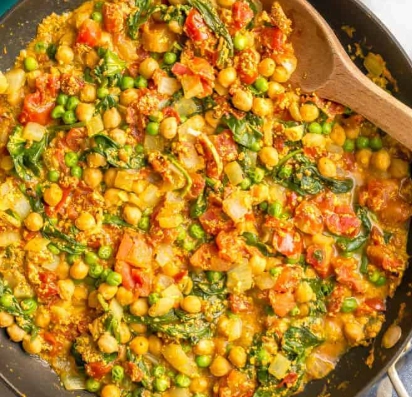
Why is Indian food so good for vegetarians? It's simple, really. A huge portion of India's population eats a primarily plant-based diet due to cultural and religious practices. This isn't a modern trend; it's centuries of culinary evolution perfecting how to make lentils, vegetables, dairy, and grains sing with flavor. They've had a serious head start.
Before You Even Pick a Recipe: Your Indian Kitchen Starter Kit
Jumping straight into a recipe without this groundwork is like trying to build a house without tools. You'll get frustrated. Let's set you up for success first.
The Spice Rack Non-Negotiables
You don't need 30 jars. Start with these core five, which form the base of countless dishes:
- Cumin Seeds (Jeera): Earthy and nutty. They're often the first thing to hit the hot oil, a technique called "tadka" or tempering, which releases their aroma and flavors the entire dish.
- Coriander Powder (Dhania): This is your background warmth. It's citrusy, sweet, and rounds out the sharper spices. Don't confuse it with fresh cilantro (coriander leaves), though they come from the same plant.
- Turmeric Powder (Haldi): The golden child. It gives that iconic yellow color and has a warm, slightly bitter, peppery flavor. It stains everything, so be careful!
- Garam Masala: This is a blend, not a single spice. It usually contains black pepper, cloves, cinnamon, cardamom, etc. Think of it as the finishing touch, often added at the end of cooking to preserve its complex aroma. Store-bought is perfectly fine to start.
- Red Chili Powder (or Kashmiri Chili Powder): For heat and color. Kashmiri chili powder is milder and gives a vibrant red hue without insane heat, which I personally prefer.
See? Not so scary. With just these, you can make a dozen great dishes.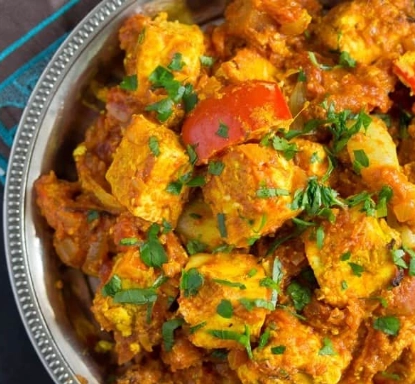
My biggest spice tip: Buy whole cumin seeds and coriander seeds. Toast them lightly in a dry pan until fragrant, then grind them yourself in a cheap coffee grinder (dedicated to spices!). The flavor difference compared to pre-ground powder that's been sitting on a shelf for months is night and day. It takes two extra minutes and is a total game-changer.
The Pantry Heroes
Alongside spices, these are the ingredients you'll reach for again and again:
- Ghee or Neutral Oil: Ghee (clarified butter) is traditional and adds a rich, nutty flavor. For a fully plant-based version, a good neutral oil like avocado or grapeseed works. Don't use extra virgin olive oil for traditional cooking—its flavor clashes.
- Onions, Garlic, Ginger: The holy trinity of the base paste or "masala." Many recipes start by slowly cooking down onions until they're golden and sweet, then adding ginger and garlic paste.
- Canned Tomatoes: More consistent than fresh for sauces and curries. I always have a few cans of crushed or pureed tomatoes on hand.
- Lentils (Dal): Red lentils (masoor dal) cook quickly and break down into a creamy texture. Yellow lentils (moong dal) are also mild and fast-cooking. Brown or green lentils hold their shape better. Having a bag of each opens up a world of "dal" recipes.
- Basmati Rice: The long, fragrant grains are perfect for soaking up curries. Rinse it well until the water runs clear to get rid of excess starch for fluffier rice.
Okay, toolkit ready. Now for the fun part.
The Real List: Best Vegetarian Indian Recipes, Categorized for Real Life
I've organized these not by region, but by what you might need: a quick weeknight dinner, a show-stopping main, a comforting side, or a treat. These are the ones that have earned permanent spots in my rotation.
Top Tier Main Dishes (The Crowd-Pleasers)
These are the dishes you dream about. They're flavorful, satisfying, and most are better the next day.
This is the ultimate gateway curry. Creamy, vibrant green spinach sauce with soft cubes of paneer. The key is blanching the spinach quickly to retain its color before blending. A common mistake is overcooking the spinach into a dull, army-green mush. I learned that the hard way. Using a touch of cream or cashew paste at the end makes it luxurious. Serve with warm naan for dipping—it's non-negotiable.
If I had to pick one, truly essential vegetarian Indian recipe, this might be it. It's hearty, protein-packed, and incredibly forgiving. The base is onions, tomatoes, and a powerhouse of spices like amchur (dry mango powder) which gives a tangy kick. Canned chickpeas work perfectly. It's a one-pot wonder that tastes deeply complex but is surprisingly simple to make. The recipe from BBC Good Food is a fantastic, reliable starting point that demystifies the process.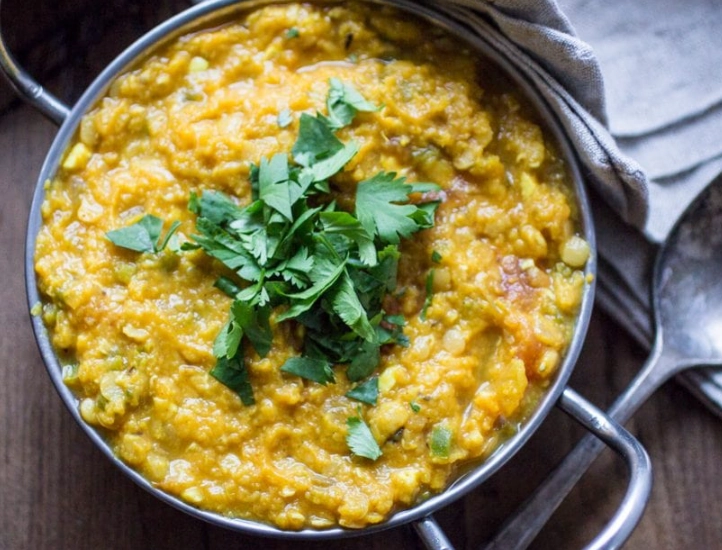
This is smoky, rustic, and utterly delicious. The traditional method involves charring the whole eggplant over an open flame until the skin is blackened and the inside is soft. That smokiness permeates the entire dish. You then mash the eggplant flesh and cook it with onions, tomatoes, and spices. If you don't have a gas stove, broiling it in the oven works too, though you'll miss a bit of that char. It's a messy process but so worth it.
The Unsung Heroes: Dals & Lentil Dishes
Dal is the soul food of India. It's eaten daily, often as a simple, soupy accompaniment to rice. Mastering one good dal recipe is a life skill.
Dal Tadka is the king here. You cook yellow lentils until soft and creamy, then prepare a "tadka"—hot oil or ghee sizzled with cumin seeds, garlic, dried red chilies, and sometimes asafoetida. This sizzling mixture is poured over the cooked dal, creating an explosive aroma. It's comfort in a bowl. For a detailed look at the nutritional benefits of lentils, a resource like the Harvard T.H. Chan School of Public Health nutrition source confirms why they're such a staple.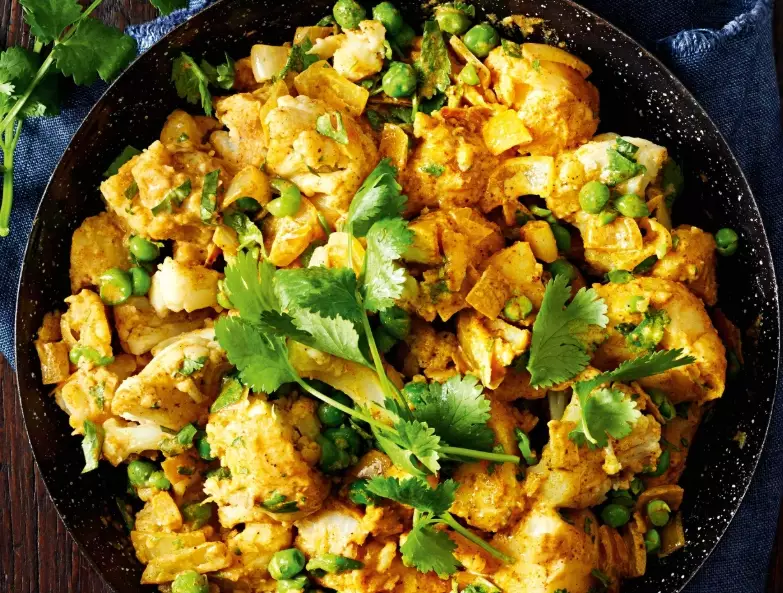
Can't-Forget Sides & Snacks
No Indian meal is complete without a few extras. These add texture, freshness, and balance.
- Raita: A yogurt sauce with grated cucumber, mint, and roasted cumin powder. It's the perfect cooling counterpoint to spicy food.
- Aloo Gobi: Spiced potatoes and cauliflower. Dry-roasted with turmeric, cumin, and coriander until tender with a bit of bite. It's a fantastic vegetarian main or side.
- Onion Pakoras: Thinly sliced onions dipped in a spiced chickpea flour batter and deep-fried until crispy. They're addictive, especially on a rainy day. The batter is simple, and you can add spinach or other veggies.
To help you navigate, here's a quick-reference table for some of these best Indian vegetarian dishes:
| Dish Name | Key Ingredients | Effort Level | Best Served With | My Personal Note |
|---|---|---|---|---|
| Chana Masala | Chickpeas, Tomatoes, Garam Masala, Amchur | Easy | Rice or Naan, Raita | The most reliable crowd-pleaser. Impossible to mess up. |
| Palak Paneer | Spinach, Paneer, Cream, Ginger-Garlic | Medium | Garlic Naan, Jeera Rice | Blanch the spinach fast for bright green color. |
| Dal Tadka | Yellow Lentils, Cumin, Garlic, Ghee | Easy | Steamed Basmati Rice, Roti | The "tadka" (tempering) at the end is magical. Don't skip it. |
| Baingan Bharta | Eggplant, Onions, Tomatoes, Green Peas | Medium | Roti or Paratha | Embrace the mess of charring the eggplant. It's the soul of the dish. |
| Vegetable Biryani | Basmati Rice, Mixed Veg, Yogurt, Biryani Masala | Advanced | Raita, Mirchi Ka Salan | A project meal, but the layered aromas are worth the effort for a special day. |
Navigating Common Roadblocks & Questions (The FAQ I Needed)
Here are the questions that always popped up for me, and the answers I found through trial and error.
Putting It All Together: A Sample Game Plan for an Indian Feast
Feeling overwhelmed? Let's plan a simple, balanced meal for four people that feels like a feast but won't have you cooking for 6 hours.
- The Main Event: Choose one hearty curry. Chana Masala is my pick for reliability and flavor. You can make it ahead.
- The Comforting Base: A pot of Dal Tadka. It's simple, creamy, and provides a milder flavor contrast.
- The Veggie Side: Aloo Gobi (potatoes & cauliflower). It's a dry dish that adds a different texture.
- The Cooler: A quick Cucumber Raita. Grate half a cucumber, squeeze out water, mix with yogurt, salt, and roasted cumin powder.
- The Carrier: Store-bought naan warmed in the oven or a pot of steamed basmati rice.
See? One rich curry, one simple dal, one dry veg, one cooling sauce, and carbs. That's the blueprint. You can cook the dal and chana masala simultaneously in different pots. The aloo gobi comes together while the rice cooks.
The Final Simmer: Your Takeaways
Finding and cooking the best vegetarian Indian recipes isn't about perfection. It's about embracing the process—the smell of cumin seeds popping in oil, the slow caramelization of onions, the vibrant colors of the spices.
Start with one recipe. Maybe it's dal. Maybe it's chana masala. Master the technique of tempering spices and building a flavor base. Your first attempt might not be restaurant-quality, but it'll be yours, and it'll probably still be pretty darn good.
The real joy of this cuisine is in its generosity and depth. It's food meant to nourish and delight. So grab a few spices, pick a recipe that speaks to you, and just start. Your kitchen, and your dinner table, will be all the richer for it. And hey, if you burn the first batch of spices? Welcome to the club. I've been there. Just wipe the pan and start again.
Discussion