Your Roadmap to Perfect Rice
Let's be honest. You've probably messed up Indian rice before. I have. My first attempt at biryani ended with a pot of sticky, half-cooked grains that my family politely called "experimental." It wasn't. It was bad. But after years of trial, error, and learning from home cooks in Delhi and Hyderabad, I cracked the code. Perfect Indian rice isn't about fancy equipment—it's about nailing a few simple, often overlooked steps.
This guide cuts through the noise. We'll go beyond the basic "rinse and boil" advice you see everywhere. I'll share the nuances that make all the difference, like why the type of pot matters more than you think, and how a 5-minute adjustment in soaking can save your meal.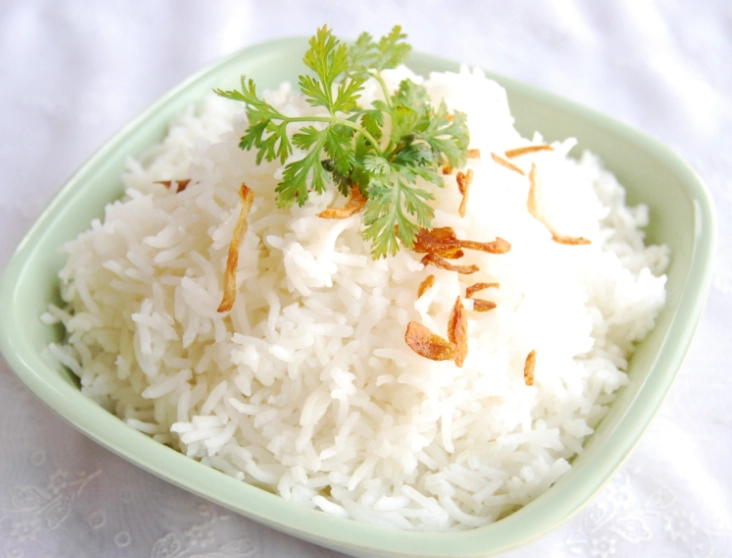
Picking the Right Rice: It's Not Just Basmati
Most guides scream "basmati!" and stop there. Sure, basmati is king for dishes like pulao or biryani—its long grains and aroma are unmatched. But Indian cuisine uses other rices too. Sona Masoori is a staple in South India for daily meals because it's lighter and cooks faster. Then there's Jeera rice, which isn't a variety but a dish; it's usually made with regular long-grain rice.
Here's what I've found: for that perfect, separate texture, aged basmati works best. Brands like India Gate or Daawat offer aged varieties. The grains are drier, so they absorb water evenly and elongate beautifully. Fresh basmati tends to break. If you're on a budget, don't stress. Any long-grain rice will do, but adjust water slightly.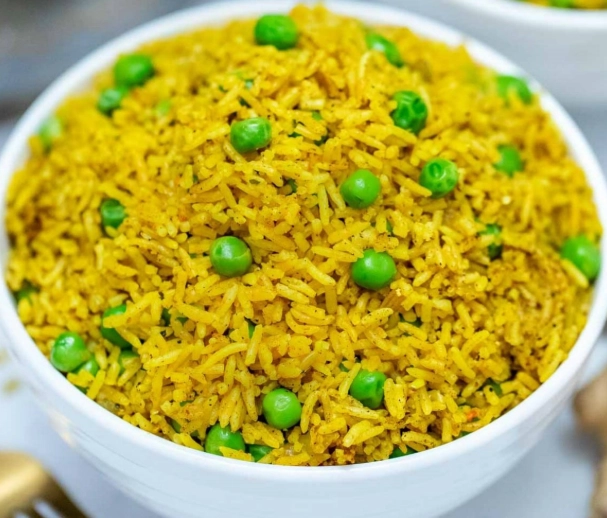
Pro tip from my aunt in Punjab: She swears by smelling the rice. Good basmati has a nutty, floral scent. If it smells musty, skip it. She also avoids pre-washed rice—it often lacks the starch needed for proper texture.
Rice Varieties at a Glance
| Rice Type | Best For | Key Characteristic |
|---|---|---|
| Aged Basmati | Biryani, Pulao | Long grains, fragrant, less sticky |
| Sona Masoori | Daily meals, Curries | Short grain, soft, quick-cooking |
| Regular Long-Grain | Jeera Rice, Fried Rice | Neutral flavor, versatile |
I made the mistake once of using sushi rice for a pulao. Disaster. It turned into a gluey mess. Lesson learned: match the rice to the dish.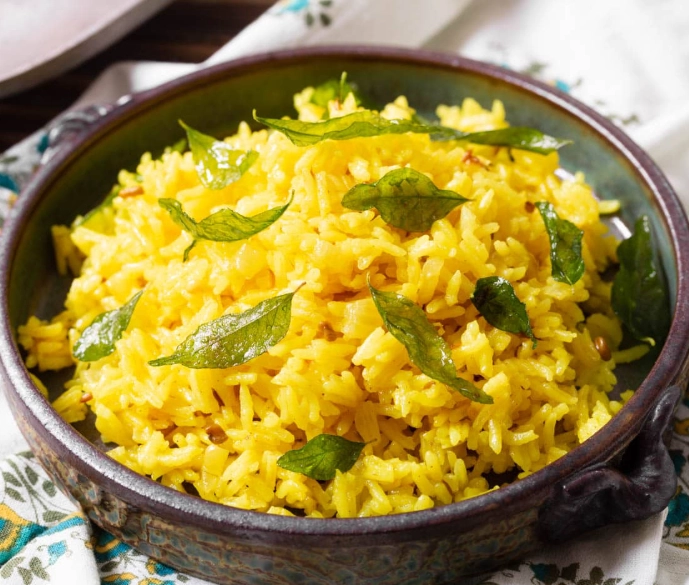
The Prep Work Everyone Skips (But Shouldn't)
Rinsing and soaking are non-negotiable. But here's where most go wrong. They rinse once and call it a day. Or they soak for hours, thinking more is better.
Rinse the rice under cold running water until the water runs almost clear. I mean it—keep going. This removes surface starch that causes clumping. I use a fine-mesh strainer and spend a good 2-3 minutes. You'll see the water change from cloudy to slightly cloudy. Stop there. Don't over-rinse until it's crystal clear; you need some starch for structure.
Soaking is the secret weapon. For basmati, 20-30 minutes in cold water is sweet spot. It hydrates the grains so they cook evenly. Longer than an hour, and the rice starts to break down, leading to mush. I learned this the hard way when I soaked rice overnight for a party. The result was soggy grains that fell apart. For Sona Masoori, 15 minutes is enough.
Another thing: add a teaspoon of salt to the soaking water. It seasons the rice from within. Most recipes add salt later, but this early step makes a noticeable difference.
The Stovetop Method: A Foolproof Step-by-Step
Forget the rice cooker for a second. The traditional Indian method on the stovetop gives you control. Here's my go-to process, refined after burning a few pots.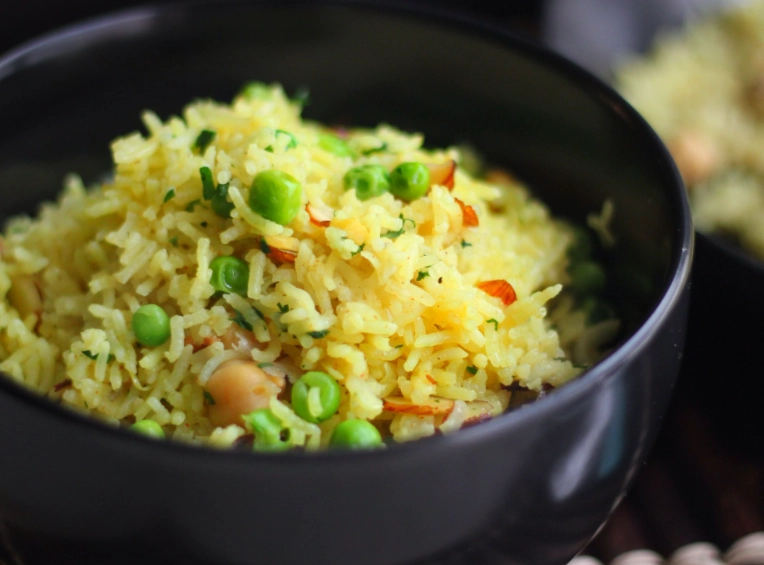
Step 1: Measure accurately. Use the same cup for rice and water. For 1 cup of soaked basmati rice, I use 1.5 cups of water. Yes, 1:1.5 ratio. This isn't universal—it depends on your pot. A heavy-bottomed pot like a Dutch oven retains heat better, so you might reduce water to 1.4 cups. A thin stainless steel pan needs 1.6 cups. Test with your cookware.
Step 2: Bring to a boil. In a pot with a tight-fitting lid, combine drained rice, water, and a teaspoon of ghee or oil (this prevents sticking). Bring to a rolling boil over medium-high heat. Don't stir once it boils. Stirring releases starch and makes rice sticky.
Step 3: Simmer and steam. As soon as it boils, reduce heat to the lowest setting. Cover with the lid. Let it cook for 15-18 minutes. No peeking. The steam does the work. After 15 minutes, turn off the heat and let it rest, covered, for another 10 minutes. This resting phase, called "dum," is crucial. It allows residual heat to finish cooking and fluff up the grains.
Step 4: Fluff and serve. Use a fork to gently fluff the rice. Don't use a spoon—it can crush the grains. Serve immediately.
I timed this recently. From start to finish, it takes about 45 minutes including soaking. Faster than delivery, and way more satisfying.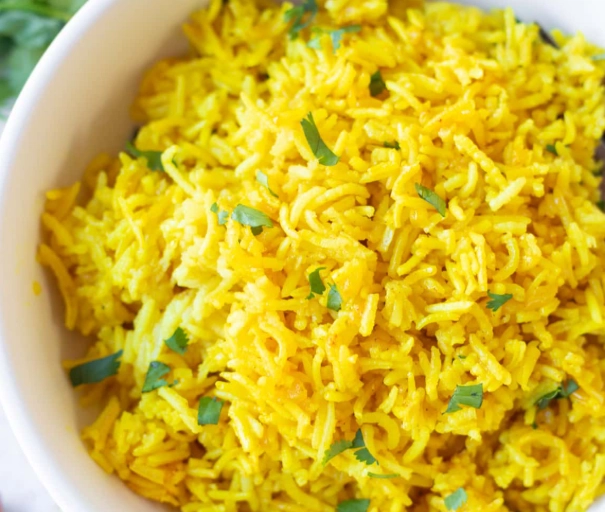
5 Mistakes That Ruin Indian Rice
1. Using the wrong water ratio. Too much water gives you porridge. Too little leaves it hard. Stick to 1:1.5 as a baseline and adjust based on your stove and pot.
2. Stirring during cooking. This is a big one. Once the water boils, hands off. Stirring breaks grains and releases starch, leading to a sticky mess.
3. Skipping the soak. Unsoaked rice cooks unevenly—the outside turns mushy while the inside stays raw. Even a quick 15-minute soak helps.
4. Lifting the lid too often. Every peek releases steam, dropping the temperature and extending cooking time. Trust the process.
5. Not letting it rest. Serving rice straight from the heat traps moisture, making it clumpy. The 10-minute rest is non-negotiable for fluffy grains.
I see mistake #2 all the time. My friend, a decent cook, always stirs her rice "to check." Her rice is consistently gummy. She stopped stirring, and voilà—perfect grains.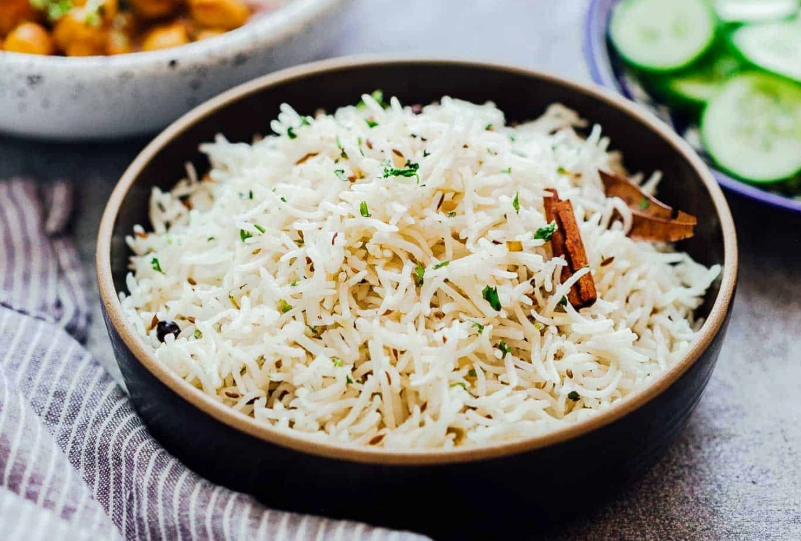
Your Burning Rice Questions Answered
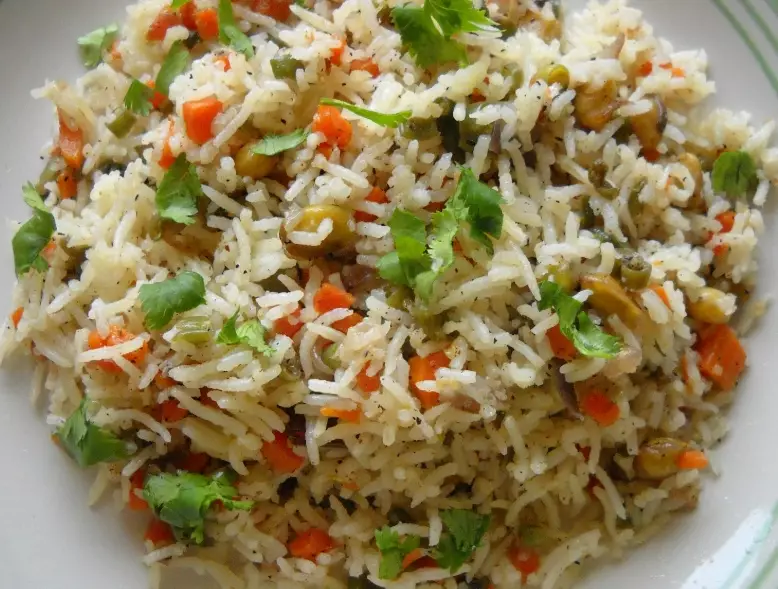
Making perfect Indian rice isn't rocket science. It's about patience and precision. Start with good rice, soak it right, cook it gently, and let it rest. The first time you nail it, you'll taste the difference—fluffy, fragrant grains that stand tall. Give it a shot this week. And if you burn the bottom layer (I still do sometimes), just scoop the top part. We're all learning.
Discussion