Let's talk about that jar of magic sitting in the corner of every North Indian kitchen – the mixed vegetable pickle, or achar. It's not just a condiment; it's a flavor bomb, a meal rescuer, and a testament to preservation wisdom. Most recipes you find online give you the basic play-by-play, but they skip the soul – the tiny, critical details that separate a good pickle from a legendary one that lasts for months. I learned this the hard way after my first few attempts turned out too salty, too soggy, or worse, moldy. After a decade of tweaking, arguing with my grandmother over mustard oil quality, and jarring countless batches, here's the no-nonsense, deeply detailed guide to making authentic North Indian-style mixed veg pickle at home.
What's Inside This Pickle Guide?
Essential Ingredients for Authentic Flavor
Getting the ingredients right is 80% of the battle. This isn't the place for substitutions if you want the real deal. The quality of your oil and spices directly dictates your pickle's fate.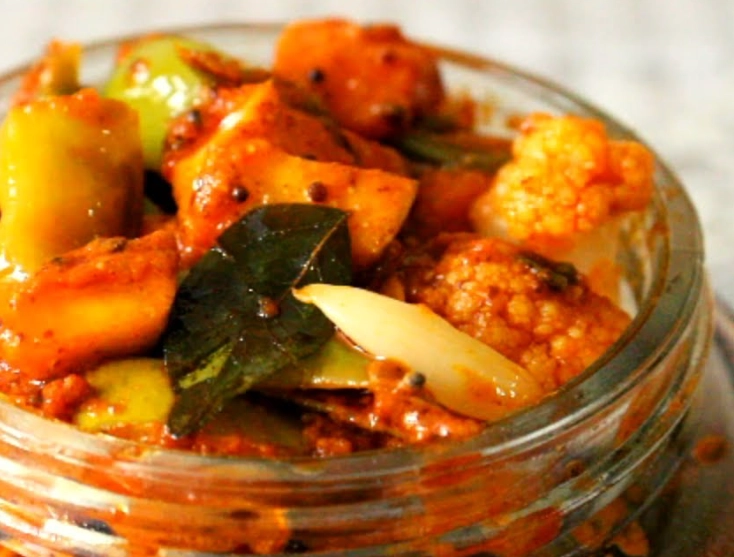
| Ingredient | Quantity | Role & Crucial Note |
|---|---|---|
| Mixed Vegetables (Cauliflower, Carrot, Turnip, Raw Mango) | 500 grams total | Core. Must be completely dry after washing. Cut into uniform, bite-sized pieces. |
| Mustard Oil (Kachi Ghani) | 1 cup (250 ml) | The preservative & flavor base. Non-negotiable. Look for cold-pressed. It needs to be smoked (heated till smoking, then cooled) to remove raw bitterness. |
| Mustard Seeds (Rai) | 3 tablespoons | Coarsely ground for texture. Provides the classic pungent kick. |
| Fenugreek Seeds (Methi) | 2 tablespoons | Lightly roasted and finely ground. Adds bitterness that balances the tang. Don't skip. |
| Fennel Seeds (Saunf) | 1 tablespoon | Whole or slightly crushed. Lends a subtle sweetness and aroma. |
| Turmeric Powder | 1.5 tablespoons | For color and antiseptic properties. |
| Red Chili Powder | 2-3 tablespoons (adjust to heat) | Use a mix of Kashmiri (for color) and a hotter variety (for heat). |
| Salt (Non-iodized) | 5-6 tablespoons | The primary preservative. Rock salt or pickling salt is best. Iodized salt can cause darkening. |
| Heeng (Asafoetida) | 1 generous pinch | Flavor enhancer and digestive aid. Use pure resin, not the wheat-diluted powder if possible. |
| Vinegar or Lemon Juice | 3-4 tablespoons | Acidity booster for tang and preservation. White vinegar works well. |
Pro-Tip from the Kitchen: Sun-dry your cut vegetables for 3-4 hours after patting them dry. This removes surface moisture, which is the #1 enemy of pickle longevity. It's a step most home cooks rush, but it prevents a watery, spoilage-prone jar.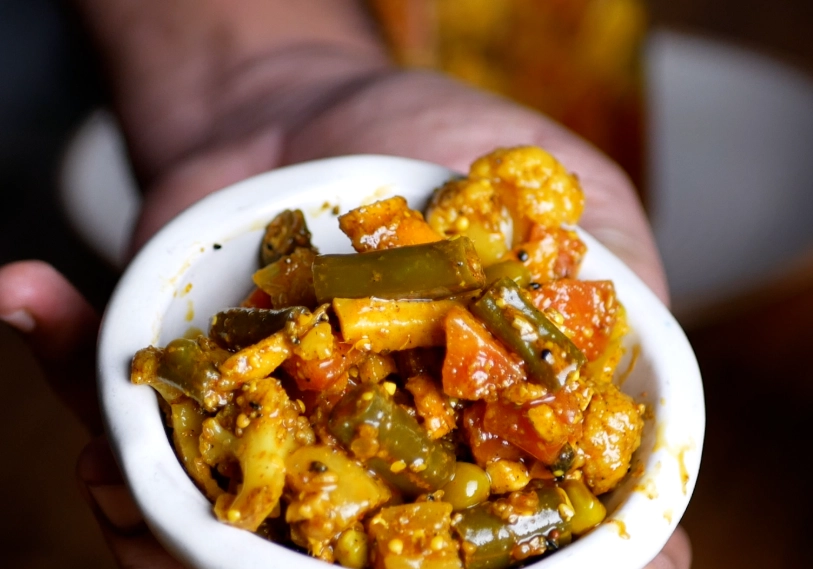
The Step-by-Step Pickle Making Process
This is where patience pays off. Rushing leads to regret (and wasted veggies).
1. The Foundation: Prepping & Drying
Wash all vegetables thoroughly. Pat them bone-dry with a clean kitchen towel. Spread them on a clean muslin cloth in a single layer. Let them air-dry in a well-ventilated spot for a few hours, or under a gentle fan. I cannot stress this enough – no visible moisture. Meanwhile, coarsely grind the mustard seeds and finely grind the roasted fenugreek seeds.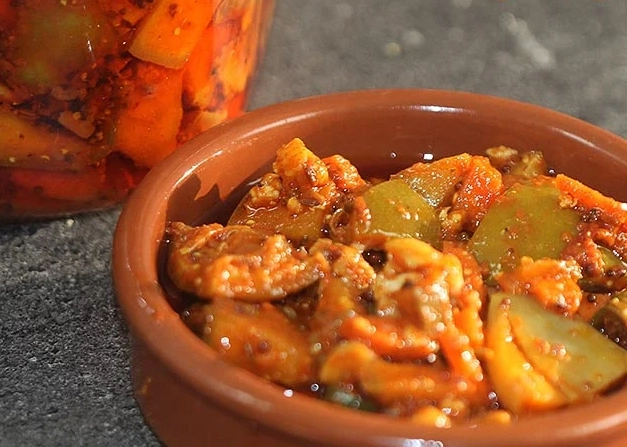
2. The Heart: Spicing and Oiling
In a large, absolutely dry glass or ceramic bowl, combine the dried vegetables. Add all the dry spices – turmeric, red chili powder, ground mustard and fenugreek, fennel seeds, salt, and heeng. Mix with a dry spoon or (clean) hands until every piece is coated. This dry marination is key.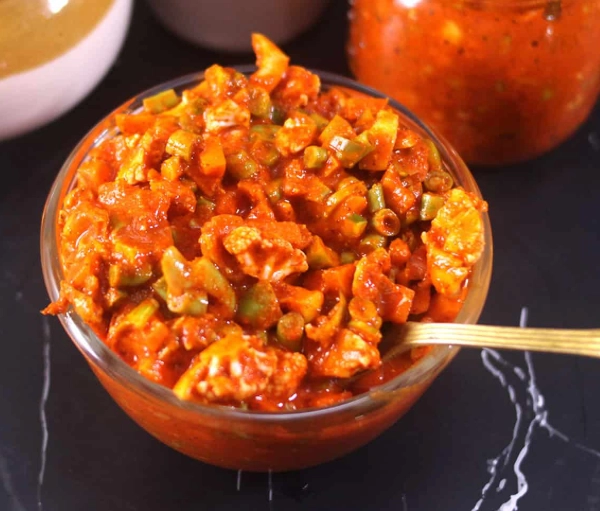
Now, the oil. Heat the mustard oil in a pan until it just begins to smoke. Turn off the heat and let it cool completely to room temperature. Pouring hot oil will cook the veggies, making them soft and ruining the crunch. The cooled, smoked oil gets poured over the spiced vegetables. Add the vinegar or lemon juice. Mix everything vigorously.
3. The Waiting Game: Fermentation
Transfer the mixture to a clean, sterilized, and completely dry glass jar. Do not fill to the brim; leave about an inch of headspace. Seal the jar tightly.
Here's the non-consensus part many blogs miss: Don't immediately put it in the sun. Keep the jar in a warm, dark cupboard for 48 hours first. This allows the anaerobic fermentation to begin, with the spices and salt starting their work. After two days, you can place the jar in direct sunlight for 4-5 hours daily for about a week. Shake the jar gently each day to redistribute the oil and spices.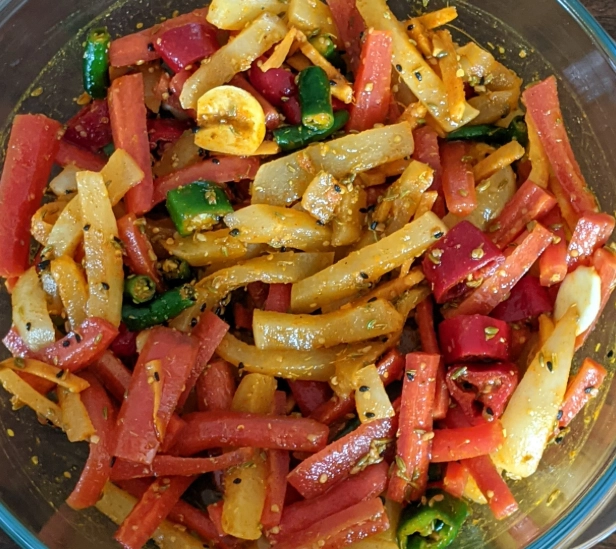
Watch Out: Always use a dry spoon to take pickle out of the jar. Introducing a wet spoon is an invitation for mold. If you see any suspicious fuzz or bubbles, that batch is likely compromised.
How to Store Your Pickle for Maximum Shelf Life?
Proper storage is what makes this a pantry staple, not a fridge casualty.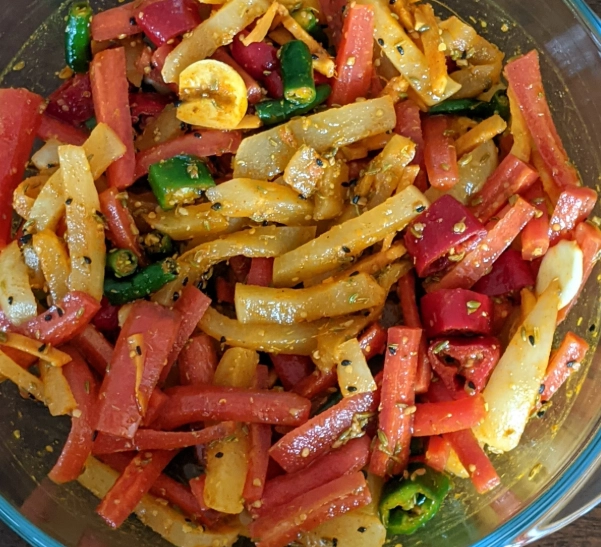
- Primary Location: A cool, dark pantry or cupboard is ideal after the initial sun-fermentation period.
- The Oil Seal: Ensure the vegetables are always submerged under the layer of oil. This oil layer acts as a barrier against air and microbes. Top up with a little extra smoked mustard oil if needed.
- Refrigeration? Not necessary if made and stored correctly. It can last 6-8 months at room temperature. Refrigeration can actually cause the oil to solidify and may dull the flavors over time. However, if you live in a very hot and humid climate, fridge storage after the first month is safer.
The 3 Most Common Pickle-Making Mistakes (And How to Dodge Them)
After seeing countless failed batches, these are the usual suspects.
1. Moisture, Anywhere. Wet vegetables, a damp bowl, a not-fully-dried jar. It all leads to spoilage. Be obsessive about dryness at every step.
2. Using the Wrong Oil. Olive oil, sunflower oil, or refined oils lack the preservative qualities and robust flavor of mustard oil. They go rancid faster. Mustard oil's natural antibacterial properties are central to this pickle's science. The National Center for Biotechnology Information has published studies on the antimicrobial components of allyl isothiocyanate, present in mustard oil.
3. Impatience with Fermentation. That week of daily sunning and shaking isn't optional. It's the process that develops the deep, complex flavors and ensures preservation. Skipping it gives you a raw-tasting, less stable product.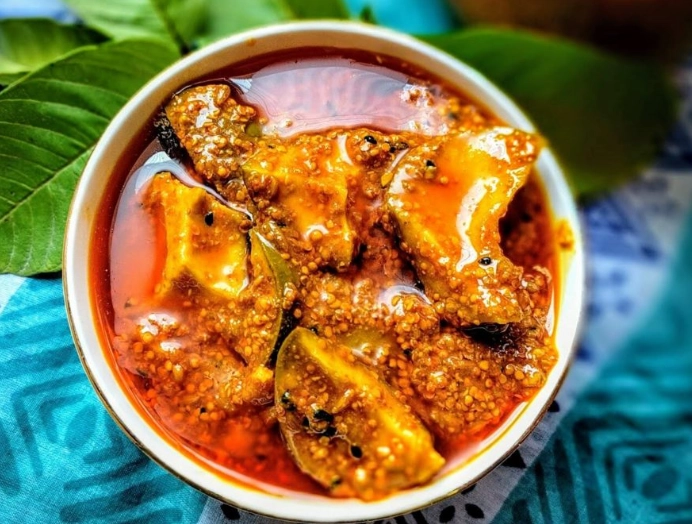
Troubleshooting Common Pickle Problems
The jar on my shelf is about three months old now. The colors have deepened, the oil has taken on a rich, reddish hue, and the flavors have married into something intense and addictive. It's more than a recipe; it's a small act of food alchemy. You control the heat, the tang, the crunch. Start with good ingredients, respect the process, and you'll have a taste of North India that lasts through the seasons.
Discussion