Let's cut to the chase: the best Indian breakfast isn't one single dish—it's a mix of regional favorites that pack nutrition, flavor, and energy. Based on my years of exploring Indian cuisine, I'd say dishes like masala dosa, poha, and paratha top the list, but it really depends on whether you're in the mood for something light or hearty. This guide dives into the specifics, from street food gems to healthy homemade options, so you can find what works for your morning routine.
What You'll Find in This Guide
What Makes a Great Indian Breakfast?
A good Indian breakfast balances carbs, protein, and spices to keep you full until lunch. Unlike the sugary cereals common in the West, Indian mornings often feature savory items. Think of dishes that use lentils, vegetables, and whole grains. From my experience, the best ones are those that don't leave you sluggish—like upma or idli, which are steamed and light.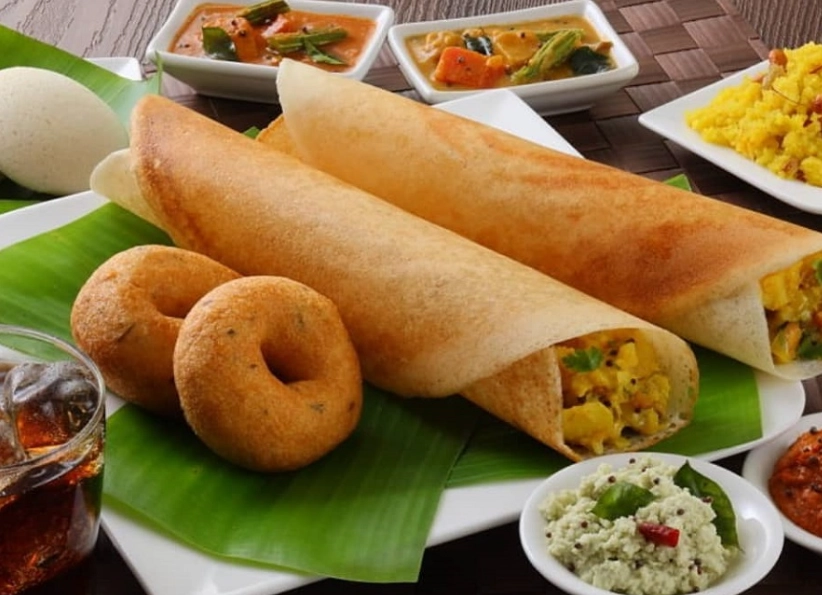
Many people assume Indian breakfast is all fried, but that's a myth. Sure, there's puri or bhatura, but options like poha (flattened rice) or dhokla (steamed cake) are actually low in oil. According to nutrition guidelines from sources like the National Institute of Nutrition in India, a balanced breakfast should include at least 20% of your daily calories, and Indian staples often hit that mark with natural ingredients.
Top 5 Indian Breakfast Dishes Ranked
Here's my personal ranking, based on taste, health, and popularity. I've eaten these across India, from Mumbai to Delhi, and this list reflects what locals actually prefer.
| Rank | Dish | Key Ingredients | Health Score (1-10) | Best For |
|---|---|---|---|---|
| 1 | Masala Dosa | Rice batter, potatoes, lentils | 8 | Energy boost |
| 2 | Poha | Flattened rice, peanuts, turmeric | 9 | Quick meal |
| 3 | Aloo Paratha | Whole wheat, potatoes, spices | 7 | Hearty eaters |
| 4 | Idli with Sambar | Steamed rice cakes, lentil soup | 10 | Light digestion |
| 5 | Upma | Semolina, vegetables, mustard seeds | 8 | Warm start |
Masala dosa wins for its crisp texture and filling potato masala. I once had it at a roadside stall in Bangalore—the vendor served it with coconut chutney that was out of this world. But idli with sambar is the healthiest; it's steamed, so it's easy on the stomach. A common mistake is drowning idli in too much ghee; a light dip in sambar is enough.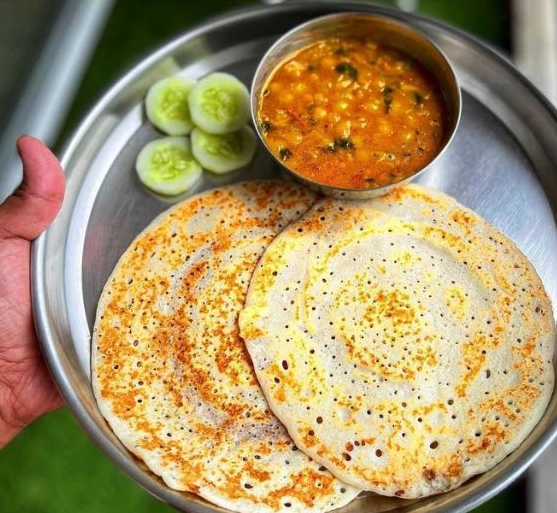
Why Poha Beats Cereal
Poha is a game-changer for busy mornings. It cooks in under 10 minutes and uses turmeric, which has anti-inflammatory properties. I make it with peas and a squeeze of lemon; it's way better than oatmeal if you ask me. Most Indians add sev (crispy noodles) on top, but skip that if you're watching calories.
Where to Find the Best Indian Breakfast Spots
If you're not cooking at home, here are some top places to try. I've visited these over the years, and they deliver consistency.
- Saravana Bhavan (Multiple locations, e.g., Chennai, Delhi): Famous for its idli and dosa. Address: Look for branches in major cities; the one in Chennai at 124 Thyagaraya Rd is iconic. Specialty: Ghee roast dosa. Price: $5-10 per person. Hours: 7 AM to 11 PM. Rating: 4.5/5 on most review sites.
- Bademiya (Mumbai): For street-style breakfast. Address: Near Colaba Causeway, Mumbai. Specialty: Keema pav (minced meat with bread). Price: $3-7. Hours: 6:30 AM to 1 AM. Rating: 4.3/5. It's chaotic but worth it for the flavor.
- Indian Coffee House (Kolkata): A historic spot. Address: 15 Bankim Chatterjee St, Kolkata. Specialty: Filter coffee with butter toast. Price: $2-5. Hours: 7 AM to 9 PM. Rating: 4/5. The ambiance is old-school—don't expect luxury.
For a more upscale experience, try ITC Hotels across India; their breakfast buffets include regional specialties, but they can cost $20-30. Personally, I prefer local joints—the food tastes more authentic.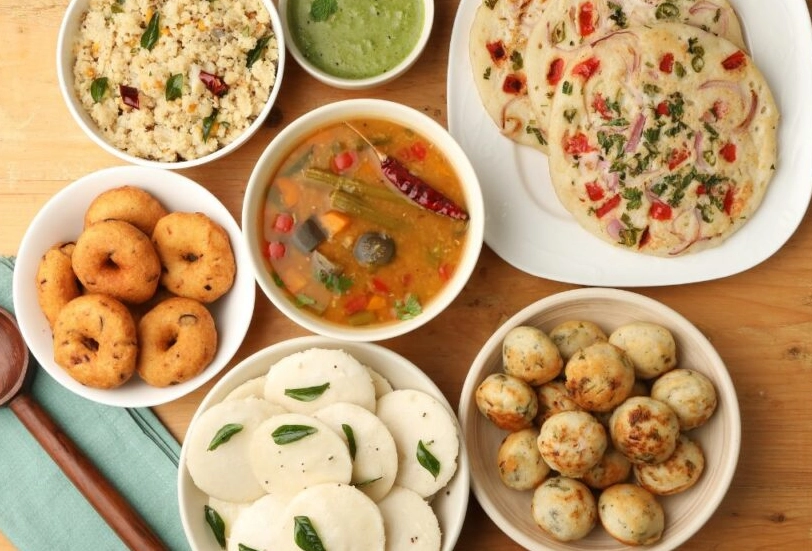
How to Make a Healthy Indian Breakfast at Home
Making Indian breakfast at home is easier than you think. Here's a simple recipe for poha, adapted from my grandmother's method.
- Rinse 1 cup poha (flattened rice) under water for 30 seconds—don't soak it too long, or it gets mushy.
- Heat 1 tbsp oil in a pan. Add mustard seeds, curry leaves, and chopped onions. Sauté until golden.
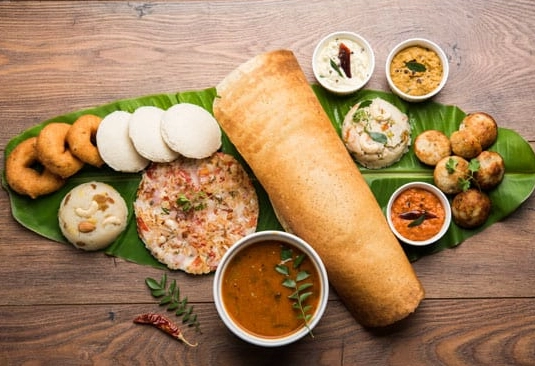
- Add turmeric powder, peas, and peanuts. Cook for 2 minutes.
- Mix in the poha, salt, and a splash of water. Cover and simmer for 5 minutes.
- Garnish with coriander and lemon juice. Serve hot.
This takes 15 minutes tops. For protein, you can add scrambled eggs on the side. I often do this on weekdays; it beats cereal any day.
Common Mistakes and How to Avoid Them
After talking to chefs and home cooks, I've noticed a few pitfalls. First, overcooking vegetables in dishes like upma—they should retain a bit of crunch. Second, using too much oil in parathas; a light brush is enough. Third, skipping accompaniments like chutney or yogurt, which balance the spices.
A non-consensus view: many recipes online suggest adding sugar to poha, but in Maharashtra, it's savory. Stick to savory unless you have a sweet tooth. Also, don't reheat dosa; it loses its crispiness. Make it fresh or skip it.
FAQ: Your Indian Breakfast Questions Answered
That wraps it up. Whether you're dining out or cooking at home, Indian breakfast offers endless variety. Stick to the classics, avoid the grease traps, and you'll have a morning that's both delicious and nutritious.
Discussion