You’re standing in front of a bustling Indian street food cart. The air smells of cumin, frying dough, and charcoal. The vendor moves with lightning speed. The "menu" is a chaotic array of colors and ingredients. You’re hungry, overwhelmed, and you don’t want to miss out on the good stuff or end up with something painfully spicy. I’ve been there. After a decade of navigating these stalls from Mumbai's chaotic beaches to Delhi's ancient lanes, I’ve learned that the real menu isn't written—it's understood.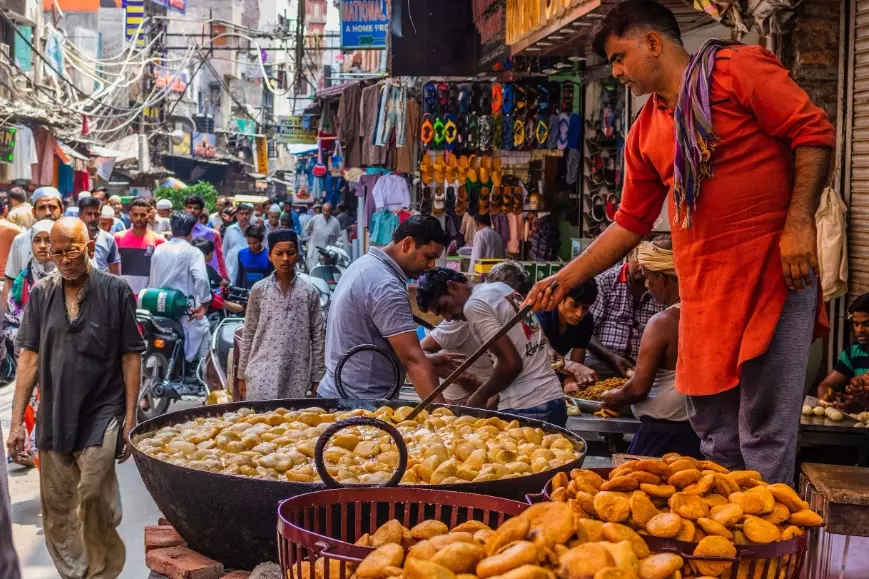
What’s Inside This Street Food Deep Dive
How to Navigate an Indian Street Food Menu Like a Pro
Forget about laminated lists. An Indian street food stall’s offerings are displayed in steel containers, bowls of chutney, and piles of fresh ingredients. Your first job is to identify the stall's specialty. Most vendors are masters of one thing. Look for the largest pile of a key ingredient or the piece of equipment they use most.
See a giant griddle and buckets of white batter? That’s a dosa stall. A huge kadhai (wok) of simmering chickpeas and a stack of puffed bread? You’ve found Chole Bhature. A line of people holding little puris, getting them filled one by one? That’s the Pani Puri master.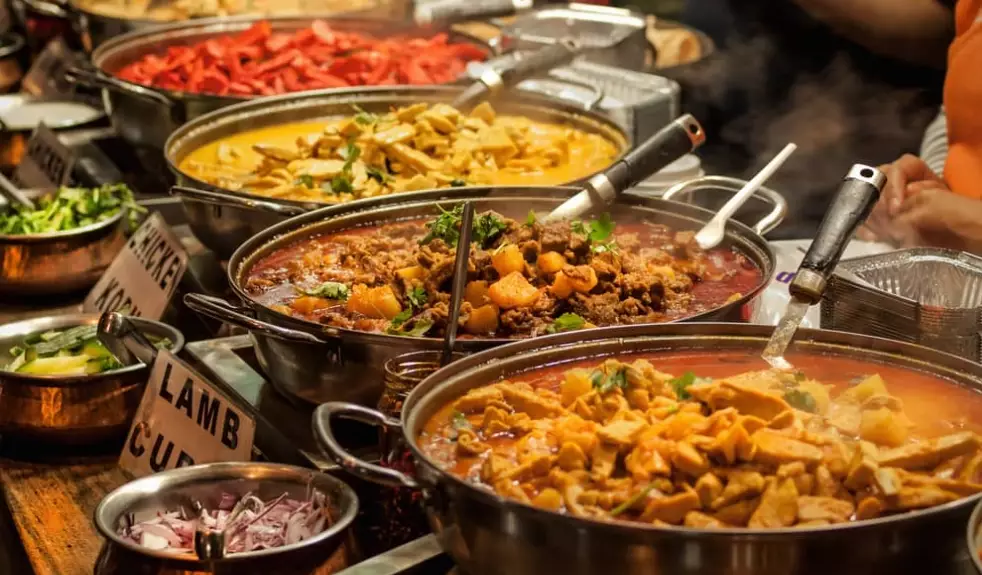
My biggest mistake early on was trying to order everything from one cart. It’s like asking a Neapolitan pizza chef for sushi. Find the specialist. The quality difference is night and day.
Pro Insight: The best indicator isn't always the longest queue. Sometimes, it's the speed of the queue. A vendor who serves quickly and has a constant, steady flow often has superior systems and fresher ingredients because nothing sits around. Watch how they handle money and food. The good ones never let the two touch.
The Ultimate Indian Street Food Menu: A Regional Breakdown
India’s street food menu changes every few hundred miles. Here’s a breakdown of the non-negotiable dishes you’ll find, categorized not by appetizer or main, but by experience.
| Dish Name | What It Is (The Simple Truth) | Typical Price Range | Must-Try It In... |
|---|---|---|---|
| Pani Puri / Golgappa | A hollow, crispy puri filled with spiced potato, chickpeas, and a explosive mint-tamarind water. | ₹20 - ₹40 for 6 pieces BEST VALUE | Anywhere, but Kolkata adds sweet tamarind water. |
| Vada Pav | The Indian vegetarian burger: a spiced potato fritter in a soft bun, with chutneys. | ₹15 - ₹30 | Mumbai. The birthplace. Look for stalls near train stations. |
| Chole Bhature | Hearty, spicy chickpea curry with a deep-fried, fluffy bread. A meal in itself. | ₹80 - ₹120 | Old Delhi (Chandni Chowk) or Punjab. |
| Masala Dosa | A giant, crispy fermented rice crepe stuffed with spiced potatoes. Served with sambar and coconut chutney. | ₹60 - ₹100 | South India (Chennai, Bengaluru). The texture is unbeatable. |
| Kathi Roll | Spiced meat or paneer wrapped in a paratha (flatbread) with onions and chutney. Portable perfection. | ₹70 - ₹150 | Kolkata. Originally from Nizam's restaurant. |
That table covers the titans. But the magic is in the regional stars. In Lucknow, you hunt for Galouti Kebabs—melt-in-your-mouth spiced patties. In Jaipur, Pyaaz Kachori (a flaky pastry stuffed with a spicy onion mixture) is the morning ritual. Go to Hyderabad and ignore the famous biryani for a second to try Irani Chai and Osmania biscuits. The menu expands infinitely.
I remember my first Pani Puri in Mumbai. I was nervous about the water. I watched the vendor. He used a separate ladle for the *pani*, never dipping it into the main bowl after touching a customer's puri. That's a green flag. I took the plunge. The crunch, the burst of tangy, spicy, sweet water—it was a sensory overload. I’ve had hundreds since, but that first one is why I keep coming back.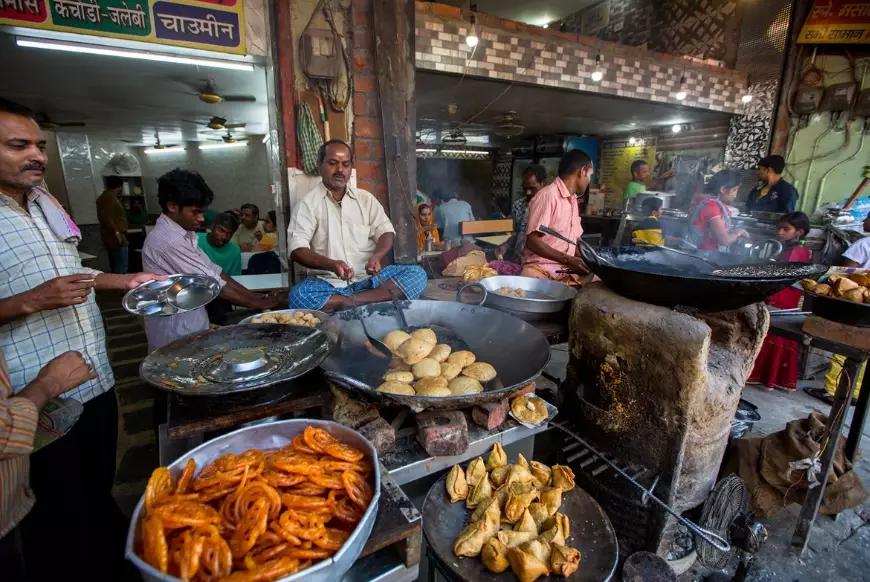
Beyond the Menu: The Unwritten Rules of Indian Street Food
The menu tells you what to eat. The rules tell you how to survive and thrive.
Rule 1: The Water is the Wall
This is the single biggest concern for travelers. The rule is simple: avoid any street food that has been washed or prepared with untreated local water. This means skip the pre-cut fruit salads and the chutneys that sit out for hours. Instead, go for foods that are cooked at high temperatures right in front of you—fried items like pakoras, puris, or kebabs on a grill. The boiling oil or fire is your safety net. For chutneys, observe if they are kept covered and served with a separate spoon.
Rule 2: Ordering is a Conversation, Not a Transaction
You don’t just say “one plate.” You customize. With Chaat (a family of savory snacks), you specify your preferences. More sweet chutney? Less green chili? Extra sev (crispy noodles)? Point and ask. “Thoda khatta kam, meetha zyada” (Less sour, more sweet). They’ll adjust. This is how you make the dish yours.
Rule 3: Manage the Heat Strategically
Saying “no spice” might get you a bland dish. Saying “less spice” is often ignored. Be specific. “Halka mirch” (light chili) or point to the green chutney and say “thoda hi” (just a little). Have a backup: a sweet Lassi (yogurt drink) or a Mango Frooti tetra pack from a nearby shop are your fire extinguishers. Don’t be a hero.
Your Street Food Menu Decoder: Key Ingredients & What They Mean
When you hear these terms, you’ll know what you're in for.
Chaat Masala: The soul dust. A tangy, salty, slightly sour spice blend with dried mango powder (amchoor) and black salt. It’s sprinkled on everything. If you see it, expect a flavor punch.
Sev: Crunchy, thin gram flour noodles. They’re a topping for texture. If a dish has “sev” in the name (like Bhel Puri), expect a satisfying crunch.
Imli (Tamarind) Chutney: Sweet, tangy, and dark brown. This is the “sweet” component that balances heat and salt.
Hari (Green) Chutney: Made from coriander, mint, and green chilies. This is the primary source of fresh, herbal heat. Tread carefully.
Dahi (Yogurt): Used as a cooling agent in dishes like Dahi Vada or Dahi Papdi Chaat. It mellows out spices beautifully.
Understanding these lets you predict a dish’s profile. A vendor asking “Meetha, khatta, teekha?” (Sweet, sour, spicy?) is offering to balance these three core elements for you.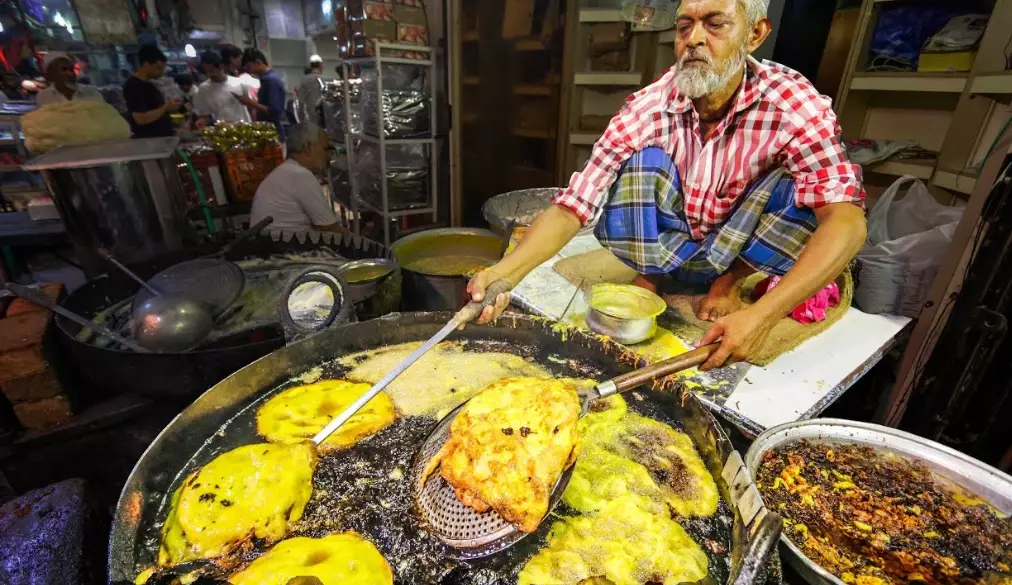
Your Burning Street Food Questions, Answered
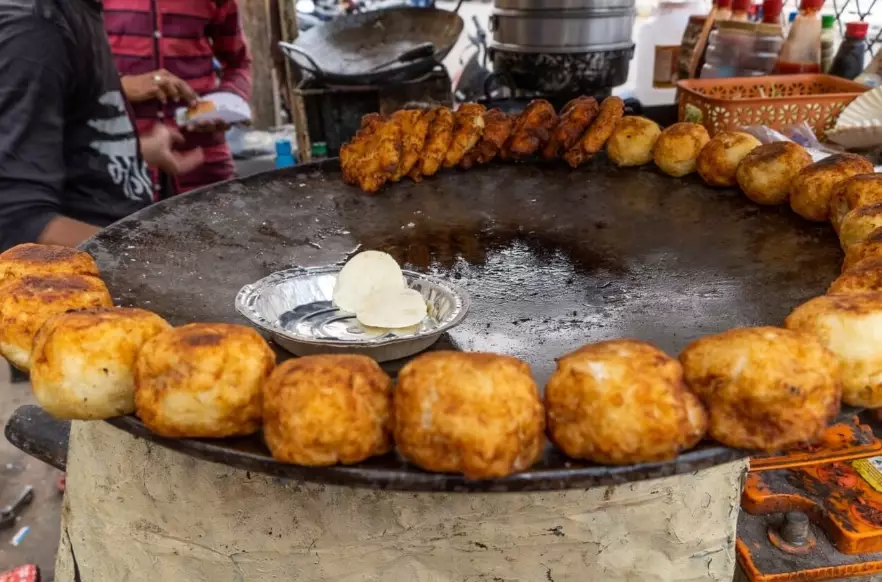 The Indian street food menu isn't about choosing a dish. It's about choosing an experience. It's loud, messy, and deeply personal. Start with the classics in the table, learn the unwritten rules, and don't be afraid to point, gesture, and customize. Your perfect plate is waiting in that chaos.
One last tip from a decade of eating: after a heavy street food session, find a local paan shop. A simple saada paan (betel leaf with basic fillings) is a traditional digestive. It’s the perfect, refreshing full stop to your culinary adventure.
Discussion