You've followed the recipe. You soaked the rice and lentils, ground them, let the batter sit overnight. Yet, when you steam them, the idlis come out dense, gummy, or just… sad. What went wrong? The quest for that cloud-like, melt-in-your-mouth idli texture isn't just about following steps—it's about understanding the silent, invisible science happening in your batter bowl. The fluffiness isn't magic; it's microbiology, chemistry, and a bit of old-school technique working together.
I learned this the hard way. My first few batches were hockey pucks. It was only after pestering my friend's grandmother in Chennai and digging into food science resources that the pieces clicked. Let's break down what truly makes an idli soft and fluffy, beyond the basic instructions.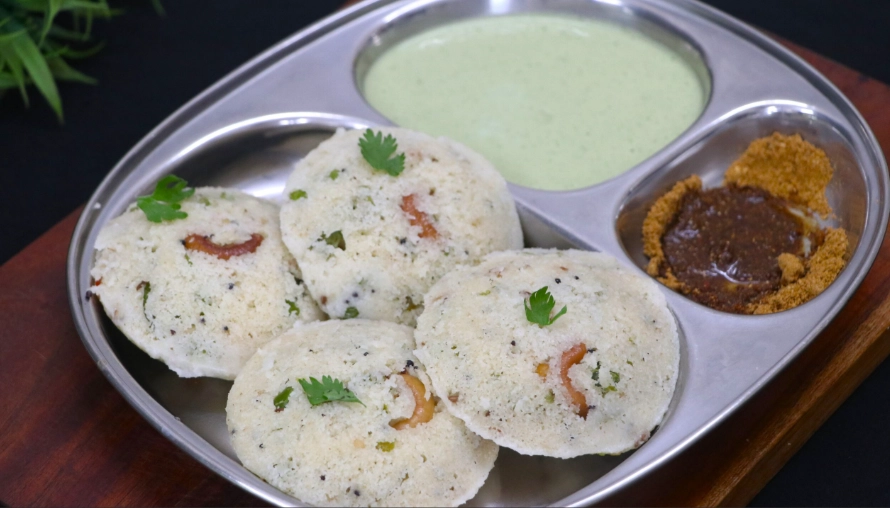
What You'll Learn in This Guide
The Science Behind Idli Fluffiness
Think of your idli batter as a biological reactor. The goal is to trap millions of tiny gas bubbles within a delicate, steam-set structure. Three key processes create this:
1. Fermentation: The Gas Factory
This is the non-negotiable star of the show. Wild yeast and lactic acid bacteria (primarily from the urad dal skin and the environment) feast on the carbohydrates in the batter. Their main waste product? Carbon dioxide gas. As these gases form, they get trapped in the elastic network created by the urad dal proteins, causing the batter to rise and become aerated. This is your leavening. No proper fermentation, no air pockets, no fluff.
2. Starch Gelatinization: The Setting Agent
The rice in your batter is packed with starch. When you steam the idli, the heat and moisture cause these starch granules to swell, absorb water, and burst. They then form a gel that sets around the air bubbles created during fermentation. The right type of rice and its proportion determine if this gel is tender or rubbery.
3. Protein Network: The Bubble Wrap
Urad dal (black gram) is rich in proteins. When you grind it, these proteins unfold and, during fermentation, form a stretchy, gluten-like network (though it's not gluten). This network is strong enough to hold the CO2 bubbles but delicate enough to allow for a soft, spongy texture. Too little urad dal, and the bubbles escape; too much, and the texture can become chewy.
Quick Analogy: Imagine building a house. Fermentation is the construction crew blowing up balloons (air bubbles) inside. The urad dal protein is the flexible netting that holds the balloons in place. The rice starch is the concrete that pours in and sets around everything, locking the structure in place when steamed. If any part fails, the house collapses.
Choosing the Right Ingredients
Not all rice and lentils are created equal for idli. Using the wrong type is the first silent failure point.
| Ingredient | Best Choice & Why | Common Mistake |
|---|---|---|
| Rice | Idli Rice or Parboiled Rice (Ukda Chawal/Sona Masoori). These have a higher amylose starch content, which gels firmly but remains soft. They also absorb water well during grinding. | Using regular basmati or jasmine rice. They are too fragrant and have different starch properties, often leading to a sticky, dense result. |
| Urad Dal (Black Gram) | Whole, skin-on Urad Dal. The skin harbors natural microbes crucial for fermentation. It also adds to the fiber and structure. | Using split, skinless urad dal. It's cleaner but lacks the microbial kickstart and can result in less fluffy idlis, especially in cooler climates. |
| Fenugreek Seeds (Methi) | A small handful (½ tsp per cup of rice). They act as a natural preservative, add a subtle bitterness that balances flavor, and some believe they aid fermentation stability. | Skipping them entirely. While not mandatory, they contribute to a more complex flavor and better batter longevity. |
| Water | Filtered or non-chlorinated water at room temp. Chlorine in tap water can inhibit the wild yeast and bacteria you're trying to cultivate. | Using ice-cold water straight from the fridge, which slows down the initial microbial activity. |
The ratio is your next lever. The classic 4:1 (rice:urad) is a starting point. I've found a 3:1 or 3.5:1 ratio often yields a softer, more porous idli because the relative protein network is stronger. For your first perfect batch, try 3 cups idli rice to 1 cup whole urad dal with ½ tsp fenugreek seeds.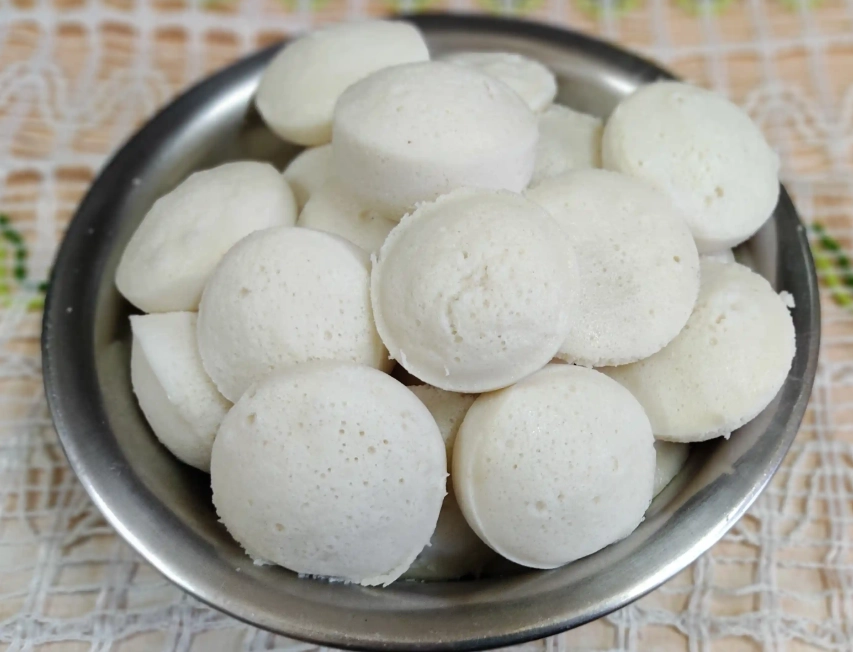
Fermentation Mastery: The Make-or-Break Step
This is where most idli dreams die. You can't just leave the bowl on the counter and hope.
Temperature is King: The ideal range for fermentation is 25-32°C (77-90°F). Below 20°C (68°F), the microbes are sluggish; above 40°C (104°F), they can die. In winter or air-conditioned homes, you must create a warm microclimate.
- Oven with Light On: The pilot light or interior light of an off oven often provides perfect warmth.
- On a Warm Appliance: Near (not on) a refrigerator vent or a turned-off microwave that was just used.
- In a Large Pot: Place the batter container in a larger pot filled with warm water (not hot), and cover the whole setup with a lid. Replenish warm water every few hours.
Time is a Guideline, Not a Rule: "Ferment for 8-12 hours" is a recipe for frustration. In a cool kitchen, it might take 16. In a hot Chennai summer, 6 might be enough. Look for the signs: the batter should at least double in volume, have a slightly sour, pleasant aroma, and be filled with tiny bubbles throughout. You should see a spongy, frothy texture when you scoop it.
Expert Misstep Few Talk About: Using a container that's too small. The batter needs room to rise. Fill your fermentation vessel only halfway to two-thirds full. A tightly sealed lid can also create pressure and inhibit rise; use a loose lid or a cloth secured with a rubber band.
Grinding & Batter Consistency
How you grind affects the protein network's ability to trap air.
Grind Urad Dal First: Always grind the soaked urad dal with fenugreek first, with just enough water to make a smooth, fluffy paste. This aeration during grinding is crucial. You're literally whipping air into the protein structure. A wet grinder is traditional and excellent, but a powerful blender can work if you stop frequently to avoid overheating the batter.
Grind Rice Separately: Grind the soaked rice to a slightly gritty, rava (semolina)-like consistency. A fine rice paste can make idlis gummy. The slight grit helps water absorption and texture.
Mix with Care: Combine the two batters with salt. Use your hand to mix—it's not just tradition. The natural warmth and gentle action are believed to help initiate fermentation better than a spoon. The final batter should be thick, like a very heavy cake batter. It should drop slowly from a spoon, not pour. A runny batter will spread in the mould and yield flat, dense idlis.
Steaming for the Perfect Idli
You've nurtured the perfect batter. Don't ruin it in the final act.
Preheat Your Steamer: Get the water boiling vigorously before you pour the batter into the moulds. A cold start is a death sentence for fluffiness.
Grease Moulds Lightly: Use a flavorless oil or ghee. Don't drench them.
Fill Moulds ¾ Full: The idlis will rise during steaming. Overfilling causes them to merge and lose shape.
Steam on Medium-High Heat: You want a steady, strong steam. Steam for 10-12 minutes. Do not peek before 10 minutes! The rush of cold air can cause them to collapse.
The Toothpick Test: Insert a clean toothpick into the center of an idli. It should come out clean. If it's wet or has batter, steam for 2 more minutes.
The Crucial Rest: Turn off the heat. Wait 2-3 minutes before opening the steamer lid. This allows the structure to set fully from the residual heat, preventing sudden contraction and collapse. Then, let the idli plates cool for another minute before demoulding with a wet spoon.
That moment when you pry out a perfectly round, steaming idli, press it gently, and see it spring back—that's the reward.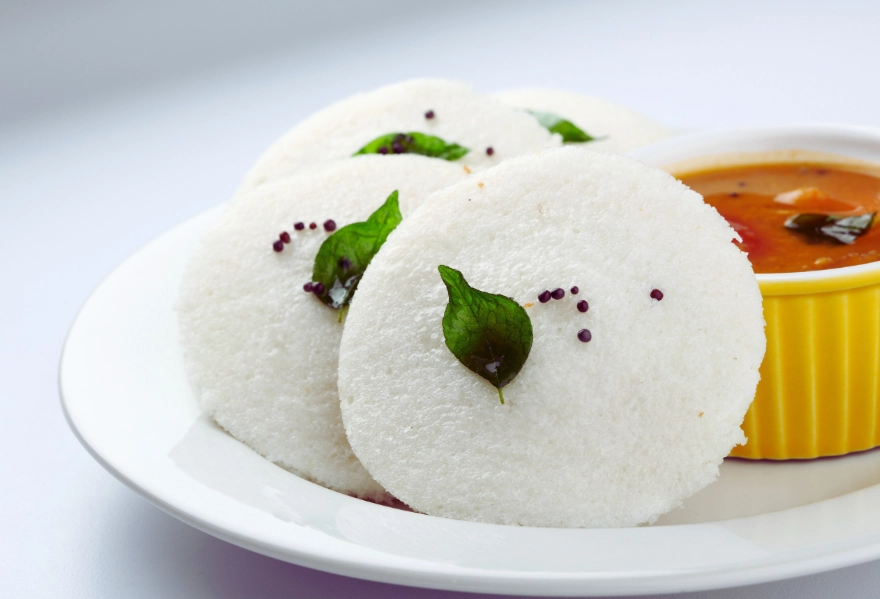
Troubleshooting: Your Idli Problems Solved
Why is my idli batter not rising or fermenting at all?
Check your temperature first. Your kitchen is likely too cold. Move the batter to a warmer spot using the methods described. Ensure you used whole urad dal with skin. Chlorinated water can also be a culprit—try using bottled or filtered water next time. If you're in a very cold, dry climate, a tiny pinch of active dry yeast (dissolved in a spoon of warm water) can be added as a backup starter, though it will change the flavor slightly towards a more bread-like taste.
My idlis are dense and hard at the bottom but soft on top. What gives?
This is almost always a steaming issue. Your water wasn't boiling vigorously enough when you placed the idli stand in, or the heat was too low. The bottom layer cooks and sets before the steam has a chance to properly puff the whole idli. Always ensure rapid boiling before steaming and maintain a consistent medium-high heat throughout.
The idlis are sticky and gummy, sticking to the moulds.
Three likely causes: 1) The rice was ground too fine, creating a paste that turns gluey. 2) The batter was too thin/watery. 3) You didn't let the idlis cool slightly in the moulds before trying to remove them. Let them sit for a full minute after steaming, then use a spoon dipped in water to gently scoop around the edges.
 Can I make soft idlis without fermentation for a quick version?
You can make steamed cakes, but they won't be true, fluffy idlis. The fermentation is what creates the signature airy texture and tangy flavor. Quick "hacks" using baking soda or Eno fruit salt will produce a rise, but it's a chemical leavening that creates larger, uneven bubbles and a distinct taste. The texture is more like a spongy cake than a fermented idli. It's a decent plan B, but it's not a substitute.
How long does fermented idli batter last in the fridge?
A well-fermented batter can last 3-4 days in the fridge. The cold drastically slows fermentation. You'll notice it becomes more sour over time. Before using refrigerated batter, let it sit out for 15-20 minutes to take the chill off, and do not stir it vigorously—just gently fold it to redistribute the bubbles. If the batter smells overly sour or boozy, it's past its prime.
The journey to a perfect idli is a dialogue with your ingredients and environment. Listen to your batter—look at its rise, smell its sourness, feel its consistency. It's more artisanal baking than simple cooking. Once you internalize the why behind each step—trapping gas, building structure, setting it with steam—you can adapt any recipe to your kitchen and never have a dense idli again.
Discussion