Let's be honest. The thought of cooking a full Indian dinner can feel like a project. Simmering curries for hours, balancing a dozen spices—it's a weekend commitment. But what if you could capture that chaotic, addictive energy of a Mumbai street corner in under an hour on a Tuesday night? That's the magic of treating street food as dinner. It's designed to be fast, flavorful, and deeply satisfying. Forget the fancy restaurant stuff. Tonight, we're cooking like a street vendor.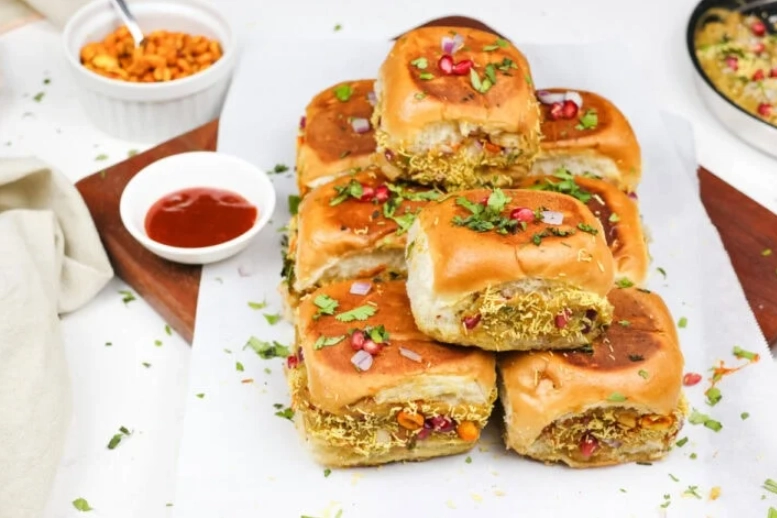
Your Dinner Roadmap
Why Street Food Makes the Best Weeknight Dinner
I used to think street food was just snacks. A quick bite while walking. Then I spent a summer in Delhi, and my perspective flipped. After a long day, nobody was cooking elaborate thalis. They were heading to the local stall for a plate of chole kulche or a masala dosa. It was dinner. And it made perfect sense.
These dishes are engineered for efficiency and impact. They're often one-pan wonders or simple component meals. The flavors are bold and upfront, not subtle. They're meant to wake you up. Most are vegetarian or easily adaptable, leaning on potatoes, chickpeas, lentils, and vegetables. They're also incredibly forgiving. A street vendor isn't measuring spices with precision spoons; he's using his hand, tasting, adjusting. That's the spirit we're bringing home.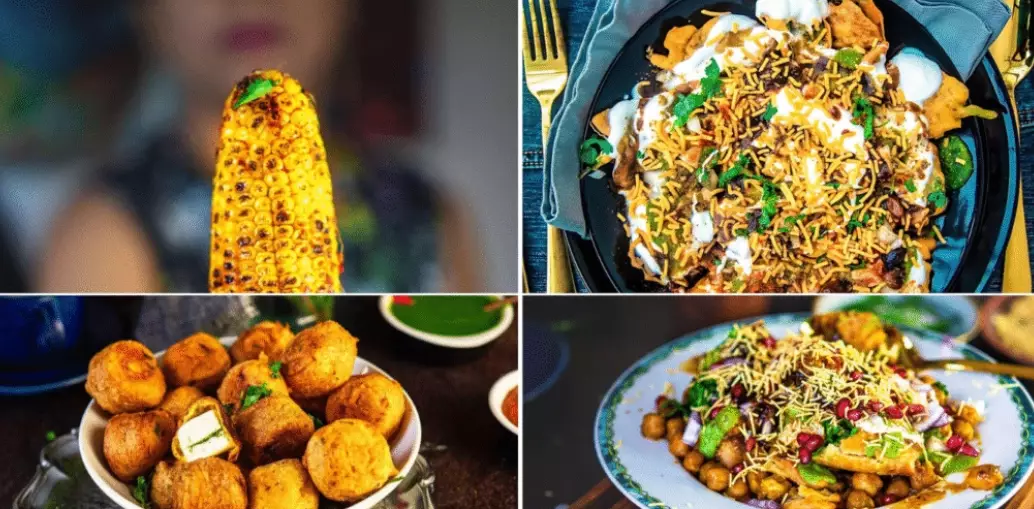
The Core Principle: Don't chase restaurant perfection. Chase the vibe. A little extra butter, a generous squeeze of lime, the sizzle as hot oil hits mustard seeds—that's what makes it feel real. Your kitchen might not have the smoke-stained walls of a decades-old stall, but it can have the same energy.
Pav Bhaji: The Ultimate Spicy Vegetable Mash
Imagine a buttery, spiced vegetable mash so good you can't stop eating it, scooped up with soft, toasted bread rolls. That's pav bhaji. Born in Mumbai for textile mill workers needing a quick, hearty meal, it's now a national obsession. It's also the king of clean-out-the-fridge dinners.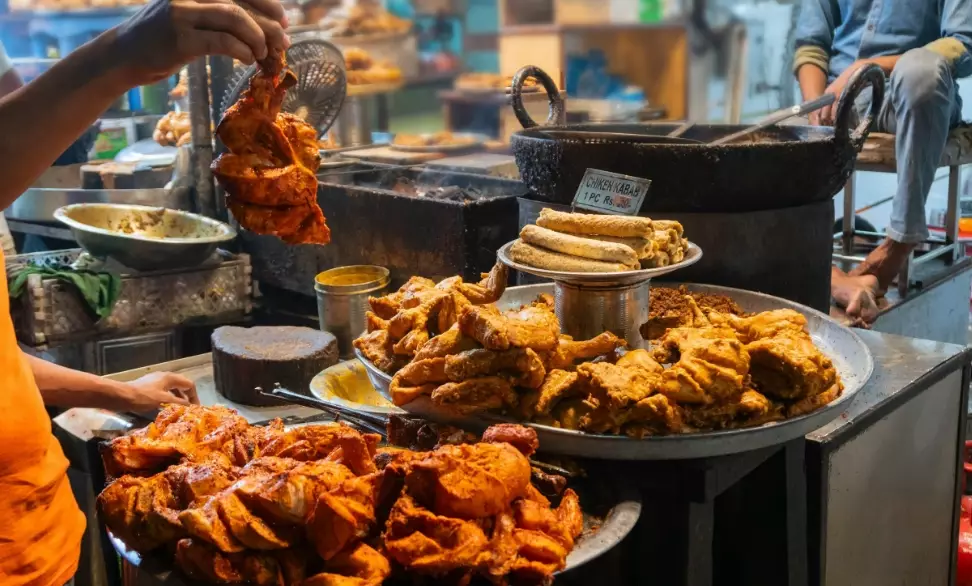
What You'll Need (The Bhaji)
- Vegetables: Potatoes, cauliflower, peas, carrots, bell peppers. Frozen mixed veggies work brilliantly.
- The Flavor Base: Onions, tomatoes, ginger, garlic, and green chilies.
- Magic Powder: Pav bhaji masala. This is non-negotiable. Everest or MDH brands are the street standards.
- The Finish: A ludicrous amount of butter, fresh coriander, and lime.
How to Make It Like a Pro
Boil the veggies until mushy. Mash them roughly—some texture is good. In a large, heavy pan (a kadai is ideal), heat a mix of oil and butter. Fry chopped onions until golden. Add ginger-garlic paste and green chilies, then a mountain of chopped tomatoes. Cook them down into a pulp. This is the base.
Now, add your pav bhaji masala, red chili powder, and turmeric. Fry for a minute until the oil separates. Dump in the mashed veggies. Stir, mash, and combine everything. Let it simmer for 10-15 minutes. The common mistake? Not cooking it long enough after combining. It needs to become one cohesive, fragrant mass.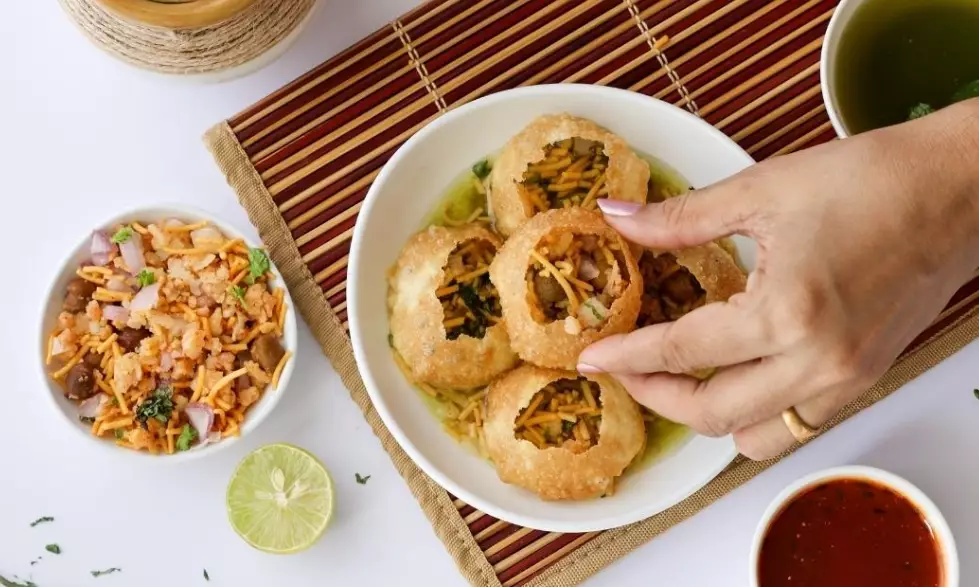
Here's the street vendor trick nobody talks about: Don't skimp on the water. The bhaji should be loose, almost sloppy, not a dry mash. Add water as it simmers to get that perfect, scoopable consistency. It also helps the spices meld. Right before serving, stir in a massive knob of butter and fresh coriander. Toast the pav (dinner rolls) in more butter with a pinch of pav bhaji masala. Serve with raw onion and lime wedges.
Chole Kulche: Hearty Chickpeas & Fluffy Bread
This is North India's power couple. Spicy, tangy chickpeas (chole) paired with soft, leavened bread (kulcha). It's a complete protein-packed meal that feels indulgent but is surprisingly straightforward. The kulcha dough comes together in minutes, and the chole, if you use canned chickpeas, is a 30-minute affair.
The Can't-Miss Spices for Authentic Chole
You can't just use garam masala. The distinct flavor comes from amchur (dry mango powder) for tang and black tea or dried amla (gooseberry) for that deep, dark color. Steep a tea bag in your cooking water. It's a game-changer. Also, asafoetida (hing)—a pinch fried in the oil at the start adds a savory, umami depth that's unmistakably "street food."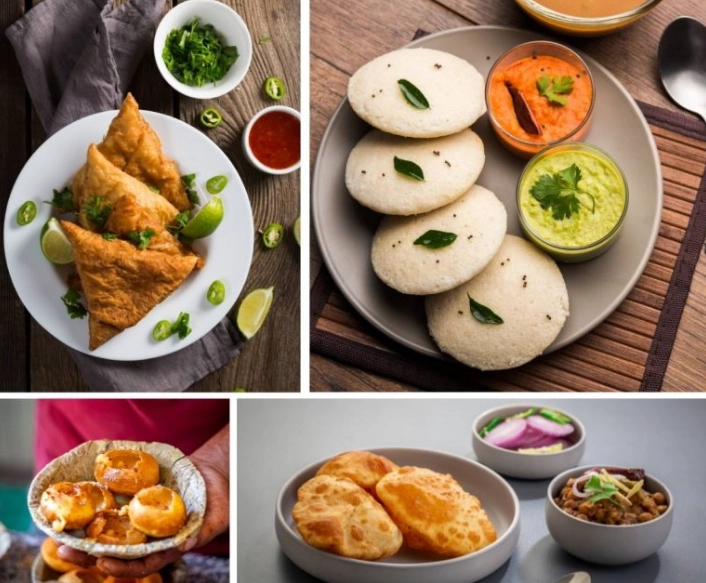
For the kulcha, mix flour, yogurt, baking powder, and salt. Knead into a soft dough. Let it rest for an hour. The yogurt gives it a slight tang and makes it incredibly tender. Roll out a portion, optionally sprinkle with nigella seeds or coriander leaves, and cook on a very hot, dry griddle (tawa). It should puff up beautifully.
Serve the chole topped with sliced ginger, green chilies, and more amchur. The kulcha gets a swipe of butter. It's messy, hearty, and utterly delicious.
Masala Dosa: The Crispy Crepe Dinner
A masala dosa is an event. A giant, crispy, lace-edged crepe made from fermented rice and lentil batter, hiding a spiced potato filling. It feels fancy but is a staple dinner across South India. The batter needs planning (fermentation takes 1-2 days), but the actual cooking is fast. For a genuine shortcut, buy fresh dosa batter from an Indian store.
Mastering the Dosa Spread
The batter should be thin, like heavy cream. Heat a cast-iron or non-stick griddle until very hot. Sprinkle water—it should sizzle and vanish. Pour a ladleful of batter in the center and, using the bottom of the ladle, spread it outwards in a swift, thin spiral motion. This takes practice. Your first one might be thick. That's okay. It'll still taste great; call it a "family-style" dosa.
Drizzle oil or ghee around the edges. Once the top looks dry and the bottom is golden and crisp, place a line of your prepared potato masala (boiled potatoes tempered with mustard seeds, curry leaves, turmeric, and onions) in the center. Fold the dosa over. Serve immediately with coconut chutney and sambar.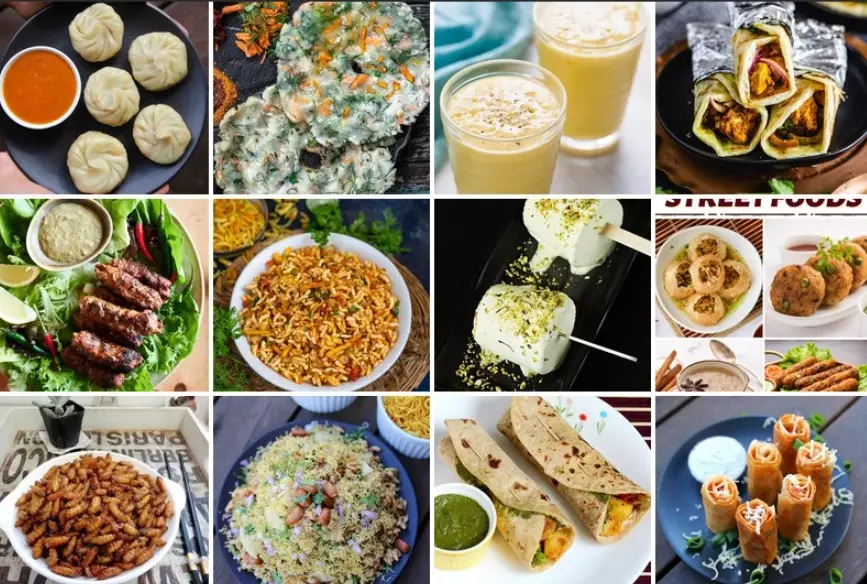
The biggest mistake home cooks make? Low heat. A dosa needs a very hot surface to instantly set and become crisp. If your griddle isn't hot enough, the batter will just sit and steam, resulting in a soft, pale, pancake-like dosa. Don't be afraid of the heat. And don't flip it. You only cook one side.
Discussion