Let's talk about North Indian vegetarian food. It's not just "curry." It's a universe of flavors, textures, and regional specialties that can turn anyone into a fan. Forget the generic buffet line—we're diving into the real deal, the dishes that define homes and streets from Punjab to Uttar Pradesh. I've spent years eating my way through Delhi's lanes and family kitchens, and the biggest mistake I see newcomers make? Ordering everything "gravy" and missing the stunning variety of dry, fried, and stuffed dishes. This guide will fix that. We'll cover the must-try classics and, crucially, exactly where you should go to eat them.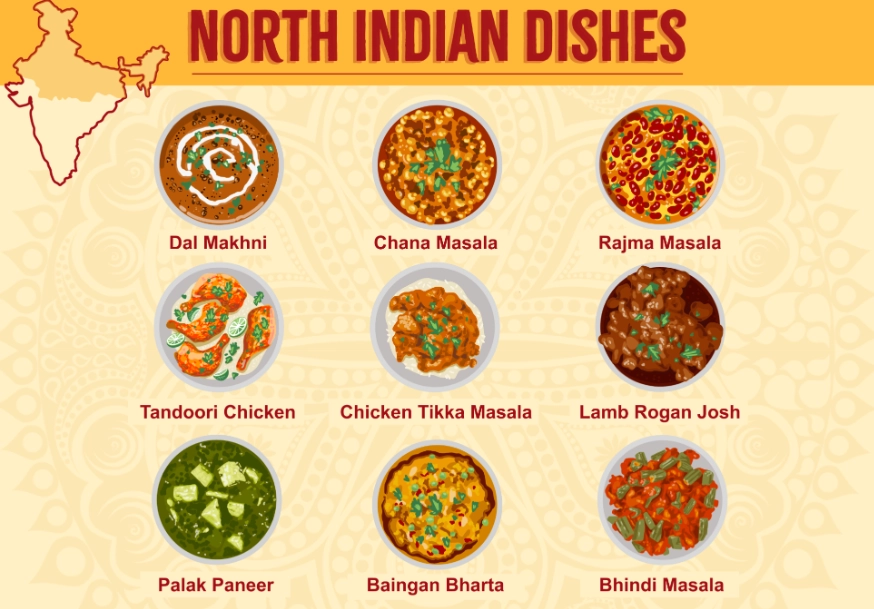
What's Inside This Guide
The Essential Dishes You Need to Know
Think of this as your checklist. These aren't just dishes; they're experiences.
1. The Hearty Legume Masters
Chole Bhature is the king of Punjabi street food. Spicy, tangy chickpeas (chole) paired with deep-fried, fluffy bread (bhature). It's a weekend breakfast ritual. The chickpeas get their deep color and complex flavor from tea bags or dried amla (gooseberries) during cooking—a little trick most restaurants guard closely.
Dal Makhani is the ultimate comfort food. Black lentils and kidney beans simmered for hours with butter and cream. The version at Moti Mahal in Delhi is legendary, but the secret to a great one is slow cooking over charcoal, giving it a subtle smokiness.
2. Vegetable Stars That Steal the Show
Aloo Gobi is the simple genius of potatoes and cauliflower cooked with turmeric, cumin, and coriander. It's dry, not swimming in sauce, and when made well, each piece is perfectly seasoned and tender-crisp.
Baingan Bharta is smoky mashed eggplant. The eggplant is traditionally roasted directly over an open flame until the skin chars, then the pulp is mashed and cooked with onions, tomatoes, and spices. That char is everything. If it doesn't have that smoky whisper, it's just mashed eggplant.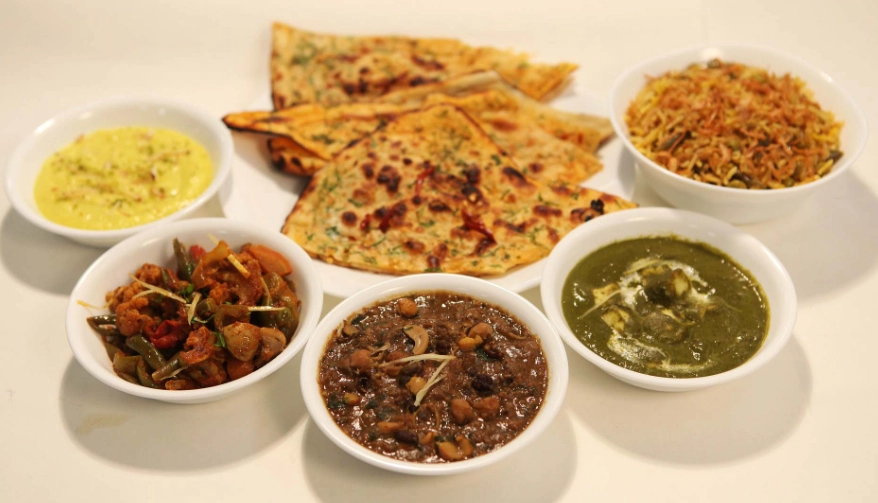
3. The Bread Basket: More Than Just Naan
Naan is great, but it's just the start. Roti/Chapati is the daily whole wheat staple. Paratha is the indulgent, layered, and often stuffed flatbread (try aloo paratha—stuffed with spiced potatoes). Kulcha, especially in Amritsar, is a leavened bread baked in a tandoor, often stuffed with paneer or potatoes.
4. Street Food & Snacks (Chaats)
This is where flavors explode. Pani Puri—crisp hollow puris filled with tamarind water, potato, and chickpeas. You eat it in one bite. Aloo Tikki—spiced potato patties fried and served with chutneys and yogurt. Raj Kachori is a giant puri filled with a festival of yogurt, chutneys, sprouts, and spices. It's messy and perfect.
Where to Eat in Delhi: A Curated List
Location matters. Here are specific spots, from historic alleys to modern institutions, where these dishes shine.
| Restaurant Name & Area | Must-Order Dishes | Vibe & Notes | Approx. Cost for Two | Hours |
|---|---|---|---|---|
| Karim's, Jama Masjid Gali Kababian, Jama Masjid |
Dal Makhani, Naan, Gobi Musallam (a whole roasted cauliflower dish—trust me). | Historic, no-frills, often crowded. Founded in 1913. The ambiance is chaotic but it's part of the experience. Go for lunch. | INR 800 - 1200 | 12:00 PM - 12:30 AM |
| Sita Ram Diwan Chand, Paharganj Chuna Mandi, Paharganj |
Chole Bhature (They are famous for this one dish). | A tiny, legendary shop. Only does Chole Bhature. Takeaway or stand-and-eat. It's a pilgrimage for foodies. | INR 200 - 300 | 7:30 AM - 5:00 PM |
| Bengali Sweet House, Chandni Chowk Across from Central Baptist Church |
Raj Kachori, Aloo Tikki, Dahi Bhalla. | Classic, bustling sweet and chaat shop. Upstairs seating is basic but functional. The chaat is consistently top-tier. | INR 300 - 500 | 9:00 AM - 11:00 PM |
| Sagar Ratna, Defence Colony Multiple branches; Defence Colony is flagship. |
Masala Dosa (South Indian, but their version is iconic), Paneer Tikka, Extensive Thali. | Upscale, clean, family-friendly vegetarian chain. Great for a wide-ranging tasting in a comfortable setting. | INR 1000 - 1500 | 8:00 AM - 11:00 PM |
| Bishan Swaroop, Chandni Chowk Chandni Chowk main street |
Chole Bhature, Chole Kulche. | Another iconic Chole Bhature specialist. Slightly different spice profile than Sita Ram. Worth comparing if you're a fan. | INR 250 - 400 | 7:00 AM - 6:00 PM |
A quick note on Old Delhi: Places like Karim's and the chaat shops in Chandni Chowk are intense. It's loud, crowded, and hot. But that's where the food has soul. For a first-timer, Sagar Ratna is a safer, air-conditioned bet to explore a wide menu.
Cooking Secrets from a Home Kitchen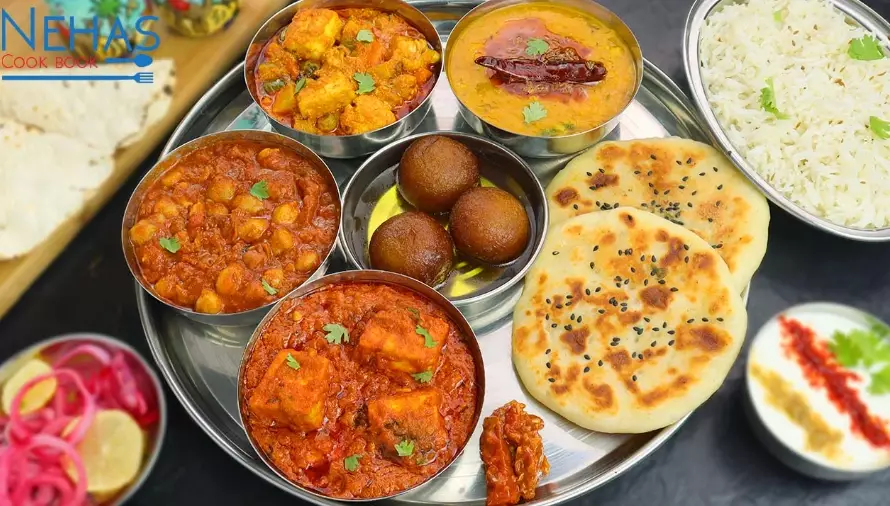
Restaurant food is one thing, but home cooking is where the magic is nuanced. Here's what most recipe blogs miss.
The "Tadka" (Tempering) is Non-Negotiable. Heating whole spices like cumin seeds, mustard seeds, or asafoetida in hot oil or ghee before adding anything else is the flavor foundation. It infuses the oil. Don't rush it. Let the spices crackle properly.
Onion-Tomato Paste: Most curries start here. The key is cooking it down until the oil separates from the mixture. This can take 15-20 minutes on medium heat. That separation is the sign that the raw taste is gone and the base is ready.
Fresh vs. Dry Spices: Coriander powder and turmeric go in early. Garam masala (a blend of warming spices like cardamom, cloves, cinnamon) is almost always added at the end, or sprinkled on top as a finish. Adding it early kills its aroma.
The Cream Trap: Many restaurants use heavy cream for richness. At home, a handful of cashews soaked and blended, or a spoonful of dried milk powder (mawa), gives richness without making the dish overly heavy. My aunt uses a tablespoon of besan (gram flour) roasted in ghee to thicken her kadhi—it's a game-changer.
How to Order Like a Pro
Walking into a North Indian restaurant can be overwhelming. This is your strategy.
First, balance your meal. Don't order three creamy gravies.
- One Rich Gravy Dish: Like Dal Makhani or Paneer Butter Masala.
- One Dry or Semi-Dry Dish: Like Aloo Gobi, Bhindi (okra) fry, or Jeera Aloo (potatoes with cumin).
- One Bread: Roti for everyday, Butter Naan or Garlic Naan for indulgence, or a stuffed Paratha if you're feeling it.
- One Rice Dish: Plain steamed rice or Jeera Rice (rice with cumin).
- Something Fresh: A side salad of onions, lemon, and cucumber, or a bowl of raita (yogurt with cucumber or boondi). It cuts through the richness.
Ask about the day's special. Many places have a seasonal sabzi (vegetable dish).
Specify your spice level. "Indian medium" is still quite spicy for many. Don't be shy to say "mild" or "less spicy." It's better than having a dish you can't eat.
Consider a Thali. It's a platter with small portions of several dishes, dal, rice, bread, salad, and a sweet. It's the best way to sample a variety. Sagar Ratna and many Gujarati/Punjabi restaurants offer excellent thalis.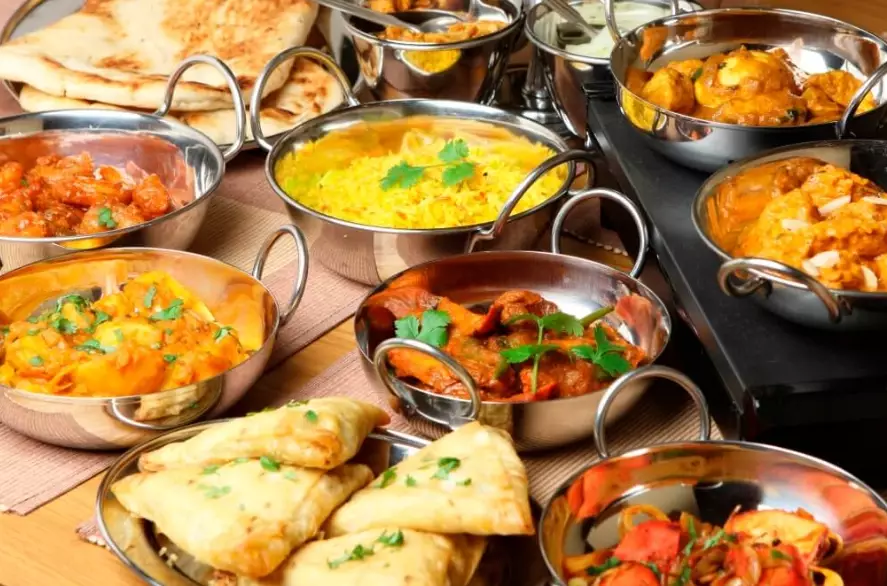
Your Questions, Answered
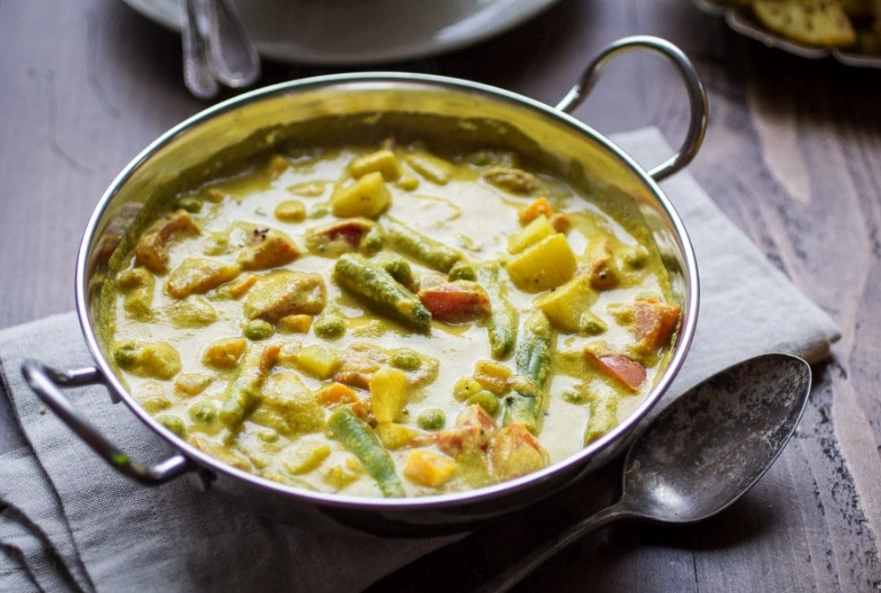 I want to try making a North Indian dish at home. What's one forgiving recipe for a beginner?
The world of traditional North Indian vegetarian food is deep and endlessly rewarding. It goes far beyond butter chicken's vegetarian cousin. It's in the smoky bharta, the tangy street chaat, the comforting dal, and the flaky paratha. Start with the classics, venture to the places that have been doing it for generations, and don't be afraid to get your hands a little messy. Your taste buds will thank you.
Discussion