Let's be honest. The idea of cooking Indian food at home can feel overwhelming. A long list of spices, unfamiliar techniques, stories of simmering for hours... it's enough to make anyone reach for the takeout menu. I was there too. My first attempt at a curry involved burning the garlic, under-toasting the cumin, and creating something that tasted more like spicy mud than a fragrant dish. It was a mess.
But here's the secret I learned after years of trial, error, and learning from home cooks: authentic Indian cooking for beginners doesn't have to be complicated. At its heart, it's about layering simple, accessible flavors. You don't need 30 spices. You don't need to cook all day. You just need a clear roadmap to get you started without the stress.
Your Quick Navigation
Your Starter Spice Kit: The 5 You Actually Need
Walk down the spice aisle and you'll see dozens of jars. Ignore most of them for now. To start easy Indian cooking, focus on this core five. Buy them in small quantities from a store with good turnover (like an Indian grocery or the bulk section) for the best flavor and value.
| Spice | Flavor Profile | Beginner's Use | Pro Tip |
|---|---|---|---|
| Ground Cumin | Earthy, warm, nutty | The base of almost everything. Adds depth. | For a huge flavor boost, buy whole cumin seeds and toast/grind them yourself. |
| Ground Coriander | Citrusy, sweet, floral | Cumin's best friend. Balances earthiness with brightness. | Never use old coriander—it tastes like dust. Smell it first. |
| Turmeric | Earthy, slightly bitter, vibrant color | Provides iconic yellow color and a foundational flavor. | It stains everything. Use a dedicated spoon and be careful! |
| Garam Masala | Warm, complex (cinnamon, cardamom, cloves) | A finishing spice. Stir in at the end of cooking for aroma. | This is a blend, not a single spice. Don't use it as the main seasoning. |
| Red Chili Powder (Kashmiri) | Mild heat, vibrant red color | Provides heat and color without overwhelming spice. | Kashmiri chili powder is milder than generic "cayenne." Seek it out. |
With just these five, you can make a shocking variety of simple Indian dishes. Forget the asafoetida and dried mango powder for now. Master these first.
Where to Shop: For the freshest and most affordable spices, an Indian grocery store is unbeatable. If you don't have one nearby, look for online retailers like iShopIndian or Patel Brothers, or check the international aisle of a large supermarket. The key is to check the packaging date if possible.
3 Can't-Fail First Recipes to Build Confidence
These recipes are chosen because they teach fundamental techniques, use the core spices above, and are incredibly forgiving. They're your training wheels.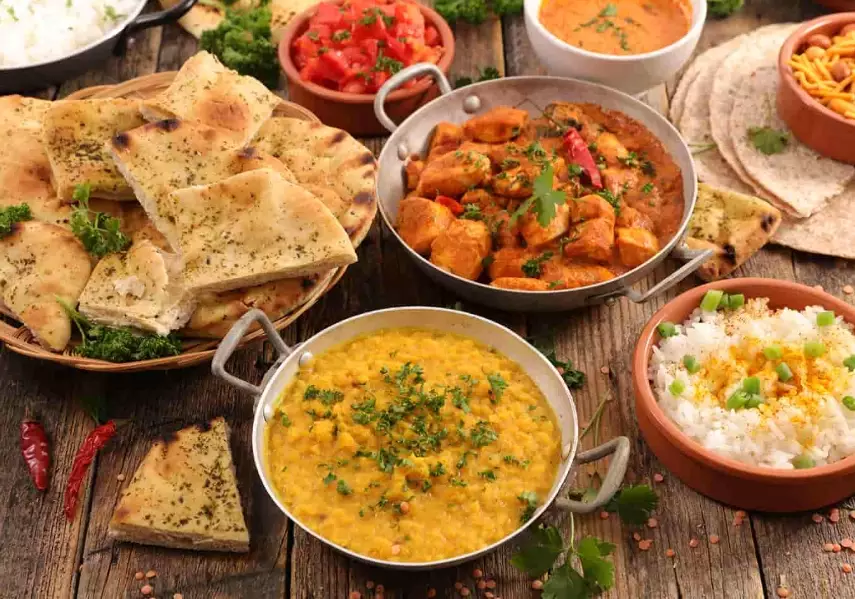
1. The 30-Minute Butter Chicken (Murgh Makhani)
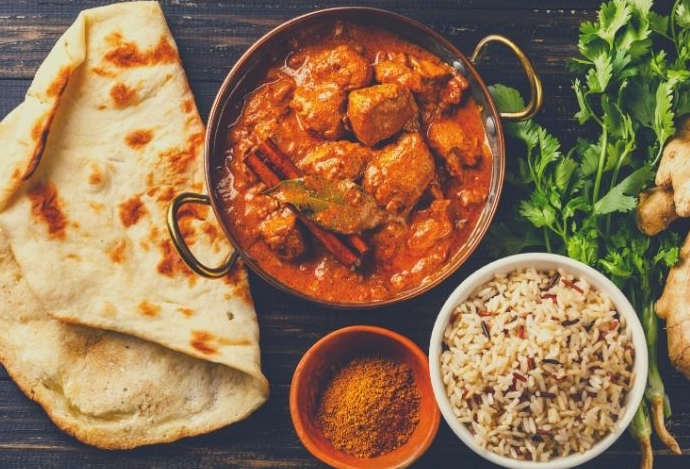
Yes, you can make a version at home quickly. The secret? A good-quality, store-bought butter chicken sauce or paste as a base. Before you purists gasp, hear me out. For a beginner, nailing the complex sauce from scratch is a high bar. Using a reliable paste (like the ones from brands like Patak's or Shan) lets you focus on the cooking technique—properly browning the chicken, sautéing onions—and still get a fantastic, crowd-pleasing result. It builds confidence fast.
Your simplified process: Marinate chicken thighs in yogurt, lemon, and a spoonful of your core spices for 20 mins (even 10 helps). Sauté chopped onion until golden. Add the chicken, brown it. Stir in the paste, add a can of tomato puree and some cream or coconut milk. Simmer 15 minutes. Finish with garam masala and butter. Taste and add salt. It works every time.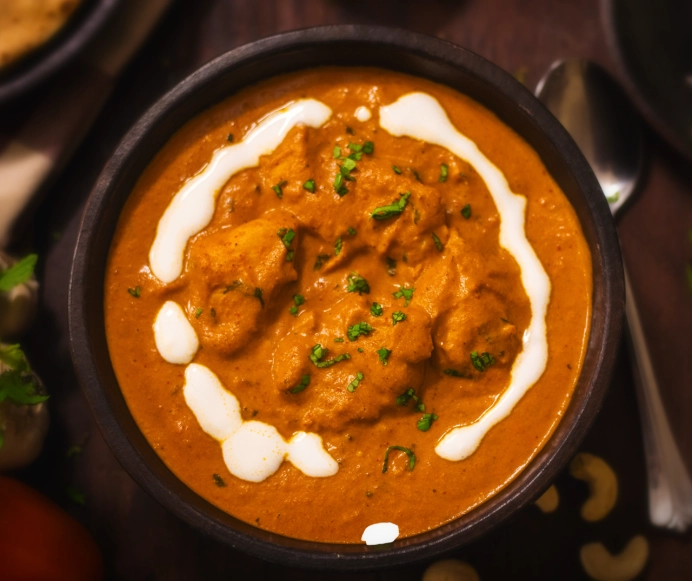
2. The Ultimate Comfort Food: Tadka Dal (Tempered Lentils)
This is where you learn the magic of "tadka" or "chaunk"—tempering whole spices in hot oil. It's the soul of Indian flavor. Cook red lentils (masoor dal) with turmeric and salt until mushy. In a small pan, heat oil or ghee. Throw in a teaspoon of mustard seeds, cumin seeds, and a dried red chili. When the seeds pop, add a pinch of asafoetida (optional) and pour this sizzling oil mixture over the cooked lentils. The flavor transformation is instant and dramatic. It's simple, cheap, healthy, and teaches you a critical technique.
3. A One-Pot Veggie Wonder: Simple Aloo Gobi (Potato & Cauliflower)
This dry curry teaches you how to cook vegetables with spices without a heavy sauce. Sauté onions, add ginger-garlic paste (buy it in a jar to start), then your ground cumin, coriander, turmeric, and chili powder. Add cubed potatoes and cauliflower florets. Stir to coat. Add a splash of water, cover, and let it cook on medium-low until the veggies are tender. The result is fragrant, satisfying, and a perfect side or main with some roti.
The Silent Mistakes Beginners Make (And How to Fix Them)
These aren't about burning things. They're the subtle errors that leave your food tasting "flat" or "off."
Mistake #1: Adding raw ground spices at the end. Raw cumin or coriander powder tastes dusty and unpleasant. You must cook them in the oil ("blooming") for 30-60 seconds after your onions/ginger are done. You'll smell the fragrance change—that's when you know they're ready.
Mistake #2: Crowding the pan when browning meat or onions. If you dump all your chicken or onions in a small pan, they'll steam, not brown. Brown in batches if needed. That golden color = flavor.
Mistake #3: Undersalting. Indian food needs assertive seasoning to balance the spices. Salt is a flavor amplifier, not just a salty taste. Add in stages, taste at the end, and don't be shy.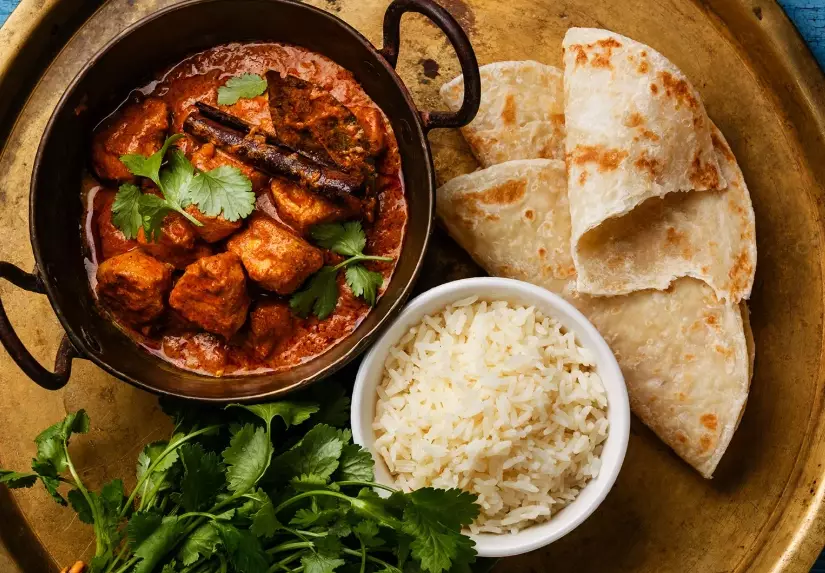
Mistake #4: Using cold yogurt in a marinade or sauce. Cold yogurt can curdle when hit with heat. Let it come to room temperature, or better yet, whisk a little of the hot sauce into the yogurt first to temper it, then stir it all back in.
Smart Shortcuts for Busy Weeknights
Easy Indian cooking for beginners means being realistic. You won't grind fresh masalas every Tuesday. Use these shortcuts without guilt.
- Ginger-Garlic Paste (Jarred): A total lifesaver. Saves 10 minutes of peeling and grinding. The flavor is perfectly fine for everyday cooking.
- Pre-made Pastes & Sauces: As mentioned for butter chicken, a quality paste is a fantastic foundation. Read labels and choose ones with recognizable ingredients.
- Frozen Parathas/Rotis: Available at Indian stores and many supermarkets. Heat on a skillet for 2 minutes and you have fresh, flaky bread. Way better than trying to make it from scratch on a weeknight.
- The "Base Gravy" Batch: On a lazy Sunday, make a big batch of onion-tomato-ginger-garlic gravy, blend it smooth, and freeze in portions. Thaw and use as a starter for countless curries.
Your Indian Cooking Questions, Answered
The journey into Indian cooking starts with a single step—and that step doesn't have to be grinding 15 spices for three hours. It can be toasting a teaspoon of cumin and watching it sizzle. It can be the satisfying pop of mustard seeds in hot oil. Start with one simple recipe from this guide. Master the technique, not just the ingredient list. You'll be surprised how quickly the fear melts away, replaced by the incredible aroma of your own kitchen filling with the warm, welcoming flavors of India.
Discussion