Let's be honest. That store-bought jar of South Indian pickle, or achar, never hits the same. It's either too vinegary, too soft, or missing that deep, sun-kissed flavor your grandmother's version had. Making pickle at home isn't just about saving money; it's about capturing a taste of tradition that commercial processing often strips away. For many of us, the smell of mustard oil and fenugreek toasting is the smell of home. This guide cuts through the intimidation. We'll walk through the core principles, three foolproof recipes you can start with, and the expert-level tips that most recipe blogs gloss over.
In This Article
South Indian Pickle Basics: Oil, Salt, and Sun
Before we chop a single mango, let's talk about the holy trinity. Get these wrong, and your pickle might spoil, taste bland, or lack that signature texture.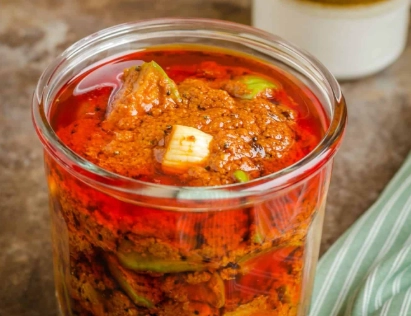
Mustard Oil is Non-Negotiable. I've seen recipes suggest using sunflower or sesame oil. Don't. Mustard oil has antibacterial properties and a pungent kick that defines South Indian pickles. The key is to heat it to the smoking point and then let it cool completely. This process, called "tempering," removes the raw bitterness. If you can't find food-grade mustard oil, a mix of peanut and a tiny bit of extra-virgin olive oil can be a distant substitute, but the flavor profile changes entirely.
Salt is Your Preservative. This isn't the time for fancy sea salt flakes. Use non-iodized rock salt or pure pickling salt. Iodine can inhibit fermentation and discolor the pickle. The salt ratio is critical—too little, and microbes party; too much, and it's inedible. A good rule of thumb is about 15-20% of the weight of your main vegetable.
Sunlight is the Magic Ingredient. Fermentation and flavor development happen in that warm, sunny spot by your window. The sun helps the oil and spices meld, tenderizes the raw ingredients, and kickstarts natural preservation. No direct sun? A warm, dry cupboard works, but it'll take longer.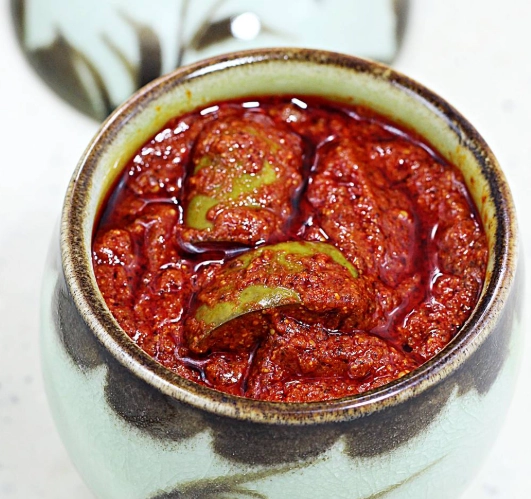
South Indian pickles broadly fall into two camps, and choosing your path affects your prep time and patience level.
| Pickle Type | Key Characteristic | Main Ingredient | Shelf Life | Best For |
|---|---|---|---|---|
| Oiled & Fermented | Preserved in spiced mustard oil, requires weeks of sunning. | Raw mango, lime, garlic, ginger. | 6 months to 1 year+ | Traditionalists, bulk makers. |
| Instant (Pachadi-style) | Ready in hours/days, often uses tempering with mustard seeds. | Tomato, carrot, lemon (quick version). | 1 week to 1 month (refrigerated) | Beginners, small batches, immediate cravings. |
Three Must-Try Classic South Indian Pickle Recipes
Let's get practical. Here are three recipes that cover the spectrum—a classic fermented one, a citrus staple, and a quick fix for when you need pickle yesterday.
1. The King: Raw Mango Pickle (Avakkai)
This is the project pickle. It's a rite of passage. The goal is firm, tart mango pieces in a fiery, oily spice paste. The most common mistake? Cutting the mangoes too small. They shrink and turn mushy over time.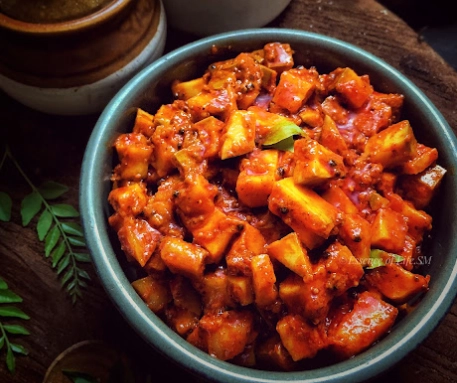
What You'll Need:
- Raw, firm mangoes – 2 kg (choose varieties like Totapuri or Banganapalli)
- Mustard oil – 2 cups (500 ml)
- Rock salt – 300-350 grams (adjust to taste)
- Red chili powder – 1 cup (adjust heat, use Kashmiri for color + Guntur for heat)
- Fenugreek seeds (methi) – 3 tbsp, dry-roasted and powdered
- Mustard seeds – 4 tbsp, coarsely powdered
- Turmeric powder – 2 tbsp
- Asafoetida (hing) – 1.5 tsp (block hing, dissolved in 2 tbsp water, is best)
The Process, Step-by-Step:
- Prep the Mangoes. Wash and dry them completely. Cut into 1.5-inch chunks, discarding the seed. Wipe any residual moisture with a clean cloth.
- Temper the Oil. Heat the mustard oil in a large, dry kadai or pan until it just begins to smoke. Turn off the heat and let it cool to room temperature. This is crucial.
- Mix the Spice Paste. In a huge, dry bowl, mix the salt, red chili powder, fenugreek powder, mustard powder, and turmeric. Add the cooled oil slowly, mixing to form a thick, lump-free paste.
- Combine and Jar. Add the mango pieces and asafoetida water to the spice paste. Using clean, dry hands or spoons, mix thoroughly, coating every piece. Pack tightly into sterilized jars, leaving about an inch of headspace.
- The Waiting Game. Seal the jar. Place it in direct sunlight for 4-6 weeks. Give it a gentle shake every couple of days (don't open it for the first week). You'll see the oil rise to the top and the mangoes change color. It's ready when the raw spice smell mellows and the mango pieces are still firm but flavorful.
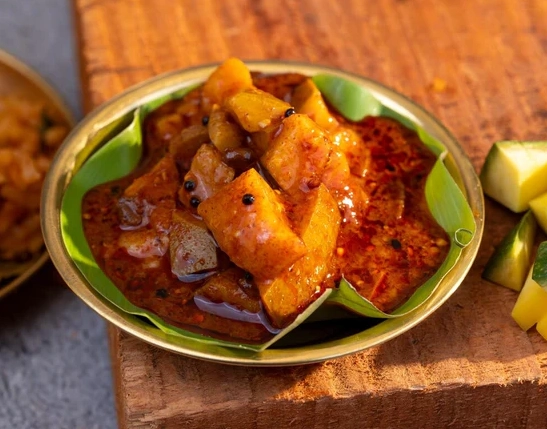
2. The Zesty Workhorse: Lemon Pickle (Nimmakaya Pachadi)
Lemon pickle is more forgiving than mango. The juice it releases creates its own preserving liquid. My personal twist? I add a tablespoon of crushed jaggery after a month—it balances the sharpness beautifully.
Shortcut Method (Ready in ~4 weeks):
- Take 15-20 thick-skinned lemons. Wash, dry, and cut each into 8 wedges.
- In a bowl, mix the lemons with 1 cup of salt, 1/2 cup red chili powder, 1/4 cup turmeric, and 2 tbsp fenugreek powder.
- Pack into a jar. Pour 1 cup of cooled, tempered mustard oil on top. Seal and sun.
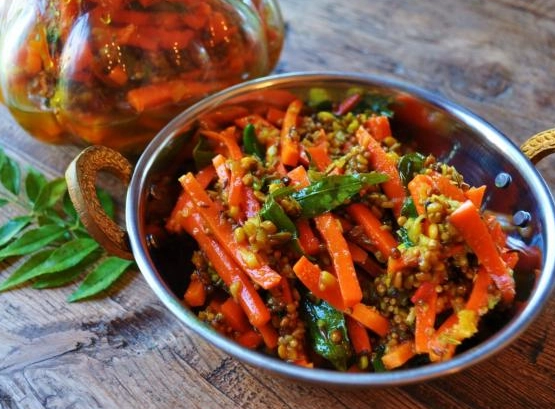
3. The Instant Craving Killer: Tomato Pickle (Thakkali Pachadi)
No sunning required. This is a tempered, sautéed pickle that's ready in under an hour and lives in your fridge.
Chop 6 ripe, firm tomatoes. Heat 3 tbsp oil, splutter 1 tsp mustard seeds, 1 tsp urad dal, a few curry leaves, and 2 dried red chilies. Add the tomatoes, 1 tsp turmeric, salt, and 2 tbsp red chili powder. Cook on medium until the tomatoes break down and the oil separates. Finish with a big pinch of asafoetida. Cool and store. It's tangy, spicy, and perfect with curd rice.
Pro Tips for Perfect Pickling and Storage
This is where experience talks. I learned some of these the hard way.
Testing Oil Temperature: Don't just watch for smoke. Drop a tiny mustard seed in. If it crackles and dances immediately, it's ready. Let it cool until you can comfortably place your hand near the pan's surface.
The Moisture Killer: Even a drop of water in your jar is an invitation to mold. Beyond drying utensils, ensure your main ingredient is bone-dry after washing. For lemons and mangoes, I let them air-dry for a full hour after patting them down.
Why is My Pickle Cloudy or Moldy? Cloudy oil usually means residual moisture from the vegetables or spices. It might still be safe if there's no foul smell. A white film on top? That's often harmless kahm yeast, common in ferments. Scoop it off. Fuzzy green or black mold? Unfortunately, the whole batch needs to go. The culprit is almost always insufficient salt, oil, or moisture contamination.
Speeding Up the Process (A Little): For oil-based pickles, keeping the jar in a consistently warm place (like on top of your refrigerator) can shave off a week or two compared to relying on intermittent sun.
Long-Term Storage: Once matured, keep the jars in a cool, dark place. Always use a clean, dry spoon to take pickle out. If you notice the oil level dropping over months, you can top it up with a little freshly tempered and cooled mustard oil.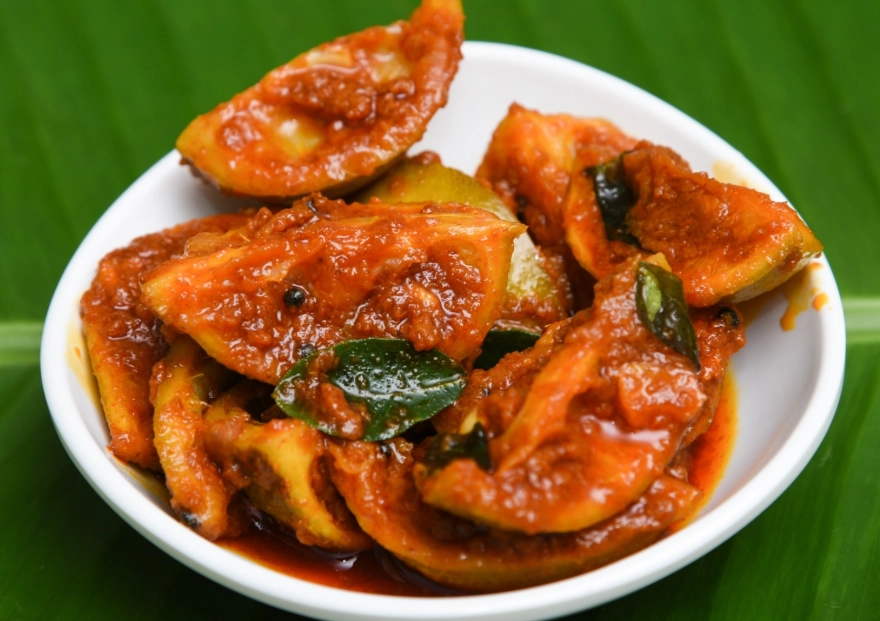
Your Pickle Problems, Solved
Can I use olive oil or coconut oil instead of mustard oil?
You can, but the pickle won't be authentic. Mustard oil's pungency and preservative qualities are central. Olive oil has a low smoke point and a distinct flavor that clashes with the spices. If you must substitute, a neutral oil with a high smoke point like peanut or sunflower oil is better, but add a teaspoon of powdered mustard to the spice mix to mimic some of the flavor.
My mango pickle turned out too soft and mushy. What happened?
Three likely reasons: the mangoes were overripe or a soft variety to begin with, you cut the pieces too small, or the jar was kept in a place that was too warm, speeding up fermentation to the point of breaking down the fibers. Next time, use rock-hard, tart mangoes and cut them into large, sturdy chunks.
How do I know if my homemade pickle has gone bad?
Trust your senses. An off, rancid smell (different from the strong, spicy aroma) is the first sign. Look for significant discoloration beyond the normal darkening of spices, excessive bubbling when the jar hasn't been disturbed, or any kind of fuzzy, colored mold growth inside the paste, not just on the surface.
Is it safe to can South Indian pickles using a water bath for shelf-stability?
Most traditional South Indian pickle recipes are not designed for water bath canning because of their high oil and low water content. The heat processing can cause the oil to separate badly and ruin the texture. The traditional preservation method is the combination of salt, oil, acid, and sun fermentation. For science-backed canning guidelines for pickled products, refer to resources from the National Center for Home Food Preservation.
Why does my instant tomato pickle become watery in the fridge?
Tomatoes release a lot of water over time. The key is to cook the pickle down until the oil visibly separates from the tomato pulp—this means most of the excess moisture has evaporated. Let it cool completely to room temperature before refrigerating. Condensation forms if you jar it while hot.
Discussion