Quick Guide
Let's be honest. By the time dinner rolls around, the last thing you want is to be stuck in the kitchen for two hours deciphering a complicated recipe. You're hungry, maybe a bit tired, but you still want something satisfying, flavorful, and good for you. That's where the magic of vegetarian Indian recipes for dinner comes in. I used to think making Indian food at home was a weekend-only project, reserved for times when I felt like hunting down twenty different spices. I was wrong.
The real secret? A lot of homestyle Indian vegetarian cooking is built for weeknights. It's about hearty lentils, spiced vegetables, and flatbreads that come together faster than you'd think. The flavor payoff is huge, and it leaves you feeling nourished, not sluggish. This isn't about restaurant-style, cream-heavy curries. This is about the food you'd actually eat at home in India. The kind of vegetarian Indian dinner recipes that solve the "what's for dinner?" dilemma with minimal fuss.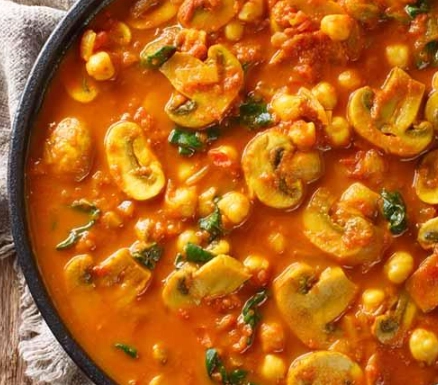
My Aha Moment: I once tried to make a fancy recipe with every spice under the sun. It was a disaster—overpowering and muddy. An Indian friend later told me, "Start with three: cumin, coriander, turmeric. Master those first." Best advice ever. It demystified everything.
Before You Start Cooking: The Foundation of Flavor
You don't need a pantry that looks like a spice bazaar. Really. For 90% of the vegetarian Indian dinner recipes you'll want to make, a small core group of spices and staples will do the heavy lifting. Getting these right is more important than having a huge collection.
Think of these as your flavor building blocks. Having them on hand means you can go from "I have potatoes and peas" to a fantastic Aloo Matar in under 30 minutes. It's the difference between a bland pot of lentils and a deeply satisfying Dal Tadka.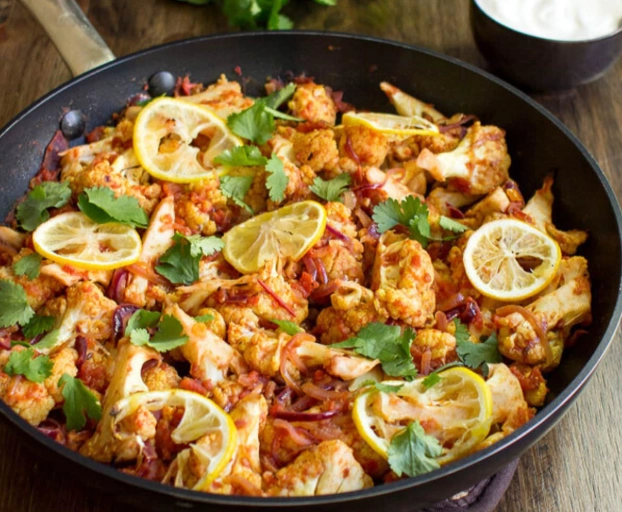
The Non-Negotiable Spice Kit
Here’s the thing. You can buy pre-mixed curry powder, but it often tastes one-dimensional and, frankly, a bit dusty. Building flavors from individual ground or whole spices is easier than it sounds and makes all the difference. The U.S. Department of Agriculture has a great resource on managing sodium in your diet, which is helpful since controlling salt is easier when you use fresh spices for flavor.
| Spice | Form to Buy | What It Does | My Honest Take |
|---|---|---|---|
| Cumin Seeds (Jeera) | Whole seeds | The earthy, nutty base. You'll often "temper" these in oil first. | Essential. The smell of cumin seeds crackling in oil is the smell of Indian cooking starting. |
| Coriander Powder (Dhania) | Ground powder | Provides a warm, citrusy, floral backbone to curries and dals. | Buy in small quantities and use fast. It loses its fragrance quickly. |
| Turmeric Powder (Haldi) | Ground powder | Adds golden color and a warm, slightly bitter earthiness. | It stains everything yellow (your fingers, countertops, spoons). Consider it a badge of honor. |
| Garam Masala | Ground blend | A warming blend (cinnamon, cardamom, cloves, etc.) added at the END of cooking. | Don't cook it for long or it turns bitter. A final sprinkle is magic. |
| Red Chili Powder | Ground powder (Kashmiri is milder) | Heat and color. Kashmiri chili powder gives vibrant red without extreme heat. | Start with less. You can always add more heat, but you can't take it out. |
See? Not so scary. With just those five, you're incredibly well-equipped. Of course, there are others like mustard seeds, fenugreek, and asafoetida that add complexity, but they can be phase two. Master the core group first.
Watch Out: "Chili powder" in an Indian recipe is pure ground dried chilies. It is NOT the same as American-style chili powder, which is a blend with cumin and garlic. Using the wrong one will throw your flavor off completely. Look for labels that say "Kashmiri Red Chili Powder" or simply "Red Chili Powder" in Indian grocery stores or online.
Pantry Staples Beyond Spices
Spices are the soul, but these are the body. You probably have most already.
- Dals (Lentils): Masoor dal (red lentils) cook the fastest, perfect for a 20-minute soup. Toor dal (pigeon peas) is the classic for sambar or a simple dal. I always have a bag of each.
- Canned Tomatoes: A lifesaver. Crushed or pureed tomatoes form the base of many North Indian curries (makhanwala styles). Fresh tomatoes are great in season, but canned are consistently good.
- Onions, Garlic, Ginger: The holy trinity of the base paste (masala). A small food processor or even a box grater makes quick work of the ginger.
- Coconut Milk (Canned): For creamy South Indian or Goan-style curries. It's a rich, dairy-free alternative to cream.
Wondering what spices are absolutely essential? That's a common question. The table above is your cheat sheet. Once you have those, you can tackle almost any basic vegetarian Indian dinner recipe.
Top Vegetarian Indian Dinner Recipes You Can Actually Make Tonight
Okay, let's get to the good stuff. These aren't just recipes; they're my tested, weeknight-approved solutions. Each one solves a different dinner problem. Need something lightning fast? Got it. Need a one-pot wonder? Yep. Something to impress? That's here too.
I've ranked these based on a combo of speed, flavor payoff, and how often I find myself making them. Your personal top three might be different, but these are incredibly reliable.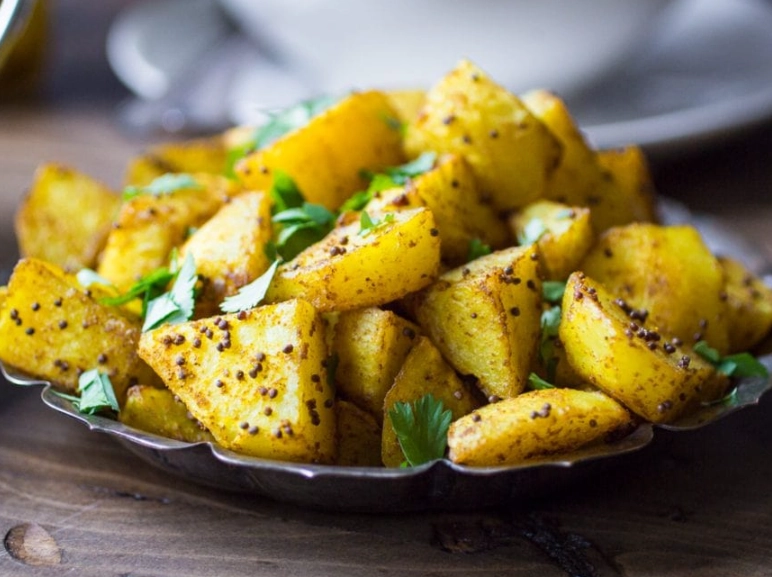
The 20-Minute Champion: Masoor Dal (Red Lentil Soup)
This is my ultimate back-pocket recipe. When I have zero energy but want a healthy, comforting vegetarian Indian dinner, this is it. Red lentils cook in about 15 minutes with no soaking. The tadka (tempering) of spices sizzled in oil or ghee at the end is what transforms it from simple soup to something magical.
Why it works for dinner: It's a complete protein-packed meal with some rice or bread. It's easy to digest and feels like a hug in a bowl. You can add spinach in the last few minutes for extra greens. The International Food Information Council has great insights on the benefits of plant-based proteins like lentils, which is a core part of why these vegetarian Indian recipes for dinner are so sustaining.
My tip: Don't skip the tadka. Heat ghee or oil in a small pan, throw in a teaspoon of cumin seeds, a dried red chili, and a pinch of asafoetida if you have it. Let it sizzle for 30 seconds, then pour the whole thing, sizzling oil and all, onto the cooked dal. The flavor explosion is unreal.
The Crowd-Pleaser: Chana Masala (Chickpea Curry)
This might be the most famous vegetarian Indian dinner recipe globally, and for good reason. It's hearty, tangy, spicy, and works with canned chickpeas (though soaked dried ones are better). The key is getting that thick, clinging gravy and the sour note from dry mango powder (amchur) or a squeeze of lemon.
Why it works for dinner: It's incredibly filling and everyone loves it. It reheats beautifully, making it perfect for meal prep. Serve it with rice or fluffy bhatura (fried bread) if you're feeling fancy, or simple whole-wheat roti.
My (slightly controversial) take: Most online recipes use tomato paste. I find it can make the curry too sweet and concentrated. I prefer using crushed canned tomatoes and letting them cook down slowly to form a richer, more balanced base. It takes an extra 10 minutes, but it's worth it.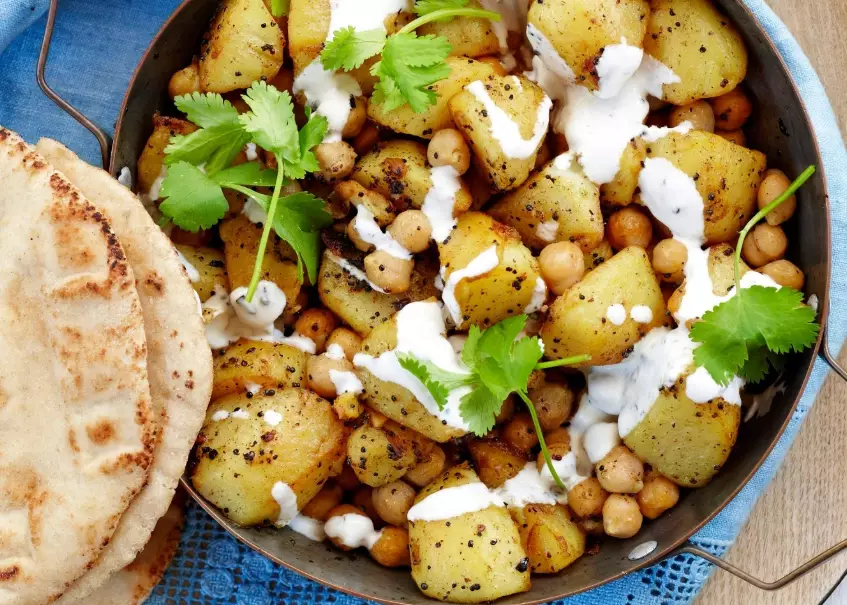
The One-Pot Wonder: Vegetable Biryani (Simplified)
Hear me out. A traditional biryani is a layered, celebratory dish. A weeknight vegetarian biryani is a spiced rice pilaf with vegetables. It's all cooked in one pot, and the aroma will have everyone asking when dinner is. You use the absorption method—toasting the rice with spices, adding veggies and water, and letting it steam until done.
Why it works for dinner: It's a complete meal in a single pot. Minimal cleanup. You can use any hardy veggies you have—cauliflower, carrots, peas, green beans. The Rice Association provides useful cooking guides on the absorption method for perfect rice, which is the core technique here.
The trick: Soak your basmati rice for 20 minutes before cooking. It makes the grains longer and less likely to break. And don't stir after you add the water! Just cover, lower the heat, and walk away. Trust the process.
Those three alone could form a solid rotation for your vegetarian Indian dinner recipes. But what about sides? A simple cucumber raita (yogurt with grated cucumber, cumin, and salt) cools everything down. A quick salad of onions, tomatoes, and lemon juice cuts through the richness.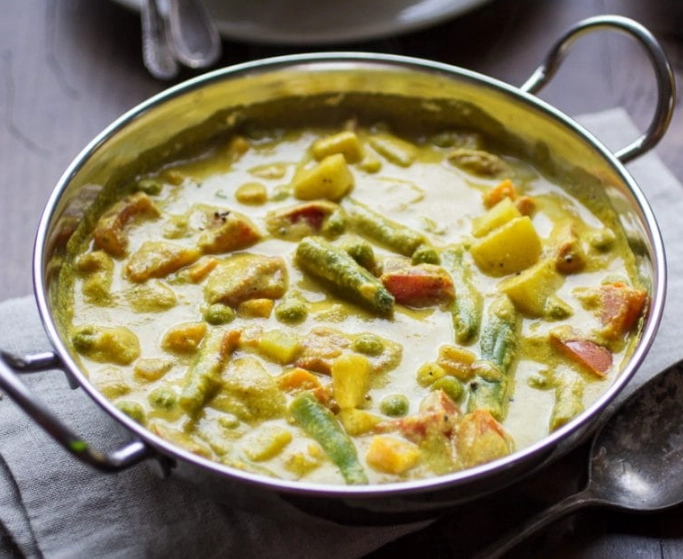
Navigating Common Questions & Pain Points
I get a lot of questions from friends trying this at home. These are the real hurdles people face, not the theoretical ones.
Pro Move for Depth: For a deeper, restaurant-style flavor in your vegetarian Indian recipes for dinner, try this. After you fry your main spice powders (coriander, turmeric, chili), add a tablespoon of besan (chickpea flour). Roast it in the oil and spices for a minute until it smells nutty. Then add your liquid. It thickens the gravy and adds a wonderful toasted flavor. Just be sure to cook it well to avoid a raw flour taste.
Building a Balanced Vegetarian Indian Dinner Plate
In India, a thali (plate) is all about balance. It's not just a giant bowl of curry. Thinking this way makes your meals more satisfying and nutritionally complete. It also makes deciding what to cook easier.
Aim for elements from these categories:
- The Main Event: A dal (lentil dish) or a sabzi (vegetable curry). This is your primary source of protein and flavor.
- The Base: A whole grain. Brown rice, quinoa, or whole wheat roti/chapati. For authenticity and fantastic recipes, the Whole Grains Council's recipe database is a treasure trove for whole-grain ideas.
- The Fresh Counterpoint: Something raw or fresh. A simple salad (koshimbir), sliced cucumbers and carrots, or a raita (yogurt salad). This adds crunch, freshness, and probiotics.
- The Accent: A pickle (achaar) or a chutney (like mint-coriander). Just a teaspoon adds a powerful punch of sour, sweet, or spicy flavor that wakes up the whole plate.
You don't need all four every night. But having at least a main, a base, and something fresh creates a meal that feels complete and keeps you full longer. A bowl of just dal and rice is fine, but add a spoon of tangy mango pickle on the side? Game changer.
Meal Prep & Leftover Magic
This is where vegetarian Indian recipes for dinner truly shine. Most curries and dals taste even better the next day as the flavors meld. I routinely double recipes.
My Sunday ritual often involves making a big pot of a lentil dal and a vegetable curry. They stay good in the fridge for 3-4 days. Then, on weeknights, I just need to cook some fresh rice or heat a roti, and maybe whip up a quick raita. Dinner is ready in 10 minutes.
Leftover Idea: Turn leftover chana masala or rajma (kidney bean curry) into a fantastic wrap. Warm the curry, spread it on a tortilla or roti, add some lettuce, onions, and a drizzle of yogurt or chutney. Roll it up. An instant, delicious lunch.
Another trick? Freeze portions of cooked base gravies (like a fried onion-tomato-spice paste) in ice cube trays. Pop out a couple of cubes, heat them in a pan, add some boiled veggies or chickpeas and water, and you have a fresh-tasting curry in minutes.
So, what's the first vegetarian Indian dinner recipe you're going to try? Maybe the 20-minute dal? Or the one-pot biryani? The barrier to entry is lower than you think. Forget the complicated myths. Grab a few core spices, a bag of red lentils or a can of chickpeas, and just start. That first successful, homemade, flavorful bite is its own kind of magic. It turns a routine Tuesday dinner into something special. And honestly, isn't that what we're all looking for?
Discussion