You know that feeling when you walk into an Indian restaurant and the menu hits you with a dozen options for starters? It's exciting but also a bit overwhelming, especially if you're vegetarian or just looking for some amazing meat-free options. I remember the first time I tried to host an Indian-themed dinner party – I spent hours scrolling through recipes, trying to figure out what are the five Indian appetizers veg that would actually impress my friends without requiring me to spend three days in the kitchen.
Quick Guide to Indian Veg Appetizers
- The Top 5 Indian Vegetarian Appetizers You Should Know
- Quick Comparison: What Makes Each Appetizer Unique
- Beyond the Basics: Common Questions Answered
- The Cultural Context: More Than Just Food
- My Personal Experience & Tips
- Where to Find Authentic Recipes & Learn More
- Wrapping Up: Your Indian Appetizer Journey Starts Here
Turns out, there's a whole world of flavor waiting in Indian vegetarian starters that most people outside India don't even know about. And no, I'm not just talking about samosas – though don't get me wrong, a good samosa is a beautiful thing. I'm talking about dishes that range from crispy fried delights to tangy, yogurt-based wonders that can make your taste buds do a happy dance.
Let's cut through the confusion and get straight to the good stuff. After cooking Indian food for years (and making plenty of mistakes along the way), I've narrowed it down to five absolute must-try vegetarian appetizers that represent different regions, cooking styles, and flavor profiles of India.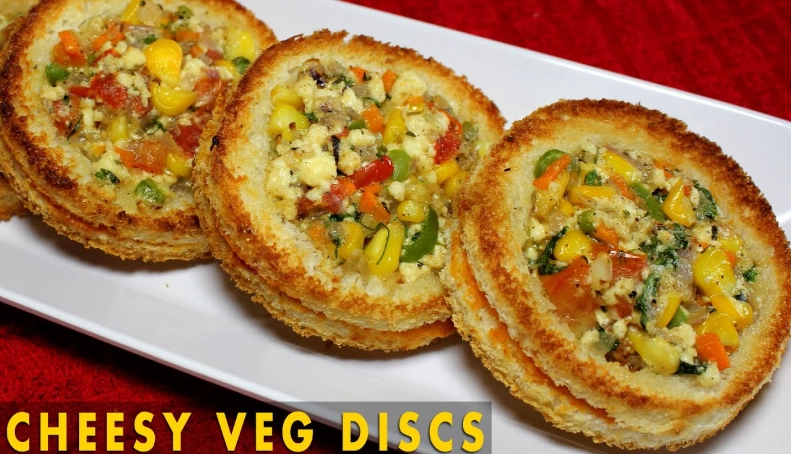
The Top 5 Indian Vegetarian Appetizers You Should Know
Alright, let's dive in. These aren't just random picks – each one brings something unique to the table (literally). They're popular across India for good reason, and once you try them, you'll understand why. When people ask me what are the five Indian appetizers veg they should start with, this is exactly what I tell them.
Paneer Tikka – The Charred Cheese Wonder
If you like cheese even a little bit, you're going to love paneer tikka. Imagine firm Indian cottage cheese (paneer) cut into cubes, marinated in a spiced yogurt mixture that includes ginger, garlic, turmeric, and a special blend of spices called tandoori masala, then grilled or baked until the edges get beautifully charred.
The magic happens in the marinade. It's not just about flavor – the yogurt tenderizes the paneer and helps all those spices stick. Some recipes add bell peppers and onions to the skewers, which caramelize alongside the cheese and create this amazing sweet-and-smoky contrast.
Here's the thing most recipes don't tell you: the quality of paneer matters a lot. Fresh, homemade paneer or good quality store-bought makes all the difference. Rubbery paneer will stay rubbery no matter how good your marinade is. I learned this the hard way when I tried to save a few bucks on cheaper paneer for a party – big mistake. The texture was off, and the flavors didn't penetrate as well.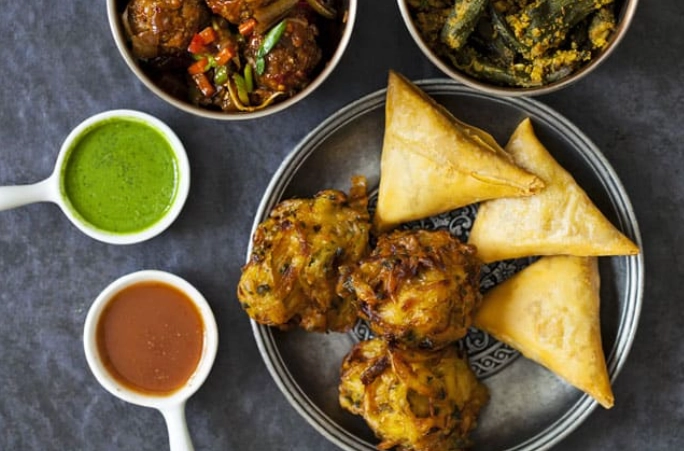
Paneer tikka is traditionally cooked in a tandoor (clay oven), but a regular oven or even a grill pan works fine. Just make sure you get some char on those edges – that's where a lot of the flavor lives.
Samosa – The Crispy Pyramid of Joy
Okay, you probably saw this one coming. But hear me out – a truly great samosa is an art form, and most of the ones you get outside India don't do it justice. We're talking about a crispy, flaky pastry triangle filled with a spiced potato and pea mixture, deep-fried to golden perfection.
The filling seems simple – boiled potatoes, peas, spices – but the balance is everything. Too many peas and it gets sweet. Not enough cumin and it lacks depth. Some versions add cashews or raisins for texture contrast, though purists might argue about that addition.
Let's talk about the dough, because this is where many home cooks (including me, at first) mess up. The pastry needs to be sturdy enough to hold the filling without breaking during frying, but still flaky when you bite into it. The secret? Adding a bit of oil or ghee to the flour and using cold water. And don't overwork the dough – that's a surefire way to get tough pastry.
Samosa variations exist across India – smaller ones in Gujarat, bigger ones in North India, different spice mixes everywhere. But the core concept remains: crispy outside, flavorful inside, served with tangy tamarind chutney and mint chutney. It's street food perfection.
Aloo Tikki – The Spiced Potato Patty
Think of aloo tikki as India's answer to the hash brown, but with way more personality. Mashed potatoes mixed with spices, shaped into patties, and shallow-fried until crispy on the outside and soft on the inside. Simple? Yes. Boring? Absolutely not.
The basic version has boiled potatoes, cumin, coriander, chili powder, and sometimes chopped cilantro. But here's where it gets interesting – you can add so many things to the mix. Grated vegetables like carrots or beets for color and nutrition. Paneer crumbles for extra protein. Even boiled chickpeas mashed in for a different texture.
What I love about aloo tikki is how versatile it is. Serve it plain as an appetizer with chutneys. Turn it into chaat by topping it with yogurt, tamarind chutney, sev (crispy chickpea noodles), and chopped onions. Make it a meal by putting it between burger buns with some chutney mayo. It's one of those dishes that adapts to whatever you need.
Texture is key here. You want the outside crispy enough to give resistance when you bite, but the inside should be soft and moist. If your tikkis are falling apart during frying, you might need to add a binding agent – a little cornstarch or chickpea flour usually does the trick. Or maybe you didn't mash the potatoes well enough – lumps can create weak spots.
Dhokla – The Steamed Savory Cake from Gujarat
Now we're getting into less familiar territory for many people, and that's a shame because dhokla is fantastic. It's a steamed savory cake made from fermented rice and chickpea batter, light, spongy, and tangy. If you're looking for a healthier appetizer option (since it's steamed, not fried), this is it.
The fermentation is what gives dhokla its distinctive flavor and airy texture. You mix rice and chickpea flour with yogurt or lemon juice and let it sit for a few hours until it gets bubbly. Then you steam it, cut it into squares, and typically temper it with mustard seeds, curry leaves, and green chilies sizzled in oil.
My first attempt at dhokla was... not great. The batter didn't ferment properly (my kitchen was too cold), and what came out was dense and bland. Lesson learned: fermentation needs warmth. Now I either let it sit in my oven with just the light on (which creates the perfect warm environment) or near a heater during colder months.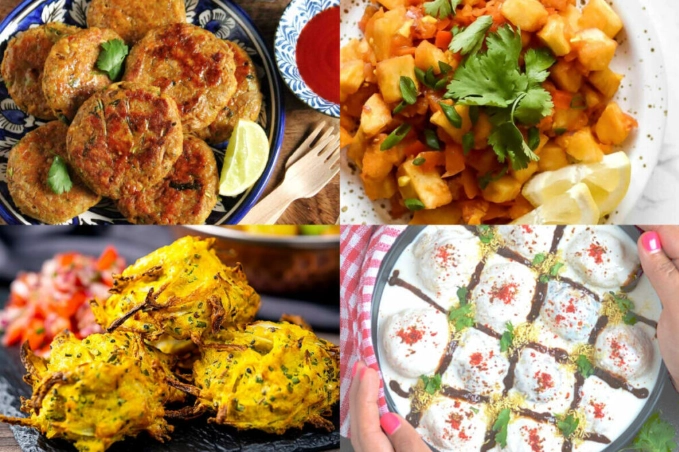
What makes dhokla special is its texture – it should be springy and light, almost like a savory version of angel food cake. The tempering on top adds bursts of flavor and a bit of textural contrast. Some versions add spinach or beetroot puree to the batter for color, which looks beautiful but doesn't change the essential character of the dish.
Vegetable Pakora – The Crispy Vegetable Fritters
Last but definitely not least, we have pakora – basically vegetables dipped in a spiced chickpea flour batter and deep-fried. It's the ultimate rainy-day snack in India, and once you try it, you'll understand why. There's something incredibly comforting about hot, crispy pakoras with a cup of tea.
The batter is simple: chickpea flour (besan), water, spices (usually turmeric, chili powder, cumin, sometimes carom seeds). But the consistency matters – too thick and you get a doughy coating; too thin and it won't stick to the vegetables. I aim for something like pancake batter, maybe a tiny bit thicker.
Almost any vegetable works: onion slices, potato slices, spinach leaves, cauliflower florets, even slices of bread. Onion pakora might be the most popular – thinly sliced onions mixed right into the batter and dropped in spoonfuls into the hot oil. Spinach pakora (palak pakora) is another favorite, where whole spinach leaves get a light coating of batter and fry up crispy.
Here's my controversial opinion: sometimes restaurant pakoras are too greasy. They don't drain them properly, or the oil isn't hot enough, so they absorb too much oil. At home, you can control this. Make sure your oil is properly hot (a drop of batter should sizzle and rise to the surface immediately), and don't overcrowd the pan. And let them drain on a wire rack, not paper towels – paper towels can make the bottom soggy.
When someone asks me what are the five Indian appetizers veg that represent different cooking techniques, pakora always makes the list because it showcases perfect frying technique and how simple ingredients can become something extraordinary.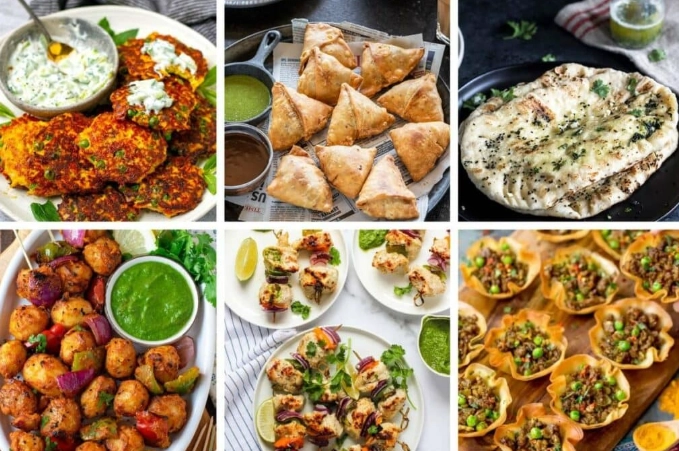
Quick Comparison: What Makes Each Appetizer Unique
Sometimes it helps to see them side by side. This table breaks down the key characteristics of each of these five vegetarian Indian appetizers.
| Appetizer | Main Ingredients | Cooking Method | Texture | Best Served With |
|---|---|---|---|---|
| Paneer Tikka | Paneer, yogurt, spices | Grilled/Baked | Charred outside, soft inside | Mint chutney, onion rings |
| Samosa | Pastry, potatoes, peas, spices | Deep-fried | Crispy pastry, soft filling | Tamarind & mint chutney |
| Aloo Tikki | Potatoes, spices, herbs | Shallow-fried | Crispy outside, mashed inside | Various chutneys or as chaat |
| Dhokla | Rice & chickpea flour, yogurt | Steamed | Spongy, light, airy | Green chutney, tempered oil |
| Vegetable Pakora | Vegetables, chickpea flour, spices | Deep-fried | Crispy coating, tender vegetable | Tamatar chutney (tomato), tea |
See how each one brings something different? That's why when considering what are the five Indian appetizers veg to serve together, you might choose a mix – something fried, something steamed, something grilled. It creates a more interesting experience.
Beyond the Basics: Common Questions Answered
Some yes, some no. Dhokla actually tastes better at room temperature or even cold from the fridge, so it's perfect for making ahead. Samosas can be assembled ahead and frozen (uncooked), then fried straight from frozen when needed – just add a couple extra minutes to the frying time.
Paneer tikka is best marinated ahead (even overnight), but cooked just before serving. Aloo tikki mixture can be made ahead and shaped into patties, kept in the fridge, then cooked when needed. Pakora batter can sit for a bit, but the vegetables should be cut fresh to prevent sogginess.
Start with what you have. Cumin and coriander powder are the workhorses of Indian cooking – if you have those, you're halfway there. Turmeric adds color and earthiness. Chili powder or paprika adds heat. Garam masala is a blend that adds complexity, but you can skip it if you don't have it.
Honestly, I've made decent aloo tikki with just potatoes, salt, pepper, and a little cumin when I was in a pinch. Was it authentic? Not really. Was it tasty? Absolutely. Don't let missing one spice stop you from trying.
It depends on how you make them. Dhokla is steamed, so it's relatively low in fat. Pakora and samosa are fried, so they're more indulgent. But even with fried items, using fresh oil (not reused multiple times) and proper draining makes a difference.
You can also adapt: bake samosas instead of frying (though the texture will be different), make baked pakora (again, different but still good), use less oil when shallow-frying aloo tikki. Paneer is a good source of protein. Potatoes and vegetables provide nutrients. So it's about balance and preparation method.
Indian restaurants often serve these with sweet lassi (yogurt drink) or mango lassi, which cools the palate if the spices are hot. Masala chai (spiced tea) is classic with pakora, especially on a rainy day. For something non-dairy, nimbu pani (Indian lemonade with salt and spices) is refreshing.
If you're thinking alcoholic beverages, a crisp lager or pilsner works well with fried items like samosa and pakora. For paneer tikka, a slightly sweet white wine like Riesling can balance the spices nicely.
The Cultural Context: More Than Just Food
These appetizers aren't just random snacks – they're tied to Indian culture, seasons, and occasions. Pakora is monsoon food – there's something about watching the rain with a plate of hot pakoras and chai. Samosas are festival food, wedding food, everyday street food. Dhokla is from Gujarat and often part of a larger thali (meal platter). Paneer tikka is restaurant food, party food, special occasion food.
Understanding this context might help you appreciate them more. When you realize that generations of Indian cooks have perfected these dishes, that they're tied to memories and traditions, it adds another layer to the experience.
India's culinary diversity is officially recognized and documented by institutions like the Ministry of Culture, Government of India, which highlights how regional foods reflect local ingredients and traditions. This diversity is exactly why answering what are the five Indian appetizers veg requires looking at different regions – we've got Gujarati dhokla, North Indian paneer tikka, street food samosas and aloo tikki from multiple regions, and pakora which is truly pan-Indian.
My Personal Experience & Tips
I've cooked all these countless times, and I've messed up most of them at least once. Here are some hard-earned lessons:
- Don't rush the marinade for paneer tikka. At least 2 hours, preferably overnight. The difference is noticeable.
- Test your oil temperature for frying. Too hot and things burn outside before cooking inside. Too cool and they get greasy. A kitchen thermometer is worth the investment.
- Dhokla needs patience. If your batter isn't bubbly after fermentation, don't steam it. Wait longer or find a warmer spot. Bad dhokla is sad dhokla.
- Samosa pastry tears? Probably too dry. Add a tiny bit more water when making the dough next time.
- Aloo tikki falling apart? Potatoes might be too wet. After boiling and peeling, let them sit in a colander to release steam and moisture before mashing.
Also, don't be afraid to adapt. I once made beetroot dhokla because I had beets to use up – it was pink and delicious. I've added corn to aloo tikki, sweet potatoes to samosa filling (controversial, I know), and even tried baking pakora (results were... okay, not great). Cooking should be fun, not just about rigid rules.
Where to Find Authentic Recipes & Learn More
While I've given you the essence of these dishes, if you want to dive deeper into authentic recipes, there are fantastic resources available. For traditional cooking techniques and regional variations, the BBC Food Indian cuisine section often features recipes from reputable chefs that stay true to roots while being accessible to home cooks.
Another excellent resource for understanding the diversity of Indian vegetarian cuisine is Saveur's Indian food collection, which explores both classic and contemporary approaches with cultural context.
What I appreciate about these sources is that they usually explain the why behind steps, not just the what. Understanding why you ferment dhokla batter or why you add oil to samosa dough makes you a better cook, not just a recipe follower.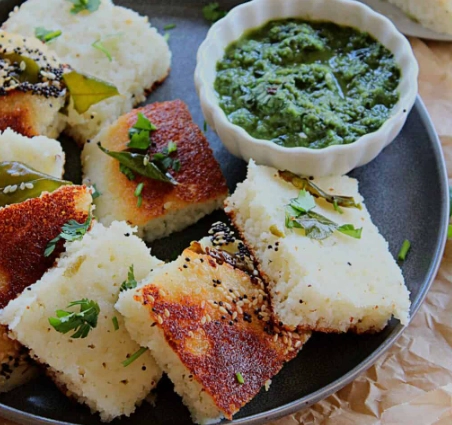
Wrapping Up: Your Indian Appetizer Journey Starts Here
So there you have it – a comprehensive look at what are the five Indian appetizers veg that deserve a spot in your culinary repertoire. From the smoky paneer tikka to the crispy samosa, the comforting aloo tikki, the spongy dhokla, and the versatile pakora, each brings its own personality to the table.
Start with one that calls to you. Maybe you're in a frying mood – try pakora. Want something healthier – dhokla is your friend. Having a grill party – paneer tikka will shine. The point is to begin somewhere.
Indian vegetarian appetizers are a gateway to a whole world of flavors. They're shareable, they're conversation starters, and they're almost guaranteed to impress (even with the occasional imperfect batch – we've all been there).
What will you try first?
Discussion