Let's be honest. When you think of a classic Indian breakfast, images of fluffy, deep-fried puris or ghee-laden parathas might come to mind. Delicious? Absolutely. Something you can eat daily if you're watching your health? Probably not. For years, I struggled with this. I loved the flavors of home but needed something that fueled my day without the mid-morning crash.
The good news is, Indian cuisine is a treasure trove of inherently healthy ingredients – lentils, chickpeas, vegetables, and spices that boost metabolism. The secret isn't in abandoning tradition, but in tweaking it. After a decade of experimenting (and plenty of bland oatmeal failures), I've found that the best healthy Indian breakfasts are about smart swaps and strategic prep.
This guide isn't just a list of recipes. It's a system for making nutritious, flavorful Indian breakfasts a seamless part of your routine, even when you're rushing out the door.
Your Breakfast Navigation
The 5 Go-To Recipes: From Wholesome to Whirlwind
These five form the core of my rotation. Each balances complex carbs, plant-based protein, and healthy fats. I've ranked them loosely from "most traditional prep" to "blender-in-a-pinch."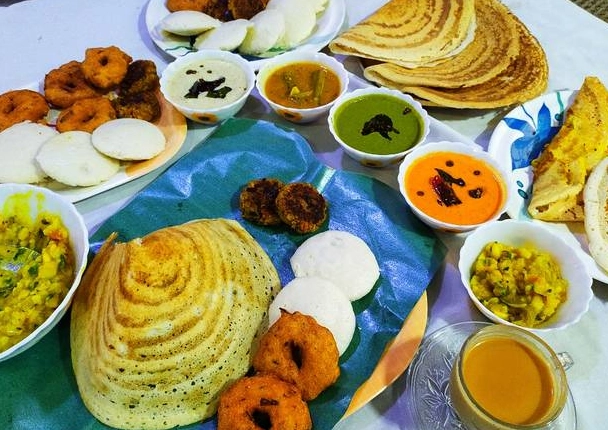
1. Moong Dal Chilla (Savory Lentil Crepes)
This is the ultimate high-protein Indian breakfast. Think of it as a savory, gluten-free pancake made from ground split yellow lentils (moong dal). One large chilla can pack over 15 grams of protein.
The Modern Twist: Soak 1 cup moong dal overnight. Blend it with ginger, green chili, and salt into a smooth, pouring batter. The key is a non-stick pan and just a spritz of oil instead of the traditional generous pour. Pour a ladleful, spread thin, sprinkle with chopped onions, tomatoes, and spinach. Cook until crisp. Serve with mint chutney.
Make-Ahead Tip: The batter keeps in the fridge for 2 days. In the morning, just stir and pour.
2. Vegetable Upma with a Protein Punch
Upma, made from semolina (sooji/rava), often gets a bad rap for being bland or mushy. Done right, it's a flavorful, veggie-packed dish ready in 15 minutes.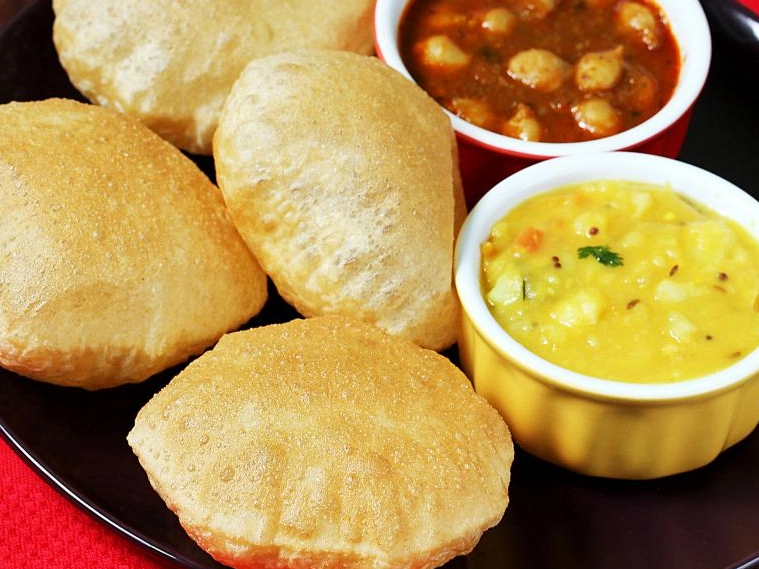
The Modern Twist: Dry roast the semolina first until fragrant – this is non-negotiable for avoiding mush. Sauté mustard seeds, curry leaves, then loads of veggies (peas, carrots, beans, bell peppers). Here's my hack: add a handful of roasted chickpea flour (besan) or cooked quinoa along with the semolina before adding water. It adds protein and a nutty depth. Use vegetable broth instead of water for more flavor.
3. Sprouted Moong Salad with Tempered Spices
This is a no-cook, crunch-filled powerhouse. Sprouting increases the bioavailability of nutrients and makes the legumes easier to digest.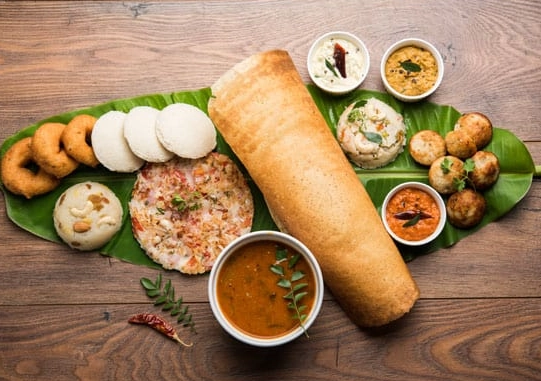
The Modern Twist: Buy pre-sprouted moong from the store or sprout your own (takes 2 days). Toss with cucumber, tomato, pomegranate seeds, and roasted peanuts. The magic is in the "tadka" – heat a tiny bit of oil, throw in cumin seeds and asafoetida (hing), and pour it sizzling over the salad. Squeeze lemon. It's refreshing, filling, and perfect for warm mornings.
4. Masala Oats (The 5-Minute Savior)
When time is zero, this is my champion. It's not "traditional," but it uses traditional Indian spices to transform bland rolled oats into something exciting.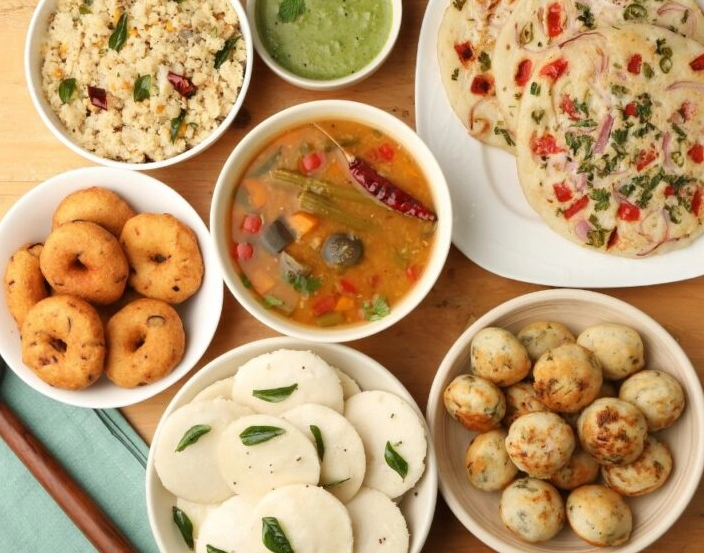
The Modern Twist: In a pot, sauté chopped onions, tomatoes, and green peas in a teaspoon of oil. Add turmeric, cumin powder, and a pinch of garam masala. Throw in rolled oats (not instant), water, and salt. Cook for 3-4 minutes. Stir in some plain Greek yogurt or a spoon of peanut butter at the end for creaminess and extra protein. Faster than ordering coffee.
5. Savory Besan (Chickpea Flour) Smoothie
Hear me out. This sounds wild, but it's a game-changer for those who can't fathom chewing food first thing. It's based on the concept of "sattu sharbat" from North India.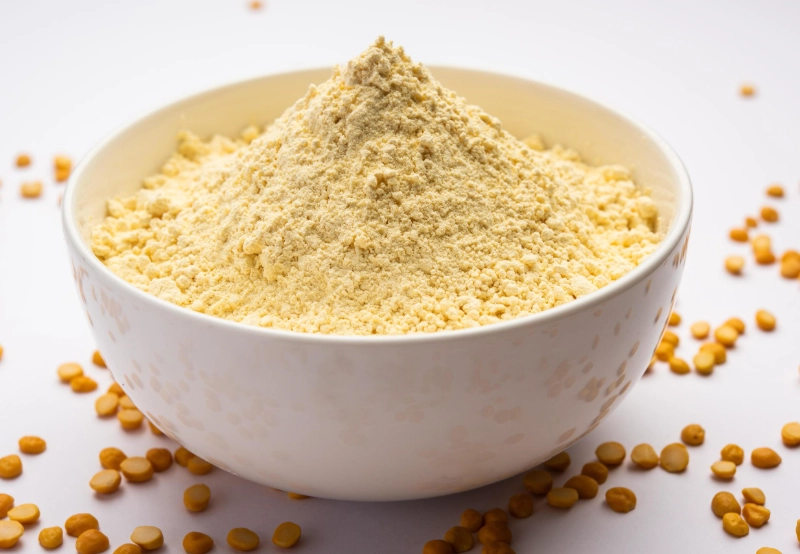
The Modern Twist: In a blender, combine 2 tbsp chickpea flour (besan), a cup of water or unsweetened almond milk, a handful of spinach, half an avocado, mint, salt, black pepper, and a dash of cumin powder. Blend until smooth. The chickpea flour gives it a hearty, savory feel and about 7g of protein. It's oddly satisfying and keeps you full for hours.
The One Nutritional Mistake Almost Everyone Makes
It's not about the ghee or the oil in moderation. The biggest pitfall I see is the Carbohydrate Monotony.
Many Indian breakfasts rely heavily on a single grain: wheat (paratha), semolina (upma), rice (idli/dosa batter). While these are fine, relying on just one daily can lead to energy spikes and misses out on a spectrum of nutrients.
The fix is rotation and combination. Pair a grain with a legume (like in chilla or sprouted salad) to create a complete protein. Use different grains across the week – oats one day, millets like ragi another, lentils the next. This diversity feeds your gut microbiome better and provides a wider range of vitamins and minerals. Don't just eat upma every day because it's easy; make the moong dal chilla batter on Sunday and alternate.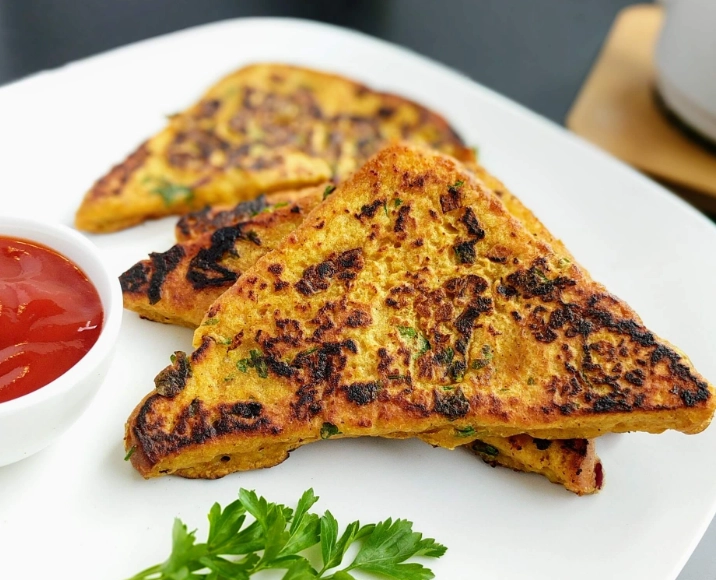
The Universal Protein Hack
If you look at any of my recipes above, you'll spot a pattern: I'm always sneaking in an extra protein source. This is the single most effective trick for staying full and avoiding sugary snacks by 11 AM.
Your cheat sheet:
- Add a tablespoon of roasted chickpea flour (besan) to upma, poha, or even smoothies.
- Stir a scoop of plain Greek yogurt or paneer crumbles into your masala oats or upma at the end.
- Always include a handful of nuts or seeds – peanuts in salad, almond slivers on chilla, chia seeds in a smoothie.
- Use sprouted legumes as a base or topping whenever possible.
This simple focus transforms a carb-heavy meal into a balanced one.
Putting It All Together: A Realistic Weekly Plan
Here’s what a week of healthy Indian breakfasts could look like. The prep column is what you do the night before.
Monday (Fresh Start): Moong Dal Chilla with spinach. Night-before prep: Soak the dal.
Tuesday (Quick & Easy): Masala Oats with Greek yogurt stirred in. Night-before prep: Chop onions/tomatoes and store in fridge.
Wednesday (No-Cook): Sprouted Moong Salad. Night-before prep: Make the tadka? Just kidding. Assemble everything in a box.
Thursday (Use-up Batter): Moong Dal Chilla again (batter lasts!). Add different veggies.
Friday (Savory Sip): Besan & Avocado Smoothie. Night-before prep: None. 3-minute blend.
Saturday (Leisurely): Vegetable Upma with added peas and carrots. Take your time.
Sunday (Prep Day): Enjoy something different. Soak dal for Monday, sprout moong for Wednesday.
This isn't rigid. Swap days based on your schedule. The goal is having options and a tiny bit of foresight.
Your Questions, Answered
I have only 10 minutes in the morning. Which healthy Indian breakfast is truly the fastest?
Masala Oats or the Besan Smoothie. For the oats, keep a container of pre-chopped "sofrito" (onion, tomato, ginger) in your fridge. The cooking time is under 5 minutes. The smoothie is a literal blend-and-go. The chilla is fast too if your batter is ready, but it requires active cooking attention for 3-4 minutes per piece.
How can I make these recipes appealing to kids or family used to heavier, traditional breakfasts?
Start with familiar textures and sneak in the nutrition. For upma, use colorful veggies like corn and peas. For chilla, make them smaller, crispier ("pancake style"), and serve with a familiar ketchup or mild yogurt dip alongside chutney. The key is not to present it as a "health food" but as a tasty version of what they know. Involving them in sprinkling toppings on the chilla also helps.
I get bored easily. How do I keep a healthy Indian breakfast routine from becoming monotonous?
Master one base and vary the toppings and accompaniments. The moong dal chilla batter is your blank canvas. One day, fill it with corn and cheese. Another day, top it with avocado slices and salsa. Another, keep it plain and roll it up with a spread of hummus. Treat your spice blends the same way – a Punjabi-style garam masala one day, a South Indian curry leaf and mustard seed tadka the next. The core ingredient is the same, but the experience is different.
Are these recipes suitable for weight loss?
They can be excellent components of a weight management plan because they are high in fiber and protein, which promote satiety. The critical factor is portion control and oil management. Use a measured teaspoon of oil for cooking. Be mindful of portions of calorie-dense sides like nuts and avocado (a little is great, a lot adds up). Pair these breakfasts with overall balanced eating and activity. No single recipe is a magic bullet, but they create a foundation of nutrient-dense, satisfying meals that prevent overeating later.
Where can I find reliable nutritional information for traditional Indian ingredients?
For authoritative data, I cross-reference the Indian Food Composition Tables published by the National Institute of Nutrition (NIN) in India. While you might not find a direct webpage for every item, searching for "NIN nutrient database" will lead you to credible PDFs and resources. For practical use, apps like MyFitnessPal have fairly accurate entries for common items like moong dal, besan, and sooji, but always double-check with the source if you're doing precise tracking.
The journey to a healthier breakfast doesn't mean leaving behind the flavors you love. It's about embracing the incredible versatility of Indian ingredients – the lentils, the spices, the veggies – and preparing them in a way that aligns with a modern, active life. Start with one recipe that speaks to you. Maybe it's the 5-minute masala oats on a hectic Tuesday. Once you see how good you feel, the rest will follow naturally.
Discussion