What’s Inside This Guide?
Let’s be real. Mornings are chaos. Getting kids dressed, packed, and out the door is a feat, and a nutritious breakfast often gets lost in the shuffle. Cereal is easy, but it leaves them hungry by 10 AM. That’s where Indian breakfast recipes come in. I’m not talking about overly spicy curries. I mean wholesome, energy-packed dishes that are naturally vegetarian, often gluten-free, and designed to keep you full for hours. As a parent who’s navigated the picky eater phase (more than once), I’ve found that these recipes are game-changers.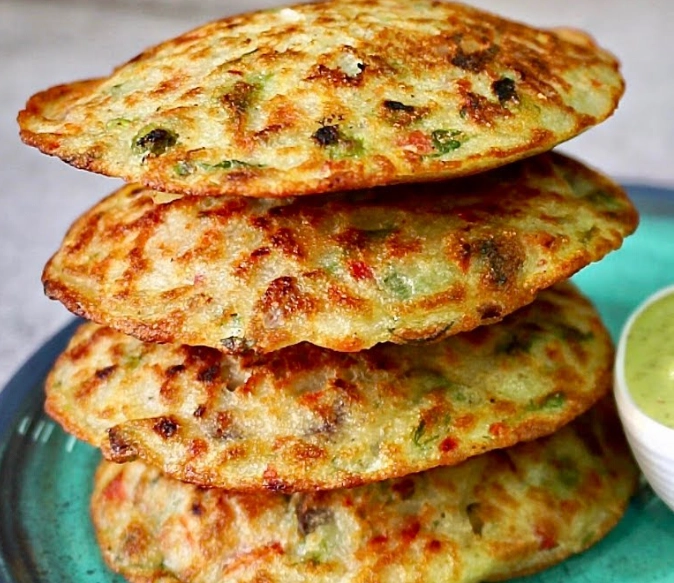
Why Indian Breakfasts Are Perfect for Kids
Most traditional Indian breakfasts are built on a powerful nutritional foundation: complex carbs and plant-based protein. Think lentils, chickpeas, vegetables, and whole grains like semolina or millets. This combo provides a slow release of energy, preventing the mid-morning sugar crash. The flavors are also more varied and interesting than plain toast, which can help expand a child’s palate without being intimidating.
Many pediatric nutritionists, like those cited in resources from the Indian Academy of Pediatrics, emphasize the importance of a protein-rich start to the day for cognitive function and satiety. Indian breakfasts deliver this effortlessly.
How to Make Indian Breakfasts Kid-Friendly
The biggest mistake I see parents make is serving the full adult version. A kid’s version needs tweaks.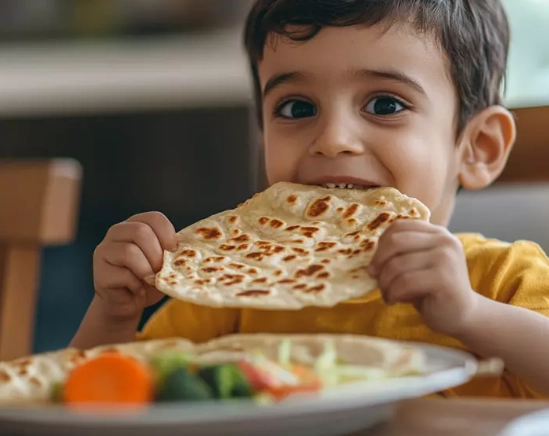
Start Mild, Then Build: Skip the green chilies entirely. Use a pinch of black pepper or sweet paprika for color. The warmth from ginger or cumin is usually well-accepted.
Shape and Fun Matter: Use cookie cutters on stuffed parathas. Make mini uttapams. Serve dahi (yogurt) in a colorful bowl with a drizzle of honey. Presentation is half the battle.
The Dipping Sauce Hack: Every kid loves to dip. A side of mild tomato ketchup, plain yogurt, or a sweet tamarind chutney can make any new food more approachable.
Get Them Involved: Let them sprinkle the cheese on a paratha, stir the batter, or choose the vegetable topping. Ownership leads to tasting.
Top 3 Kid-Tested Indian Breakfast Recipes
These three are my absolute winners. They’re forgiving for beginner cooks, use common ingredients, and have passed the toughest test: my own kids’ approval.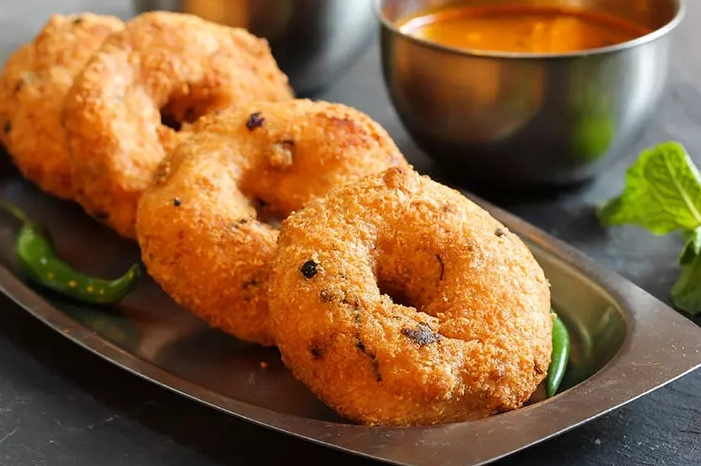
1. The “Hidden Veggie” Paratha (Stuffed Flatbread)
This is the ultimate stealth health food. You grate vegetables into a spiced filling, seal it inside whole wheat dough, and cook it into a delicious, portable flatbread.
You’ll Need: Whole wheat flour, grated carrot & zucchini, boiled mashed potato, cumin powder, salt, ghee or oil.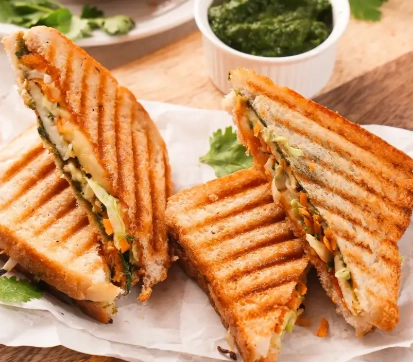
Simple Steps: Make a soft dough with flour and water. Mix the grated veggies and potato with spices. Take a dough ball, flatten it, place a spoonful of filling, seal it like a dumpling, then gently roll it out again. Cook on a hot skillet with a little ghee until golden brown on both sides.
Serve with a dollop of butter or plain yogurt. My daughter didn’t even realize she was eating zucchini until she helped me make them.
2. Sweet & Creamy Ragi Porridge (Finger Millet Porridge)
If your child likes oatmeal, they’ll love this. Ragi (finger millet) is a calcium and iron powerhouse, crucial for growing bones. It has a mild, nutty flavor that pairs perfectly with sweeteners.
You’ll Need: Ragi flour, milk (or plant milk), jaggery or maple syrup, cardamom powder, chopped nuts (optional).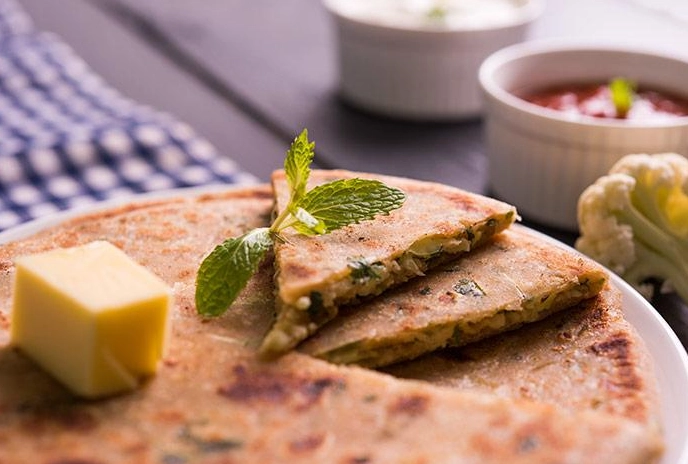
Simple Steps: Mix ragi flour with a little water to make a smooth slurry. Heat milk in a pot. Once warm, slowly whisk in the ragi slurry. Keep stirring on medium heat for 5-7 minutes until it thickens. Add jaggery and cardamom. Cook for another 2 minutes.
Top with a few chocolate chips or sliced bananas to make it irresistible.
3. “No-Fuss” Vegetable Poha (Flattened Rice)
Poha is the quickest savory Indian breakfast. It’s light, fluffy, and cooks in under 15 minutes. It’s also a great way to use up leftover peas and carrots.
You’ll Need: Thick poha (flattened rice), frozen peas, diced potato, mustard seeds, turmeric, peanuts, salt, lemon wedge.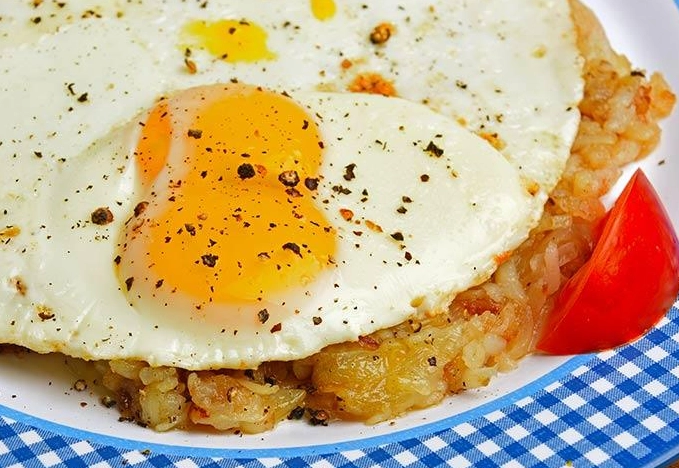
Simple Steps: Rinse poha in a colander and let it drain. Heat oil, pop mustard seeds, add peanuts and diced potato. Cook until potato is soft. Add peas, turmeric, salt. Gently fold in the damp poha. Cover and steam on low heat for 2-3 minutes. Finish with a squeeze of lemon.
A handful of sev (tiny gram flour noodles) on top adds a fun crunch kids adore.
Expert Tips & Common Pitfalls
Batch cooking is your friend. Paratha dough and fillings can be refrigerated for 2-3 days. You can even roll and cook parathas, then freeze them between parchment paper. Reheat in a toaster or skillet for an instant breakfast.
Don’t force the “authentic” spice profile. If your child only likes it with cheese or ketchup, that’s a win. The goal is nutrition and acceptance, not culinary purity.
One common pitfall? Overcooking vegetables in the paratha filling. They continue to cook inside the bread. Sauté them just until they lose their raw edge, or they’ll become mushy and watery.
Discussion