Your Quick Guide to Indian Cooking
- Why Step-by-Step Instructions Are Non-Negotiable for Indian Food
- The Core Building Blocks You Need to Understand First
- Decoding a Classic Step-by-Step Indian Recipe: Butter Chicken (Murgh Makhani)
- Another Essential Template: The Simple Lentil Dal
- Bread Matters: The Step-by-Step Guide to Foolproof Naan
- Answers to the Questions You're Definitely Asking
- Moving Beyond the Recipe: Tips & Common Pitfalls
- Your First Week Plan: Building Confidence
Let's be honest. The idea of cooking Indian food from scratch can feel a bit like trying to solve a puzzle blindfolded. You see these beautiful, fragrant dishes in restaurants or on food blogs, but when you look up a recipe, it's a wall of unfamiliar spices and techniques that sound more like a chemistry experiment than dinner. I get it. I was there too. My first attempt at a "simple" curry involved adding all the spices at once and wondering why it tasted like bitter, gritty dirt. Not great.
But here's the secret most of those fancy recipes don't tell you: Indian cooking, at its heart, is built on logic. It's a series of steps, each with a clear purpose. Once you understand the 'why' behind the 'what', it stops being intimidating and starts being incredibly satisfying. This guide isn't about fancy chef secrets; it's about giving you a reliable, clear roadmap. We're going to break down authentic step-by-step Indian recipes into stages you can actually manage in a normal kitchen, with normal pans, and on a normal weeknight.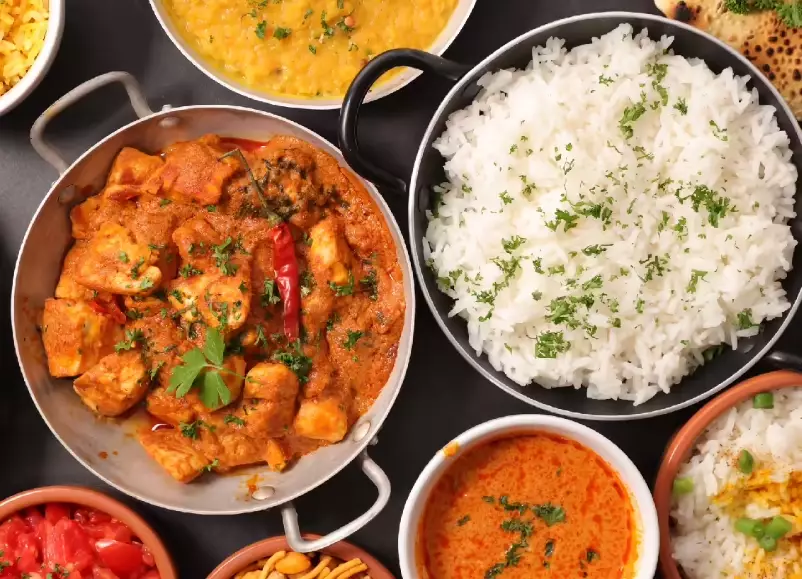
Why Step-by-Step Instructions Are Non-Negotiable for Indian Food
You can't just throw everything into a pot and hope for the best with Indian cuisine. Well, you can, but you'll be disappointed. The sequence is everything. It's about building layers of flavor, and each layer needs its own moment.
For example, whole spices like cumin seeds or mustard seeds are almost always tempered in hot oil first. This isn't just for show. That hot oil extracts their essential oils and aromatics, flavoring the entire cooking medium right from the start. If you add them later with the powder spices, you miss that foundational burst of flavor. Similarly, frying ground spices like coriander and turmeric for a minute or two in the oil (a step called "bhuno") cooks out their raw, dusty taste and transforms them into something deep and complex. Skipping this step is why homemade curries sometimes taste bland or one-dimensional compared to restaurant versions.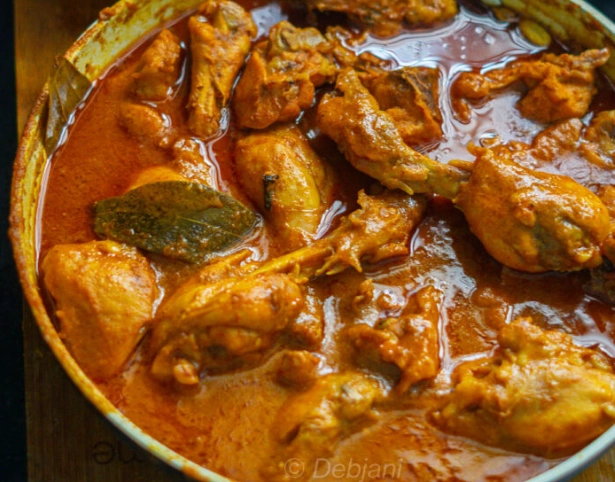
Good step-by-step Indian recipes force you to slow down and respect these processes. They're not being fussy; they're guaranteeing your success.
The Core Building Blocks You Need to Understand First
Before we dive into any specific step-by-step Indian recipes, let's talk ingredients. Knowing your players makes the game much easier.
The Holy Trinity of Indian Spices (And Friends)
You don't need fifty jars. Start with these essentials. I've organized them by their role in the kitchen drama.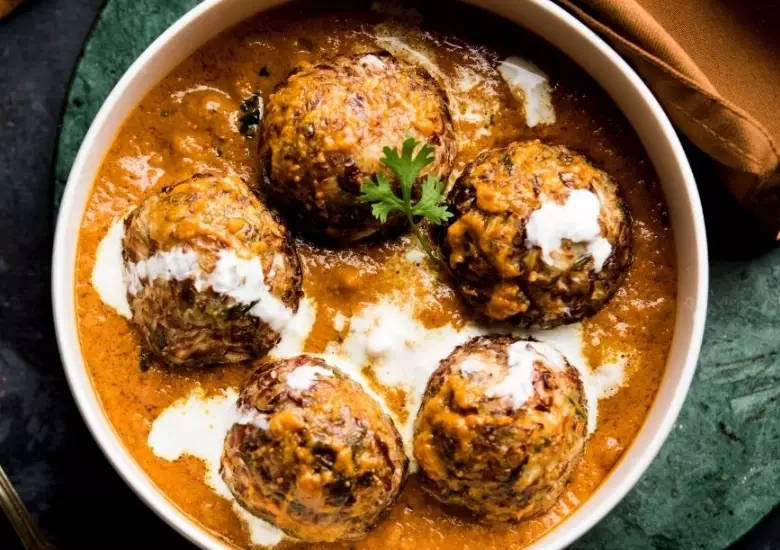
| Spice Name | Form (Whole/Ground) | Its Job in the Dish | What It Tastes/Smells Like |
|---|---|---|---|
| Cumin | Both (Seeds & Powder) | The earthy, warm base note. Seeds are for tempering, powder is for body. | Earthy, nutty, slightly citrusy. The backbone of many curries. |
| Coriander | Primarily Powder | The gentle, floral crowd-pleaser. Adds volume and rounds out sharp flavors. | Light, lemony, slightly sweet. It's the peacemaker between other spices. |
| Turmeric | Primarily Powder | Color and a subtle earthy bitterness. Also has anti-inflammatory properties. | Earthy, peppery, mustard-like. Turns everything a glorious golden yellow. |
| Garam Masala | Blend (Powder) | The finishing touch. A warm spice blend added at the end for aroma. | Warm, sweet (cinnamon, cardamom), peppery. Don't fry it for long! |
| Mustard Seeds | Whole (Black/Brown) | For tempering. They pop in hot oil, releasing a pungent, nutty flavor. | Pungent, sharp, slightly bitter when raw; nutty when popped. |
| Red Chili Powder | Powder | Heat. Not just spice, but a specific flavor. Use Kashmiri for color & mild heat. | Varies widely! Kashmiri is mild and smoky; others are just plain hot. |
Here's a pro-tip I learned the hard way: buy whole spices where possible (cumin, coriander seeds, cardamom) and grind them in a cheap coffee grinder dedicated to spices. The flavor is astronomically better than pre-ground powder that's been sitting on a shelf for months. The American Spice Trade Association has great resources on spice storage and freshness, which makes a huge difference.
Onions, Tomatoes, Ginger & Garlic: The Flavor Paste Foundation
Most Indian gravies start with a paste. The classic trio is onions, tomatoes, and ginger-garlic. But it's not just chopping them. You usually cook the onions down until they're deeply golden brown and almost melting. This caramelization is key for sweetness and depth. Then you add the ginger-garlic paste (equal parts, blitzed together) and fry until the raw smell disappears. Finally, the tomatoes go in to add acidity and liquid, cooking down until the oil starts to separate from the mixture. This oil separation is your visual cue that the paste is properly cooked and ready for the next step. Rushing this base is the single biggest mistake beginners make.
Decoding a Classic Step-by-Step Indian Recipe: Butter Chicken (Murgh Makhani)
Let's apply all this theory to a real, beloved dish. Butter chicken seems complex, but its steps are a perfect blueprint for many creamy Indian curries. I'm going to walk you through the logic of each stage.
Stage 1: Marinating & First Cooking (The Flavor Infusion)
The chicken isn't just thrown into the sauce raw. It's first marinated in yogurt, lemon juice, and a set of spices (ginger-garlic paste, Kashmiri red chili, turmeric, garam masala, cumin). This does two things: tenderizes the chicken and gives it a base flavor. Then, it's traditionally cooked in a tandoor (clay oven). At home, we broil it or pan-sear it until just cooked and slightly charred. This step adds a smoky depth and ensures the chicken stays juicy when added to the sauce later. Skipping this and just boiling the chicken in the sauce? That's how you get bland, rubbery meat.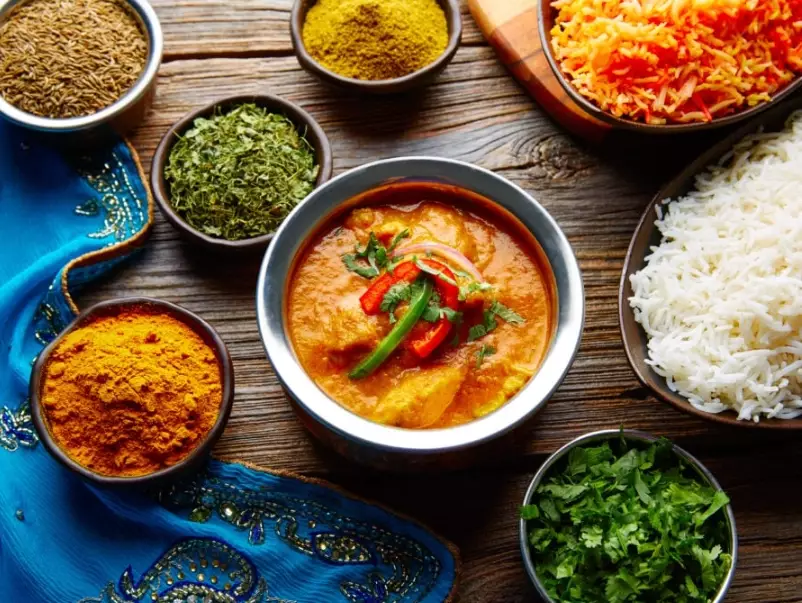
Stage 2: Building the Gravy Base (The Foundation)
Here's where the step-by-step magic happens. You start with whole spices (maybe a bay leaf, cardamom, cloves) in butter/ghee. Then, you add a lot of finely chopped or pureed onions. Cook them slowly, patiently, until they're a rich golden brown. This can take 15-20 minutes. Impatience here leads to a pale, sweet gravy. Then add ginger-garlic paste, cook out the rawness. Then add tomato puree, and the key ground spices (coriander, cumin, turmeric, chili). Now you "bhuno"—cook this mixture, stirring often, until it thickens, darkens, and the oil separates. This is the soul of the sauce.
Stage 3: Finishing & Enriching (The Velvet Touch)
Once the base is ready, you add cream, crushed kasuri methi (dried fenugreek leaves—don't skip this, it's the secret restaurant flavor!), honey or sugar, and the pre-cooked chicken. Let it simmer gently to meld. The final touch? A sprinkle of garam masala and a dollop of butter stirred in off the heat. Adding the garam masala at the end preserves its delicate aroma.
See the pattern? Marinate, char, build base, enrich, finish. It's a process, not a chaos.
Following a detailed, step-by-step Indian recipe for butter chicken ensures you hit each of these flavor milestones. If you just dump cream into tomato sauce with raw chicken, you'll get... tomato cream soup with chicken. Not the same thing.
Another Essential Template: The Simple Lentil Dal
If butter chicken is the rich, indulgent blueprint, dal is the humble, essential one. Mastering a basic dal teaches you the crucial technique of 'tadka' or tempering.
You boil lentils (like masoor or toor dal) with turmeric and salt until mushy. That's part one—fairly boring. The magic is in the tadka. In a small pan, you heat ghee or oil. Add cumin seeds, maybe mustard seeds, and let them sizzle and pop. Then you add dried red chilies, asafoetida (hing), and maybe some minced garlic. Within 30 seconds, this oil becomes incredibly fragrant. You then pour this sizzling, flavored oil directly into the pot of cooked lentils. The hiss and immediate aroma release is incredible. This tempering infuses the entire dish with a top note of flavor that completely transforms it.
This technique is used on everything—yogurt (raita), cooked vegetables, even soups. Once you learn the tadka, you can elevate the simplest of foods. A good step-by-step Indian recipe for dal will always separate the cooking of the lentils and the making of the tadka, because they are two distinct stages with different purposes.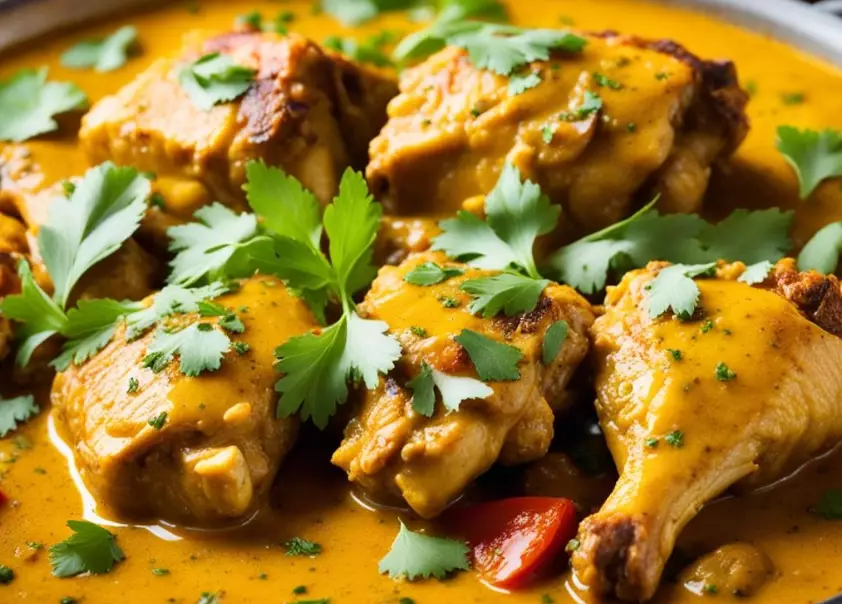
Bread Matters: The Step-by-Step Guide to Foolproof Naan
Store-bought naan is fine. Homemade naan is a revelation, and it's easier than you think. It's another perfect example of a process. You can't rush the dough.
The steps are clear: activate yeast with sugar and warm water (110°F is ideal—too hot kills it, too cold does nothing). Mix with flour, yogurt, oil, and salt to form a sticky dough. Knead until smooth. Let it rise in a warm place until doubled—this takes time, maybe 1-2 hours. Punch it down, divide into balls, roll out, and then cook in a screaming hot cast-iron skillet or directly over a gas flame. Brush with garlic butter. The rising time is crucial for developing those soft, pillowy pockets and flavor. Skipping it gives you a dense, sad flatbread.
For food safety, especially when working with dough that rests at room temperature, it's good to follow guidelines like those from the USDA's Food Safety and Inspection Service regarding safe handling. But honestly, the yogurt and salt in the dough create a pretty stable environment.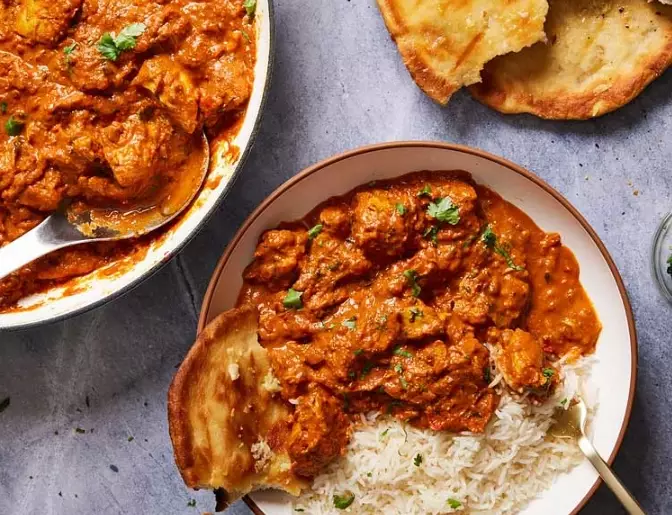
Answers to the Questions You're Definitely Asking
Let's get practical. These are the things I needed answers to when I started.
For more nuanced questions on ingredient substitutions or dietary adjustments, resources from reputable culinary schools like The Institute of Culinary Education often have great, tested advice that goes beyond blog speculation.
Moving Beyond the Recipe: Tips & Common Pitfalls
Once you've followed a few step-by-step Indian recipes successfully, you start to develop instincts. Here are things I wish I knew sooner.
Trust Your Senses More Than the Clock: A recipe might say "cook onions for 10 minutes." But your stove, your pan, and your onions are unique. Cook them until they are a uniform golden brown, not just translucent. Look for the oil separating. Smell the spices toasting. These are better guides than a timer.
The "Crowding the Pan" Mistake: When browning meat for a curry or cooking down onions, give them space. If you pile too much into a small pan, they'll steam instead of brown, and you'll miss out on that crucial caramelized flavor. Cook in batches if you have to.
Balancing Acidity: If your tomato-based curry tastes a bit too sharp or acidic, don't add more sugar first. A tiny pinch of baking soda can neutralize excess acid without making it sweet. Or, stir in a teaspoon of plain yogurt or a splash of cream at the end.
The Garnish is Functional: That cilantro on top isn't just for color. Its fresh, citrusy bite cuts through rich, heavy sauces. A squeeze of lemon juice over a dal or curry just before eating brightens the whole dish. Don't skip these finishing touches.
Your First Week Plan: Building Confidence
Don't try to make a festival feast on day one. Start small and build.
Day 1: The Tadka. Make a simple yellow dal (masoor dal). Focus entirely on nailing the lentil texture and that final sizzling tempering with cumin, garlic, and dried chili. Serve with rice and store-bought naan. Success here is a huge confidence booster.
Day 3: The Base Gravy. Try a simple chicken curry or chana masala (chickpea curry). Your goal is to perfect the onion-tomato-ginger-garlic base, watching for the oil to separate. Follow a trusted step-by-step Indian recipe closely.
Day 5: The Full Project. Attempt a more involved dish like butter chicken or palak paneer, where you have multiple components (marinating, making sauce, combining). You'll have the basic skills from the previous tries.
Remember, even in India, home cooks have dishes that fail, or nights where they order in. It's part of the process. The goal isn't perfection every time; it's understanding, so you're no longer blindly following instructions but actively cooking.
And one last resource for the truly curious: for understanding the regional diversity and deep culinary history, the food scholarship available through institutions like Smithsonian Magazine often features well-researched articles that connect the food to its culture, which makes cooking it feel even more meaningful.
So, go open your cupboard. Look at those spices not as intimidating unknowns, but as tools. Pick a recipe, do your prep, and follow the steps. That complex, aromatic, deeply satisfying dish you get at the end? You made that. And honestly, there's no better feeling in the kitchen.
Discussion