Quick Navigation
Let's be honest. The thought of making Indian food for dinner can be intimidating. All those spices, the long cooking times, the fear of it not tasting "right." I remember my first attempt at butter chicken. Let's just say it was more like "burnt orange soup." But here's the secret I wish someone had told me back then: fantastic Indian dinner recipes aren't about culinary wizardry. They're about understanding a few core principles and then having the confidence to play. Whether you need something on the table in 30 minutes or are planning a weekend feast, this guide is your new kitchen companion. We're going to move beyond just a list of dishes and actually talk about the how and the why.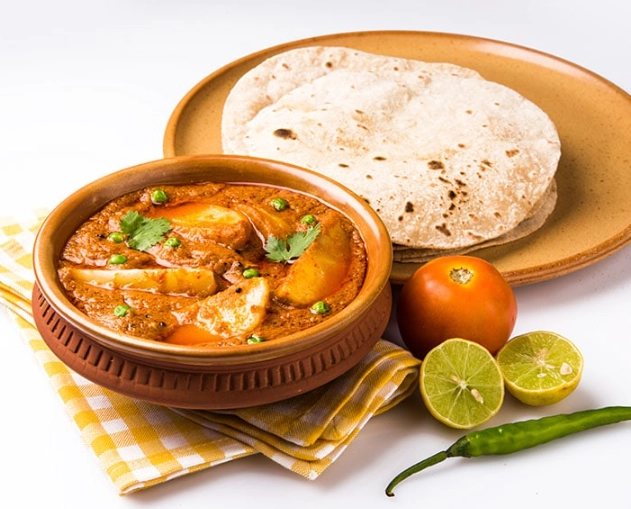
Think of this less as a rigid rulebook and more as a conversation with a friend who's made all the mistakes so you don't have to. We'll cover the quick fixes for a Tuesday night, the showstoppers for company, and everything in between. The goal? To have you confidently pulling fragrant pots off the stove, wondering why you didn't try this sooner.
What Makes an Indian Dinner, Anyway?
Before we dive into the recipes, it helps to know what you're aiming for. An Indian dinner isn't usually one massive plate of food. It's more of a composition. You've got your centerpiece—often a curry, dry sauté, or biryani. Then you build around it: some flatbread (roti, naan) or rice, a dollop of yogurt (raita), maybe a simple salad (kachumber), and a tangy pickle (achar) on the side. The beauty is in the combination of flavors and textures in each bite.
But the real soul? It's in the spices. Not a chaotic blast of heat, but layers. Warmth from cumin, earthiness from coriander, a gentle kick from black pepper, fragrance from cardamom. It's a symphony, not a solo.
The Non-Negotiables: Your Indian Spice Pantry
You don't need a cupboard full of 50 jars. Start with these essentials, and you can cook 80% of the Indian dinner recipes out there. I keep mine in small jars right by the stove.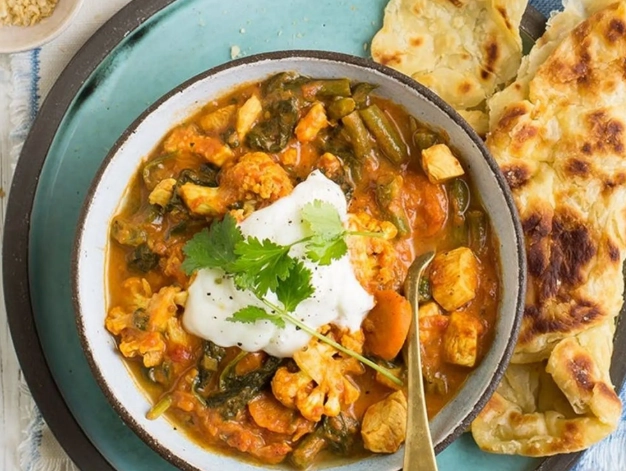
The Core Five (The "Holy Trinity" Plus Two):
- Cumin Seeds (Jeera): The nutty, warm base for countless dishes. Toast them in oil first for maximum flavor.
- Coriander Powder (Dhania): Earthy and citrusy. It's the workhorse of Indian cooking, providing body and depth.
- Turmeric Powder (Haldi): For that golden color and its subtle, earthy bitterness. It's a powerhouse anti-inflammatory, too.
- Garam Masala: This is the finishing touch. A blend of warming spices like cardamom, cinnamon, and cloves. Add it at the end of cooking to preserve its aroma. Don't confuse it with curry powder!
- Red Chili Powder (or Kashmiri Chili Powder): For heat and color. Kashmiri chili gives a vibrant red hue without insane heat, which I personally prefer.
Once you're comfortable, explore: mustard seeds for popping in oil, fenugreek leaves (kasuri methi) for that distinct savory note in butter chicken, and asafoetida (hing) for its umami punch in lentil dishes. The American Spice Trade Association has great resources on spice storage and authenticity, which matters more than you'd think. Stale spices are the enemy of flavor.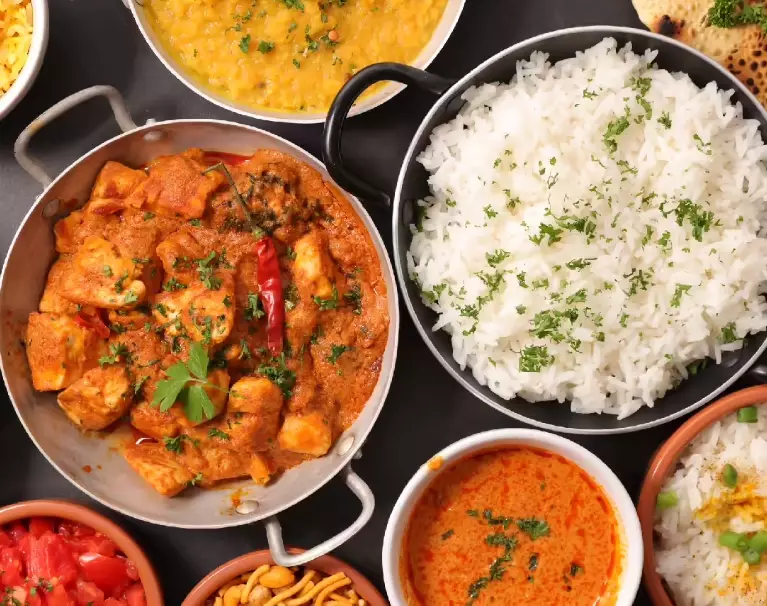
Your Go-To Indian Dinner Recipes, Sorted by Occasion
Alright, let's get to the good stuff. I've broken this down by how much time and energy you have. Because some nights you're channeling your inner chef, and other nights you just need food, fast.
When Time is Ticking: Quick & Easy Weeknight Warriors
These are my lifeline. They rely on pantry staples, minimal prep, and one-pot (or pan) magic. The key here is using ground spices for speed and frozen or pre-chopped ingredients without guilt.
Top 3 Quick Indian Dinner Recipes:
- One-Pot Lentil & Spinach Dal (Dal Palak): Rinse a cup of red lentils (masoor dal). Sauté an onion, add garlic, ginger, a teaspoon each of cumin, coriander, and turmeric. Throw in the lentils, cover with water or broth, and simmer for 20 minutes. Stir in a handful of spinach until wilted. Finish with a squeeze of lemon. Done. Serve with rice or bread. It's healthy, hearty, and ready in 30 minutes flat.
- 15-Minute Chickpea Masala (Chana Masala): This is a pantry hero. Sauté onions, add ginger-garlic paste, then two teaspoons of ready-made chana masala spice mix (or a mix of coriander, cumin, turmeric, and amchur/mango powder). Add two cans of drained chickpeas and a can of diced tomatoes. Simmer for 10 minutes. The tang from the amchur is what makes it. I find some store-bought mixes too salty, so taste before adding extra salt.
- Egg Curry (Anda Curry): Hard-boil 6 eggs. In another pan, make a base with onions, tomatoes, and basic spices. Add water to make a gravy, simmer for 10 minutes, then add the halved boiled eggs. The eggs soak up the flavor. It's bizarrely simple and satisfying, especially with crusty bread to mop up the sauce.
See? No marathon cooking sessions required. These easy Indian dinner recipes prove you can get deep flavor without spending all evening in the kitchen.
The Classics: The Dishes Everyone Asks For
These are the weekend projects, the ones you make when you want to impress or truly treat yourself. They often involve a few more steps, like marinating or slow cooking, but the process is part of the joy.
Butter Chicken (Murgh Makhani): The king of restaurant dishes. The secret is the marinade (yogurt, spices, lemon) and the silky, tomato-cream sauce. You can find an excellent, detailed breakdown of the traditional method from sources like BBC Good Food. My tip? Don't skimp on the kasuri methi (dried fenugreek leaves) at the end—it's the flavor fingerprint.
Rogan Josh: A Kashmiri lamb curry with a deep, red color and complex warmth from fennel and ginger. It's a slow-cooked dish where the meat becomes fall-apart tender. This is where whole spices like cardamom and cloves really shine.
Biryani: The ultimate festive one-pot meal. Layers of spiced meat (or vegetables) and partially cooked rice, steamed together so the aromas marry. It's an event. There are a thousand variations, but a good chicken biryani is a thing of beauty. It can be finicky—getting the rice perfectly cooked is an art—but so worth it.
Vegetarian & Vegan Showstoppers
Indian cuisine is a paradise for plant-based eaters. The variety of lentils, vegetables, and dairy-free techniques is staggering.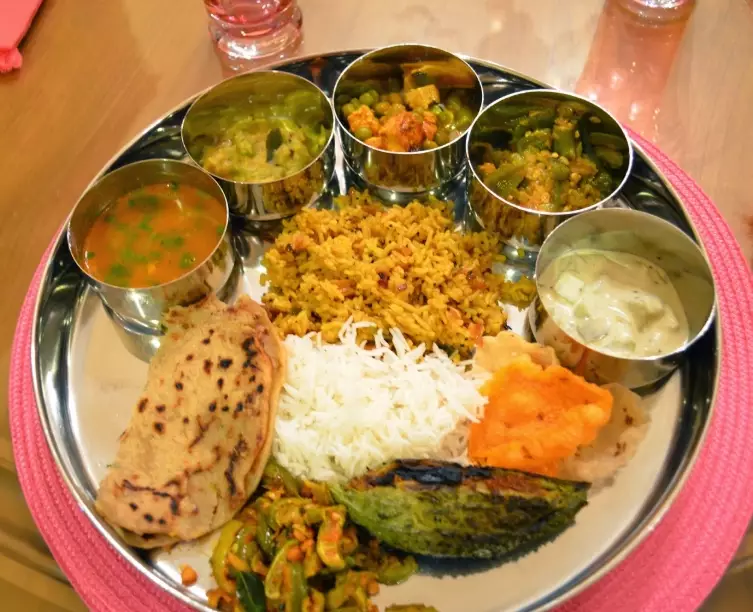
- Baingan Bharta: Smoky roasted eggplant mashed and cooked with onions, tomatoes, and peas. The smokiness (achieved by charring the eggplant directly over a gas flame or under a broiler) is everything.
- Palak Paneer: Creamed spinach with cubes of Indian cottage cheese (paneer). For a vegan version, use firm tofu that's been pressed and pan-fried. The key is blanching the spinach quickly to retain its vibrant green color.
- Rajma: A hearty, comforting kidney bean curry from North India. It's like a hug in a bowl, best served with plain rice. The long simmering time is what makes the beans melt-in-your-mouth and the gravy luxurious.
Answering Your Burning Questions (FAQ)
Is Indian food healthy for dinner?
It can be incredibly healthy! Think about it: lentils packed with protein and fiber, vegetables simmered in spice-infused sauces, yogurt-based marinades. The potential pitfall is the amount of ghee, oil, or cream used in some restaurant-style dishes. When cooking at home, you control that. You can use heart-healthy oils, lean meats, and increase the vegetable-to-sauce ratio. Dishes like dal, sambar, and dry vegetable sautés (sabzis) are nutritional powerhouses. The USDA's MyPlate guidelines align well with a balanced Indian thali (plate) that includes grains, protein (lentils/paneer), and vegetables.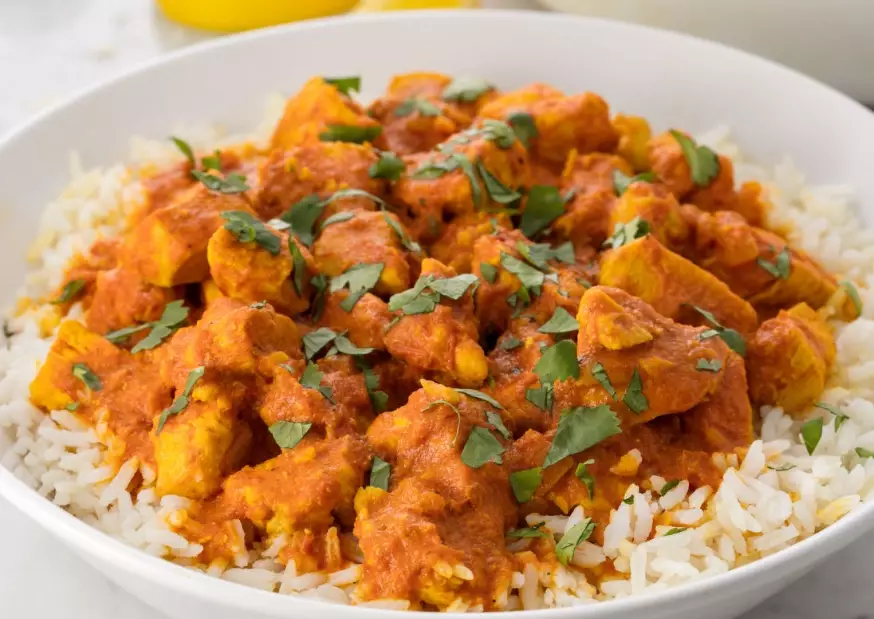
What can I make for dinner if I'm new to Indian cooking?
Start with a simple dal or a basic potato curry (aloo sabzi). The ingredient list is short, the techniques are fundamental (sauté spices, add main ingredient, simmer), and the margin for error is wide. It's hard to mess up potatoes and lentils. Building confidence is more important than nailing a complex dish on try one.
I don't have an Indian grocery store nearby. What do I do?
No problem at all. Your regular supermarket has most of what you need: cumin, coriander, turmeric, chili powder, cinnamon, cardamom (often in the baking aisle), ginger, garlic, onions, tomatoes, lentils, rice, yogurt, and chicken/vegetables. For specialty items like fresh curry leaves or specific dal varieties, online retailers are a savior. The core Indian dinner recipes don't require obscure ingredients.
How do I get my curry to taste "deep" and not bland?
This is the million-dollar question. First, toast your whole spices (like cumin seeds) in the oil at the beginning until they sizzle and smell amazing. Second, cook your onion-base (the "bhuno" process) until it's really golden brown and the oil starts to separate from the mixture. This can take 10-15 minutes of patient stirring. This step develops the foundational flavor. Rushing it is the number one reason for a watery, bland curry. Third, use enough salt. Spices need salt to wake up.
Can I meal-prep Indian dinners?
Absolutely, and it's a game-changer. Curries and dals often taste better the next day as the flavors meld. Cook a big batch of a base gravy (onion-tomato-ginger-garlic), portion it, and freeze it. You can then turn it into butter chicken, paneer makhani, or matar mushroom in minutes. Cook lentils and beans in bulk. Most dry vegetable dishes (sabzis) reheat well for lunch. Having pre-cooked rice or frozen parathas completes the meal in no time.
Building a Complete Indian Dinner Spread
So you want to go all out? Here’s how to think about composing a full meal that flows beautifully. It's not about cooking ten complicated dishes, but about a mix of make-ahead and fresh items that complement each other.
| Course/Element | Purpose & Flavor Profile | Easy-to-Make Examples | Make-Ahead Tip |
|---|---|---|---|
| Starter / Snack | Awaken the palate, often crunchy or tangy. | Papdi Chaat (assembled with bought elements), Samosas (frozen, air-fried), simple Pakoras. | Samosas freeze perfectly. Chaat elements can be pre-chopped. |
| Main Centerpiece | The star. Rich, saucy, or elaborately spiced. | Butter Chicken, Rogan Josh, Chana Masala, Vegetable Biryani. | Curries taste better day-two. Biryani can be assembled ahead & steamed before serving. |
| Bread / Rice | The vehicle for soaking up flavors. | Basmati Rice, Garlic Naan (store-bought & warmed), simple Tawa Roti. | Rice can be kept warm. Naan/roti dough can be made ahead. |
| Side / Condiment | Provide contrast: cool, fresh, tangy, or punchy. | Cucumber Raita (yogurt dip), Kachumber (onion-tomato salad), Mango Pickle (store-bought). | Raita & salad chopped ahead, dressed last minute. |
| Dessert | Sweet, often milk-based, to finish. | Gulab Jamun (from a mix!), Kheer (rice pudding), fresh fruit. | Kheer can be made a day ahead. Gulab Jamun syrup can be prepared. |
The trick is to have only one or two items that require last-minute attention. Maybe the bread needs warming and the raita needs stirring. Everything else can be ready to go. This takes the stress out of serving a multi-dinner Indian recipes spread.
Beyond the Recipe: The Little Things That Make a Big Difference
Anyone can follow steps. These insights are what will make your food sing.
- Fresh Ginger & Garlic: Paste from a jar is fine in a pinch, but freshly grated ginger and minced garlic are a different league of flavor. I keep a knob of ginger and a head of garlic in a basket on my counter—it's that essential.
- The Tempering (Tadka): This is the magic final touch for dals and many vegetable dishes. Heat a small spoon of oil or ghee, throw in mustard seeds, cumin seeds, dried red chilies, and maybe a pinch of asafoetida. When the seeds pop, pour this sizzling oil over your finished dish. It adds an incredible burst of aroma and texture.
- Acidity is Key: A squeeze of lemon juice, a sprinkle of amchur (dry mango powder), or a spoonful of tamarind paste at the end of cooking can lift and balance the entire dish, cutting through richness. If your curry feels flat, it probably needs a hit of acid.
- Ghee vs. Oil: Ghee (clarified butter) has a high smoke point and a rich, nutty flavor that's irreplaceable in many dishes. Use it for tempering or finishing. For everyday sautéing, a neutral oil like avocado or grapeseed is fine. Don't let the lack of ghee stop you from trying a recipe.
At the end of the day, the best Indian dinner recipes are the ones you actually cook and enjoy. Don't get bogged down by authenticity police. Use the spices you have, the vegetables you like, and adjust the heat to your family's taste. The framework is flexible. Maybe your weeknight chickpea masala becomes a Tuesday tradition. Maybe your from-scratch biryani becomes an annual birthday request. That's the real goal—to make these dishes your own.
So go on. Pick one recipe that speaks to you. Gather your spices. Take a deep breath. And start cooking. The adventure is in the doing, and the reward is a delicious, soul-satisfying dinner that you made yourself.
Discussion