Let's be honest. After a long day, the idea of cooking a nutritious, from-scratch meal can feel like a mountain to climb. Takeout is tempting, but it's often heavy on the wallet and light on actual nourishment. That's where easy Indian lentil recipes come in—specifically, the world of dal. If you think lentils are just bland, brown mush, you're in for a revelation. Done right, a pot of dal is a creamy, spiced, deeply satisfying meal that cooks mostly unattended. It's the ultimate vegetarian comfort food that's high in protein, fiber, and flavor, but low on effort and cost. I've been making various dals weekly for over a decade, and I'm here to strip away the intimidation and show you how simple it truly is.
What's Inside This Guide?
Why Lentils Are a Weeknight Superhero
Forget soaking. Unlike their bean cousins, most lentils cook quickly—some in under 30 minutes. They're a blank canvas that eagerly soaks up any flavors you throw at them. Nutritionally, they're a powerhouse. The World Health Organization cites pulses like lentils as a key part of a sustainable, healthy diet. A single cup of cooked dal gives you about 18 grams of protein and 15 grams of fiber. It keeps you full, stabilizes your energy, and is incredibly gentle on your budget. One bag of lentils can feed a family multiple times.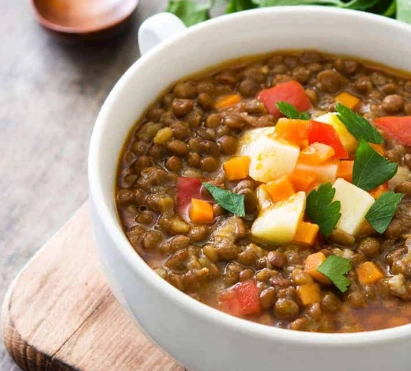
But the real magic is in the versatility. You can make it soupy to pour over rice, thick to scoop up with flatbread, or even use it as a hearty sauce for roasted vegetables. It's meal prep gold, tasting even better the next day.
Your 10-Minute Dal Pantry & Tool Setup
You don't need a specialist Indian grocery store to start. Here’s the shortlist.
The Essential Lentils (Dal)
These three are forgiving, fast-cooking, and perfect for beginners.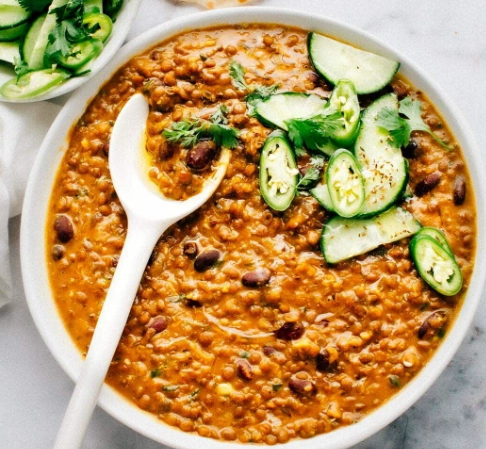
| Lentil Type (Dal) | What It Looks Like | Cooking Time | Best For |
|---|---|---|---|
| Masoor Dal (Red Lentils) | Orange/red, skinless | 15-20 mins | Quick, creamy soups. They dissolve into a smooth puree. |
| Moong Dal (Split Mung Beans) | Yellow, skinless | 20-25 mins | Light, easily digestible dal with a subtle sweetness. |
| Toor/Tuvar Dal (Pigeon Pea) | Yellow, split | 25-30 mins (or use canned!) | The classic, hearty dal with a distinct, slightly earthy flavor. |
The Flavor Arsenal: Spices & More
- Whole Spices: Cumin seeds, black mustard seeds, and dried red chilies. Buy them once, they last ages.
- Ground Spices: Turmeric (for color and earthiness), coriander powder, and red chili powder (like Kashmiri for color, not just heat).
- The Aromatics: Onion, garlic, ginger, and fresh cilantro. A tomato for acidity.
- The Fat: Ghee (clarified butter) is traditional and adds incredible flavor, but any neutral oil works.
- The Secret Weapon: Asafoetida (hing). Just a pinch, added to hot oil, gives a savory, garlic-onion depth that’s a game-changer, especially if you avoid alliums.
For tools, a medium-heavy bottomed pot (like a Dutch oven) and a small saucepan or tadka pan for tempering spices are all you need.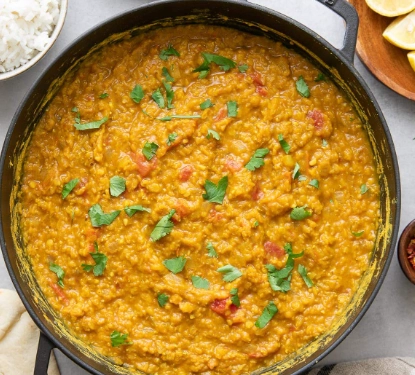
3 Foolproof Easy Indian Lentil Recipes to Master
Let's move from theory to practice. These three recipes build on each other, teaching you core techniques.
1. 20-Minute Creamy Red Lentil Soup (Masoor Dal)
The Goal: A smooth, comforting, no-fuss soup. Perfect for a tired Tuesday.
Time: 20 mins active, 30 mins total.
Serves: 4.
What you'll do: Rinse 1 cup red lentils. In your pot, sauté 1 chopped onion until soft. Add 1 tbsp grated ginger, 2 minced garlic cloves, 1 tsp turmeric, ½ tsp chili powder. Cook for 60 seconds until fragrant. Add the lentils and 4 cups of water or broth. Bring to a boil, then simmer uncovered for 15-20 minutes until lentils collapse. Season with salt. Use an immersion blender for a smooth texture (optional, but nice).
The Tempering (Tadka): Heat 2 tbsp ghee or oil in a small pan. Add 1 tsp cumin seeds. Let them sizzle for 20 seconds. Add 2 dried red chilies and a pinch of asafoetida if you have it. Swirl for 10 more seconds. Pour this sizzling oil mixture over the hot dal. It will crackle and release an incredible aroma. Garnish with cilantro. Serve with bread or rice.
My note: This dal is almost impossible to mess up. If it gets too thick, add hot water. Too thin, simmer a bit longer.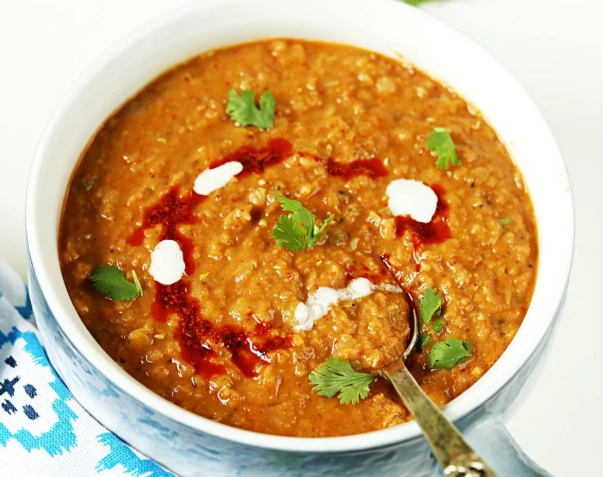
2. Everyday Yellow Dal (Moong Dal)
The Goal: The quintessential, balanced, home-style dal. Light yet satisfying.
Time: 30 mins.
Serves: 4.
The Twist: We're using a pressure cooker method (or instant pot) for ultimate speed and creaminess, but stovetop instructions are below.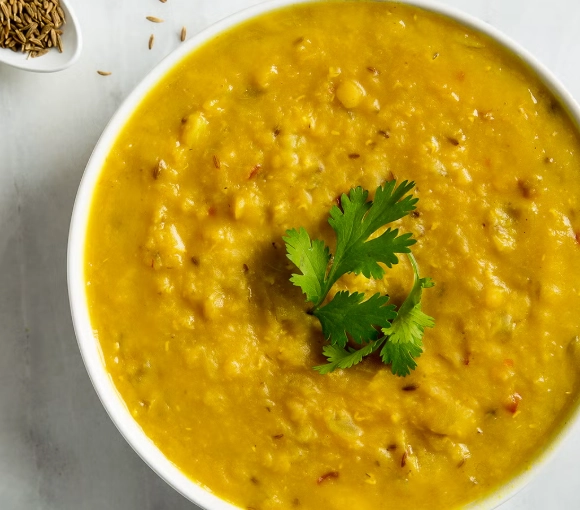
Rinse 1 cup moong dal. In a pressure cooker, combine dal, 3 cups water, ½ tsp turmeric, and 1 tsp salt. Cook for 3-4 whistles (or 6 mins high pressure in Instant Pot). Let pressure release naturally for 10 mins.
While it cooks, make a richer tadka: Heat 3 tbsp ghee. Add 1 tsp cumin seeds, 1 tsp black mustard seeds. When they pop, add 1 finely chopped onion. Cook until golden. Add 1 chopped tomato, ½ tsp coriander powder, ¼ tsp chili powder. Cook until tomato softens.
Open the cooker, whisk the dal lightly to make it creamy. Stir in the onion-tomato tadka. Adjust salt. Simmer together for 5 minutes. Finish with lemon juice and cilantro.
Stovetop: Simmer rinsed dal in 4 cups water with turmeric until very soft (25-30 mins), then proceed.
3. Hearty & Tangy Toor Dal (Sambar-Style)
The Goal: A robust, tangy, vegetable-packed stew. A complete meal.
Time: 40 mins.
Serves: 4-6.
Rinse 1 cup toor dal. Cook with 3 cups water and ½ tsp turmeric until tender (stovetop: 30 mins; pressure cooker: 4 whistles). Mash slightly.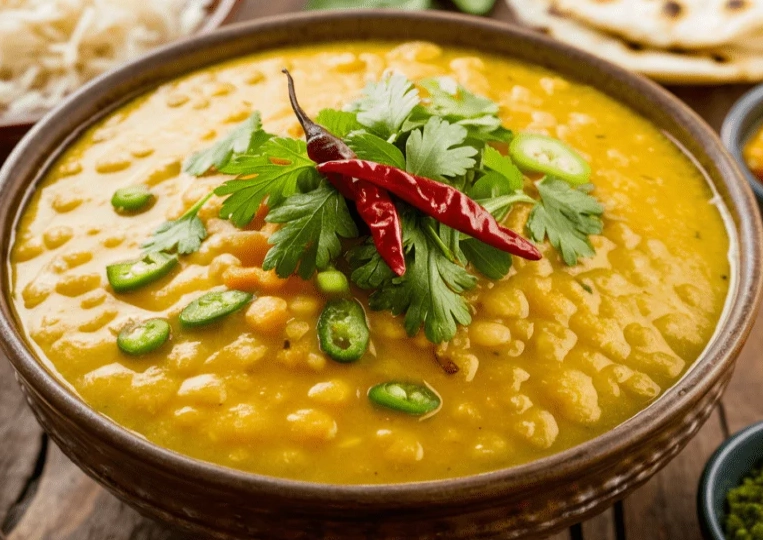
The Veggies: In a separate pan, cook 2 cups of mixed vegetables (diced carrots, green beans, eggplant, drumsticks if you can find them) in 1 cup water with a pinch of salt until just tender.
The Flavor Bomb: Heat 2 tbsp oil. Add ½ tsp fenugreek seeds (optional, they're bitter but authentic), 1 tsp mustard seeds, 2 dried red chilies, 10 curry leaves. Add 1 large chopped onion, then 2 chopped tomatoes. Cook until mushy. Add 2 tbsp sambar powder (this is the key—buy a good brand like MTR or Everest). Fry for 2 mins.
Combine the cooked dal, vegetables (with their water), and the spice paste. Add 1 tbsp tamarind paste dissolved in ½ cup water. Simmer for 10 mins. Season with salt and jaggery or brown sugar (½ tsp) to balance the tang.
This one has more steps, but it’s the weekend project that rewards you with incredible depth of flavor.
The 3 Most Common Dal Mistakes (And How to Dodge Them)
After watching countless friends attempt their first dal, I see the same stumbles.
1. Skipping the Rinse. Lentils have dust. Rinse them in a bowl of water until the water runs mostly clear. It takes 30 seconds and prevents a gritty texture.
2. Undersalting. Lentils need salt. Add it midway through cooking, not at the end. Salting the cooking water helps season the lentils from within. Taste at the end and adjust—you'll likely need more than you think.
3. Burning the Tempering (Tadka). This is the big one. The oil should be hot, but not smoking. If your spices turn black in seconds and smell acrid, the oil was nuclear. You've burned the volatile oils, and it will taste bitter. Start over with a fresh spoon of oil. Low and slow wins the race here.
One more for good measure: Overcooking to a gluey paste. You want the lentils tender, but some varieties, like moong dal, should retain a slight texture. If you're boiling it vigorously for an hour, you'll get wallpaper paste.
Your Dal Questions, Answered
The beauty of these easy Indian lentil recipes is their flexibility. Once you get the basic formula down—cook lentils, create a flavor base, combine—you can riff endlessly. Use spinach, add coconut milk, throw in some sweet potato. It's forgiving. Start with the 20-minute red lentil soup tonight. You might just find your new favorite weeknight ritual.
Discussion