Forget cereal. A real Indian vegetarian breakfast is a vibrant, flavor-packed affair that wakes up your senses and fuels your body for hours. It's not just about eating; it's about starting the day with intention and nourishment. From the tangy, fluffy Poha of the west to the hearty Upma of the south, these dishes are built on centuries of culinary wisdom, combining grains, lentils, vegetables, and a masterful blend of spices. The best part? Most are surprisingly simple to make, even on a busy morning, once you know the core techniques. I've spent years testing these recipes in my own kitchen, and I'm here to share not just the steps, but the little secrets that make all the difference between good and great.
Your Quick Guide to a Flavorful Morning
3 Essential Indian Vegetarian Breakfast Recipes You Must Try
Let's get straight to the stove. These three dishes form the backbone of a solid Indian breakfast repertoire. They're wildly different in texture and taste, showcasing the diversity of the cuisine.
1. Poha (Flattened Rice Flakes)
Think of Poha as India's answer to quick-cook oats, but with a savory, tangy twist. It's the ultimate 20-minute meal from Maharashtra and Madhya Pradesh. The key is using the right type of poha – thick or medium flakes hold their shape better than thin ones, which can turn mushy.
The subtle mistake most beginners make: They rinse the poha under running water. This almost guarantees a soggy, clumpy mess. The correct method is to place it in a colander and sprinkle water over it, or run your hand through it under a very gentle trickle, just until the flakes soften slightly. They should remain separate, not wet.
What you'll need:
- 2 cups thick poha (flattened rice)
- 1 medium onion, finely chopped
- 1 small potato, diced small
- 2 green chilies, finely chopped
- 1/2 tsp mustard seeds
- 8-10 curry leaves
- 2 tbsp peanuts
- 1/4 tsp turmeric powder
- Salt to taste
- Fresh coriander and lemon juice for garnish
How to make it:
- Gently rinse the poha as described above. Set aside.
- Heat oil in a pan. Add mustard seeds. When they pop, add curry leaves, peanuts, and green chilies.
- Add onions and potatoes. Sauté until potatoes are cooked through.
- Add turmeric and salt. Mix well.
- Lower the heat. Add the damp poha. Gently fold everything together for 2-3 minutes until the poha is heated through and has absorbed the flavors.
- Turn off the heat. Squeeze fresh lemon juice and garnish with coriander. Serve immediately.

2. Upma (Savory Semolina Porridge)
Upma is a comforting, porridge-like dish from South India that's incredibly versatile. It can be soft or coarse, simple or loaded with vegetables. The magic lies in roasting the semolina (rava or sooji) to a perfect golden nuttiness.
The subtle mistake most beginners make: Not roasting the semolina long enough. If it's pale, your upma will taste raw and floury. Roast it on medium-low heat, stirring constantly, until it smells toasty and turns a light golden color. This step is non-negotiable.
What you'll need:
- 1 cup fine semolina (rava/sooji)
- 1 medium onion, chopped
- 1-inch ginger, grated
- 2 green chilies, slit
- 1/2 tsp mustard seeds
- 1/2 tsp urad dal (split black gram)
- 1/2 tsp chana dal (split chickpeas)
- 8-10 curry leaves
- 2.5 cups water or vegetable broth
- Salt to taste
How to make it:
- Dry roast the semolina in a pan until fragrant and golden. Set aside.
- In the same pan, heat oil. Add mustard seeds, urad dal, and chana dal. Fry until the dals turn light brown.
- Add curry leaves, green chilies, ginger, and onion. Sauté until onions soften.
- Pour in the water or broth. Add salt. Bring to a rolling boil.
- Reduce heat to low. Slowly sprinkle in the roasted semolina while stirring vigorously to prevent lumps.
- Cover and cook on low for 3-4 minutes. Fluff with a fork and serve hot, often with a side of coconut chutney.

3. Besan Chilla (Spiced Gram Flour Pancake)
This is the vegetarian's power-packed answer to an omelette. Made from besan (chickpea flour), it's high in protein, gluten-free, and cooks in minutes. You can keep the batter simple or pack it with grated vegetables.
The subtle mistake most beginners make: Making the batter too thick. A thick batter yields a dense, doughy chilla. Aim for a consistency similar to thin pancake batter – it should pour easily and spread into a thin circle on the pan. Let the batter rest for 15 minutes; the besan absorbs water and thickens slightly, so you might need to adjust with a splash more water.
What you'll need:
- 1 cup besan (chickpea flour)
- 1 small onion, finely chopped
- 1 small tomato, finely chopped
- 1 green chili, finely chopped
- 1/4 tsp turmeric powder
- 1/2 tsp cumin seeds
- 1/2 tsp red chili powder (optional)
- Salt to taste
- Water to make batter
- Oil for cooking
How to make it:
- In a bowl, mix besan, turmeric, red chili powder, and salt.
- Gradually add water while whisking to form a smooth, lump-free, thin batter.
- Stir in the chopped onions, tomatoes, green chili, and cumin seeds. Let rest for 15 mins.
- Heat a non-stick pan. Pour a ladleful of batter and quickly swirl to form a thin circle.
- Drizzle a few drops of oil around the edges. Cook on medium heat until the bottom is golden brown.
- Flip and cook the other side until done. Serve hot with ketchup or green chutney.

How to Build a Balanced Indian Vegetarian Breakfast Plate
A traditional Indian meal, even breakfast, is rarely just one item. It's about balance and variety. Think of it as a mini-thali (platter). Here’s how to compose a truly satisfying plate that will keep you energized till lunch.
The Main Event: This is your Poha, Upma, or Chilla. It provides the complex carbohydrates and primary flavors.
The Protein Punch (Often Overlooked): This is where many home cooks slip up. A carb-heavy breakfast can lead to a mid-morning crash. Always pair your main dish with a protein source.
- For Poha/Upma: Serve with a side of plain yogurt (dahi) or a bowl of sprouted moong salad.
- For Besan Chilla: The besan itself is protein-rich, but you can have a small bowl of lentil soup (dal) on the side.
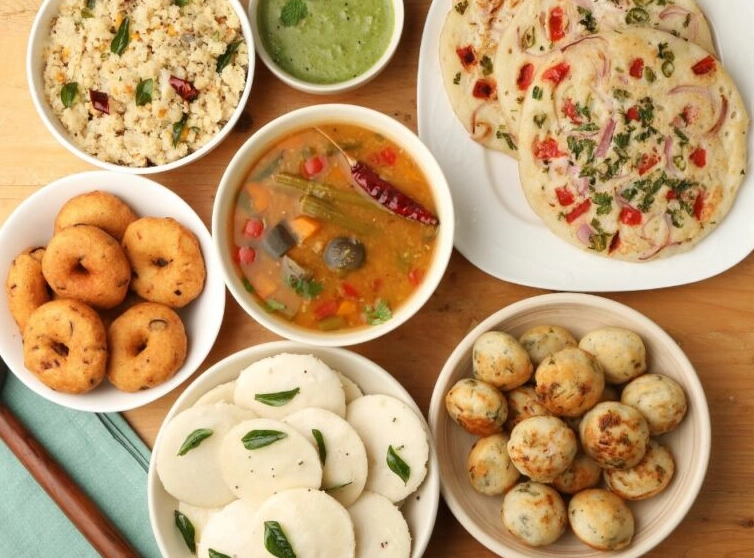
- A classic combo is Idli (steamed rice cakes) with Sambar (lentil and vegetable stew) – the perfect union of carb and protein.
The Flavor Accent: A chutney or pickle. A spoonful of vibrant green coriander chutney, tangy tomato chutney, or a bit of mango pickle cuts through the richness and adds a fresh or pungent note. It's not just a condiment; it's a digestive aid.
The Hydration Factor: A hot beverage. Masala chai (spiced tea) is the iconic partner. Its warmth and spices complement the meal perfectly. For a caffeine-free option, try ginger lemon tea or even a glass of buttermilk (chaas).
When you eat this way, you're not just filling your stomach. You're engaging in a holistic practice that considers taste, texture, nutrition, and digestion. It's a far cry from gulping down a bowl of cold cereal.
Your Indian Breakfast Questions, Answered
The world of Indian vegetarian breakfasts is vast and forgiving. Once you grasp the basic template – temper spices, add main ingredient, cook with care – you can improvise endlessly. Start with these three classics. Master the technique, not just the recipe. Notice how the mustard seeds pop, how the besan batter should pour, how the roasted semolina smells. That's where the real cooking begins. Your mornings are about to get a lot more interesting.
Discussion