You followed a recipe. You used fresh spinach and good paneer. But your palak paneer still tastes flat, watery, or just... boring. It happens to everyone. The gap between a decent homemade version and the rich, complex, vibrantly green curry you get at a great Indian restaurant feels massive. I've spent years cooking in and consulting for Indian kitchens, and I can tell you the secret isn't one magic ingredient. It's a series of small, intentional steps most home cooks skip. Let's fix that. Here are the seven non-negotiable techniques to transform your palak paneer from a simple spinach curry into a memorable dish.
Quick Navigation: The 7 Pillars of Perfect Palak Paneer
1. Treat Your Spinach Like a VIP
This is where 80% of the flavor and color battle is won or lost. You cannot just chop and throw spinach into the pot.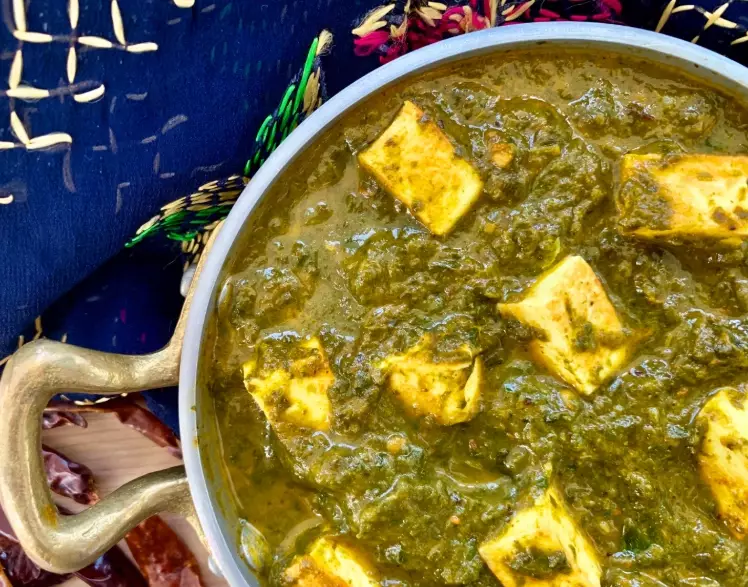
Blanch, Don't Sauté
Most recipes say to sauté the spinach. That's a great way to lose color and concentrate bitterness. Bring a large pot of heavily salted water to a rolling boil. Dunk your washed spinach leaves (stems are fine) in for exactly 90 seconds. Not a minute more. The salt fixes the chlorophyll, locking in that bright green color.
The Ice Bath Shock
Have a bowl of ice water ready. Immediately transfer the blanched spinach into it. This stops the cooking instantly, preserving texture and color. Squeeze out ALL the water. I mean it. Get it as dry as you can with your hands, then wrap it in a kitchen towel and wring it out. A wet spinach puree will make a watery, sad gravy.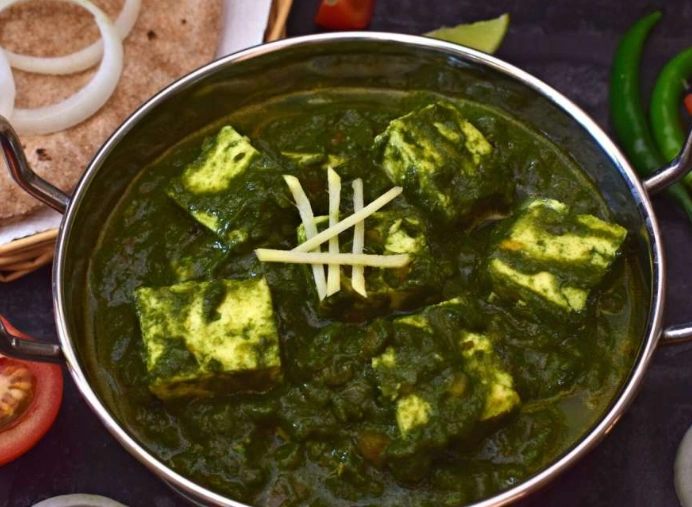
2. Build a Layered Spice Foundation
Throwing all your ground spices in at once is like playing all the instruments in an orchestra at the same volume. You need layers.
Start with whole spices. Heat your oil or ghee (use ghee, the flavor is deeper) and crackle cumin seeds and black peppercorns. Then add your chopped onions. Cook them low and slow until they are deeply golden, almost caramelized. This sweetness is your flavor base. Rushed, pale onions give you a one-dimensional taste.
Next, the ginger-garlic paste. Cook it for a full 2-3 minutes until the raw smell disappears. Now, the tomato. Use a good, tangy variety like Roma. Cook it down until the oil starts to separate from the masala. This is the sign that your base is ready.
Here's the subtle mistake: Adding ground coriander and turmeric powder too early. They can burn and turn bitter if fried for too long. Add them after the tomatoes have broken down, stir for just 30 seconds to cook off the raw edge, then immediately add your spinach puree.
3. The Real Creamy Secret (It's Not Just Cream)
Adding cream at the end gives richness, but not body. For that restaurant-style silky, clinging gravy, you need a thickener.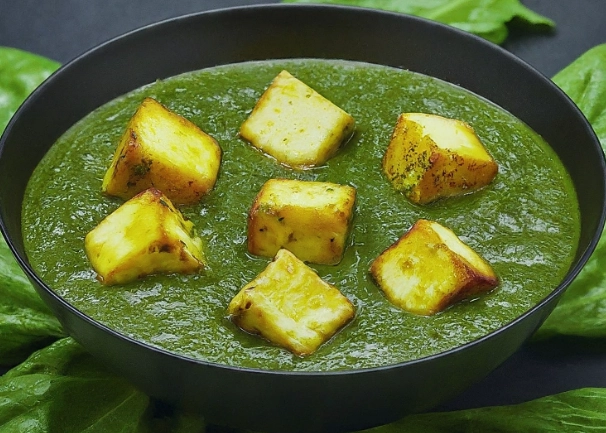
Cashew Paste: Soak 8-10 raw cashews in hot water for 20 minutes, then blend into a smooth paste. Add this paste along with the spinach puree. It provides an incredible creamy texture and a subtle sweetness without being overtly nutty.
Or, Use Raw Cashew Powder: If you're in a hurry, a tablespoon of finely ground raw cashew powder works wonders. Just mix it with a little water to form a slurry before adding.
The cream (or yogurt/malai) is your finishing agent. Stir it in at the very end, off the heat, to add a final layer of luxurious richness.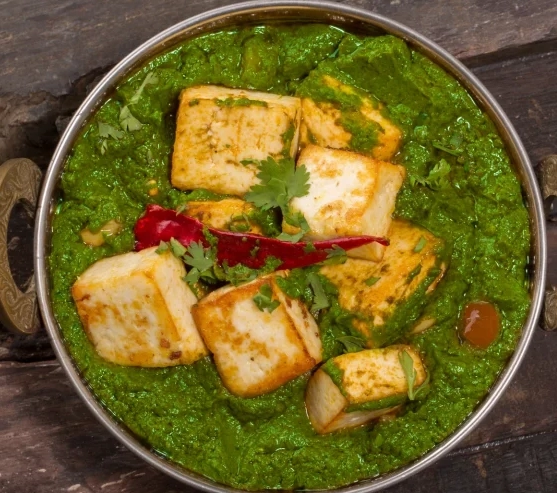
4. Paneer That Doesn't Taste Like Rubber
Hard, chewy paneer ruins the dish. You need soft, spongy cubes that soak up the gravy.
Never add paneer directly from the packet. Always soak it. For at least 15-20 minutes in hot, lightly salted water. This rehydrates it, makes it tender, and allows it to absorb the curry's flavor. Some chefs even use a quick soak in warm milk for extra richness.
If you're frying the paneer (which adds great texture), do it just before serving. Fry until golden, then immediately dunk it in warm water for a minute. This keeps it soft inside while giving it a slight crust.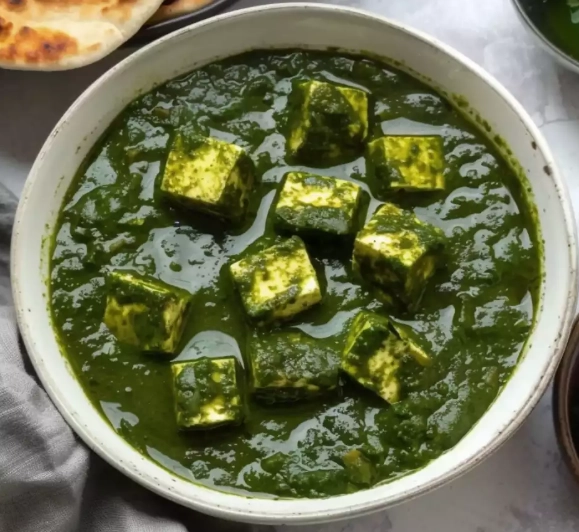
5. The Flavor Finish: Tempering & Acidity
This is the final touch that makes the dish sing.
The Tadka (Tempering): Heat a tablespoon of ghee in a small pan. Add a pinch of asafoetida (hing), a dried red chili, and maybe a few garlic slivers. Let it sizzle and become fragrant. Pour this sizzling ghee over your finished palak paneer just before serving. The aroma is unbelievable.
Balancing Acidity: Taste your curry. Does it feel like it's missing a little "something"? That's often acidity. A tiny squeeze of lemon juice or a teaspoon of dry mango powder (amchur) stirred in at the end can lift all the other flavors dramatically. Don't overdo it—just a hint.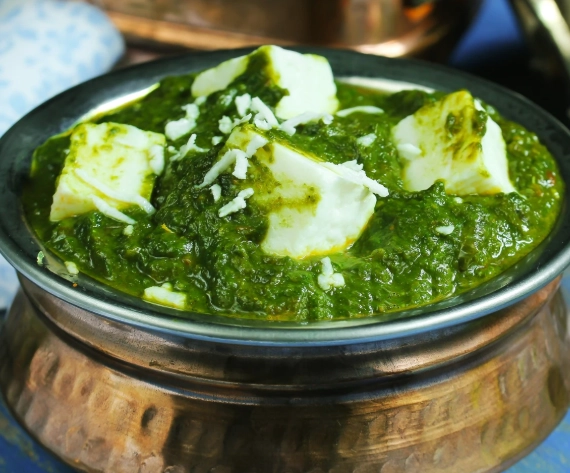
Common Palak Paneer Pitfalls and How to Fix Them
| The Problem | Likely Cause | The Chef's Fix |
|---|---|---|
| Curry is watery | Spinach wasn't dried enough after blanching; gravy not cooked down. | Wring spinach in a towel. After adding puree, simmer uncovered for 10-15 mins to reduce. |
| Spinach tastes bitter | Overcooked spinach; old or poor-quality spinach. | Strict 90-second blanch. Use fresh, mature spinach. A pinch of sugar can balance existing bitterness. |
| Dull, grey-green color | Spinach cooked for too long; acid added during cooking. | Blanch in salted water, shock in ice. Add lemon/amchur only at the end, off heat. |
| Paneer is tough/rubbery | Paneer added dry; overcooked in the gravy. | Always soak paneer in hot water. Add it in the last 5 minutes of cooking just to heat through. |
| Flavor tastes flat | Onions undercooked; no layered tempering; missing acidity. | Cook onions to golden brown. Always do a final ghee tadka. Finish with a dash of lemon or amchur. |
Your Palak Paneer Questions, Answered
Why is my palak paneer bitter even though I didn't burn the spices?
The bitterness is almost always from the spinach itself. Overcooking spinach releases oxalic acid, which tastes bitter. That's why the quick blanch and shock method is crucial. If you've already made a bitter batch, try stirring in a teaspoon of sugar or a dollop of cream to counteract it. Next time, don't cook the spinach for more than a couple of minutes after pureeing.
Can I make palak paneer ahead of time, and how do I store it?
You can, but with a caveat. Prepare the spinach gravy (without the paneer and final cream) and let it cool completely. Store it in an airtight container in the fridge for up to 2 days. The color will darken slightly, which is normal. When ready to serve, reheat the gravy gently, add freshly soaked (or fried) paneer, simmer for 5 minutes, then finish with cream and tadka. Adding paneer to the gravy before storing makes it mushy and tough.
What's the best substitute for cream to keep it vegan?
For creaminess, soaked cashew paste is your best vegan friend—it's even better than cream for body. For the fatty richness, use a good quality coconut milk (the thick part from the top of the can) or a tablespoon of coconut cream at the end. Use vegan butter or oil instead of ghee for the tadka.
My palak paneer always turns out too thick. How do I fix the consistency?
Palak paneer should have a thick, coating consistency, not a runny soup. But if it's pasty, thin it out with a little hot water or vegetable broth. Add it a tablespoon at a time while stirring over low heat until you reach the desired texture. Avoid using milk or cream to thin it, as they can split if heated too vigorously.
Is there a way to use frozen spinach and still get good results?
Yes, but manage expectations. Thaw the frozen spinach completely, then squeeze out every drop of water—even more aggressively than fresh spinach. The flavor will be milder and less vibrant, so you might need to compensate with a bit more seasoning. I'd recommend adding an extra handful of fresh herbs like cilantro to the puree to boost the fresh flavor. According to resources from the USDA Food Safety, properly handled frozen spinach is safe and nutritious, but the texture and color will differ from fresh.
Putting it all together isn't complicated, it's just intentional. Blanch and shock the spinach. Build your onion-tomato masala with patience. Use cashew paste for body. Treat your paneer with a hot bath. Finish with a sizzling tadka and a hint of lemon. These aren't just steps; they're the pillars that hold up a truly great palak paneer. Forget about following a single recipe verbatim. Understand these principles, and you can adapt any recipe into something spectacular. Your next batch won't just be good. It'll be the reason people ask you for the recipe.
Discussion