Let's talk about Indian seekh kebab. You've probably had them at a restaurant – those juicy, smoky, spiced minced meat skewers that disappear from your plate in seconds. The good news? You don't need a tandoor or a street food vendor to make them. With the right approach, your kitchen can produce seekh kebabs that rival any you've tried.
I've been making these for years, and I've made every mistake in the book so you don't have to. From dense, dry logs to kebabs that disintegrate on the grill, I've seen it all. This guide is about getting it right the first time.
What's Inside This Recipe Guide
The Real Deal on Seekh Kebab Ingredients
Most recipes give you a list. I want to tell you why each thing matters. The magic of a seekh kebab isn't just meat and spice; it's texture and binding.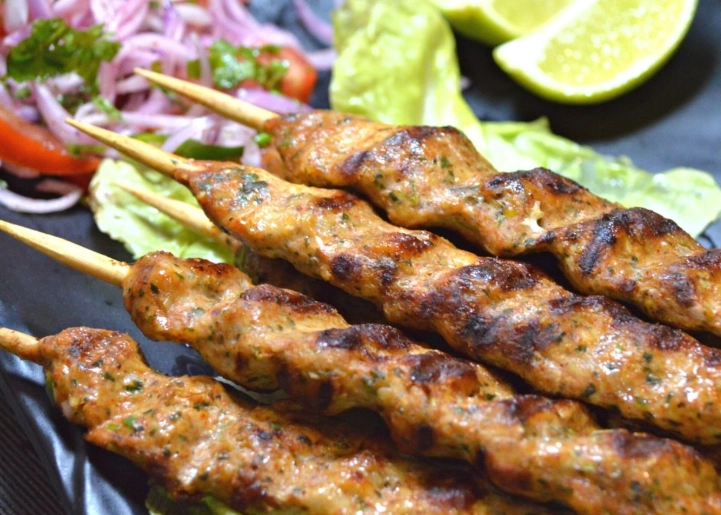
Choosing Your Meat: Lamb vs. Beef
Traditionally, it's lamb. Specifically, lamb with a bit of fat. 80/20 lean-to-fat ratio is your friend. The fat keeps everything moist during the high heat. You can use beef, especially if lamb isn't your thing or is hard to find. Chuck steak or an 85/15 ground beef blend works well.
A common pitfall? Using ultra-lean meat like ground turkey or 95% lean beef. It will almost certainly result in a dry, crumbly kebab. The fat is non-negotiable for flavor and texture.
The Spice Mix (Masala) – Beyond Garam Masala
Yes, you need garam masala. But the depth comes from toasting and grinding whole spices. Cumin seeds, coriander seeds, black peppercorns, dried Kashmiri red chilies (for color and mild heat), and a touch of cardamom. Toast them lightly in a dry pan until fragrant, then grind. This fresh mix beats any pre-made powder.
Then there's the wet mix. Grated onion (squeeze the water out!), minced ginger, minced garlic, and fresh green chilies. Some recipes add raw papaya paste as a tenderizer, but if you're using decent meat and not overworking it, you can skip it.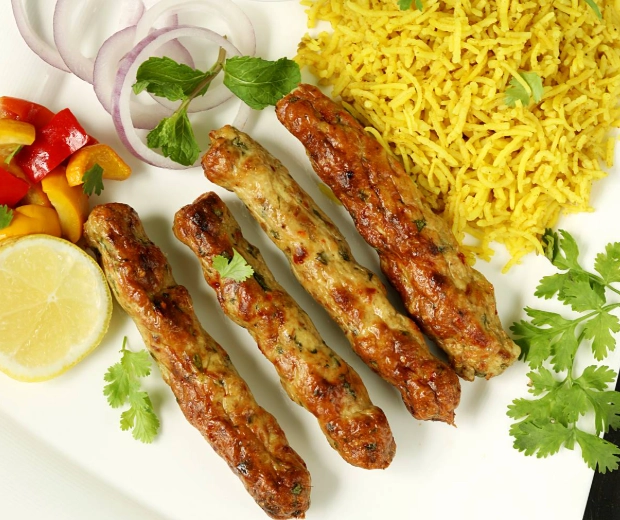
The Secret Binders
This is where many home cooks go wrong. You need something to hold the minced meat together on the skewer. The classic binder is besan (chickpea flour). About 2 tablespoons for a pound of meat. It absorbs excess moisture and firms up the mixture. Breadcrumbs are a common substitute, but they can make the kebab taste bready. Another excellent, less-known binder is a spoonful of thick, full-fat yogurt. It adds moisture and a slight tang.
Pro-Tip from the Grill: Don't skip the chilling step. After you mix everything, cover the bowl and refrigerate for at least 2 hours, preferably overnight. This allows the flavors to marry and the besan to fully hydrate, making the mixture much easier to handle and shape.
How to Make Indian Seekh Kebabs: Step-by-Step Guide
Here’s the process, broken down without any fluff.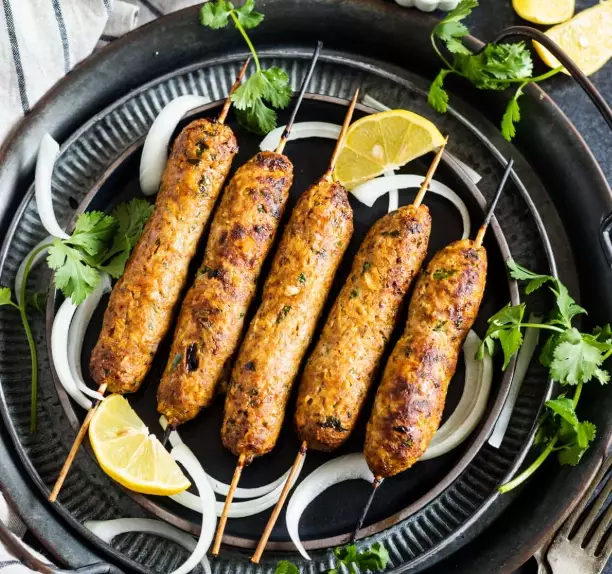
Step 1: Prep the Aromatics. Grate one medium onion. Put it in a clean kitchen towel or cheesecloth and squeeze hard over the sink. You want the flavor, not the water. Mince a 2-inch piece of ginger and 4-5 garlic cloves. Finely chop 1-2 green chilies.
Step 2: Toast and Grind Spices. In a small pan, dry roast 1 tsp cumin seeds, 1 tsp coriander seeds, 1/2 tsp black peppercorns, and 2 dried red chilies for about 60 seconds until they smell amazing. Let them cool, then grind to a powder in a spice grinder or mortar. Mix this with 1.5 tsp of your garam masala.
Step 3: Combine Everything. In a large bowl, add 1 lb (450g) ground lamb (or beef), the squeezed onion, ginger, garlic, green chili, the fresh spice powder, 2 tbsp besan, 1 tbsp chopped cilantro, 1 tbsp chopped mint, and 1 tsp salt. Here's the crucial part: mix with a light hand. Use your fingers to gently fold and combine. Over-mixing will develop the meat's proteins, making the kebabs tough and rubbery.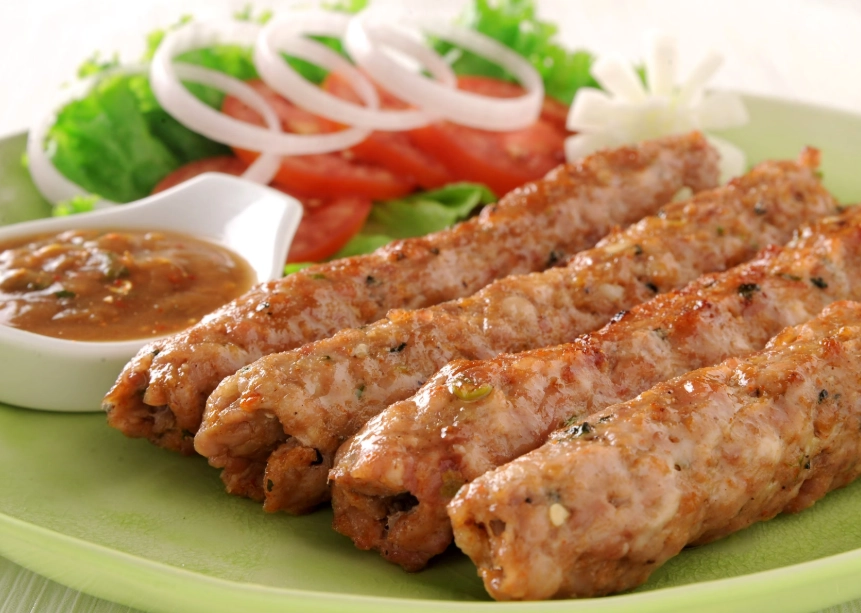
Step 4: Chill. Cover and refrigerate. I'm serious about the overnight rest. The difference in flavor and ease of shaping is night and day.
Step 5: Shape the Kebabs. If using metal skewers, lightly oil them. Take a handful of the mixture (about 1/4 cup) and mold it around the skewer, pressing gently to form a log about 5-6 inches long and 3/4-inch thick. Leave a little space at both ends of the skewer for handling. If the mixture sticks, wet your hands lightly with water or oil.
Place the shaped skewers on a tray. You can put them back in the fridge for 15 minutes to firm up before cooking.
Grilling, Broiling, or Pan-Frying: Which Method Wins?
| Method | Best For | Key Technique | Result & Notes |
|---|---|---|---|
| Outdoor Grill (Charcoal/Gas) | Authentic smoky flavor | Medium-high heat (375-400°F). Oil grates well. Don't move for 2-3 mins. | Winner for flavor. Gets the closest to tandoori char. Turn every 2-3 minutes for even cooking (8-10 mins total). |
| Oven Broiler | Convenience, year-round | Place skewers on a wire rack over a baking sheet. Position 4-6 inches from broiler. | Very good char and even cooking. Watch closely! Broil for 4-5 mins per side. Preheat the broiler for 10 mins. |
| Stovetop Grill Pan | Quick weeknight meal | Get the pan screaming hot. Brush with oil. Press kebabs gently. | Good sear marks, but less overall char. Cook 3-4 mins per side. May need to finish in a 400°F oven for even doneness. |
| Air Fryer | Less mess, less oil | Spray skewers with oil. 375°F for 10-12 mins, flipping halfway. | Surprisingly juicy, but lacks the signature smoky char. A solid healthy alternative. |
My personal favorite is the broiler. It's consistent, and you get great control. The key is that preheat. A cold broiler element is a sad kebab's worst enemy.
I tried the air fryer on a whim. The kebabs were juicy and cooked perfectly, but my brain missed the smokiness. It's a trade-off.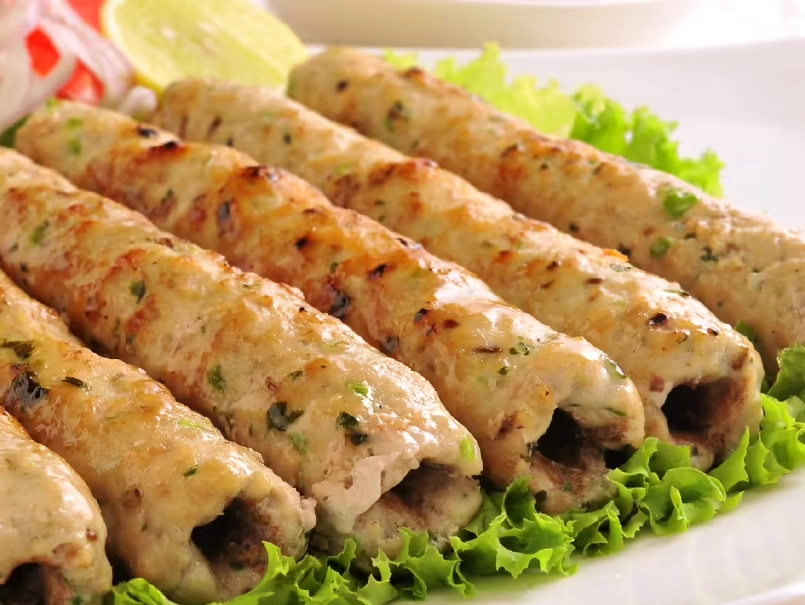
What to Serve With Your Seekh Kebabs
This isn't just a kebab. It's a meal centerpiece.
- The Essential Dip: Mint chutney. Blend a bunch of mint, some cilantro, green chili, a squeeze of lime, a pinch of sugar, and salt with a little water.
- The Onion Salad: Thinly sliced red onion with a sprinkle of chaat masala and a dash of lemon juice. It cuts through the richness.
- The Bread: Warm, buttery naan or flaky paratha. Or for a lighter touch, simple room-temperature chapati.
- The Main Event Plating: Slide the kebabs off the skewer onto a bed of sliced onions. Drizzle with mint chutney and a squeeze of lime. Scatter some fresh cilantro on top.
You can also crumble them into a wrap with the chutney and onions, or serve them alongside a biryani or pulao.
Expert Tips and Fixing Common Problems
Here’s where my years of trial and error pay off for you.
Problem: My kebabs are falling apart on the grill.
Solution: The binder (besan) wasn't given time to work, or the mixture was too wet. Did you squeeze the onion? Did you chill the mixture long enough? Next time, do a test: take a small ball of the mix and flatten it in your palm. If it holds together without cracking, you're good. If it's sticky, add a touch more besan. If it's crumbly, add a teaspoon of yogurt or a tiny bit of water.
Problem: The kebabs are dense and tough, like meatballs.
Solution: You overmixed the meat. Remember, gentle folds. Also, ensure your meat has enough fat. Lean meat + overmixing = hockey puck.
Problem: They taste bland.
Solution: Underseasoning is common because people are scared of salt in raw meat. Taste a tiny bit of the mixture (it's safe) before shaping. It should taste well-seasoned. Also, the freshness of your spices matters immensely. That toasted, ground mix makes all the difference.
Problem: The outside is charred but the inside is raw.
Solution: Your heat is too high. Lower the grill temp or move the skewers to a cooler part of the grill to finish cooking through. For the broiler, move the rack down a notch.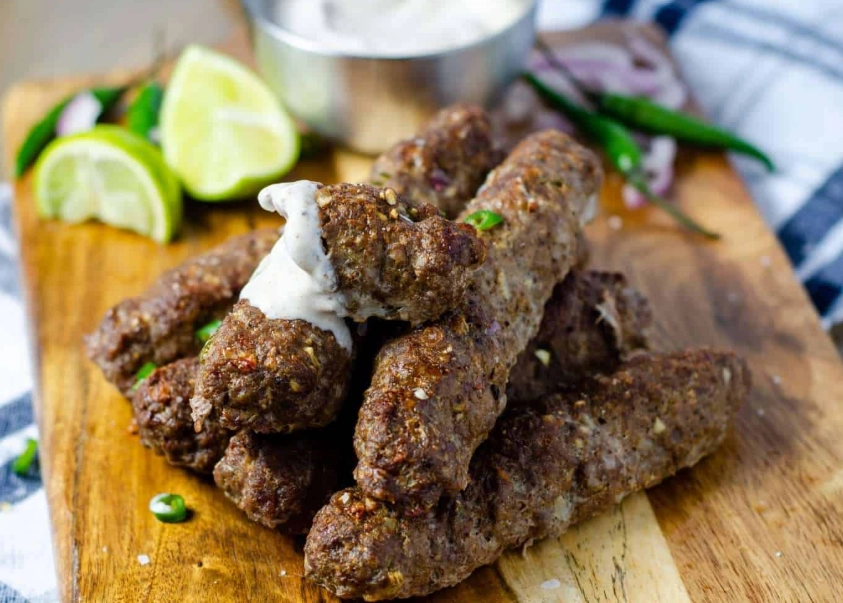
A Non-Consensus View: Many recipes tell you to add an egg for binding. I avoid it. An egg can make the kebab mixture too soft and can impart a slight custardy texture when cooked. The traditional besan or yogurt binder gives a better, firmer yet tender bite that's true to the street food style.
Your Seekh Kebab Questions, Answered
The journey to a perfect seekh kebab is part of the fun. Don't get discouraged if your first batch isn't magazine-worthy. Even my early attempts were, frankly, a bit sad. But once you get the feel for the mixture, the chill time, and the heat management, it becomes second nature. You'll be impressing friends and family with your homemade Indian street food skills in no time.
Fire up that grill or broiler, and give it a shot. The smell alone is worth the effort.
Discussion