I used to think rice was just a side dish—until I had my first plate of biryani at a tiny family-run spot in Brick Lane, London. The grains were fluffy, aromatic, and each bite had a subtle flavor that made me wonder: how do they do it? After years of cooking and chatting with chefs, I've cracked the code. Indian restaurant rice tastes amazing because of three things: the rice itself, the cooking technique, and the flavor infusion. Let's dive in.
Here's What We'll Cover
The Rice Itself: More Than Just Basmati
You might think all basmati rice is the same. It's not. Indian restaurants use aged basmati, specifically long-grain varieties that have been stored for at least a year. This aging process, as noted in reports from the Food Safety and Standards Authority of India (FSSAI), reduces moisture and enhances the nutty aroma. I once bought cheap basmati from a supermarket—it turned mushy in minutes. Lesson learned.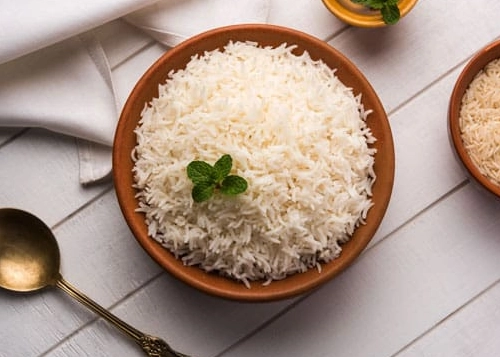
Choosing the Right Grain
Look for brands like India Gate or Dawat. These are often used in top restaurants because they have a lower breakage rate. The grains should be long and slender, not short or broken. A chef friend in New York told me they pay a premium for this, but it's worth it.
Aging and Aroma
Aged rice absorbs water better, so it cooks evenly. Fresh basmati tends to be sticky. Restaurants sometimes source directly from farms in Punjab or Uttar Pradesh, where the climate aids aging. If you're buying for home, check the packaging for harvest dates—older is better.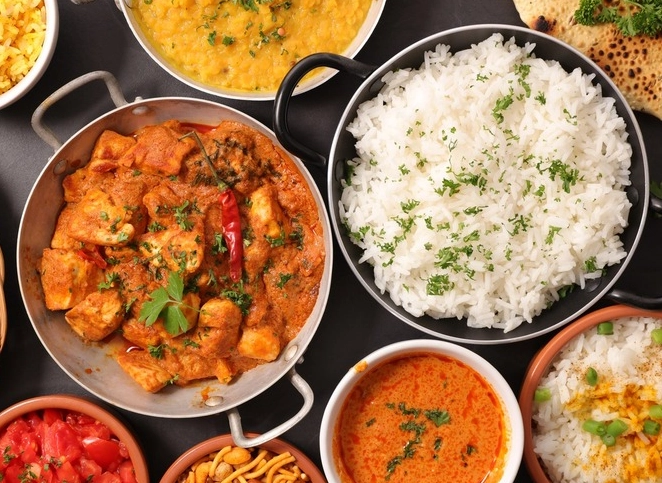
The Cooking Technique: Where Magic Happens
This is where most home cooks fail. Indian restaurants don't just boil rice; they treat it like a science. I've seen kitchens use massive pots, but the principles apply at home too.
The Soaking Secret
Soak the rice for at least 30 minutes. Some places soak for two hours. It allows grains to expand slowly, preventing them from cracking during cooking. I used to skip this step, and my rice always came out uneven—some grains hard, some soft.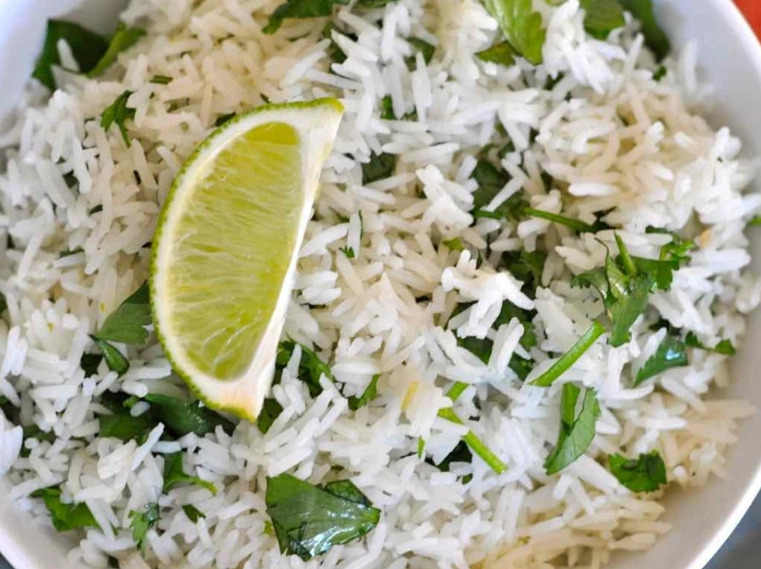
The Perfect Boil and Steam
Restaurants use a method called "dum" cooking—sealing the pot with dough or a tight lid to trap steam. The heat is low, so rice steams rather than boils. At home, a heavy-bottomed pot works. Add water in a 1:1.5 ratio for basmati (yes, less water than you think), bring to a boil, then simmer covered for 15 minutes. Let it rest off heat for 5 more. No peeking!
Pro tip: Add a teaspoon of ghee or oil to the water. It coats the grains and prevents sticking, something I learned from a chef at Dishoom in London (their locations in Covent Garden and Shoreditch are famous for perfect rice).
Flavor Infusion: Spices and Broths
Rice isn't bland in Indian restaurants because it's cooked with flavor from the start. Think of it as building layers.
Spice Blends That Make a Difference
Whole spices like cinnamon, cardamom, and bay leaves are added to the water or oil before rice goes in. They release oils that infuse the grains. For biryani, restaurants often use a spice mix called "biryani masala"—it's complex, with over 10 spices. You can buy it or make your own, but don't overdo it; subtlety is key.
Using Broth for Depth
Many restaurants replace water with chicken or vegetable broth. It adds umami without overpowering. I tried this with a simple broth from boiled vegetables, and the rice tasted richer instantly. Some places, like those in Mumbai's Mohammed Ali Road, even use bone broth for extra depth.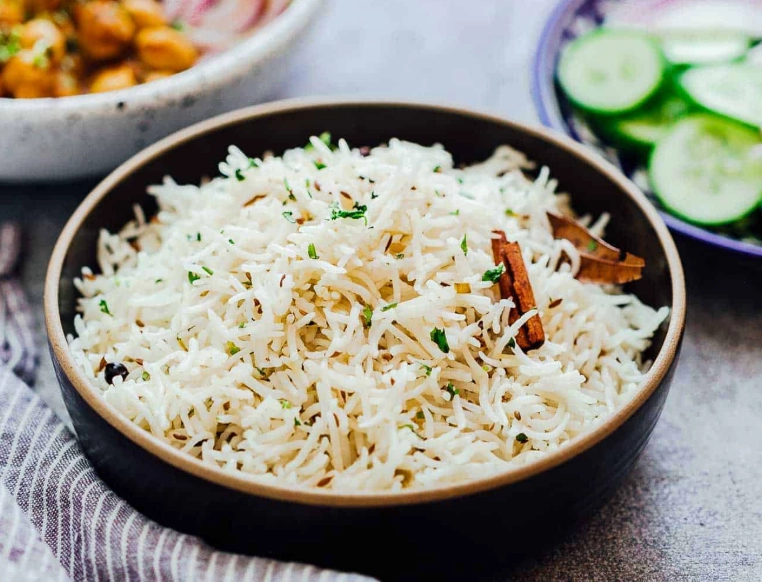
Here's a quick comparison of home vs. restaurant methods:
| Aspect | Home Cooking (Typical) | Indian Restaurant Method |
|---|---|---|
| Rice Type | Any basmati, often fresh | Aged basmati, specific brands |
| Soaking Time | 10 minutes or skipped | 30 minutes to 2 hours |
| Water Ratio | 1:2 (rice to water) | 1:1.5 for basmati |
| Cooking Heat | High boil, frequent stirring | Low simmer, sealed pot |
| Flavor Base | Plain water or salt | Spices, broth, ghee |
Common Mistakes Home Cooks Make
I've made all these errors. Let's save you the trouble.
Overcooking and Undercooking
Overcooking turns rice to mush—it happens if you use too much water or cook too long. Undercooking leaves a hard center. The fix? Use a timer and stick to the ratios. Restaurants are precise; they measure everything.
Skipping the Rinsing Step
Rinsing removes surface starch, which causes clumping. Restaurants rinse until water runs clear. I used to just give it a quick wash, and my rice always stuck together. Now, I rinse three times, and it's a game-changer.
Another thing: don't stir rice while it's cooking. It breaks the grains. I learned this the hard way when I ruined a pot trying to "fix" it.
FAQs About Indian Restaurant Rice
So, next time you're at an Indian restaurant, pay attention to that rice. It's not an afterthought; it's a crafted element. With these tips, you can bring that magic home. Start with good rice, be patient with soaking, and don't shy away from spices. Your kitchen might just smell like a restaurant in no time.
Discussion