Let's be honest. The idea of cooking a fresh, complex Indian meal every night after work is a fantasy for most of us. You get home tired, the thought of chopping onions, toasting spices, and simmering a curry for an hour feels impossible. So you order takeout or settle for something bland. Again.
I've been there. For years, I swung between expensive delivery and uninspired salads, missing the vibrant, home-cooked Indian food I grew up with. Then I cracked the code: Indian meal prep. It's not about eating the same lentil soup for five days. It's a strategic system that gives you delicious, varied, and healthy Indian meals all week with just one focused cooking session.
This guide is the blueprint I wish I had. We're moving beyond generic advice. I'll give you a specific, actionable weekly plan, timing strategies most blogs miss, and storage tricks that actually keep your food tasting great.
What's Inside This Guide
A Complete Weekly Indian Meal Prep Plan
This isn't a vague suggestion. Here’s a balanced, mix-and-match plan designed for variety and practicality. The goal is to cook components that can be combined in different ways.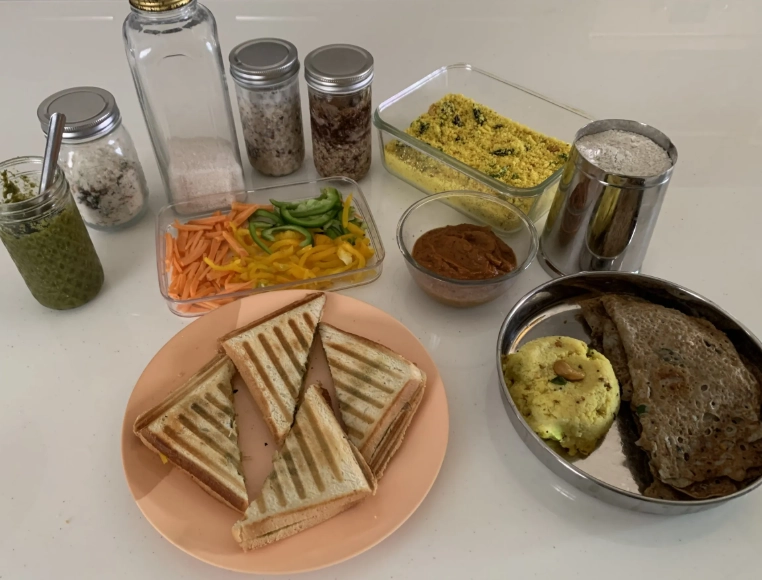
Your Weekly Meal Map
| Meal | Option 1 | Option 2 | Prep Component Used |
|---|---|---|---|
| Lunch (Mon-Wed) | Chana Masala + Jeera Rice + side salad | Rajma (Kidney Bean Curry) with rice & a dollop of yogurt | Pre-cooked curry, pre-cooked rice |
| Dinner (Weeknights) | Chicken Tikka Masala with Cauliflower "Rice" | Palak Paneer (Spinach & Cheese) with Roti | Pre-cooked curry, pre-made spinach base, store-bought/frozen roti |
| Quick Breakfast | Vegetable Upma (semolina porridge) | Parfait with yogurt, mango, and nuts | Pre-chopped veggies for upma |
| Snacks | Spiced Roasted Chickpeas | Cucumber slices with mint chutney | Pre-made chutney, pre-roasted chickpeas |
See how that works? You're not pre-plating Monday's lunch. You're creating a toolkit. On Tuesday, you might grab the rajma for lunch and the palak paneer for dinner. On Wednesday, you could have the chana masala for dinner instead. It creates flexibility, which is key to not getting bored.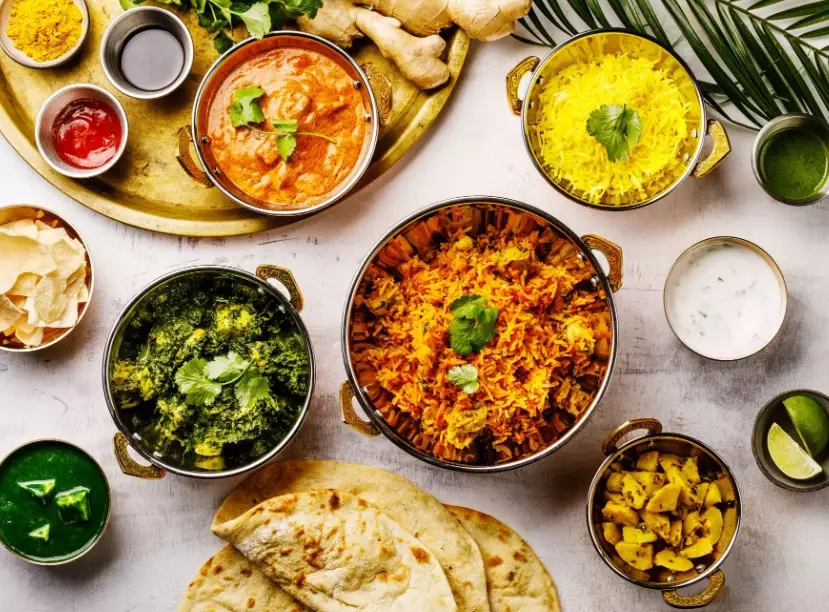
How to Execute Your Weekly Prep Session (The Sunday 2-Hour Method)
Block out 2-3 hours on a Sunday afternoon. Put on some music. This is your investment for a stress-free week. Here's the order of operations that maximizes efficiency:
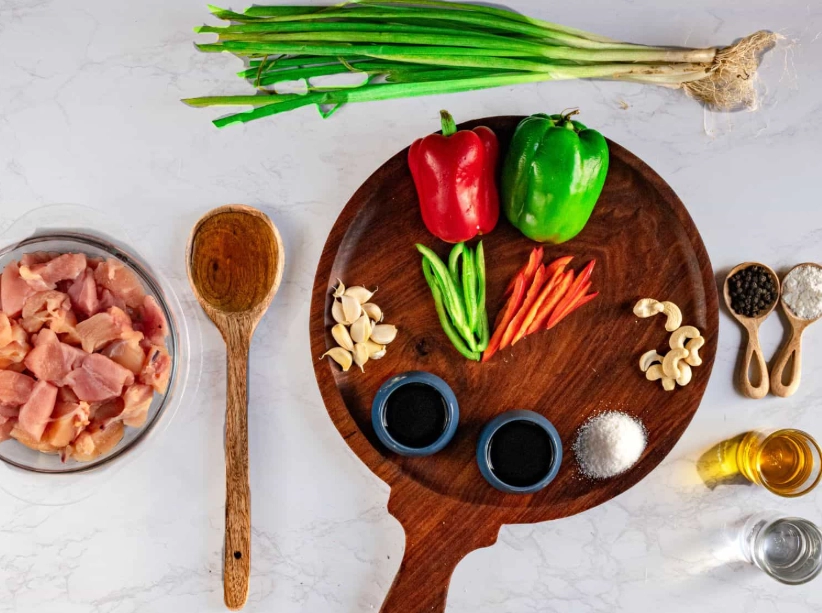
- Prep All Ingredients First (Mise en Place): This is non-negotiable. Chop all onions, tomatoes, ginger, garlic, and greens. Measure out spices for each dish into small bowls. This single step cuts active cooking time in half and prevents burning spices while you frantically chop.
- Start the Longest-Cooking Items: Get your rice in the rice cooker or pot. Start simmering your dal (like a toor dal or masoor dal). These can cook largely unattended.
- Cook the Curries in Sequence: Use the same large pot or pan. Cook your wet curry (like butter chicken or chana masala). Once done, transfer to a container, quickly wipe the pot, and start your drier vegetable dish (like aloo gobi). Reusing pots saves cleaning time.
- Cool Completely Before Storing: This is critical for food safety and preventing soggy textures. Let everything come to room temperature on the counter before lidding and refrigerating.
The Right Way to Store and Reheat Indian Food
This is where most meal prep fails. You open a container on Wednesday to find dry rice and a separated, watery curry. Let's fix that.
Storage Rules
- Rice: Portion into individual containers once cool. Place a paper towel under the lid to absorb excess moisture. It keeps for 4 days in the fridge. For longer, freeze it.
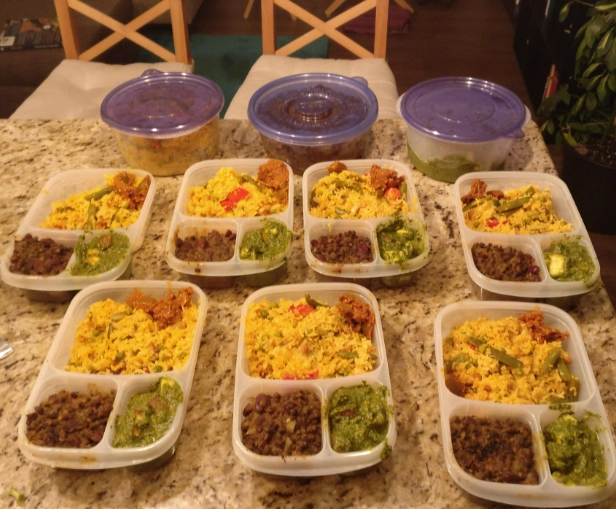
- Curries & Dals: Store in airtight glass containers. The acid in tomatoes and yogurt can react with some plastics. They'll keep for 4-5 days. Gravies with cream or coconut milk are best eaten within 3 days.
- Dry Sabzis: Like aloo gobi or bhindi, store in containers with minimal air space. They reheat beautifully.
Reheating Like a Pro
Never microwave straight from the fridge on high power. It nukes the texture.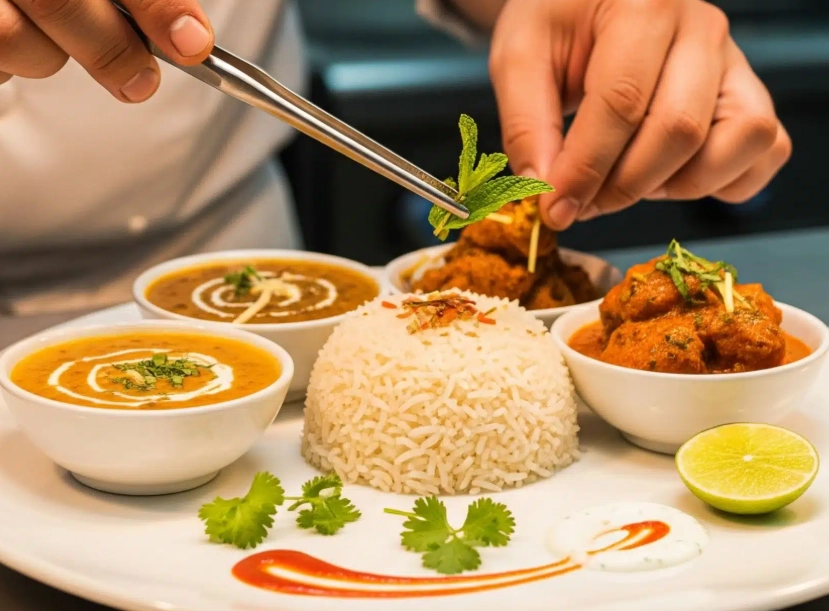
For curries, transfer to a microwave-safe bowl, splash in a teaspoon of water, cover loosely, and heat in 60-second bursts, stirring in between. For the stovetop, reheat gently in a small pan over low heat, adding a splash of water or cream to bring it back to life.
For rice, sprinkle a few drops of water over it before microwaving, or reheat in a steamer basket. It makes all the difference.
Expert Tips to Level Up Your Indian Meal Prep
After a decade of tweaking this system, here are the subtle game-changers you won't find in most recipes.
The Spice Bloom Two-Step: Don't just add ground spices to the curry. For deeper flavor, bloom whole spices (cumin seeds, mustard seeds) in oil at the beginning of cooking your base. Then, add your ground spices (turmeric, coriander, garam masala) for just 30 seconds before adding liquids. This two-stage process unlocks vastly more complex aromas.
Undercook Your Vegetables (Slightly): If you're prepping cauliflower, potatoes, or green beans, cook them until they're just tender, not mushy. They'll finish softening when you reheat them later in the week. This preserves texture and avoids that sad, overcooked feel.
Make a "Master Chutney": Whizz up a big batch of coriander-mint chutney or a tamarind-date chutney. Portion it into an ice cube tray and freeze. Pop out a cube whenever you need a flavor bomb for your meal, a sandwich, or as a marinade base. It lasts for months.
The Freezer is Your Friend for Proteins: Marinate chicken tikka pieces or fish fillets in yogurt and spices, then freeze them flat in a single layer in a zip-top bag. You can pull out exactly what you need and cook from frozen in the oven or air fryer for a "fresh-cooked" protein in 20 minutes.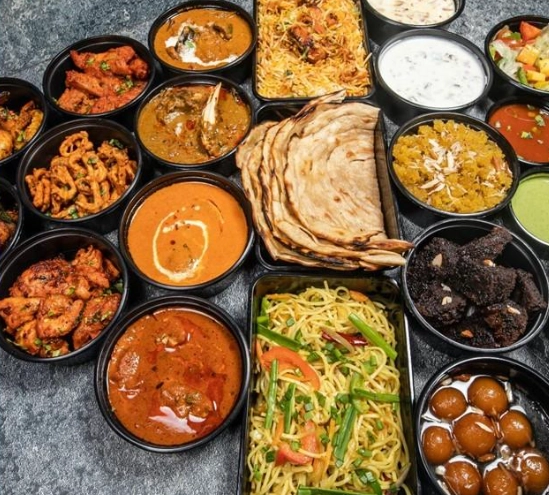
Your Indian Meal Prep Questions, Answered
How do I keep my prepared Indian breads like roti or paratha from getting hard?
Honestly, I don't recommend prepping traditional breads more than a day in advance. They stale quickly. The better strategy is to keep a stack of high-quality frozen rotis (look for brands like Deep or Haldiram's in the freezer aisle) or whole-wheat tortillas. Heat them directly on a gas flame or in a dry pan for 60 seconds. For parathas, you can freeze homemade ones after the first cook (pre-cooking them 80%), then finish them from frozen in a pan with a little oil.
Won't my prepped Indian curry lose its flavor or become too spicy by Thursday?
It can mellow, but that's not always bad. Spices meld and deepen over time. The trick is to slightly underseason the dish during the initial prep, especially with salt and chili. When you reheat, do a quick taste test and adjust. A squeeze of fresh lemon juice, a sprinkle of chaat masala, or a handful of fresh cilantro added at the end can instantly brighten and re-balance a dish that's been sitting for a few days.
Is it safe to meal prep dishes with yogurt or cream, like butter chicken or kadhi?
Yes, but with tighter timelines. Dishes with dairy as a primary ingredient are more perishable. Consume them within 3 days, not 5. Store them at the back of the fridge where it's coldest. When reheating, do it gently over low heat and avoid boiling vigorously, as this can cause the dairy to curdle or separate. Stir frequently.
I'm vegetarian. What are the best protein-rich components for Indian meal prep that hold up well?
Focus on legumes and paneer. Chana masala (chickpeas), rajma (kidney beans), and black chickpea curry are fantastic—they actually taste better the next day. For paneer, cook it in a dry-ish sauce like palak paneer or a tomato-based jalfrezi. Avoid prepping paneer in very watery gravies, as it can become rubbery. Sprouted moong bean salads and steamed dhokla are also great make-ahead, high-protein options.
My biggest hurdle is time. What's the absolute minimum viable Indian meal prep I can do?
If you only have 45 minutes, do this: 1) Cook a big pot of one versatile dal (like masoor dal, which cooks fast). 2) Hard-boil half a dozen eggs. 3) Make a large, simple salad of chopped cucumbers, tomatoes, and onions with lemon and salt. 4) Cook a batch of rice. For lunches, pack dal and rice. For dinners, you can make quick egg burritos with the salad in a roti, or have spiced boiled eggs with the salad. It's not gourmet, but it's homemade, healthy, and gets you through the week without takeout.
The real magic of an Indian meal prep plan isn't just saving time. It's reclaiming your weeknights, saving a significant amount of money, and most importantly, ensuring you nourish yourself with the vibrant, comforting food you love, even when life is at its busiest. Start with one curry, one dal, and some rice. See how it feels. You might just find your Sunday afternoons becoming your most productive—and delicious—hours of the week.
Discussion