What You'll Learn in This Guide
You just cooked an Indian dish, maybe a curry or biryani, and it tastes good but lacks that fiery kick you were hoping for. It happens to everyone, even experienced cooks. I've been there—during a trip to Mumbai, I once ordered a vindaloo that was supposed to be explosive, but it fell flat. The chef later told me the secret wasn't just more chili, but how and when to add it. So, if you're asking what to add to Indian food to make it spicier, you're in the right place. This guide dives deep into the ingredients, techniques, and little-known tricks to turn up the heat without ruining your meal.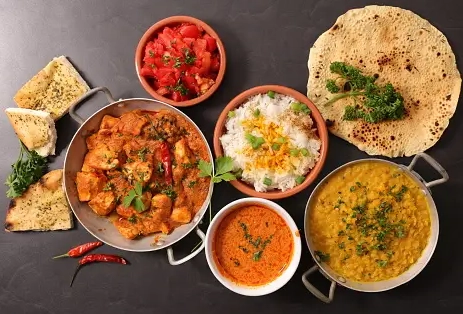
Understanding Heat in Indian Cuisine
Indian food isn't just about throwing in random spices. Heat comes from two main sources: spices like black pepper and chili peppers like cayenne. Many people confuse these, but they work differently. Spices add warmth and complexity, while peppers deliver that straight-up burn. A report from the International Pepper Community notes that capsaicin in peppers is what triggers the heat sensation, but in Indian cooking, it's often balanced with other flavors like turmeric or coriander.
I think a big mistake is assuming all heat is the same. For example, adding garam masala late in cooking can give a subtle warmth, but if you want intense spiciness, you need to focus on specific ingredients. Let's break it down.
The Role of Spices vs. Peppers
Spices like black pepper or dried red chilies provide a lingering heat, while fresh peppers like green chilies offer a sharper punch. In South Indian dishes, you'll often see both used together. From my experience, using whole spices toasted in oil releases more heat than pre-ground powders, which can lose potency over time.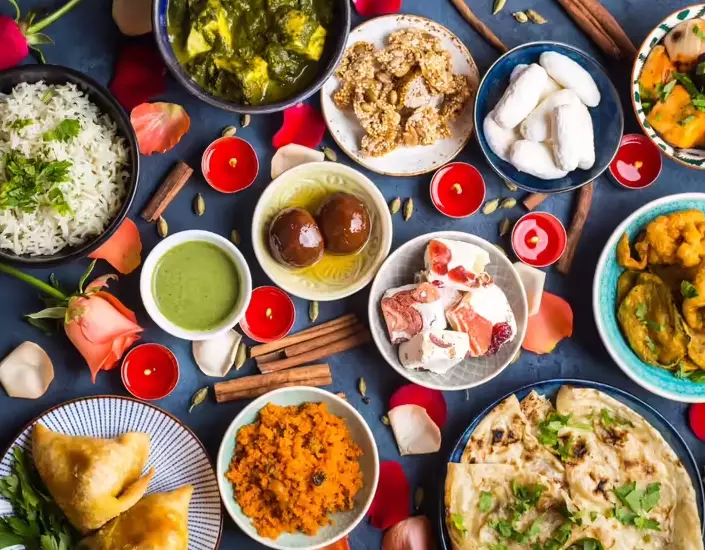
Top Ingredients to Add Heat
Here are the best items to ramp up spiciness in your Indian food. I've ranked them based on effectiveness and ease of use.
| Ingredient | Heat Level (Scoville Units) | Best Used In | How to Add |
|---|---|---|---|
| Cayenne Pepper | 30,000–50,000 | Curries, marinades | Sprinkle during cooking or as garnish |
| Ghost Pepper (Bhut Jolokia) | 1,000,000+ | Extreme heat dishes, chutneys | Use sparingly, blend into pastes |
| Green Chilies | 5,000–10,000 | Fresh salads, raitas, tadka | Chop finely and add at the end |
| Red Chili Powder | Varies by type | Gravies, dals, spice mixes | Cook in oil to release flavor |
| Black Pepper | 10,000–30,000 | Meat dishes, soups | Grind fresh and add early |
Ghost peppers are trendy right now, but they're not for the faint-hearted. I tried adding a tiny piece to a curry once, and it overwhelmed everything. Start small. Cayenne is more reliable for everyday cooking. Also, don't forget about dried red chilies—soaking them in water before blending into a paste can intensify the heat without bitterness.
Another underrated option is using chili oil. Drizzle it over finished dishes like biryani for an instant boost. I learned this from a street vendor in Delhi who kept a bottle of homemade chili oil on his cart.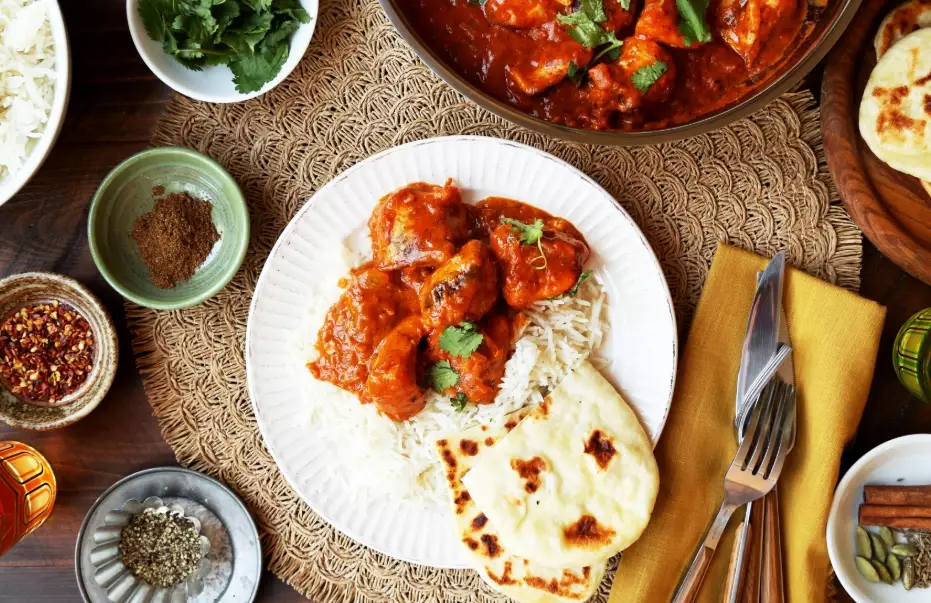
How to Incorporate Spiciness Correctly
Adding heat isn't just about what you use, but how you use it. Timing and method matter a lot.
Timing Matters: When to Add Heat
If you add chili powder too early, it can burn and turn bitter. For most Indian curries, add ground spices like red chili powder after the onions are cooked but before adding liquids. Fresh chilies, though, can go in later to preserve their crisp heat. I often add sliced green chilies in the last 5 minutes of cooking for a bright kick.
Here's a tip: toast whole dried chilies in hot oil for 30 seconds before adding other ingredients. This infuses the oil with heat, spreading it evenly through the dish. It's a trick I picked up from a home cook in Kerala.
Balancing Heat with Other Flavors
Spiciness should complement, not dominate. Add a pinch of sugar or a squeeze of lemon to balance the heat. Contrary to what some say, sugar doesn't reduce spiciness; it enhances it by rounding out the flavors. Yogurt or coconut milk can also cool things down if you've gone overboard.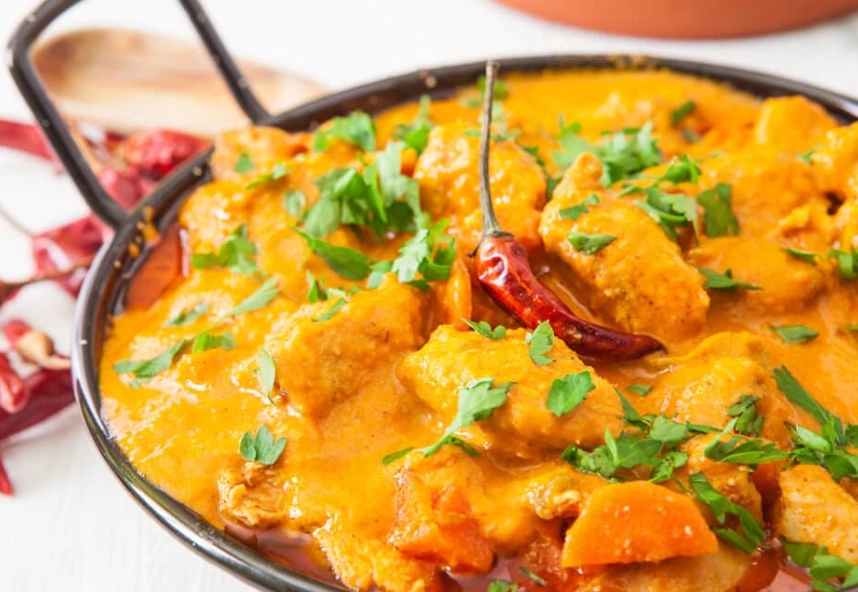
Common Mistakes and How to Avoid Them
I've seen cooks ruin dishes by making these errors. Let's go through them.
Using stale spices: Ground chili powder loses potency after a few months. Store it in a cool, dark place or buy whole chilies and grind them fresh. I once used old paprika thinking it was hot, and the curry tasted bland.
Adding all heat at once: Layer it. Start with a base of black pepper, then add chili powder, and finish with fresh chilies. This builds complexity.
Ignoring regional variations: North Indian dishes often use milder spices, while South Indian cuisine favors fierier peppers. Research your recipe—for instance, a Chettinad curry from Tamil Nadu typically includes lots of black pepper and dried red chilies.
Another mistake is not considering your audience. If you're cooking for kids or spice-sensitive folks, serve heat on the side with chili flakes or hot sauce.
Case Study: Rescuing a Bland Curry
Let's say you made a chicken tikka masala, and it's lacking heat. Here's a step-by-step fix based on a real scenario I encountered.
First, identify the issue. Is it just mild, or does it taste off? If it's mild, don't panic. Heat a tablespoon of oil in a small pan. Add a teaspoon of cumin seeds and two dried red chilies. Let them sizzle for a minute until fragrant. Then, pour this tadka (tempering) over the curry and stir well. This adds instant heat and aroma.
If that's not enough, mix a paste of two green chilies, a garlic clove, and a bit of water. Blend until smooth and stir it into the curry. Simmer for 5 minutes. The fresh chilies will integrate without making the curry bitter.
I did this for a friend's dinner party last month, and everyone raved about the spiciness. The key is to adjust slowly and taste after each addition.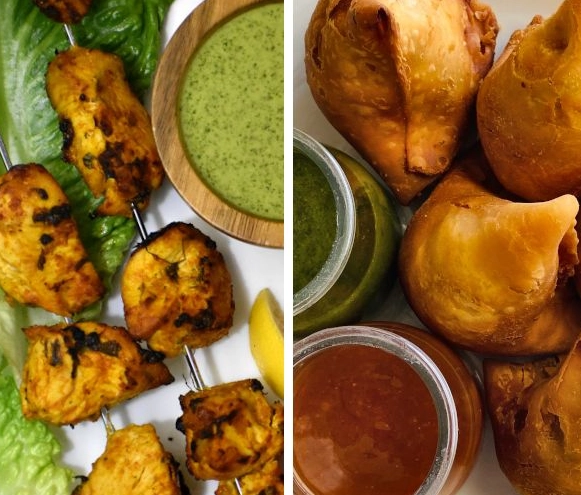
Frequently Asked Questions
Making Indian food spicier is an art that blends ingredients, timing, and personal taste. Don't be afraid to experiment—start with the basics like cayenne or green chilies, and work your way up to ghost peppers if you dare. Remember, the goal is to enhance the dish, not overpower it. Keep these tips in mind, and you'll master the heat in no time.
Discussion