Let's clear something up right away. The idea that all Indian food is blisteringly hot is one of the biggest misconceptions in home cooking. I learned this the hard way years ago, serving a "simple" curry to friends that left everyone reaching for water. The truth is, Indian cuisine is built on layers of aromatic spices, not just chili heat. A mild Indian dinner can be deeply flavorful, comforting, and absolutely perfect for a family weeknight meal. If you've been hesitant to cook Indian food at home because you or your kids can't handle spice, this guide is for you. We're diving into the gentle, creamy, and richly spiced side of Indian cooking that delivers on taste without bringing the heat.
Your Quick Guide to a Mild Indian Dinner
The Real Secret to Mild Indian Flavor
Think of Indian spices as a team. Chili powder is the loud, aggressive player. For a mild meal, you simply bench that player and let the other stars shine. 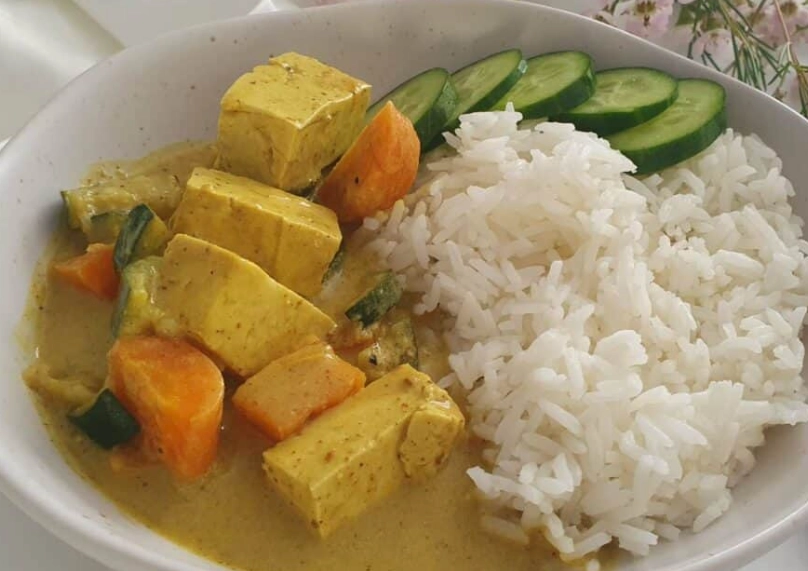 The core flavor builders in gentle Indian food are:
- Cumin: Earthy and warm, the foundation of countless dishes.
- Coriander: Citrusy and sweet, it balances richer elements.
- Turmeric: Provides earthy depth and that iconic golden color.
- Garam Masala: A warming blend of cinnamon, cardamom, cloves—think warmth, not heat.
- Fenugreek Leaves (Kasuri Methi): A slightly bitter, maple-scented herb that adds incredible complexity.
The goal isn't to make bland food. It's to create a symphony where you can actually hear the individual instruments—the sweetness of onions cooked slowly, the fragrance of toasted cumin seeds, the creaminess of yogurt or coconut milk.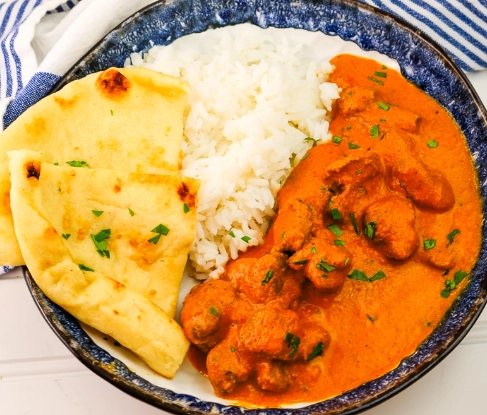
5 Can't-Miss Mild Indian Dishes for Beginners
These dishes are classics for a reason. They are inherently designed to be rich, creamy, and aromatic, with heat being an optional add-on.
1. Butter Chicken (Murgh Makhani) - The Ultimate Gateway Dish
This is where most people start, and for good reason. The sauce is a velvety blend of tomatoes, cream, butter, and cashews, spiced with garam masala, cumin, and coriander. The chicken is marinated in yogurt and spices, which tenderizes it and adds flavor without heat. The key to a great mild version? Skip the cayenne or red chili powder entirely. Rely on the garam masala and a bit of Kashmiri red chili powder (which is very mild and used mostly for color) or sweet paprika. Serve with fluffy basmati rice or warm naan to scoop up every bit of sauce.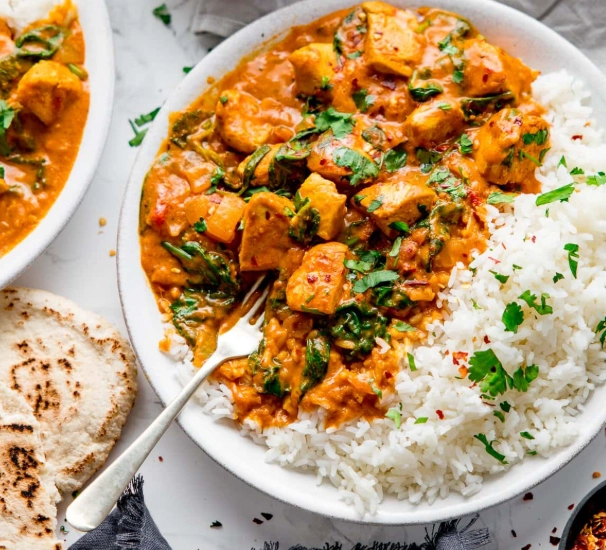
2. Palak Paneer - Creamy Spinach & Cheese
A vibrant green curry that's packed with nutrients and mild flavor. Fresh spinach is blanched, pureed, and cooked with onions, garlic, ginger, and a touch of cream. The star is paneer, a mild Indian cheese that doesn't melt, providing soft, creamy cubes throughout. The only potential heat source here is a green chili, which you can easily omit. The flavor comes from the spinach itself and a tempering of cumin seeds and garlic ghee at the end.
Dal Makhani is another winner. Black lentils and kidney beans simmered for hours with tomatoes, butter, and cream. It's all about depth and comfort. Chana Masala, or chickpea curry, can be made very mild by focusing on the tangy amchur (mango powder) and robust coriander-cumin base instead of chilies. For a quick fix, Jeera Rice (cumin rice) and Raita (yogurt with cucumber and mint) are perfect, cooling side dishes that round out any meal.
How to Build Flavor Without Chili Heat?
This is the practical core. Follow this sequence for any curry or gravy-based dish.
Step 1: The Foundation (The "Tadka" or "Bhuno")
Heat oil or ghee. Add whole spices like cumin seeds, mustard seeds, or a cinnamon stick. Let them sizzle for 30 seconds until fragrant. This step infuses the oil. Then add finely chopped onions and cook them slowly, on medium-low heat, until they are deeply golden brown and sweet. This can take 15-20 minutes. Rushing this is the number one reason home-cooked curries taste flat.
Step 2: The Aromatic Paste
Add grated ginger and minced garlic. Cook for a minute until the raw smell disappears. Then add your ground spices: coriander, cumin, turmeric. The trick? Add a tablespoon of water or tomato paste to the pan with the spices and cook for 2-3 minutes, stirring constantly. This "cooks" the raw taste out of the ground spices and unlocks their full aroma. This is the step most online recipes gloss over.
Step 3: The Body & Creaminess
Add your main ingredient (chicken, veggies, lentils) and liquid (tomatoes, stock, water). Simmer until cooked. For creaminess and to mellow any sharp flavors, finish with a swirl of heavy cream, full-fat yogurt, coconut milk, or a paste of soaked cashews. A small knob of butter stirred in at the end adds a restaurant-style richness.
| Chili Substitute | What It Adds | Best Used In |
|---|---|---|
| Sweet Paprika | Rich red color, slight sweetness | Butter chicken, tandoori marinades |
| Bell Pepper (fine dice) | Texture, subtle sweetness | Where green chilies are used fresh |
| Black Pepper | Gentle, warming heat (not burn) | Finish for dals, vegetable dishes |
| Roasted Cumin Powder | Nutty, smoky depth | Raitas, finishing sprinkle on curries |
Your 45-Minute Weeknight Mild Indian Dinner Plan
Tuesday night, 6 PM. You're hungry. Here's a realistic plan.
Main: Quick Chickpea & Spinach Curry. Sauté an onion, add ginger-garlic, 2 tsp coriander, 1 tsp cumin, ½ tsp turmeric. Add a can of chickpeas, a cup of water, and a handful of spinach. Simmer 10 minutes. Finish with a splash of cream.
Side: "Cheat's" Jeera Rice. Cook basmati rice. In a small pan, heat ghee, fry 1 tsp cumin seeds until they pop, mix into the cooked rice.
Condiment: 5-Minute Raita. Mix Greek yogurt with grated cucumber, salt, and dried mint.
It's balanced, flavorful, and on the table fast. The cream and yogurt ensure it's mild, while the toasted cumin in the rice and the fresh raita provide contrasting textures and cooling effects.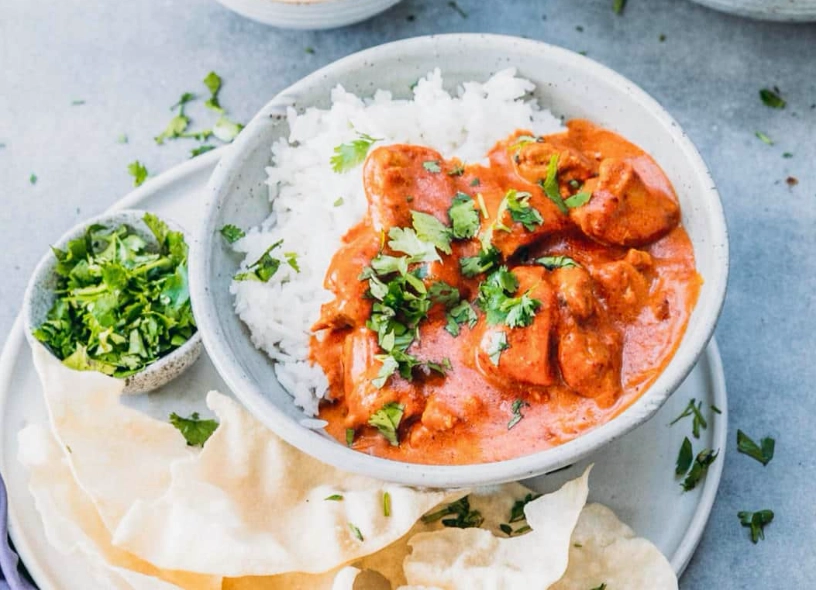
The One Spice Mistake Everyone Makes
I see it all the time. People buy a jar of "curry powder" or a pre-mixed garam masala, use it once, and their dish tastes bitter or off. The problem is age. Pre-ground spices lose their volatile oils—their soul—within months. That dusty jar in the back of your cupboard from two years ago is dead weight.
Invest in whole cumin seeds, coriander seeds, and a small piece of cinnamon. Toast them lightly in a dry pan for a minute until fragrant, then grind them in a cheap coffee grinder (dedicated to spices). The difference is night and day. Your kitchen will smell incredible, and your mild curries will have a warmth and fragrance you didn't know was possible. If you must buy ground, purchase from a store with high turnover and in small quantities. The USDA doesn't regulate spice freshness, so it's on you to check.
Another subtle error? Adding dried herbs like kasuri methi (fenugreek leaves) at the beginning of cooking. They turn bitter. Crush them between your palms and sprinkle them in during the last 2 minutes of cooking.
Your Mild Indian Cooking Questions Answered
The journey to a great mild Indian dinner is about shifting your focus. It's not about subtraction, but about highlighting a different set of flavors already present in the cuisine. It's about the sweetness of slowly caramelized onions, the earthy warmth of toasted cumin, and the comforting richness of cream and butter. Grab some fresh spices, bench the chili powder, and give one of these recipes a try tonight. You might just find your new favorite family meal.
Discussion