Let's be honest, when most people think of North Indian food, images of butter chicken and lamb kebabs dominate. But here's the truth that often gets buried: the vegetarian repertoire of North India is arguably richer, more diverse, and more deeply rooted in daily life. From the smoky, charred flavors of a tandoori paneer to the comforting hug of a dal makhani, this cuisine turns vegetables, lentils, and dairy into culinary art. I've spent years exploring dhabas (highway eateries), fine-dining spots, and home kitchens from Punjab to Delhi, and the sheer variety is staggering. This isn't just a list; it's a roadmap to experiencing the soul of North India, one incredible vegetarian dish at a time.
Your Quick Guide to North Indian Veg Delights
- What are the absolute must-try North Indian vegetarian dishes?
- Where can you find the best North Indian vegetarian food?
- What are the secrets to cooking authentic North Indian vegetarian food at home?
- How to navigate a North Indian vegetarian menu like a pro?
- Your North Indian Vegetarian Food Questions, Answered
What are the absolute must-try North Indian vegetarian dishes?
Categorizing them is the only way to make sense of the abundance. Think in terms of texture and pairing. You have your breads for scooping, your rich and creamy curries, your drier sautés, your fried snacks, and your decadent finishes.
| Category | Dish Name | Key Ingredients & Description | Best Paired With |
|---|---|---|---|
| Breads (Roti/Naans) | Garlic Naan, Lachha Paratha, Amritsari Kulcha | Leavened flatbreads cooked in a tandoor. Kulcha is stuffed (often with potato). | Any creamy curry like Paneer Makhani or Dal Makhani. |
| Signature Main Courses | Paneer Butter Masala, Malai Kofta, Dal Makhani, Rajma Masala | The heavy-hitters. Creamy, tomato-based gravies with paneer (cottage cheese), fried veggie balls, or slow-cooked lentils/kidney beans. | Plain Naan, Jeera Rice, or a simple Tandoori Roti. |
| Dry & Sautéed Dishes | Aloo Gobi, Bhindi Masala, Paneer Tikka | Vegetables (potato & cauliflower, okra) or paneer cubes cooked with spices until tender but not saucy. | Phulka (thin whole wheat roti) or as a side with dal and rice. |
| Street Food & Snacks | Chole Bhature, Aloo Tikki, Samosa, Dahi Bhalla | Fried, spiced, and utterly irresistible. Chickpea curry with fried bread, potato patties, stuffed pastry, lentil dumplings in yogurt. | Mint chutney, tamarind chutney, and a cup of masala chai. |
| Desserts | Gajar ka Halwa, Gulab Jamun, Rasmalai | Carrot pudding, milk-solid dumplings in syrup, and soft cheese patties in sweetened, flavored milk. | Best enjoyed on their own, often after a meal. |
A common mistake is to order all gravy-based dishes. The magic is in the contrast. Pair a wet, creamy Paneer Butter Masala with a dry, charred Bhindi Masala (okra). The okra cuts through the richness perfectly. And don't sleep on the dals. Dal Makhani (black lentils simmered for hours with butter and cream) isn't a side dish; it's a main event. I've seen entire meals revolve around it.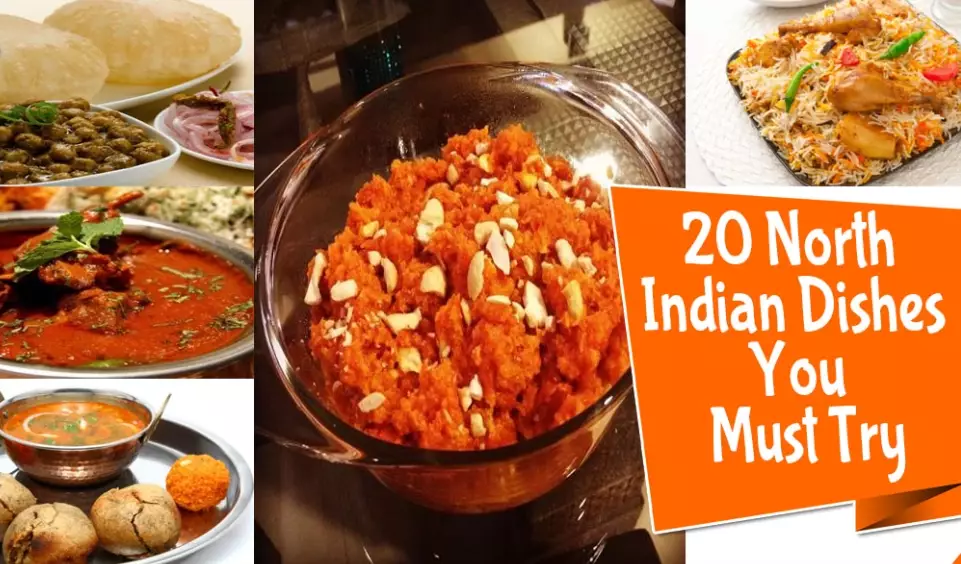
Where can you find the best North Indian vegetarian food?
Location dictates authenticity. The best Chole Bhature is in Delhi, the best Sarson ka Saag is in Punjab during winter, and the best Dal Makhani is often found in unassuming dhabas. Here are specific spots that have stood the test of time.
Iconic Restaurants & Dhabas You Should Know
1. For the Ultimate Punjabi Experience: Kesar Da Dhaba, Amritsar
Address: Chowk Passian, Near Town Hall, Amritsar, Punjab 143001.
You haven't lived until you've eaten here. It's chaotic, crowded, and perfect. Their Dal Makhani and Parathas are legendary. The dal simmers for over 12 hours. It's not fancy, just profoundly good food. A full meal for two will cost around 600-800 INR ($7-10). Open from 12:00 PM to 11:00 PM. Don't expect a quiet ambiance, expect an experience.
2. The Delhi Street Food King: Sita Ram Diwan Chand, Paharganj, Delhi
Address: 224, Rani Jhansi Road, Paharganj, New Delhi, 110055.
This is a pilgrimage site for Chole Bhature lovers. The bhature (fried bread) are fluffy giants, and the chole (chickpea curry) is spicy and tangy. It's a no-frills, standing-only joint. A plate costs about 120 INR ($1.5). Open 8:00 AM to 6:00 PM. Go early, they often sell out.
3. Fine-Dining Vegetarian: Saravana Bhavan, Multiple Locations (Global)
While originally South Indian, their North Indian offerings, especially the Paneer Tikka Masala and North Indian Thali, are consistently excellent. It's a great, reliable option if you're new to the cuisine and want a clean, air-conditioned environment. Prices are moderate.
My personal, slightly controversial take? Some of the best North Indian vegetarian food in Mumbai comes from restaurants run by Punjabi families who migrated decades ago. The flavors have adapted slightly, but the heart remains.
What are the secrets to cooking authentic North Indian vegetarian food at home?
Everyone talks about the spices, but the real secret is technique. I've ruined enough pans of paneer to know.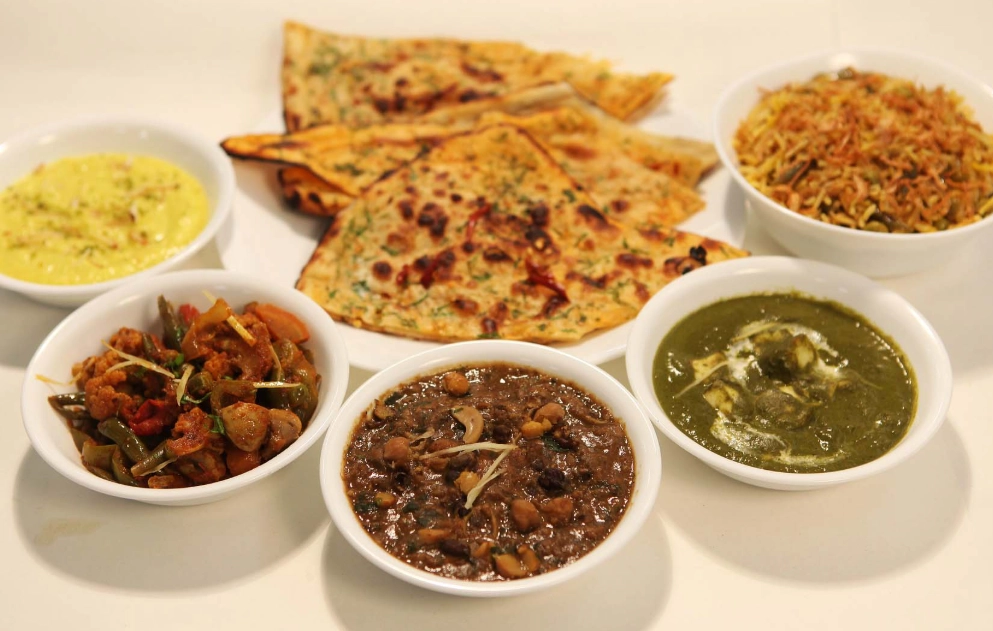
The "Bhuno" is Everything. This is the step where you cook the onion-tomato-ginger-garlic paste in oil until the oil separates. It's not just "cooking until soft." You need to see tiny droplets of oil pooling around the edges of the masala paste. This deep frying of the spices removes the raw taste and builds a complex, layered base. Rushing this step gives you a curry that tastes bland and one-dimensional.
Treat Your Paneer Right. Store-bought paneer is often rubbery. Soak it in hot, salted water for 15-20 minutes before using. It becomes incredibly soft and absorbs the gravy better. And for dishes like Paneer Tikka, use full-fat yogurt in the marinade and a screaming hot oven or grill. The char is non-negotiable.
The Magic of Kasuri Methi & Cream. Finish your creamy curries with a crushed handful of dried fenugreek leaves (kasuri methi) and a dollop of fresh cream or, even better, a bit of malai (clotted cream). Stir it in off the heat. The fenugreek adds a subtle bitterness that balances the sweetness of tomatoes and cream.
For reliable, tested recipes, I always cross-reference with sites like BBC Good Food or the YouTube channel "Your Food Lab." They get the fundamentals right.
How to navigate a North Indian vegetarian menu like a pro?
Menus can be overwhelming. Here's a quick decoder.
By Gravy Type:
- Makhani/Butter: Rich, tomato-based, with butter and cream. Smooth texture. (e.g., Paneer Makhani).
- Kadai: Cooked in a wok, drier, with chunks of capsicum and onions. Smokier flavor.
- Shahi: Truly royal. Often involves nuts (cashew, almond) ground into the gravy for extra richness.
- Tikka/Masala: Tikka usually means marinated and grilled/baked pieces in a gravy. Masala is a generic term for spiced gravy.
Build a Balanced Meal:
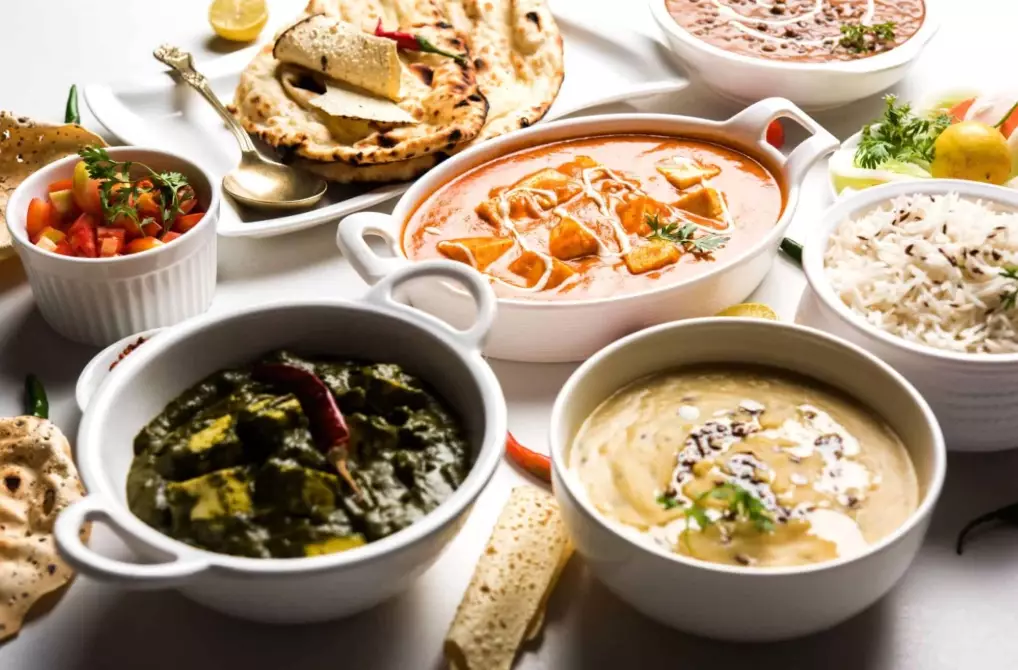
One creamy curry (Dal Makhani) + One dry vegetable (Aloo Gobi) + One bread (Lachha Paratha) + One rice (Jeera Rice) + Raita (yogurt side). That's a feast for two.
Don't forget the accompaniments. A good onion salad (sliced onions with lemon and chili) and pickle (aachar) are essential palate cleansers. They add crunch and acidity that resets your taste buds between rich bites.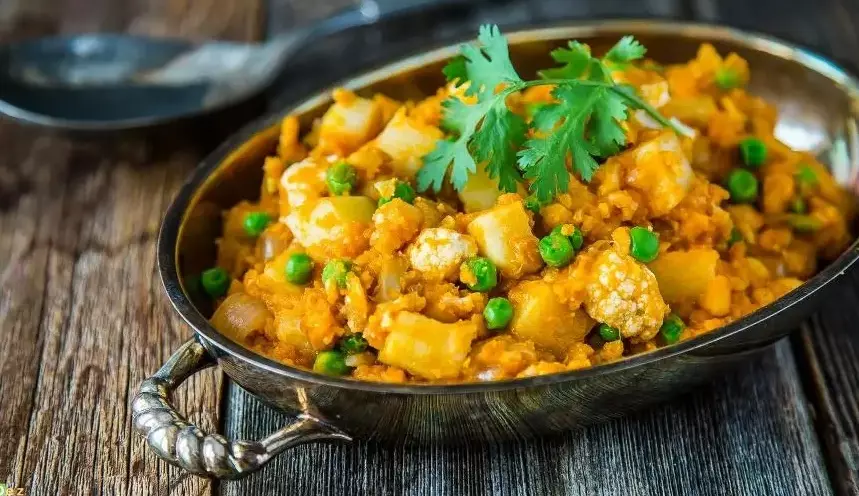
Your North Indian Vegetarian Food Questions, Answered
 How do I handle the spice level? I love flavor but can't handle too much heat.
Discussion