Forget the fancy restaurants. If you want to taste the real soul of India, you need to hit the streets. The chaos, the sizzle of the tawa (griddle), the clouds of aromatic spices—it’s a full sensory experience. But with thousands of options, where do you start? Having eaten my way from Delhi's lanes to Mumbai's beaches, I've narrowed it down to the absolute must-try classics. This isn't just a list; it's your roadmap to the best Indian street food experiences, complete with what to expect, where to look, and how much to pay.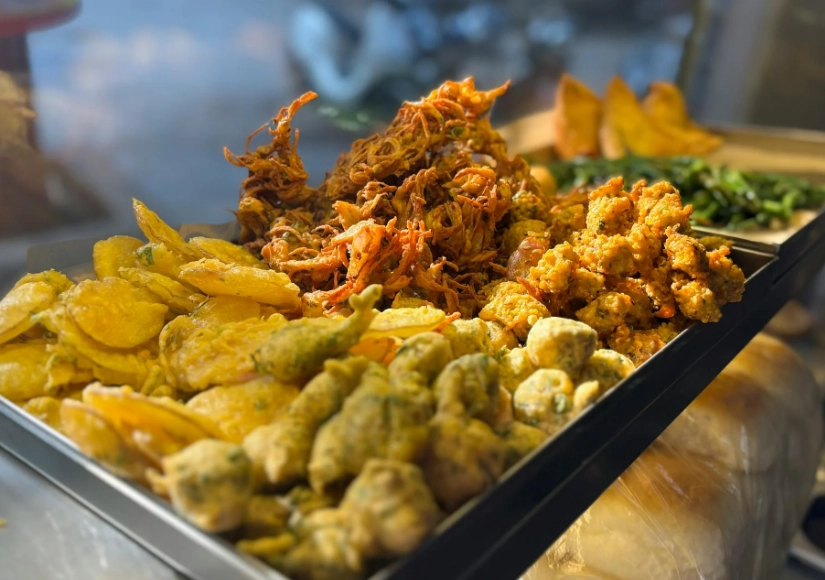
Your Street Food Roadmap
The Ultimate Top 10 List
Here’s the lineup. I’ve ranked these based on iconic status, flavor complexity, and sheer availability. You'll find most of these anywhere in the country, with delightful regional twists.
| Rank & Name | What It Is | Key Flavor Profile | Typical Price |
|---|---|---|---|
| 1. Pani Puri / Golgappa | A hollow, crispy puri filled with spiced potato/chickpeas and dunked in flavored water (pani). | Explosive, tangy, spicy, sweet, crunchy. | ₹30-50 for 5-6 pieces |
| 2. Vada Pav | Mumbai's burger. A deep-fried potato patty (vada) in a bun (pav) with chutneys. | Spicy, garlicky, hearty, crispy-soft. | ₹15-30 |
| 3. Chole Bhature | A hearty plate of spicy chickpea curry (chole) with deep-fried, fluffy bread (bhature). | Robust, tangy, slightly sweet, indulgent. | ₹80-150 |
| 4. Samosa | Golden, crispy pastry pyramid stuffed with spiced potatoes and peas. | Savory, peppery, earthy, crispy. | ₹10-25 each |
| 5. Pav Bhaji | A buttery mash of mixed vegetables (bhaji) served with soft dinner rolls (pav). | Buttery, spicy, tangy, umami-rich. | ₹60-120 |
| 6. Kathi Roll | Spiced meat or paneer wrapped in a paratha (flatbread) with onions and chutney. | Smoky, spicy, juicy, satisfying. | ₹80-180 |
| 7. Bhel Puri | A crunchy, savory-sweet salad of puffed rice, sev, veggies, and tamarind chutney. | Crunchy, tangy, sweet, savory, fresh. | ₹40-80 |
| 8. Dosa | A giant, crispy fermented crepe made from rice and lentils, often served with sambar and chutney. | Tangy (from fermentation), crispy, savory. | ₹50-120 (plain) |
| 9. Jalebi | Bright orange, coiled batter deep-fried and soaked in sugar syrup. Served hot. | Intensely sweet, crispy, syrupy. | ₹50-100 per 100g |
| 10. Masala Chai | Not a food, but the essential drink. Tea brewed with milk, ginger, cardamom, and other spices. | Warming, spicy, creamy, aromatic. | ₹10-20 per cup |
Deep Dive: The Top Contenders
Top 1: Pani Puri. This is the king. The experience is everything. You stand at the stall, the vendor makes a small hole in a puri, stuffs it, dips it in a pot of mint-coriander water or tamarind water, and hands it to you. You have to eat it in one bite. The crunch, followed by the flood of spicy, tangy, sweet water is unreal. Pro tip: Don't ask for less spice on your first one. The balance is key. In Delhi, it's often called Golgappa and the water is sweeter. In Mumbai and Kolkata, it's Pani Puri with a tangier kick. Find it everywhere, but iconic spots include any stall outside Mumbai's Chowpatty Beach or Delhi's Bengali Market.
Top 2: Vada Pav. Mumbai's lifeline. It’s deceptively simple. The magic is in the dry garlic chutney and the fried green chili served on the side. The best ones use a slightly sweet, orange-colored bread. It’s messy, it’s glorious, and for under 30 rupees, it’s the best value meal on the planet. Look for stalls with a constant fryer going. Ashok Vada Pav near Dadar station is legendary, but you'll find a great version on almost every street corner in the city.
Top 3: Chole Bhature. This is weekend breakfast or a heavy lunch. The bhature should be airy and blistered, the chole deeply spiced with a hint of tang from dried mango powder (amchur). It’s a plate of pure comfort. In Delhi, head to Sita Ram Diwan Chand in Paharganj for a classic, no-frills version. A full plate costs around ₹120 and will keep you full for hours.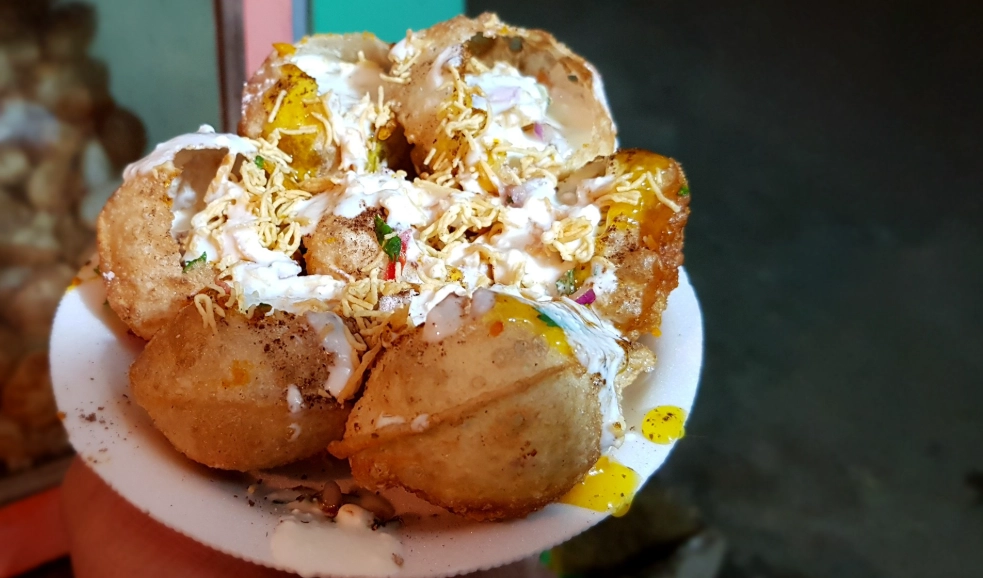
A Personal Note on Spice: Many first-timers panic about spice levels. Here’s the secret: the heat in most Indian street food comes from fresh green chilies or chili powder, not from complex spice blends. It’s a sharp, upfront heat that fades. If you’re nervous, have a sweet lassi (yogurt drink) or dahi (plain yogurt) ready. It’s the perfect coolant.
How to Navigate Indian Street Food Like a Pro
Seeing a crowded street food lane can be overwhelming. Let’s break down the strategy.
Finding the Good Stalls
A long queue is the best review. But look for a queue of locals, not tourists. Observe the vendor. Do they use separate utensils for money and food? Is there a steady stream of fresh ingredients going into the pot? Is the frying oil relatively clear? These are good signs. Don’t be shy to point at what someone else is eating and say “I’ll have that.”
The Order of Operations
Don’t dive straight into the chaat (items with wet chutneys). Start with something fried and self-contained like a Samosa or Pakora. Then move to dry chaats like Bhel Puri. Once your stomach is acclimated, go for the Pani Puri and Dahi Puri. Always finish your meal with a hot Jalebi or Gulab Jamun, never before. The sugar syrup cuts through the spice perfectly.
Location, Location, Location
While you can find everything in big cities, some places are meccas for specific foods. Mumbai is for Vada Pav, Pav Bhaji, and seafood stalls. Delhi rules for Chole Bhature, Parathas, and meaty kebabs. Kolkata has its own unique world of rolls, Mughlai parathas, and sweets. In the south, follow the scent of Dosa and filter coffee. For a deep dive into regional culinary maps, resources like the BBC's food travel guides often capture this well.
One mistake I made for years? Avoiding the carts near offices and colleges, thinking they'd be bland. Wrong. They cater to a daily, discerning local crowd and are often the most consistent and innovative.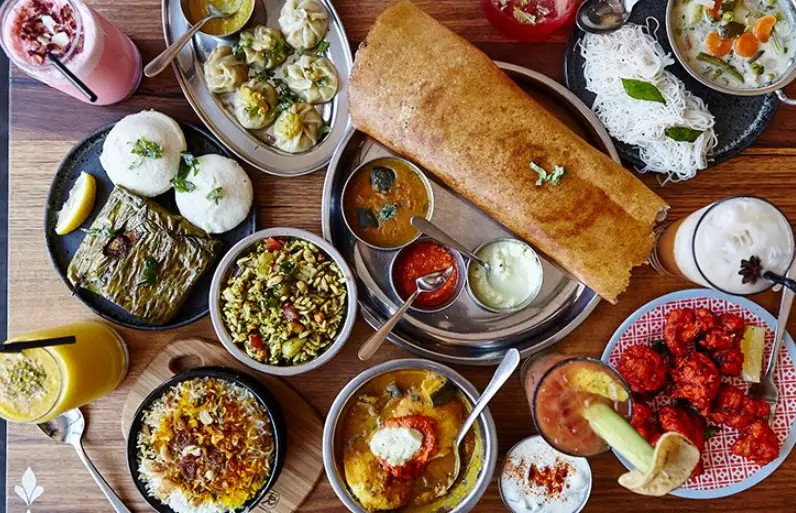
Your Questions, Answered
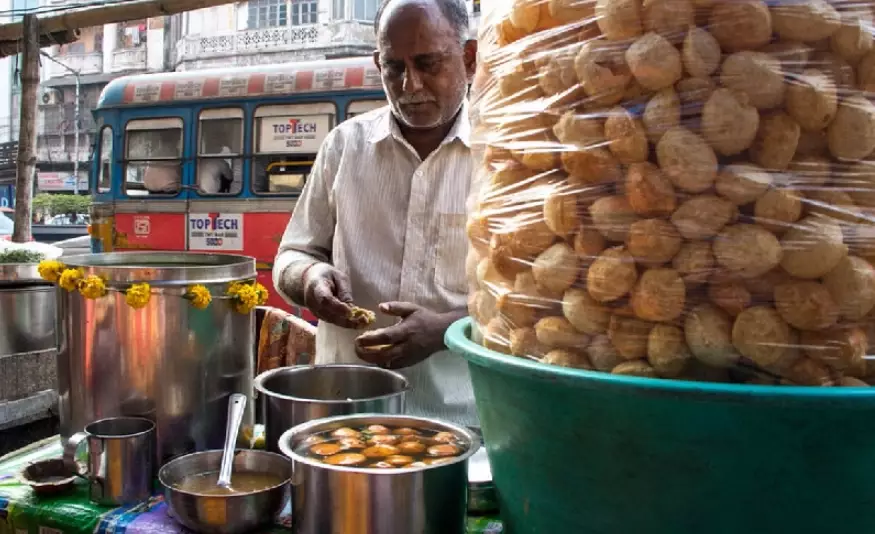 So there you have it. Ten unforgettable tastes and the know-how to find them. The real joy of Indian street food isn't just in the eating—it's in the hunt, the interaction, and the burst of flavors you never knew could combine. Grab some tissues (it might get messy), some small change, and just start walking. Your next favorite meal is waiting around the next corner.
Discussion