Let's be honest. The thought of cooking a multi-course South Indian meal for guests can send even a confident home cook into a mild panic. Too many dishes, too many spices, everything needs to be hot at the right time. I've been there. The first time I tried, my rasam was lukewarm, my rice was mush, and I forgot the coconut chutney entirely.
But here's the secret I learned after years of trial, error, and advice from friends' grandmothers in Chennai and Bangalore: a South Indian dinner party isn't about culinary acrobatics. It's about rhythm, balance, and most importantly, planning. It's about creating a symphony of flavors—tangy, spicy, savory, sweet, and cool—that unfolds over the course of the meal. And when you get it right, there's nothing more satisfying or impressive.
This guide isn't just a list of recipes. It's a battle-tested blueprint for a complete, authentic, and utterly delicious South Indian vegetarian feast designed for the home entertainer. We'll cover the full menu, the logic behind each dish, crucial timing tips most blogs skip, and how to adapt for different palates.
In This Article: Your Feast Roadmap
The Perfect Menu Flow: A Balanced Plan
Throwing every classic dish on the table at once is a mistake. It overwhelms the plate and the palate. A traditional South Indian meal has a progression. We'll design a menu I call the "Spice Coast Supper Club"—it's celebratory, manageable, and hits all the right notes.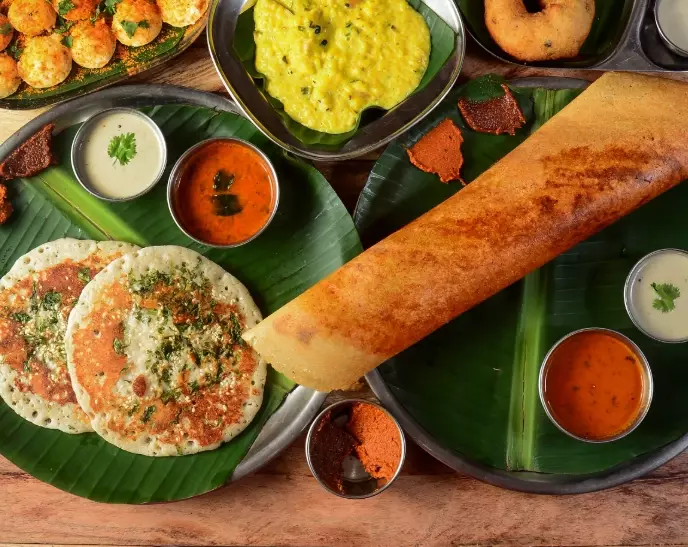
See the balance? Light to heavy, tangy to rich, dry to gravy-based. It feels abundant without being repetitive.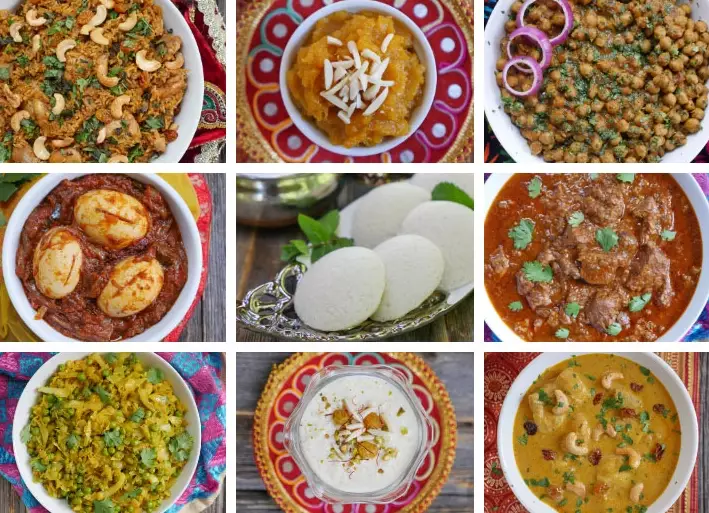
Breaking Down the Menu: What to Cook & Why
Let's get into the nitty-gritty of key dishes. I'm not giving full recipes here (there are fantastic sources like Vegan Richa or Cook with Manali for that), but I'll tell you the why and the how-to-not-mess-it-up.
Lemon Rice vs. Curd Rice: The Dynamic Duo
These two rice dishes are the heart of the meal. Lemon rice is all about tempering. You toast mustard seeds, chana dal, urad dal, peanuts, curry leaves, and dried red chilies in oil. You mix this into pre-cooked, cooled rice with turmeric and lots of lemon juice. The trick? The rice must be dry and separate. Use day-old rice or spread freshly cooked rice on a tray to steam off.
Curd rice is the soothing counterpart. Cook rice a little softer. Mash it slightly when warm, then mix with thick, whole-milk yogurt. The tempering here is simpler—mustard seeds, ginger, green chili, and curry leaves in oil or ghee. Some add grated cucumber or pomegranate seeds. Serve it cool, not ice-cold. It's the digestive aid everyone will thank you for later.
Sambar: Getting the Depth of Flavor Right
The biggest pitfall with sambar is making it taste like a bland lentil soup. Depth comes from two things: the sambar powder and the tamarind.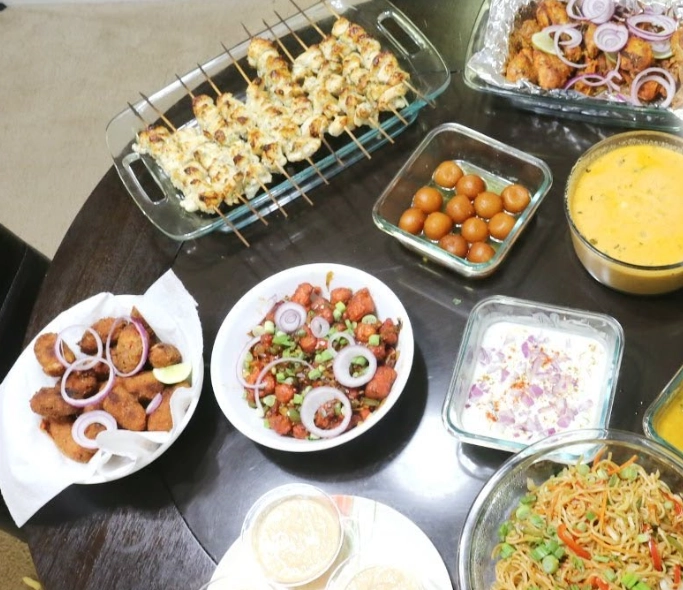
You can make your own sambar powder (toasting coriander seeds, dried red chilies, fenugreek seeds, etc.), but for a party, a good quality store-bought powder is a lifesaver. I recommend MTR or Eastern brands. Don't be shy with it.
Soak the tamarind pulp in warm water for at least 20 minutes, squeeze out the thick extract, and discard the fibers. The tang should be pronounced but not face-puckering. Cook your toor dal until completely soft, almost creamy. The vegetables (I use drumsticks, carrots, pumpkin, and pearl onions) should be tender but not disintegrated. The final tempering of mustard seeds, asafoetida, and curry leaves sizzled in ghee and poured on top? That's the aroma that fills your kitchen and announces the meal is ready.
Kesari Bath: The Showstopper Dessert
This is far easier than it looks. Roast semolina (rava/sooji) in ghee until fragrant. Carefully add hot sugar-water flavored with saffron strands and cardamom powder. Stir vigorously to avoid lumps. When it comes together, add more ghee and roasted cashews. The consistency should be soft, moist, and porridge-like, not dry or brick-like. It's rich, so small servings are perfect.
The Expert Timeline: How to Not Lose Your Mind
This is the magic. Do not attempt everything on the day of.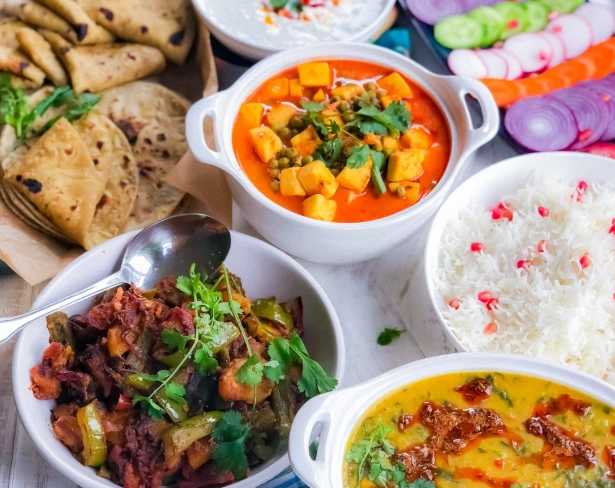
2 Days Before:
- Buy all groceries. Get fresh curry leaves, cilantro, and good quality yogurt.
- If making homemade sambar powder or rasam powder, do it now.
1 Day Before:
- Cook the rice for lemon rice and curd rice. Spread it on trays, let it cool completely, and store in the fridge. This is the single biggest time-saver.
- Make both chutneys. Coconut chutney and tomato chutney both keep beautifully for a day. Store in airtight containers.
- Prep vegetables: Chop beans, cabbage, cauliflower, potatoes. Soak tamarind for sambar.
- Make the Kesari Bath base: You can roast the semolina and nuts in ghee. Store at room temp. The final cooking with syrup takes 10 minutes before serving.
Day Of, 4 Hours Before Guests Arrive:
- Cook the toor dal for sambar. You can partially cook the vegetables in it too. Leave the final seasoning for later.
- Prepare the rasam base (boil tamarind water with tomatoes, sambar/rasam powder).
- Assemble the curd rice base (mix cooled rice with yogurt) and store in the fridge.
2 Hours Before:
- Prepare the Beans Poriyal and Cabbage Kootu. These can sit warm on low heat.
- Make the Aloo Gobi Masala.
- Prepare the temperings for lemon rice, curd rice, and raita in separate small bowls.
45 Minutes Before Serving:
- Complete the sambar: bring to a simmer, adjust seasoning, do the final hot ghee tempering.
- Complete the rasam with the final tempering.
- Fry the papads (takes 30 seconds each).
- Mix the temperings into the lemon rice and curd rice.
- Whip up the quick Kesari Bath.
Now you're not cooking, you're just assembling and warming. You can actually talk to your guests.
Essential Tips & Tricks You Won't Find Elsewhere
A few hard-earned lessons:
Ghee is your friend, but oil works too. For authentic flavor, use ghee for tempering dals and rice dishes. For a lighter touch or vegan option, coconut oil or any neutral oil works. Don't compromise on the quantity though—that tempering needs enough fat to sizzle and carry flavors.
The "Tadka" Timing: The final step for sambar, rasam, and curd rice is pouring hot oil/ghee with mustard seeds, etc., over the dish. Do this as close to serving as possible. That crackle releases the essential oils in the curry leaves and spices. It's the difference between good and great.
Serve with the right tools. Have plenty of small bowls for the chutneys, pickle, and raita. Provide spoons for serving and larger spoons for the sambar and rasam. Many people enjoy eating with their hands—it's part of the experience—so have a finger bowl (warm water with a slice of lemon) ready at each setting.
Don't fear store-bought help. Excellent quality ready-made sambar powder, tamarind concentrate (in a pinch), papads, and pickles are widely available. Use them strategically to save your energy for the dishes where fresh cooking makes the real difference, like the vegetable sides and tempering.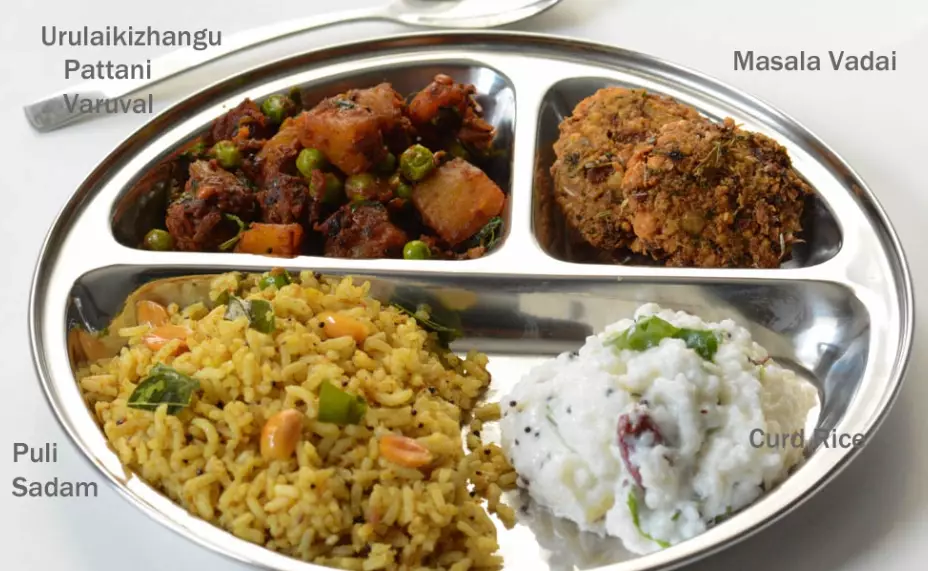
Your South Indian Dinner Party Questions, Answered
The goal isn't perfection. It's warmth, abundance, and shared joy. With this menu and plan, you're not just serving food; you're creating an experience. The layered flavors, the contrasting textures, the communal act of sharing—that's what makes a South Indian dinner party truly special. Now go on, light that stove, and get the mustard seeds crackling.
Discussion