Let's be honest. The gap between the vibrant, complex flavors at a good Indian restaurant and what often comes out of our own kitchens can feel massive. It's not just about following a recipe. It's about understanding a few core principles that transform ingredients into something memorable. Authentic Indian vegetarian recipes are a universe of flavor, built on a foundation of technique and a handful of key ingredients. This guide is here to bridge that gap. We'll move beyond vague instructions and get into the why behind the what, so you can cook with confidence, not just hope.
What's Inside This Guide?
How to Build Your Indian Spice Pantry (The Right Way)
This is where most attempts go sideways. You don't need 50 jars. You need about 10, but you need to use them correctly. The biggest mistake I see? Treating all spices the same. Whole spices, ground spices, and spice blends (masalas) play different roles.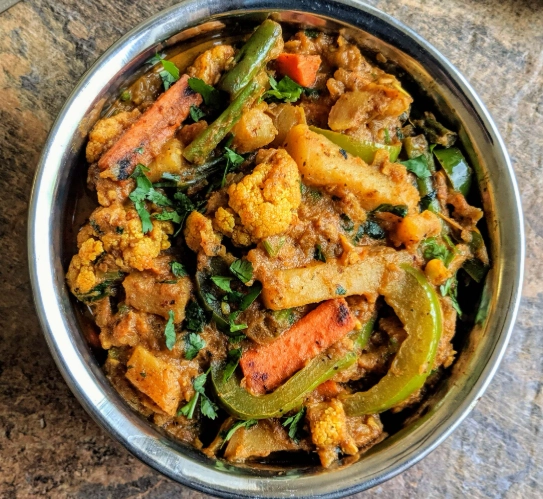
The Non-Negotiable Core Spices
Start with these. Buy them whole when possible and grind small batches. The flavor difference is night and day.
- Cumin Seeds (Jeera): The earthy, nutty backbone. Toast them lightly in oil to start most curries.
- Coriander Seeds (Dhania): Citrusy and floral. Almost always used ground, paired with cumin.
- Turmeric Powder (Haldi): For color and its earthy, slightly bitter warmth. Add it early in the cooking process.
- Red Chili Powder (Lal Mirch): Not just heat, but flavor. Kashmiri chili powder gives vibrant color with moderate heat.
- Garam Masala: A warming blend, added at the end of cooking. Don't confuse it with curry powder.
The Technique That Changes Everything: Blooming Spices (Tadka/Baghaar)
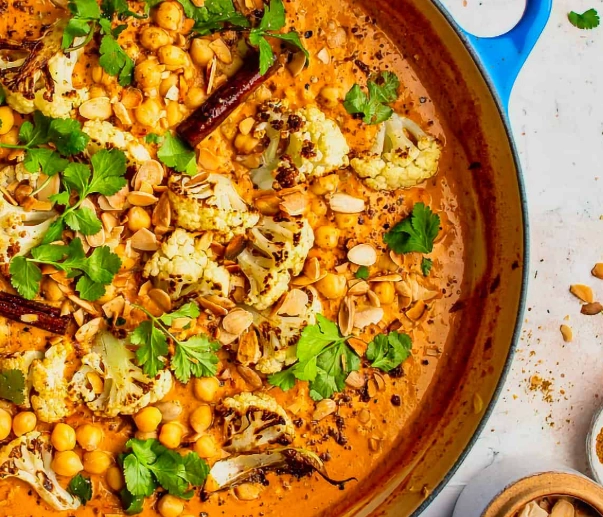
This is the secret weapon. It's not just "add spices to oil." It's about heating whole spices in hot oil or ghee until they sizzle, crackle, and release their aromatic oils into the fat. This infused fat then carries flavor through the entire dish. The order matters: cumin first, then mustard seeds, then asafoetida, then dried chilies. Get this right, and you're 70% of the way to an authentic taste.
5 Essential Authentic Indian Vegetarian Recipes to Master
Don't try to cook the entire menu at once. Master these five pillars. Each teaches a fundamental technique.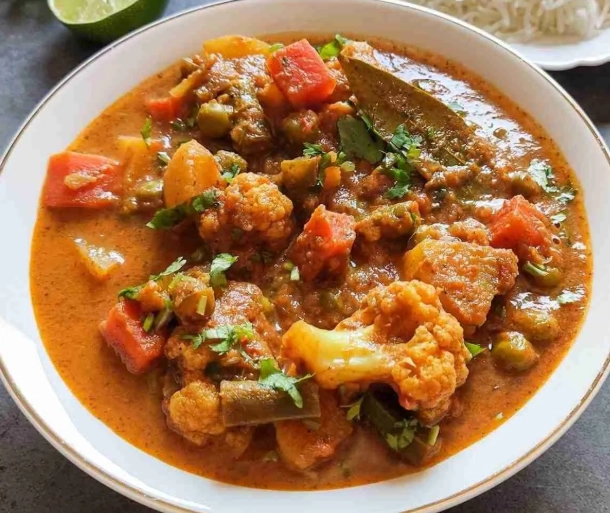
| Recipe | Core Technique | Key Flavor Profile | Perfect For |
|---|---|---|---|
| 1. Dal Tadka | Lentil stewing + finishing tadka | Comforting, savory, aromatic | Weeknight dinner with rice |
| 2. Aloo Gobi | Dry vegetable sauté (sabzi) | Spiced, earthy, slightly dry texture | Quick side dish or lunch |
| 3. Chana Masala | Simmering in a thick onion-tomato gravy | Tangy, hearty, richly spiced | A show-stopping main course |
| 4. Palak Paneer | Puréed greens with fried cheese | Creamy, vibrant, mildly spiced | Introducing greens in a delicious way |
| 5. Jeera Rice | Infusing rice with cumin | Fragrant, buttery, simple | The ideal accompaniment |
1. Dal Tadka: The Ultimate Comfort Food
This isn't just lentil soup. You cook the lentils (toor dal or masoor dal) with turmeric until soft. Separately, you prepare a tadka of ghee, cumin seeds, garlic, dried red chilies, and asafoetida. You pour this sizzling mixture over the cooked dal. The magic is in that final pour—the sound, the aroma, the instant flavor transformation. Serve with basmati rice and a wedge of lemon.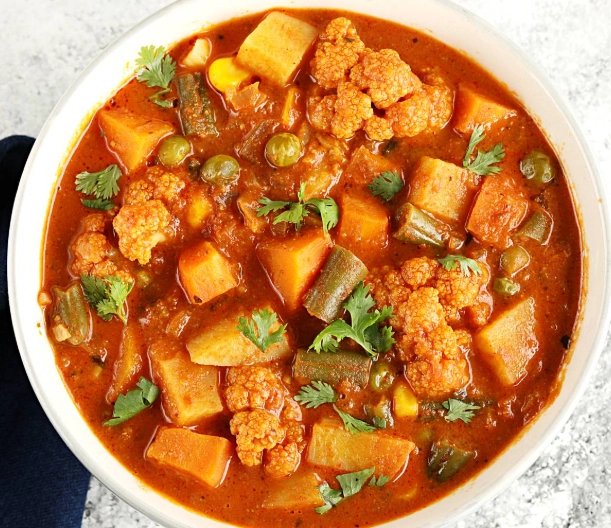
2. Chana Masala: Getting the Gravy Right
The base for many Indian curries is a onion-tomato gravy. The trick is patience. You need to cook down finely chopped or puréed onions until they are deeply golden brown and almost paste-like. This can take 15-20 minutes of stirring over medium heat. Rushing this step leaves a raw, sweet onion taste. Then add ginger-garlic paste, spices, and tomatoes, cooking until the oil separates from the mixture. Add boiled chickpeas and simmer. The tang often comes from dry mango powder (amchur) added at the end, not just tomatoes.
Where to Find Authentic Ingredients Near You & Online
You can't make authentic food with stale ingredients. Here’s how to find the good stuff.
Local Indian Grocery Stores
This is your best bet. Look for stores in ethnic neighborhoods. The spices are cheaper, fresher, and you'll find essentials like fresh curry leaves, various dals, and paneer. Don't be shy—ask the owner for recommendations. They're usually thrilled to help. For example, a store like Patel Brothers (a chain across the US) or similar local markets will have everything.
Reliable Online Retailers
If you don't have a store nearby, these are trusted sources:
- iShopIndian.com: Huge selection, reliable shipping for spices, flours, and ready-to-eat items.
- Amazon: Stick to well-reviewed brands like Everest or MDH for spice blends. Check the "packed on" date if possible.
- Local Farms/CSAs: For the freshest vegetables like okra (bhindi), bottle gourd (lauki), and Indian eggplant.
For authentic recipe research beyond blogs, I often cross-reference with trusted sources like BBC Good Food's Indian collection or the website of chef Sanjeev Kapoor, which offer tested recipes that stay true to tradition.
Answers to Your Burning Questions (FAQ)
The journey into authentic Indian vegetarian cooking is about embracing process over haste. It's in the sizzle of the tadka, the slow browning of onions, the freshness of your spices. Start with one recipe—maybe Dal Tadka—and perfect it. Get the tadka right. Notice how the flavors change. Once you have that foundation, the whole world of Indian vegetarian cuisine opens up. It's not about rigid rules, but understanding principles that let you cook with intuition. Now, go heat up some ghee.
Discussion