Jump Straight to Your Favorite Bite
Let's cut to the chase. You're here because you want to know what the five Indian appetizers are that everyone talks about. Maybe you're planning a dinner party, or just curious about Indian food beyond butter chicken. I get it—I spent years in Delhi and Mumbai, eating my way through street stalls and home kitchens, and I've seen how these starters can make or break a meal.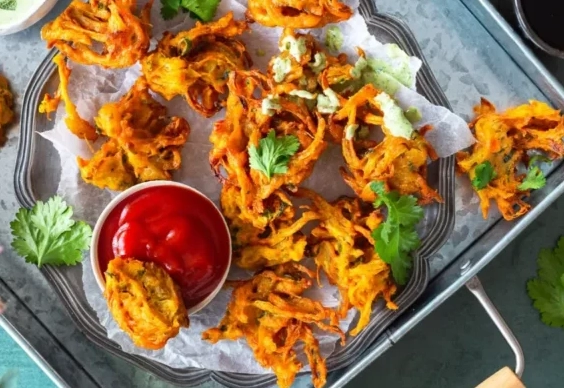
Indian appetizers aren't just snacks; they're an experience. They set the tone with bold flavors, textures, and often, a bit of drama. Forget the generic lists online. I'm diving deep into the real deal: samosas, pakoras, chaat, paneer tikka, and dahi puri. We'll cover what makes them tick, where to find the best versions (even if you're not in India), and how to avoid the pitfalls most beginners face.
Quick tip: If you're new to Indian cooking, start with pakoras. They're forgiving and use common ingredients. Samosas? They require patience—but worth it.
Samosas: The Crispy Triangle You Can't Ignore
Ask anyone about Indian appetizers, and samosas top the list. These fried pastries filled with spiced potatoes and peas are iconic. But here's something most guides skip: not all samosas are created equal. In North India, they're large and hearty; in South India, you might find smaller, meat-filled versions.
Where to Find Authentic Samosas
If you're in Delhi, head to Chandni Chowk for street vendors like "Giani's"—their samosas have a flaky crust that shatters perfectly. In Mumbai, "Cafe Madras" serves a lighter version. For a global twist, places in London like "Dishoom" have nailed the balance. But honestly, I've had mediocre samosas at fancy restaurants that charge triple the price. Street food often wins.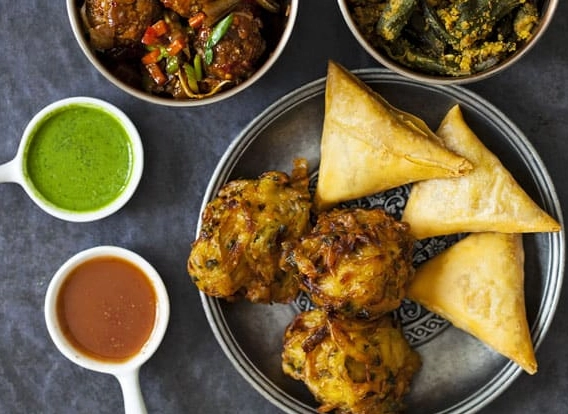
Making Samosas at Home: A Reality Check
Many recipes make it sound easy. It's not. The dough needs rest, and sealing the edges is an art. I failed my first three attempts—they burst open in the oil. Use a mix of all-purpose and whole wheat flour for durability. Fill with boiled potatoes, peas, cumin, and a hint of amchur (dry mango powder) for tang. Fry at 350°F until golden. Pro tip: don't overcrowd the pan; it drops the oil temperature and leads to soggy samosas.
Pakoras: The Crispy Veggie Fritter That's Surprisingly Versatile
Pakoras are India's answer to comfort food. Sliced vegetables dipped in chickpea flour batter and deep-fried. Simple, right? Yet, I've seen people mess them up by making the batter too thin. It should coat the veggies thickly, like a paste.
Common veggies include onions, potatoes, spinach, and cauliflower. But try adding paneer or even banana slices for a sweet-savory twist. During monsoons in India, pakora stalls pop up everywhere—it's a ritual. My favorite memory? Eating onion pakoras with mint chutney on a rainy evening in Pune, watching the streets flood.
| Vegetable | Best Seasoning | Frying Time |
|---|---|---|
| Onion | Carom seeds (ajwain) | 3-4 minutes |
| Spinach | Garlic and chili powder | 2-3 minutes |
| Cauliflower | Turmeric and coriander | 4-5 minutes |
For a healthier version, bake them at 400°F for 15 minutes. They won't be as crispy, but still tasty. A mistake: using baking powder excessively—it makes pakoras bitter. Stick to a pinch.
Chaat: The Tangy Street Food Delight That's More Than a Snack
Chaat is an umbrella term for savory snacks, but when we talk appetizers, think of dishes like aloo tikki or papdi chaat. It's all about balance: sweet, sour, spicy, and crunchy. The key components are boiled potatoes, chickpeas, yogurt, tamarind chutney, and sev (crispy noodles).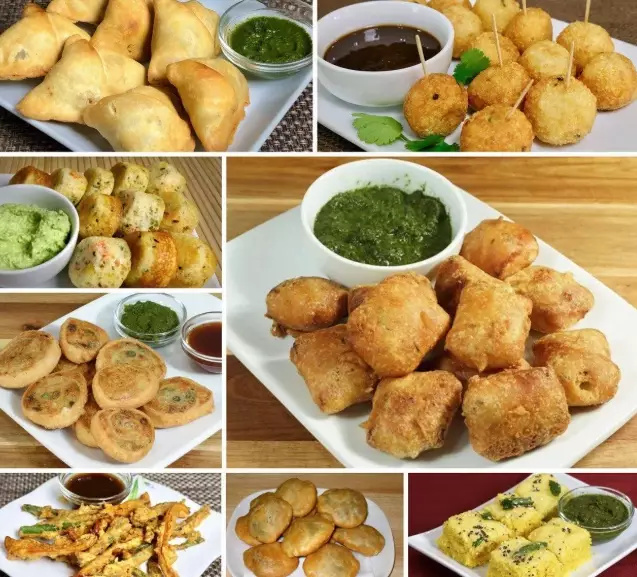
In cities like Kolkata, puchka (similar to pani puri) reigns supreme. I recall a vendor near Victoria Memorial who served them with a spicy tamarind water that made my eyes water—in a good way. If you're making chaat at home, don't skip the chutneys. Store-bought works, but homemade tamarind chutney takes 20 minutes and elevates everything.
A common error: overdressing. Too much yogurt makes it soggy. Layer ingredients carefully, and add chutneys just before serving.
Paneer Tikka: The Creamy Grilled Appetizer That Even Meat-Lovers Adore
Paneer tikka is cubes of Indian cottage cheese marinated in spiced yogurt and grilled. It's vegetarian but feels indulgent. The marinade is crucial—yogurt, ginger-garlic paste, kasuri methi (dried fenugreek), and a touch of cream. Marinate for at least 2 hours, but not overnight; paneer can turn mushy.
Where to eat? In Delhi, "Moti Mahal" is legendary. Their version has a smoky flavor from the tandoor. For home cooking, use a grill pan or oven broiler. I've burned many batches by setting the heat too high. Medium heat for 4 minutes per side works best. Serve with onion rings and lemon wedges.
Some recipes add food color for that red hue. Skip it—the spices give enough color naturally.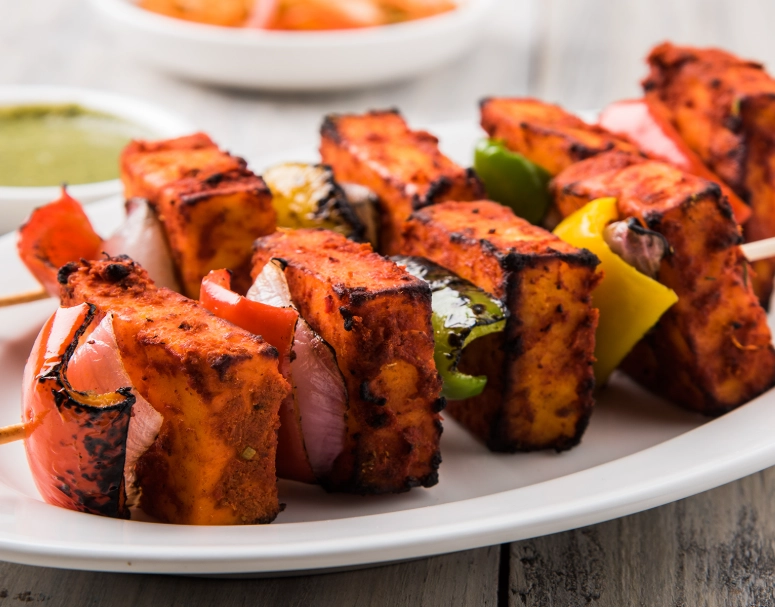
Dahi Puri: The Explosive Flavor Bomb That's Messy but Worth It
Dahi puri is a type of chaat, but it deserves its own spot. Crisp puris filled with potatoes, chickpeas, yogurt, and chutneys. You eat it in one bite, and flavors explode. It's messy—I've had it drip down my shirt—but that's part of the fun.
Originating from Mumbai, it's a street food staple. "Elco Market" in Bandra has vendors who assemble them lightning-fast. At home, use store-bought puris to save time. Fill them just before serving to prevent sogginess. A trick: add a bit of sweet date chutney to balance the tanginess.
Why is it among the top five? It's interactive and packs every flavor profile. Plus, it's light enough to not ruin your appetite for the main course.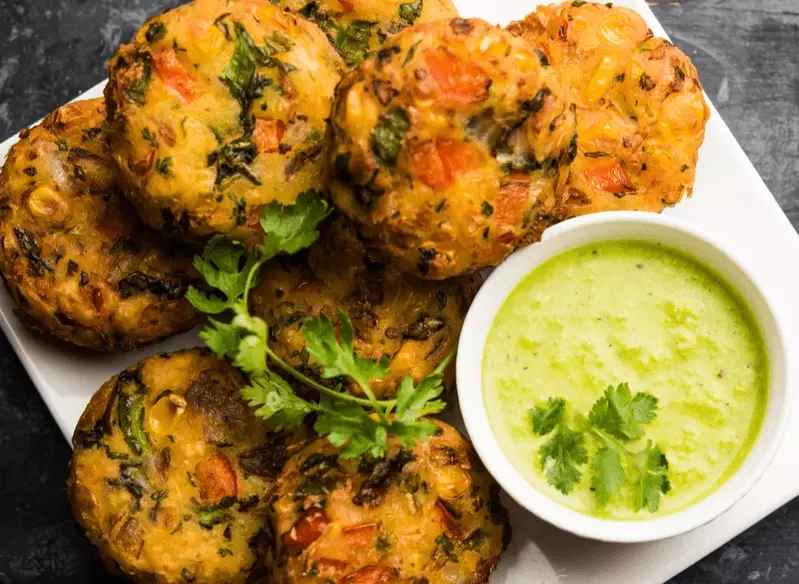
Common Mistakes When Making Indian Appetizers (From My Kitchen Disasters)
I've burned, sogged, and over-spiced my way through learning these dishes. Here's what to avoid:
- Overcrowding the fryer: Lowers oil temp, leading to greasy food. Fry in batches.
- Skimping on spices: Indian appetizers rely on cumin, coriander, chaat masala. Use fresh ones.
- Ignoring texture: Chaat needs crunch; if sev gets stale, toast it lightly.
- Rushing marination: Paneer tikka needs time, but too long ruins texture.
Once, I added too much baking soda to pakora batter—they tasted like soap. Lesson learned.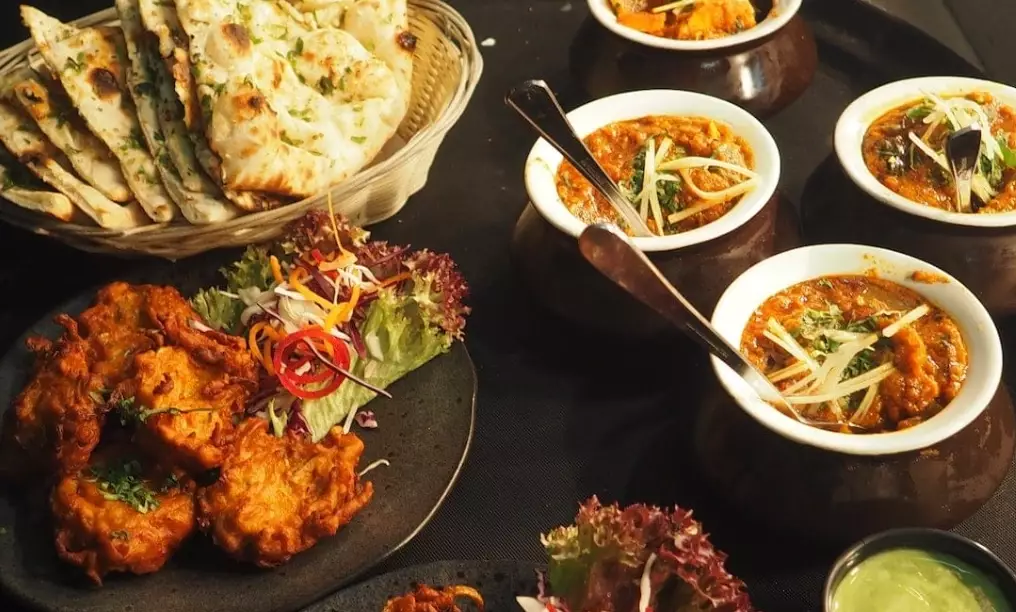
So, there you have it—the five Indian appetizers that define the cuisine. Samosas for crunch, pakoras for simplicity, chaat for tang, paneer tikka for creaminess, and dahi puri for fun. They're more than just starters; they're a gateway to Indian culture. Next time you're at an Indian restaurant, order a platter and taste the diversity. Or better yet, try making one at home. Start with pakoras, and work your way up. You might mess up, but that's how you learn. I did.
Discussion