Planning an Indian dinner party can feel like a daunting task. The spices, the layers of flavor, the fear of everything needing to be piping hot at the same time—it’s enough to make anyone reach for the takeout menu. But here’s the secret I’ve learned from hosting dozens of these gatherings: it’s not about replicating a restaurant menu. It’s about creating a joyful, flavorful experience that flows naturally and lets you enjoy your own party.
The key is structure and smart choices.
Your Indian Dinner Party Quick Guide
The Golden Rule: How Indians Actually Eat
Before we list dishes, let’s break a Western convention. An Indian meal is rarely served in courses (starter, main, dessert). Instead, think of it as a simultaneous feast.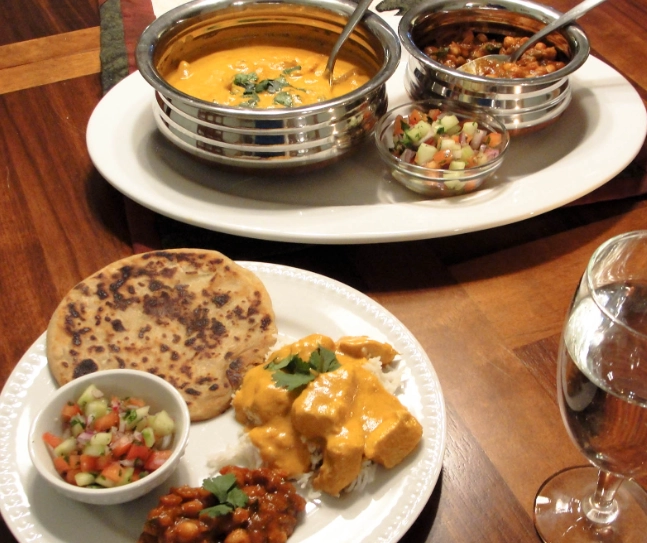
All the dishes—dal, vegetables, curry, raita, bread, rice—arrive at the table together. Guests build each bite on their plate (or more authentically, on their thali), combining a bit of rice with some dal, a piece of roti with a scoop of vegetable curry. This is liberating for the host. Nothing needs to be "plated" perfectly. The food can be served in casual bowls and pots. The temperature focus shifts: keep the rice hot, the breads warm, and the curries pleasantly warm. It’s communal, interactive, and takes the performance pressure off.
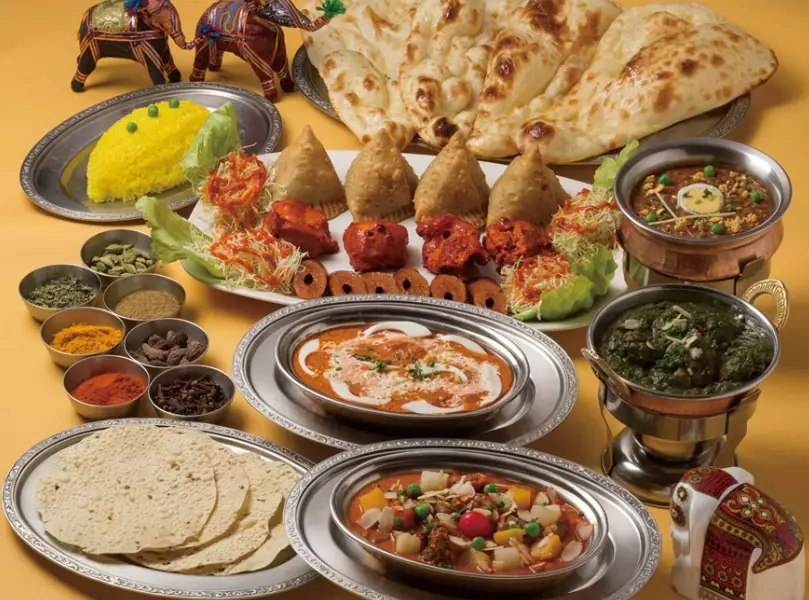
How to Plan Your Indian Dinner Party Menu Flow
Structure your menu like a symphony, not a solo act. Aim for balance across these categories:
1. The Welcome (Starters & Drinks)
This is your first impression. Keep it light, finger-friendly, and not too filling. The goal is to stimulate the appetite, not satisfy it.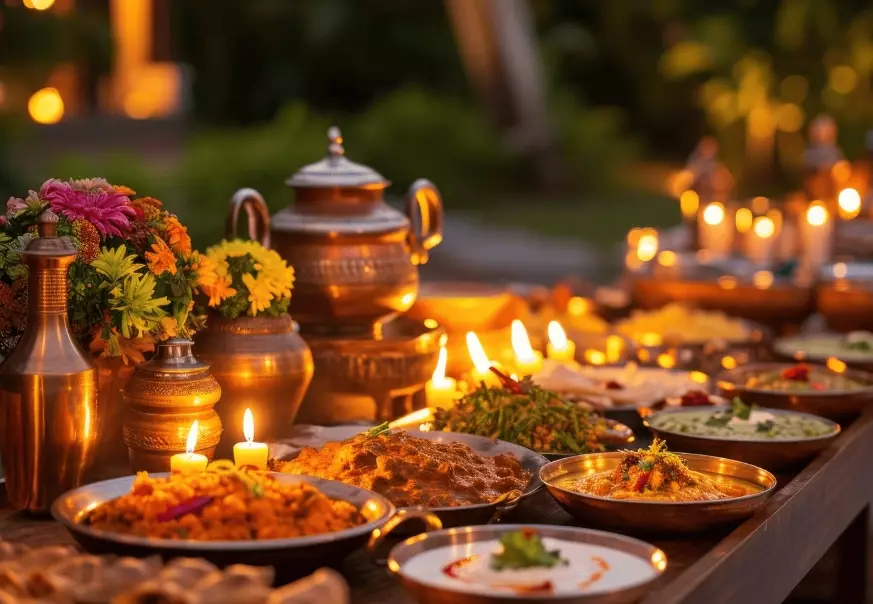
Think: Crispy pakoras (vegetable fritters) or samosa (but make them mini). A vibrant cilantro-mint chutney for dipping is non-negotiable. For drinks, offer a refreshing mango lassi (yogurt drink) or a simple spiced lemonade. This is where guests mingle.
2. The Heart of the Feast (Mains & Sides)
This is your core spread. Build it with variety in mind:
- Something Creamy & Rich: A butter chicken, paneer makhani, or a rich dal makhani. This is your crowd-pleaser.
- Something Light & Vegetarian: A dry-spiced vegetable dish like aloo gobi (potato & cauliflower) or bhindi masala (okra). Provides texture contrast.
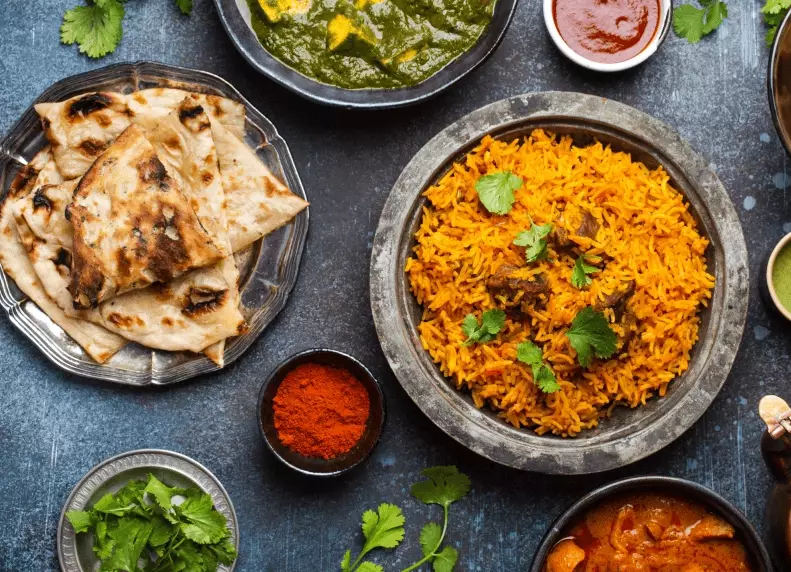
- Something with Legumes: A simple dal (lentil stew). It’s comforting, nutritious, and balances richer dishes.
- The Essential Companions: Fluffy basmati rice, warm rotis or naan, a cooling cucumber raita (yogurt sauce), and a tangy pickle or chutney.
3. The Sweet Finish (Dessert)
Indian desserts are often very sweet and dense. A small portion goes a long way. Gulab jamun (milk-solid dumplings in syrup) or ras malai (cheese patties in sweet cream) are classic. For a lighter option, consider fresh fruit with a sprinkle of chaat masala, or simply a cup of masala chai.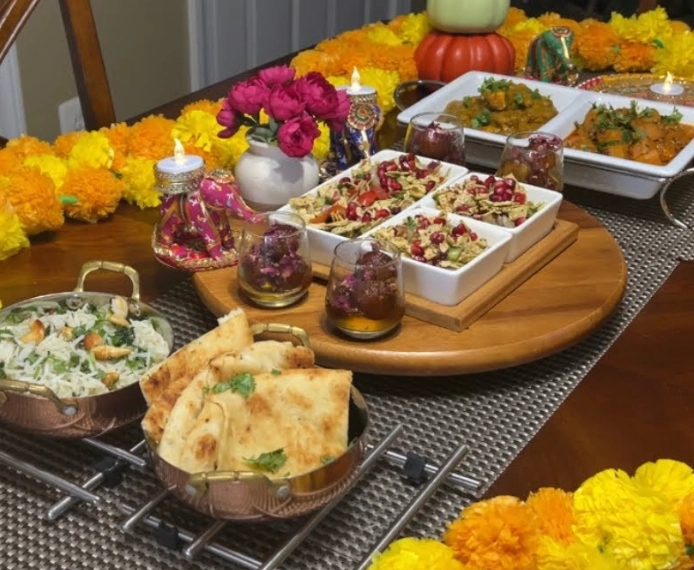
A Sample Balanced Menu (With Make-Ahead Tips)
Here’s a practical, mostly vegetarian menu designed for minimal last-minute stress. It serves 6-8 people.
| Category | Dish Suggestions | Make-Ahead Strategy |
|---|---|---|
| Starters & Drinks | Vegetable Pakoras with Mint-Cilantro Chutney // Mango Lassi | Chutney can be made 2 days ahead. Lassi base (without ice) can be blended earlier in the day. Pakora batter can be mixed 1-2 hours before; fry just as guests arrive. |
| Main & Side Dishes | Paneer Butter Masala // Chana Masala (chickpea curry) // Jeera Rice // Spinach Raita // Garlic Naan | Game Changer: Both curries taste BETTER made 1 day ahead. Reheat gently. Raita can be made morning-of. Jeera rice can be cooked and kept warm. Naan can be bought frozen and warmed in the oven/toaster. |
| Dessert | Gulab Jamun with a scoop of Vanilla Ice Cream | Gulab jamun can be purchased ready-made from an Indian store. Warm gently before serving. The ice cream is your easy, genius pairing to cut the sweetness. |
See how the heavy lifting is done beforehand? On party day, you’re reheating, finishing, and frying the pakoras. That’s it.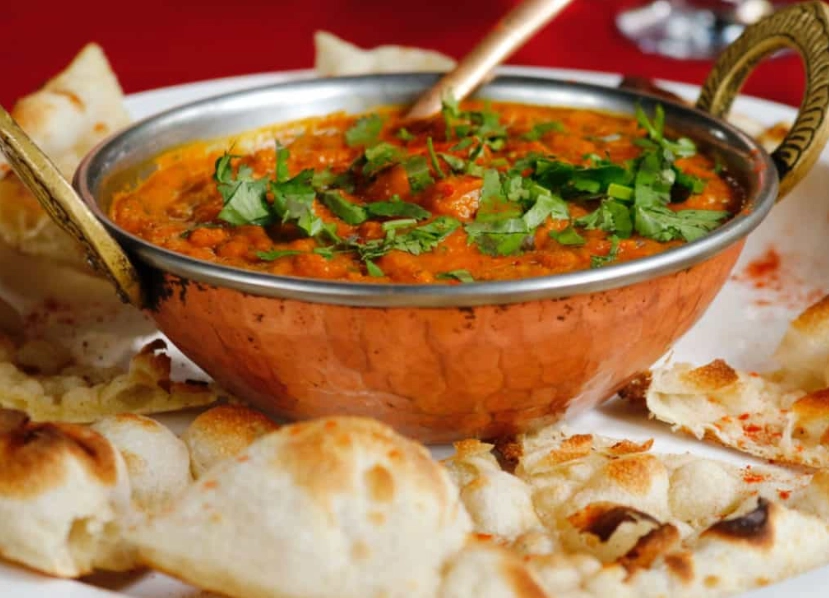
3 Common Mistakes First-Time Hosts Make (And How to Avoid Them)
Let’s talk about the pitfalls I’ve seen (and sometimes stumbled into myself).
Mistake 1: The All-Out Spice Assault. You assume "Indian" equals "blazing hot." You’ll leave half your guests in tears. Build heat intelligently. Have one dish with a kick (mark it!), but ensure others are mild or medium. The raita, rice, and sweet lassi are there to cool palates.
Mistake 2: The Single-Texture Menu. If everything is a saucy curry, the meal feels monotonous. Contrast is key. Pair a saucy butter paneer with a dry aloo gobi. Include the crisp pakora starter and the soft naan. Add the crunchy texture of onions in the raita or as a garnish.
Mistake 3: Ignoring the Vegetarian Majority. Indian cuisine is a paradise for vegetarians. Even if you have meat-eaters coming, centering your menu around vegetarian dishes like paneer, chickpeas, and lentils is safer, easier, and often more appreciated. It simplifies cooking and caters to diverse diets seamlessly. A single, well-made chicken or lamb dish is plenty if you want a meat option.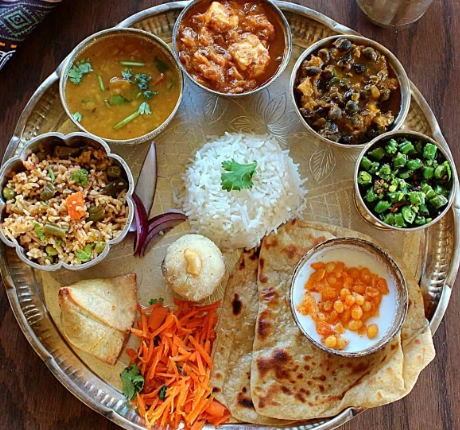
Your Indian Dinner Party Questions, Answered
Remember, the best Indian dinner party isn't about a flawless, restaurant-perfect meal. It's about the warm, fragrant chaos of shared dishes, the surprise of new flavors, and the joy of hosting without being chained to the stove. Choose a menu that excites you, use the make-ahead tricks, and embrace the shared-table spirit. Your guests will remember the experience long after the last bite of gulab jamun.
Discussion