Let's be honest. The idea of cooking Indian food can feel intimidating. All those spices, the long ingredient lists, the fear of ending up with a bland curry or a fiery inferno. I remember my first attempt – I added garam masala at the wrong time and the whole thing tasted like bitter dust. Not great.
But here's the secret most blogs won't tell you: authentic Indian home cooking is often simple, forgiving, and built on a few core techniques. You don't need 20 spices. You don't need to cook for hours. You just need the right starting point.
This guide is that starting point. We're skipping the complex restaurant-style dishes and going straight to the heart of the Indian kitchen: the simple, delicious food people actually eat every day. I'll walk you through five foundational recipes that teach you the basics while delivering incredible flavor. By the end, you'll have the confidence to say, "Yeah, I can cook Indian food."
Your Quick Jump to Kitchen Confidence
How to Build Your Indian Pantry on a Budget
You don't need a cupboard full of exotic ingredients. Start with these five. They're cheap, last ages, and form the backbone of 80% of simple Indian dishes.
| Spice/Ingredient | Why You Need It | Where to Use It First |
|---|---|---|
| Cumin Seeds (Jeera) | The earthy, nutty backbone. Used for tempering (tadka). | Every recipe in this guide. |
| Turmeric Powder (Haldi) | Adds golden color and a warm, earthy flavor (not heat). | Dal, vegetable dishes. |
| Coriander Powder (Dhania) | Mild, citrusy, and floral. The main body of most curry powders. | Curries, marinades. |
| Red Chili Powder (or Paprika) | For heat and color. Use Kashmiri chili for mild heat and bright red color, or paprika for zero heat. | Adjust to your taste in any dish. |
| Garam Masala | A warm, sweet blend (cinnamon, cardamom, cloves). Added at the end of cooking. | A finishing touch on dals and curries. |
For fresh stuff, you'll need onions, tomatoes, ginger, garlic, and fresh cilantro. That's it. Really.
5 Easy Indian Recipes for Absolute Beginners
These recipes are ordered by technique. Start with #1 to learn the most important method in Indian cooking.
1. Masoor Dal (Red Lentil Soup)
Your Skill Builder: Teaches tadka (tempering spices in oil) and the one-pot wonder of lentils.
Total Time: 40 minutes (mostly hands-off).
The Secret: Don't skip the ghee or butter in the tadka. That's where the magic flavor lives.
Ingredients:
- 1 cup red lentils (masoor dal), rinsed
- 3 cups water
- 1 tsp turmeric
- 1 tomato, chopped
- For the Tadka: 2 tbsp ghee or butter, 1 tsp cumin seeds, 2 garlic cloves (minced), 1 dried red chili (optional), pinch of asafoetida (hing, optional but great).
Steps:
Cook the lentils, turmeric, and tomato in water until mushy (25 mins). Season with salt. In a small pan, heat ghee. Add cumin seeds – let them sizzle for 10 seconds. Add garlic and chili, fry for 30 seconds until garlic is golden. Pour this sizzling oil mixture (tadka) directly into the cooked dal. It will bubble and release an incredible aroma. Stir, garnish with cilantro. Serve with rice.
See? No complex curry paste. The flavor comes from that simple, hot oil infusion.
2. Jeera Aloo (Cumin Potatoes)
Your 30-Minute Side: Teaches dry-spice cooking and how to get crispy potatoes.
Total Time: 30 minutes.
The Secret: Parboil the potatoes first. It ensures they're cooked through and get a nice crust in the pan without burning the spices.
Boil cubed potatoes until just tender. Drain. In a pan, heat oil, add cumin seeds. Let them crackle. Add the potatoes, turmeric, coriander powder, and red chili powder. Stir-fry on medium-high heat for 8-10 minutes until the potatoes have golden edges. Finish with a squeeze of lemon and cilantro. It's absurdly good for how simple it is.
3. Simple Chickpea Curry (Chana Masala)
Your "I Want a Real Curry" Dish: Teaches building a tomato-onion gravy.
Total Time: 25 minutes (using canned chickpeas).
The Secret: Cook the tomato-onion mixture until the oil starts to separate from the sides. This is called "bhunao" and it's the key to a rich, non-watery gravy.
Sauté chopped onion until golden. Add ginger-garlic paste, cook for a minute. Add chopped tomatoes, turmeric, coriander powder, chili powder. Cook, stirring, for 8-10 minutes until it thickens and the oil glistens on top. Add two cans of drained chickpeas and a cup of water. Simmer for 10 minutes. Finish with garam masala and cilantro.
4. Cucumber Raita (Yogurt Dip)
Your Cool-Down Essential: Teaches balancing flavors and making a cooling side.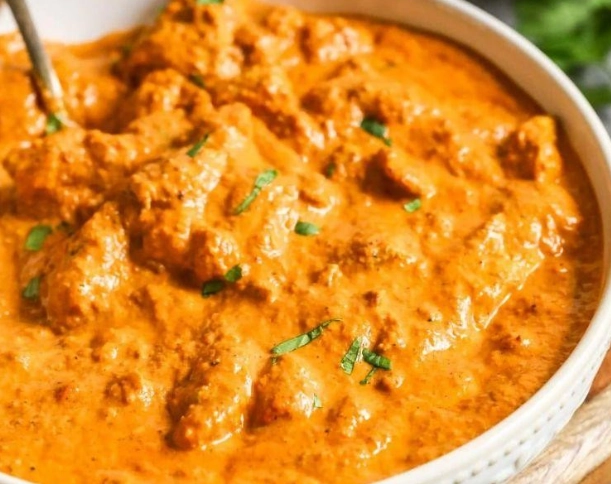
Total Time: 5 minutes.
The Secret: Use thick, full-fat yogurt. Whisk it smooth first. The tadka for raita is different – use neutral oil and mustard seeds.
Whisk 2 cups of yogurt until smooth. Fold in grated cucumber, salt, and roasted cumin powder. For the tadka: heat 1 tsp oil, add ½ tsp mustard seeds. When they pop, pour over the raita. It's the perfect counterpoint to any spicy dish.
5. 5-Minute Tadka for Leftovers
Your Game-Changer: This isn't a recipe, it's a hack. Leftover boiled veggies, rice, or even pasta feeling sad?
Heat oil or ghee in a pan. Add mustard seeds and cumin seeds. When they pop, add a pinch of asafoetida (if you have it) and a chopped green chili. Toss in your leftovers. Add salt and a pinch of turmeric. Stir-fry for 2 minutes. You've just made "Indian-style" veggies. It's transformative.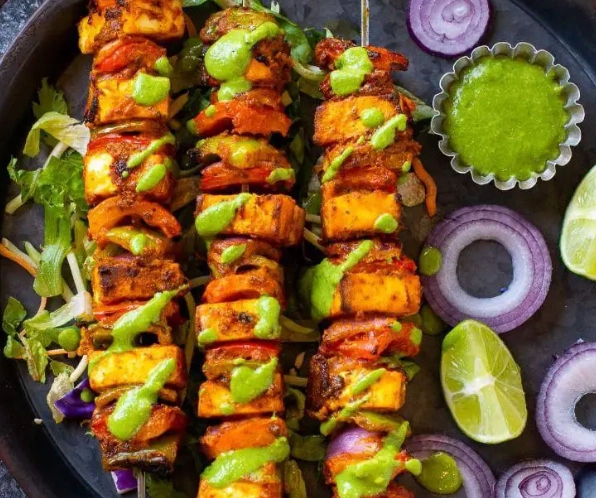
The One Mistake Beginners Always Make (And How to Avoid It)
It's not about the spice level. It's about burning the spices.
You heat oil, add cumin seeds, and then get distracted for 30 seconds. Those seeds go from fragrant and nutty to black, bitter, and ruined. It happens to everyone once. The entire dish will taste off.
The fix? Have your next ingredient (chopped onions, garlic, tomatoes) measured and right next to the pan before you heat the oil. Once you add the seeds, they'll sizzle for 5-10 seconds, and then you immediately add the next ingredient, which cools the pan and stops the cooking. This is non-negotiable for good Indian food.
Another subtle error: adding garam masala at the beginning. Those delicate spices (cardamom, clove) burn and turn bitter. Garam masala is a finishing spice. Stir it in during the last 60 seconds of cooking, or even sprinkle on top when you serve.
Your Indian Cooking Questions, Answered
So, there you have it. A real, no-fluff path into Indian cooking. Start with the dal. Master the tadka. Then try the potatoes. Before you know it, you'll be eyeing that jar of garam masala with confidence, not fear.
The best part? This food is meant to be shared. Cook one of these, call a friend over, and tell them you made Indian food. Watch their surprised, impressed look. You earned it.
Discussion