Let's be honest. The first time I tried making roti from a generic online recipe, it was a disaster. I ended up with something resembling a stiff leather coaster. It was edible, but just barely. The problem wasn't the recipe's list of ingredients—it's always just flour, water, salt. The problem was in the details nobody talks about: the feel of the dough, the sound of the tawa, the color of the cook. After years of making it daily and learning from my mum (who learned from hers), I've nailed down the process. This isn't just a recipe; it's a system for turning two cups of flour into warm, fragrant, impossibly soft flatbread that puffs up like it's showing off.
What You'll Learn in This Guide
Why Your Flour Choice Makes or Breaks the Dough
You can't make great roti with just any wheat flour. The type of flour, called atta in Hindi, is non-negotiable. It's a fine-milled, stone-ground whole wheat flour that retains its bran and germ. This gives it a nutty flavor and, crucially, the ability to absorb more water than all-purpose flour.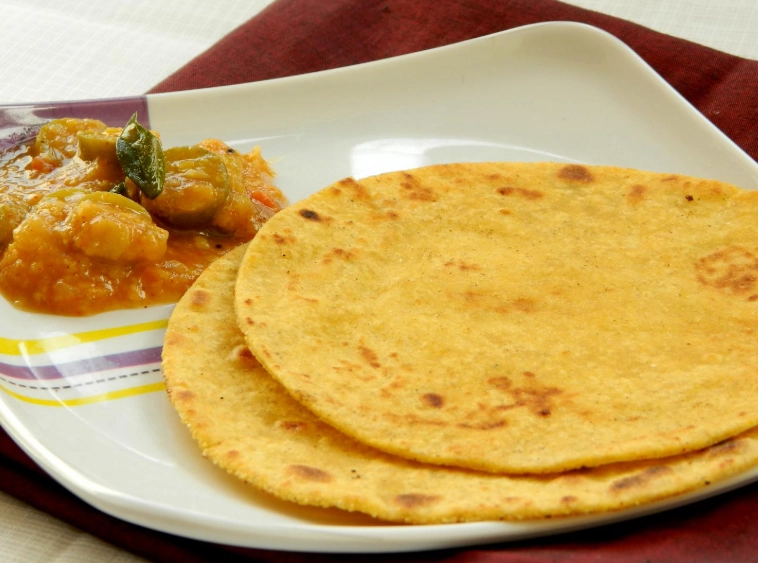
The Big Mistake: Using all-purpose flour (maida) because it's "easier to work with." It is easier—it requires less water and is more forgiving. But the result is a chapati, which is softer and more neutral. Roti made with atta has a distinct, wholesome character and a slight, pleasant chew. It's the difference between white sandwich bread and a hearty whole grain loaf.
Brand matters, but less than technique. In India, brands like Aashirvaad or Pillsbury Chakki Fresh Atta are household names. Outside South Asia, look for "chakki atta" or "fine whole wheat flour" in Indian grocery stores. If you must substitute, a 50/50 mix of whole wheat pastry flour and regular whole wheat flour can get you close, but the texture will be different. Trust me, seek out the real thing.
The Step-by-Step Process: From Bowl to Puffed Perfection
Forget precise cups and grams for a second. Roti making is tactile. You adjust by feel. Here's the framework, then we'll talk about the feel.
What You'll Need (for about 8 rotis)
- 2 cups (approx. 250g) whole wheat flour (atta), plus extra for dusting
- 3/4 cup to 1 cup (180ml to 240ml) warm water (not hot, you'll kill the gluten)
- 1/2 teaspoon salt (optional, but enhances flavor)
- 1 teaspoon oil or ghee (for a softer dough, also optional)
- Equipment: A large mixing bowl, a flat griddle or tawa (cast iron works great), a pair of tongs, a clean kitchen cloth.
1. Making the Dough: The "Soft Ear Lobe" Test
Mix the flour and salt in the bowl. Make a well. Start adding warm water, a little at a time, mixing with your fingers. This is where people panic. The dough will look shaggy and messy. Keep going. Once it starts coming together, add the oil if using. Now, knead.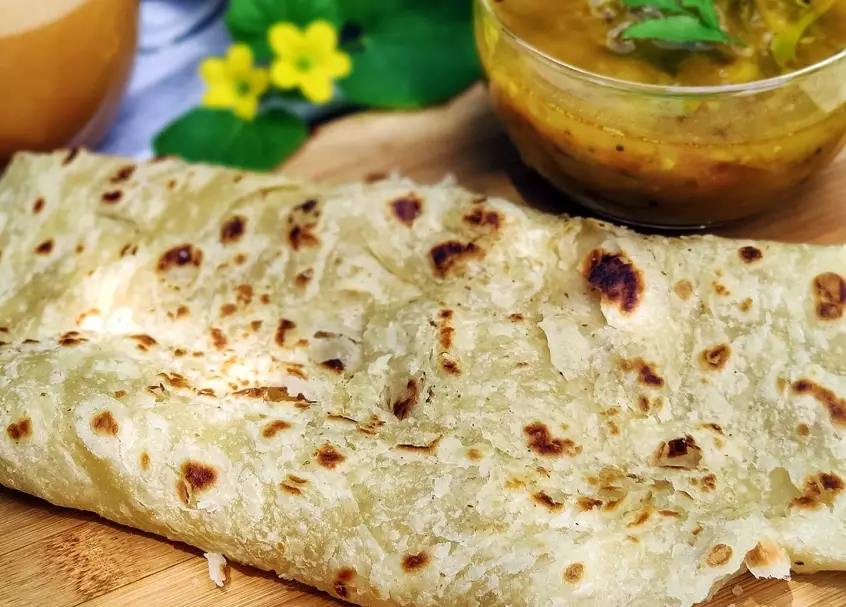
Knead for a good 7-10 minutes. Not a gentle knead. You're working the gluten. The dough will transform from sticky and ragged to smooth and supple. This is the single most important step for soft roti. The test? Pinch a bit of dough. It should feel as soft and pliable as your earlobe. If it's firm, add a teaspoon of water and knead it in. If it's sticky, dust with a tiny bit of flour.
2. The Rest: Non-Negotiable Patience
Cover the dough with a damp cloth or in an airtight container. Let it rest for at least 30 minutes, ideally 45. This allows the gluten to relax and the flour to fully hydrate. Skipping this gives you tough roti. I sometimes make the dough in the morning and let it sit covered on the counter until dinner. It's even better.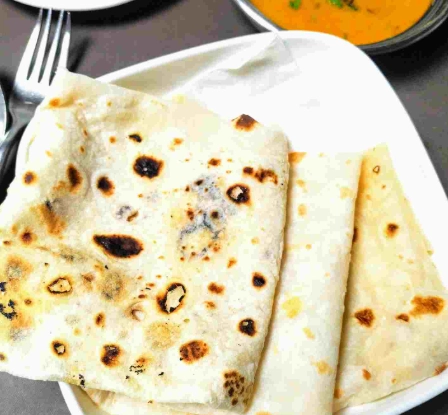
3. Rolling: Evenness Over Perfection
After resting, knead the dough for just 30 seconds to smooth it out. Divide into 8 equal balls, roughly the size of a golf ball. Keep them covered.
Take one ball, flatten it slightly, and dip it in dry flour. Roll it out on a lightly floured surface. Aim for a circle about 6-7 inches in diameter. Don't obsess over a perfect circle. Focus on even thickness. A thick center means a doughy middle; thin edges will burn. Use even, gentle pressure, rotating the disc a quarter turn after each roll. A little crack on the edge? Just pinch it together.
4. Cooking: Listening for the Signals
Heat your tawa or griddle over medium-high heat. It should be hot enough that a drop of water sizzles and vanishes instantly.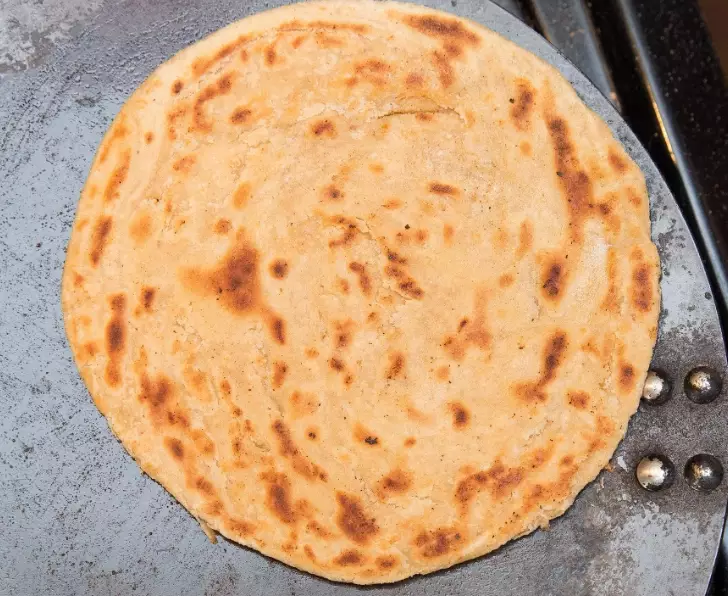
Place your rolled roti on the hot, dry tawa. Within 20-30 seconds, you'll see small bubbles and the surface will start to look drier. Flip it. Cook for another 30 seconds—you should see larger bubbles forming and some brown spots. Now, this is the magic step: using tongs or a clean cloth, lift the roti and place it directly over an open flame (gas stove) or flip it back onto the tawa and press gently with the cloth. It should puff up dramatically. If it doesn't puff fully, don't sweat it. It'll still taste great.
Once puffed (or nicely spotted), remove it and immediately brush with a little ghee or butter if you like, or just keep it dry. Stack them in a cloth-lined container to keep soft.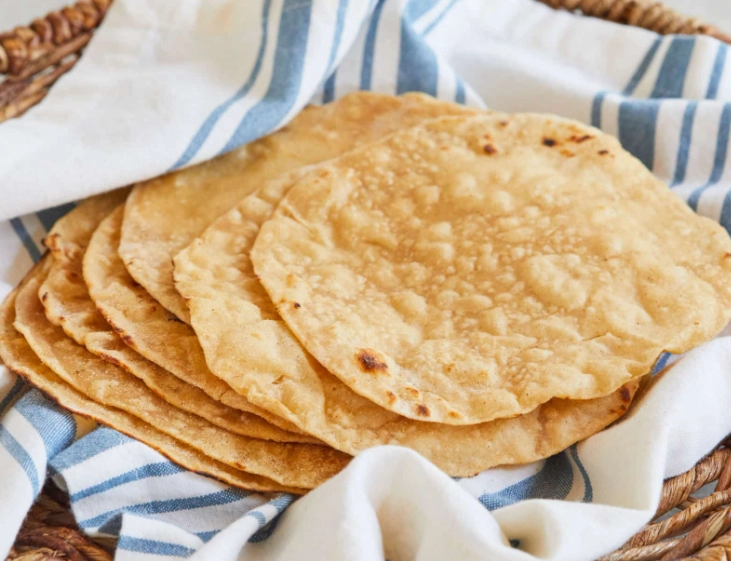
Expert Tips You Won't Find Elsewhere
These are the little things my mum drilled into me.
Water Temperature is a Game: Warm water (around 100°F/38°C) activates the gluten better than cold, leading to a more pliable dough. Too hot, and you'll denature the proteins, making it impossible to develop structure.
The "Dough Whisperer" Trick: After the first knead, let the dough rest for 10 minutes, then knead again for 2 minutes. This second short knead works wonders for ultimate smoothness.
Rolling Direction: Always roll from the center outwards, and never roll back and forth over the same spot like you're sawing wood. You're stretching the dough, not compressing it.
No Flame? No Problem. If you have an electric stove, get the tawa screaming hot. After the second flip, lower the heat to medium and use a folded paper towel to press down gently all over the roti. It encourages steam and puffing.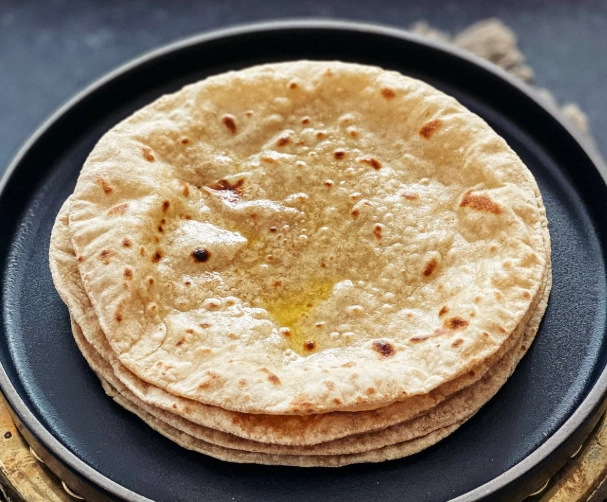
Quick Fixes for Common Roti Disasters
Your roti is hard as a rock? Dough won't come together? Here's the fix.
Hard Roti: Dough was too dry or under-kneaded. Next time, more water, longer knead, ensure proper resting.
Dough Too Sticky: You added water too fast. Don't add more flour yet. Oil your hands and knead for a few more minutes. The gluten will develop and often absorb the excess moisture. If it's still a mess, then add flour a teaspoon at a time.
Roti Tears While Rolling: The dough is too dry or hasn't rested enough. Incorporate a few drops of water into that specific dough ball and knead it in your palm for a minute before re-rolling.
Roti Doesn't Brown Evenly: Your tawa temperature is off. It should be uniformly hot. Let it preheat for a solid 5 minutes. An uneven cast iron pan can be a culprit here.
Your Roti Questions, Answered
The beauty of roti is in its simplicity and its demand for a bit of intuition. You stop measuring and start feeling. You listen to the sizzle, watch for the color change, feel the texture of the dough. It connects you to the food in a way few other staples do. It’s more than a recipe; it’s a rhythm. Once you find it, you’ll never lose it. And you’ll never settle for a leathery coaster again.
Discussion